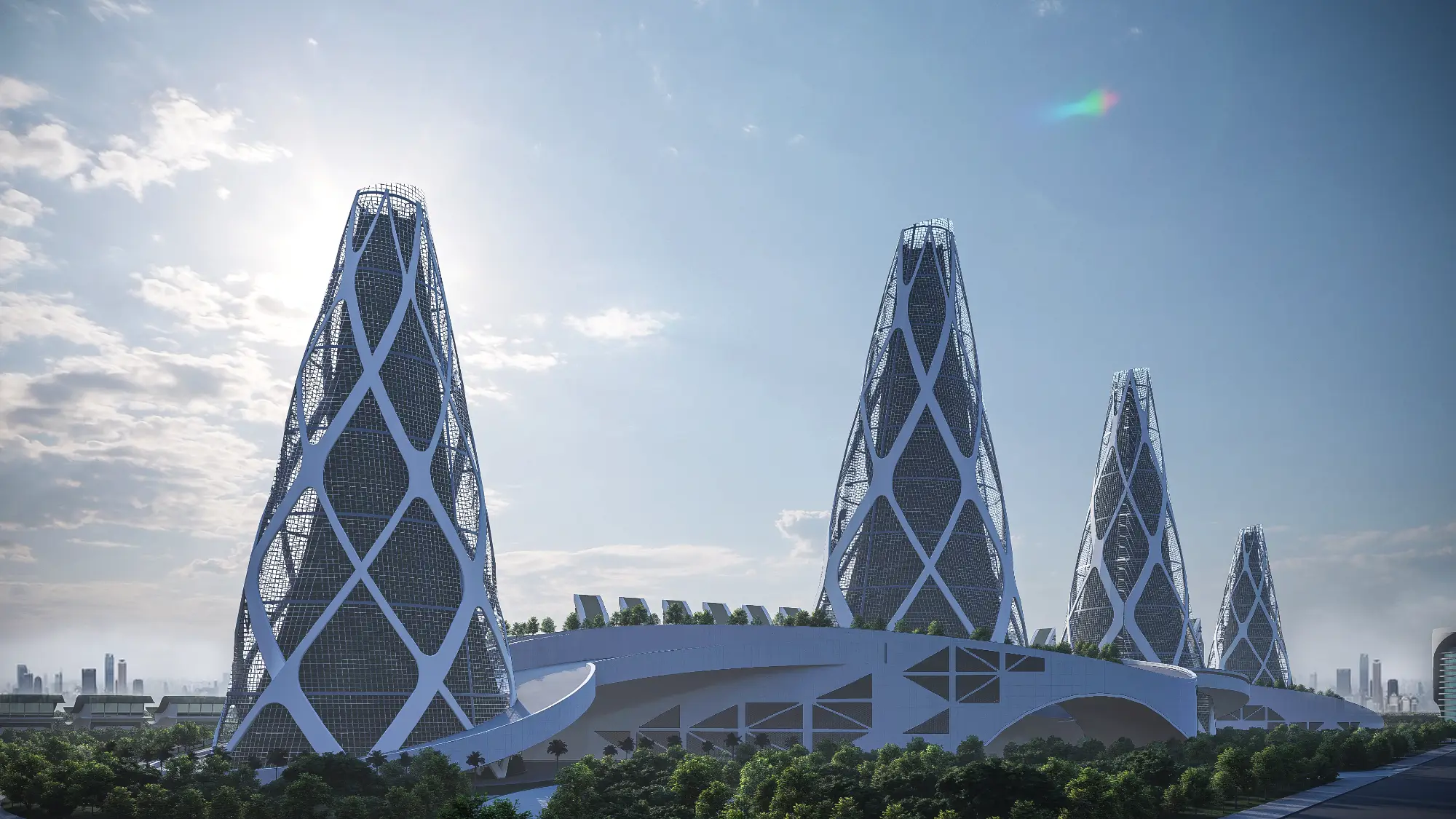












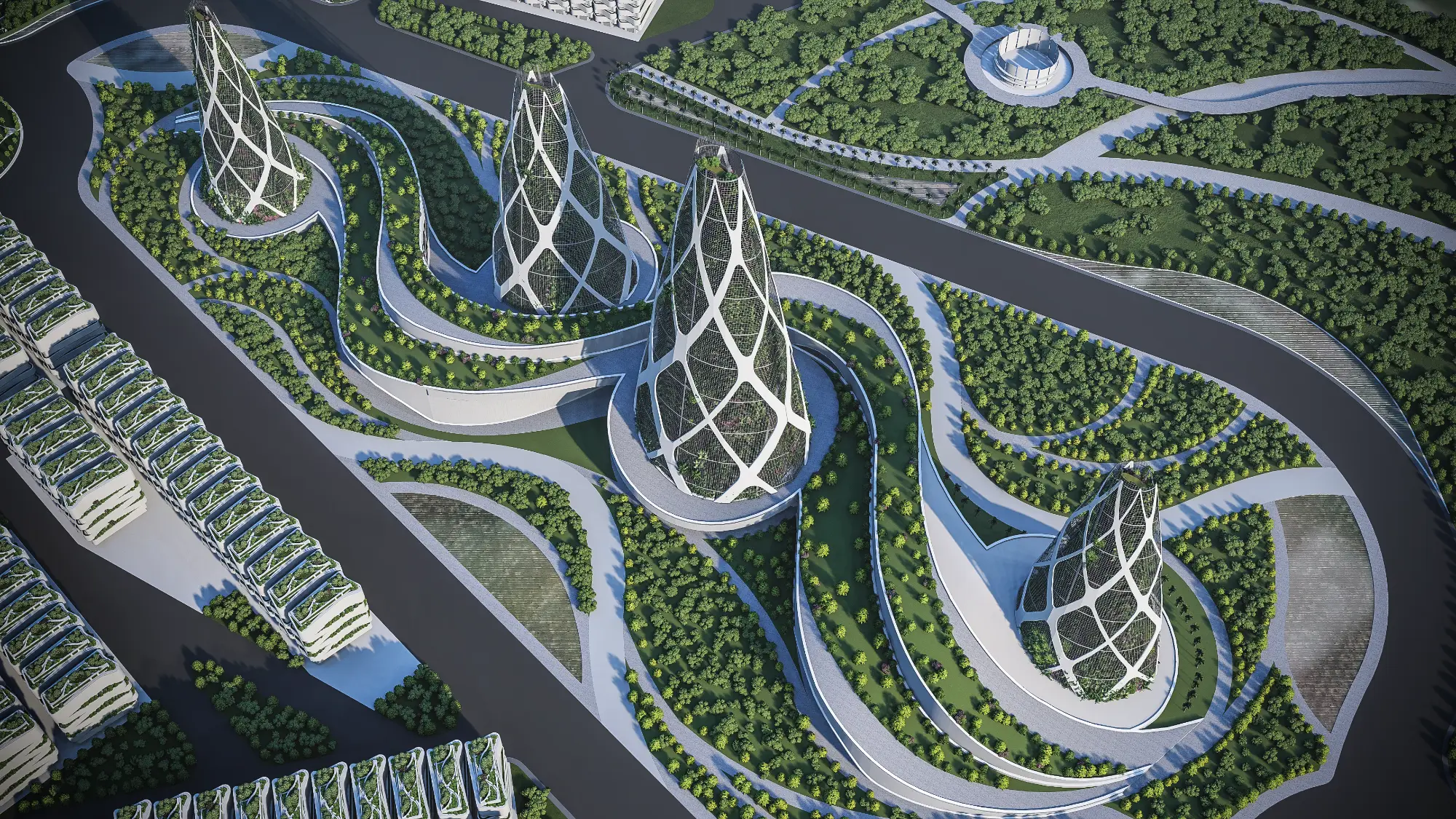
A forward-thinking landscape that blends food production with eco-centric architectural planning.
Agro-Industrial Park is a 200-hectare master plan that reimagines the relationship between food production, industry, and the built environment. Conceived as a catalyst for the future of the Philippines’ food sector, the project integrates agricultural, industrial, commercial, educational, and recreational programs within a single, highly connected landscape.
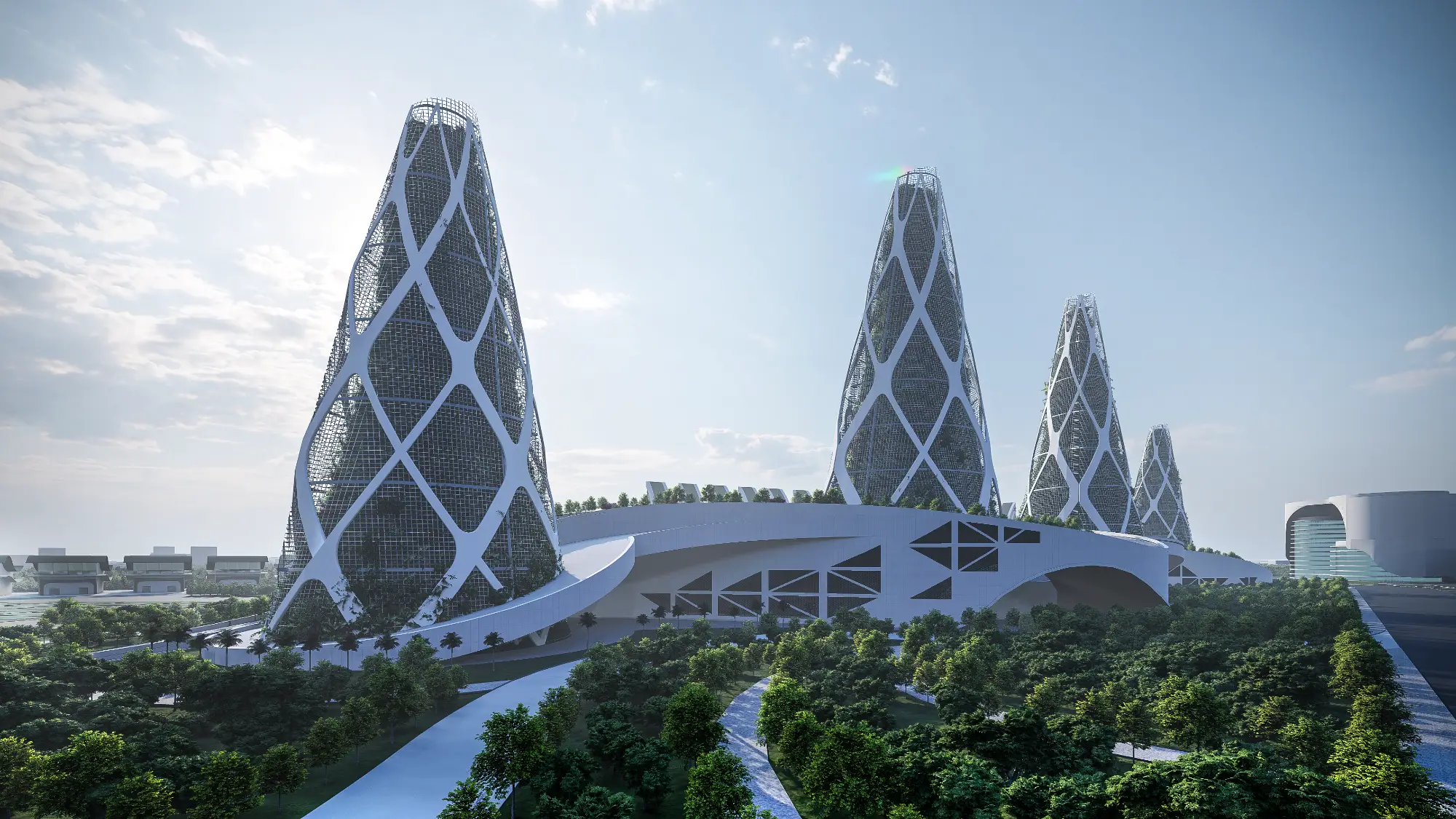
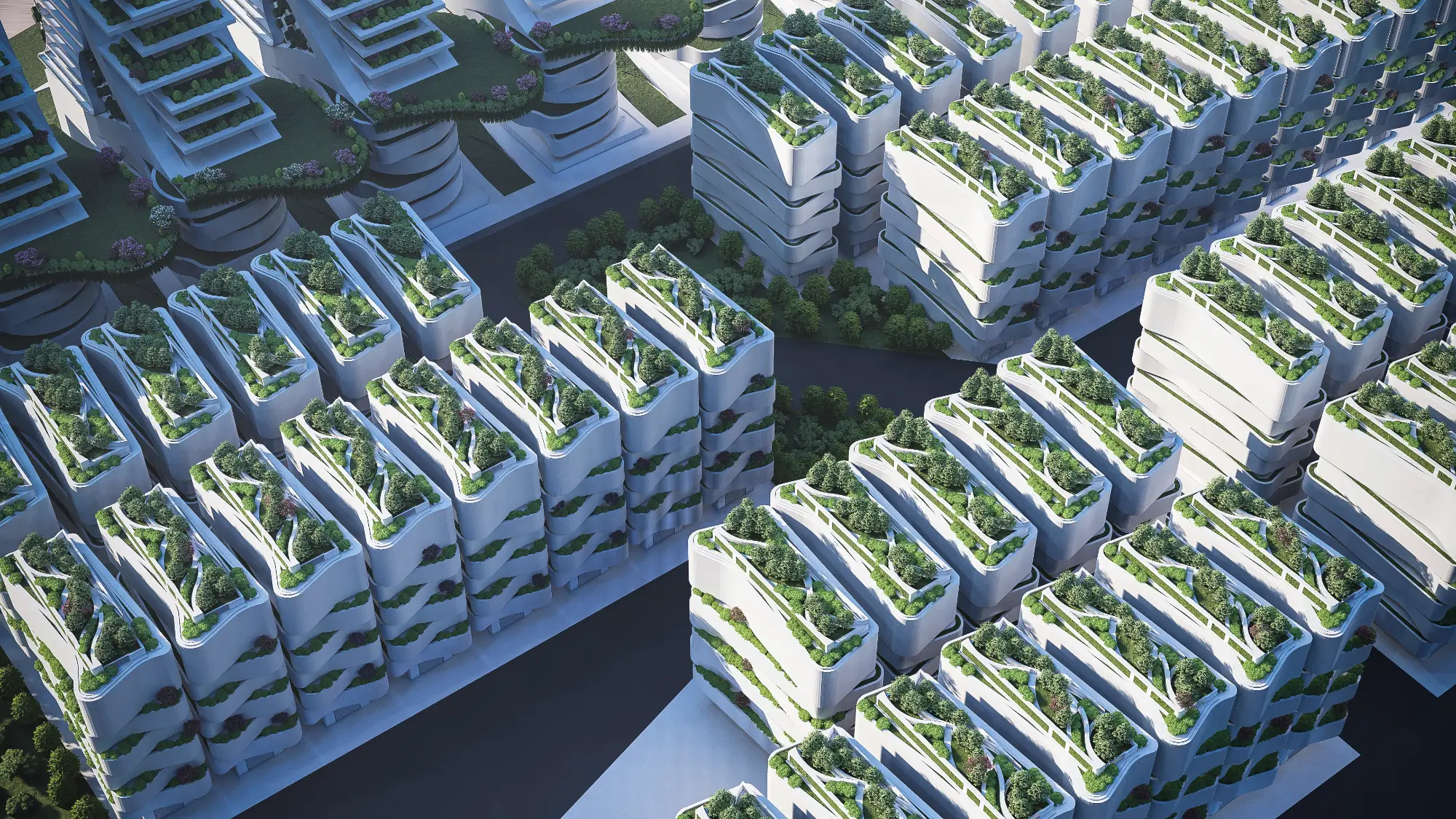
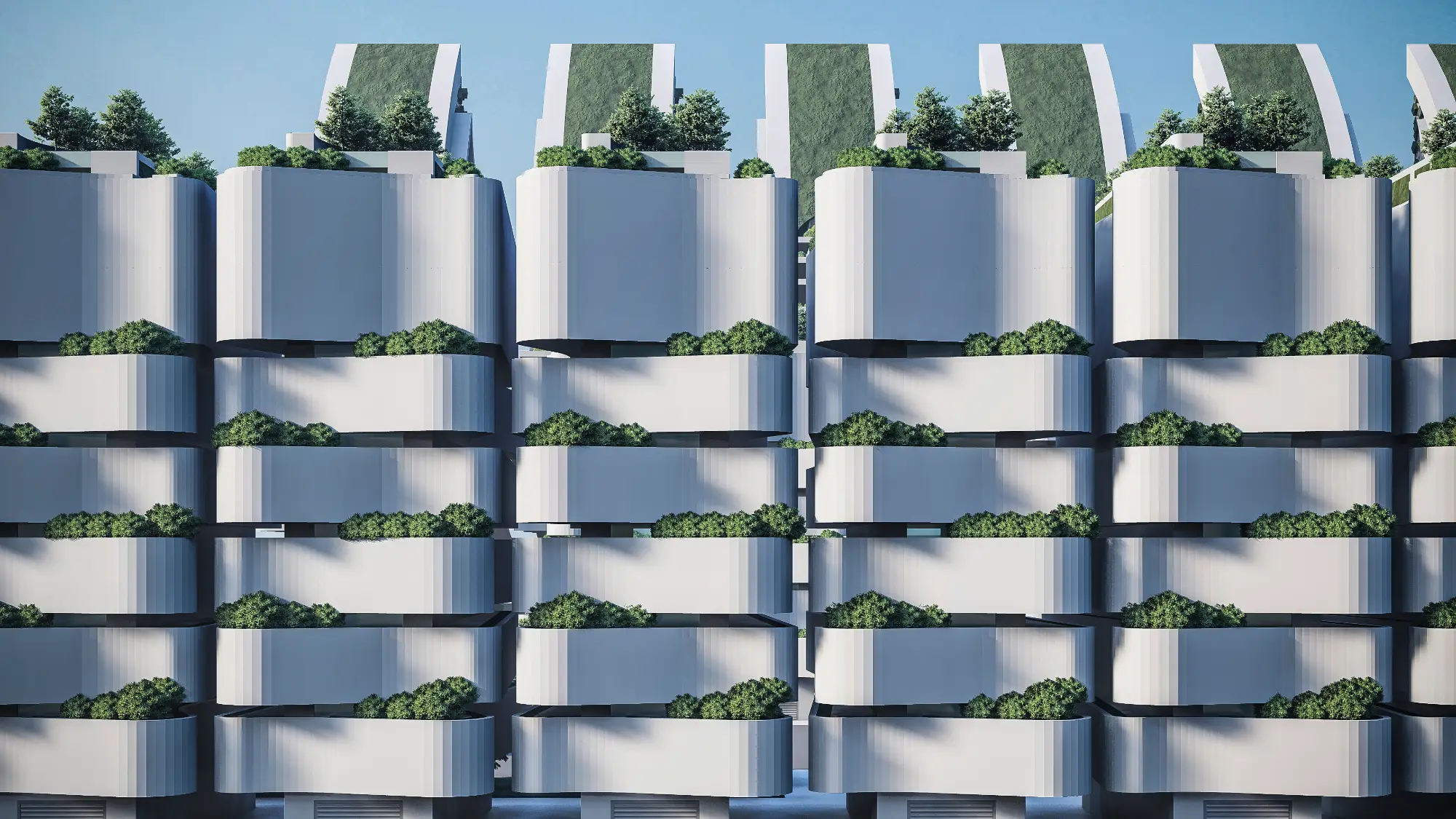
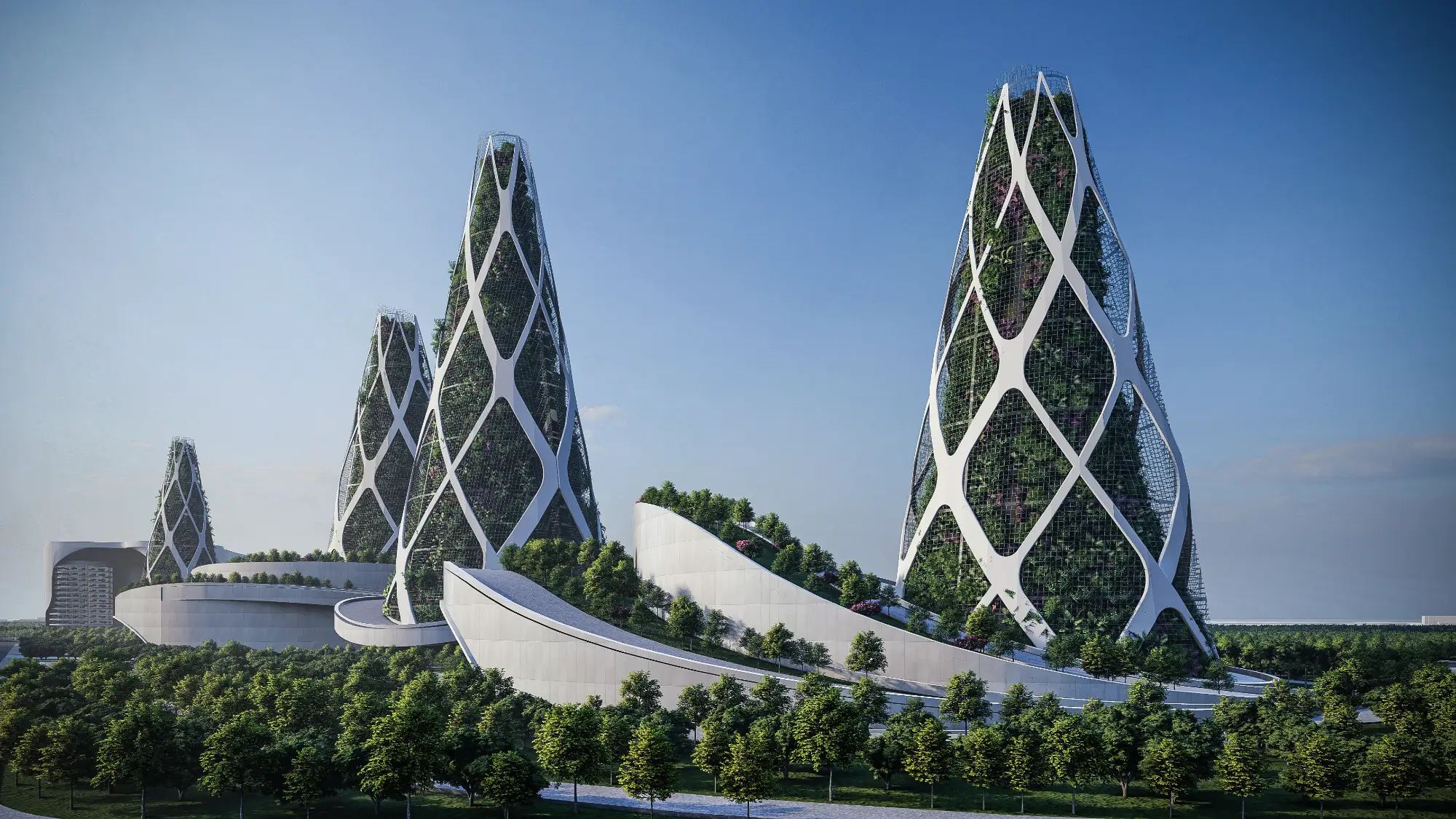
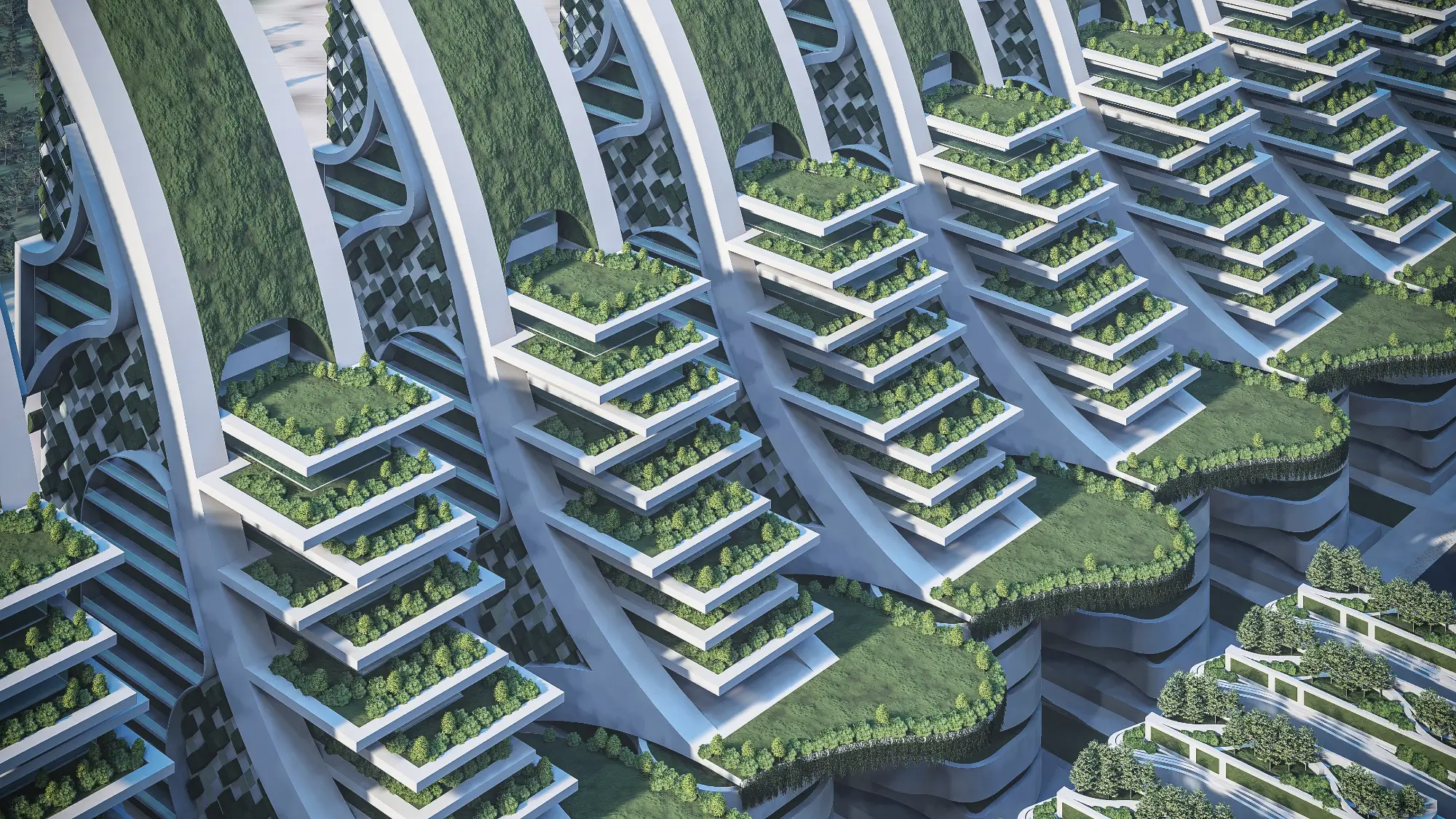
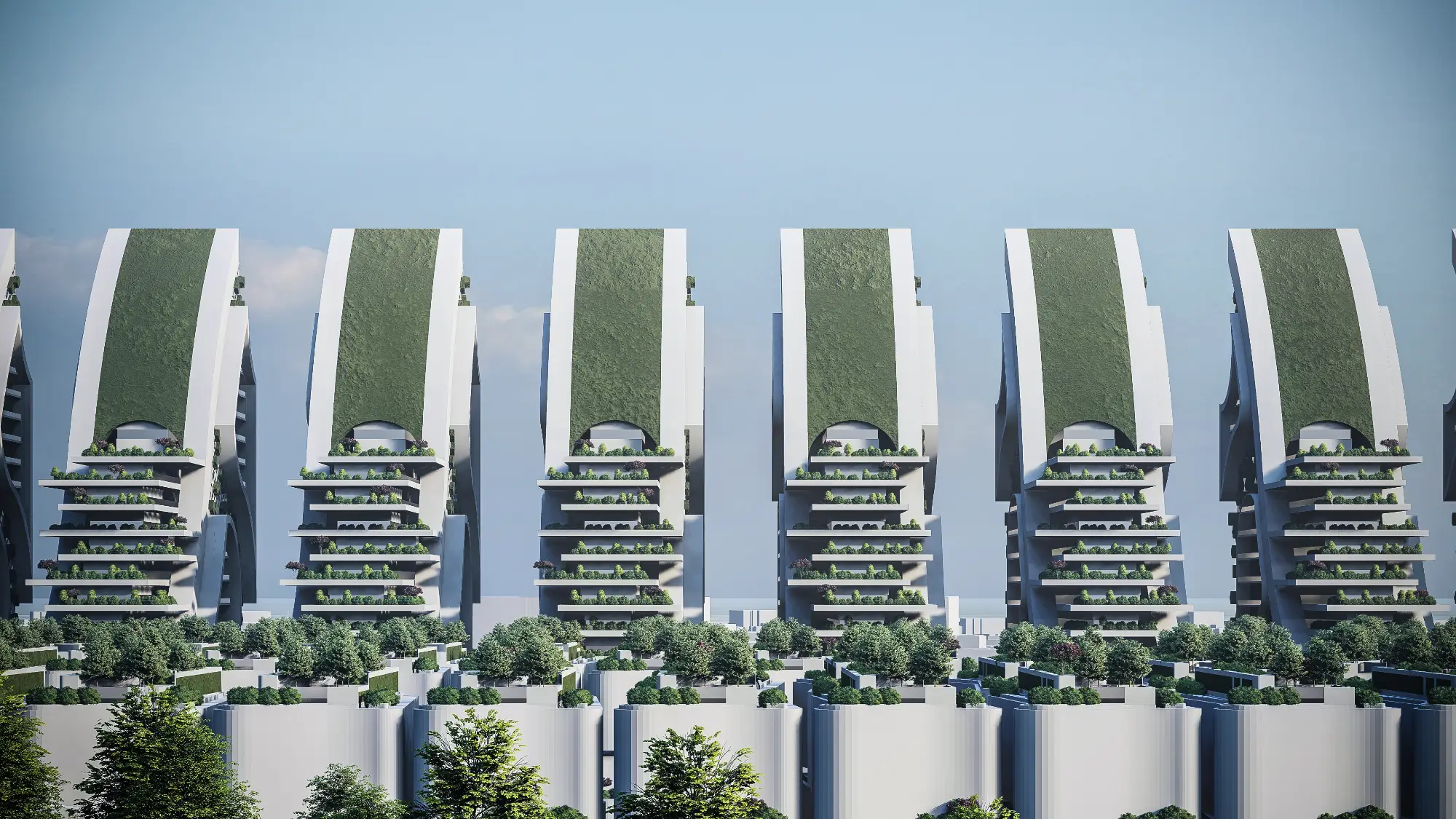
Architecture and planning respond to the challenge of making an agro-industrial site welcoming and dynamic. Urban and vertical farming structures define the district’s identity, rising as green façades and rooftop gardens that soften industrial volumes while demonstrating sustainable cultivation methods. Transportation systems, medical facilities, and technological infrastructure are carefully embedded, ensuring efficient logistics without sacrificing pedestrian comfort or spatial quality.
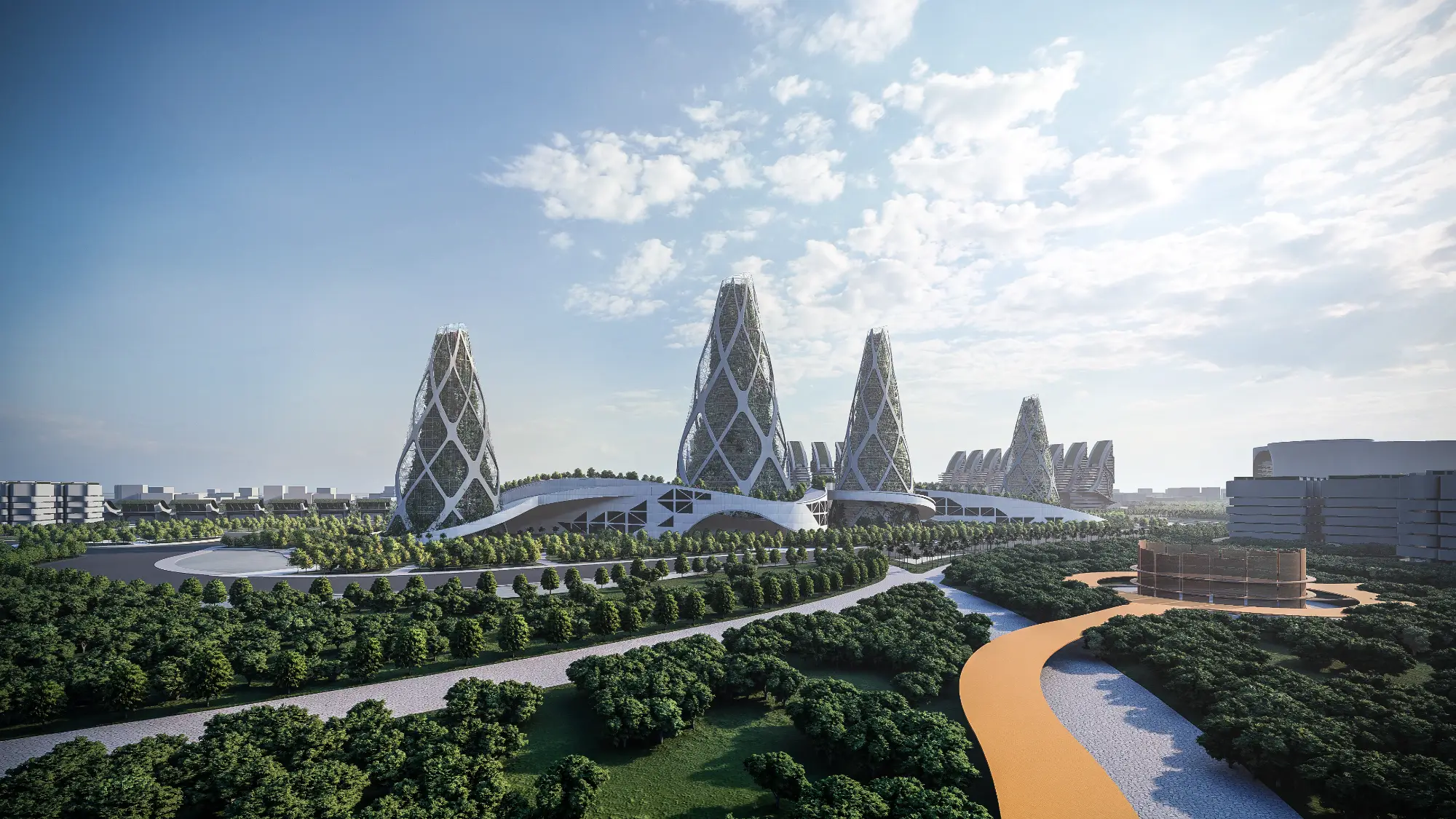
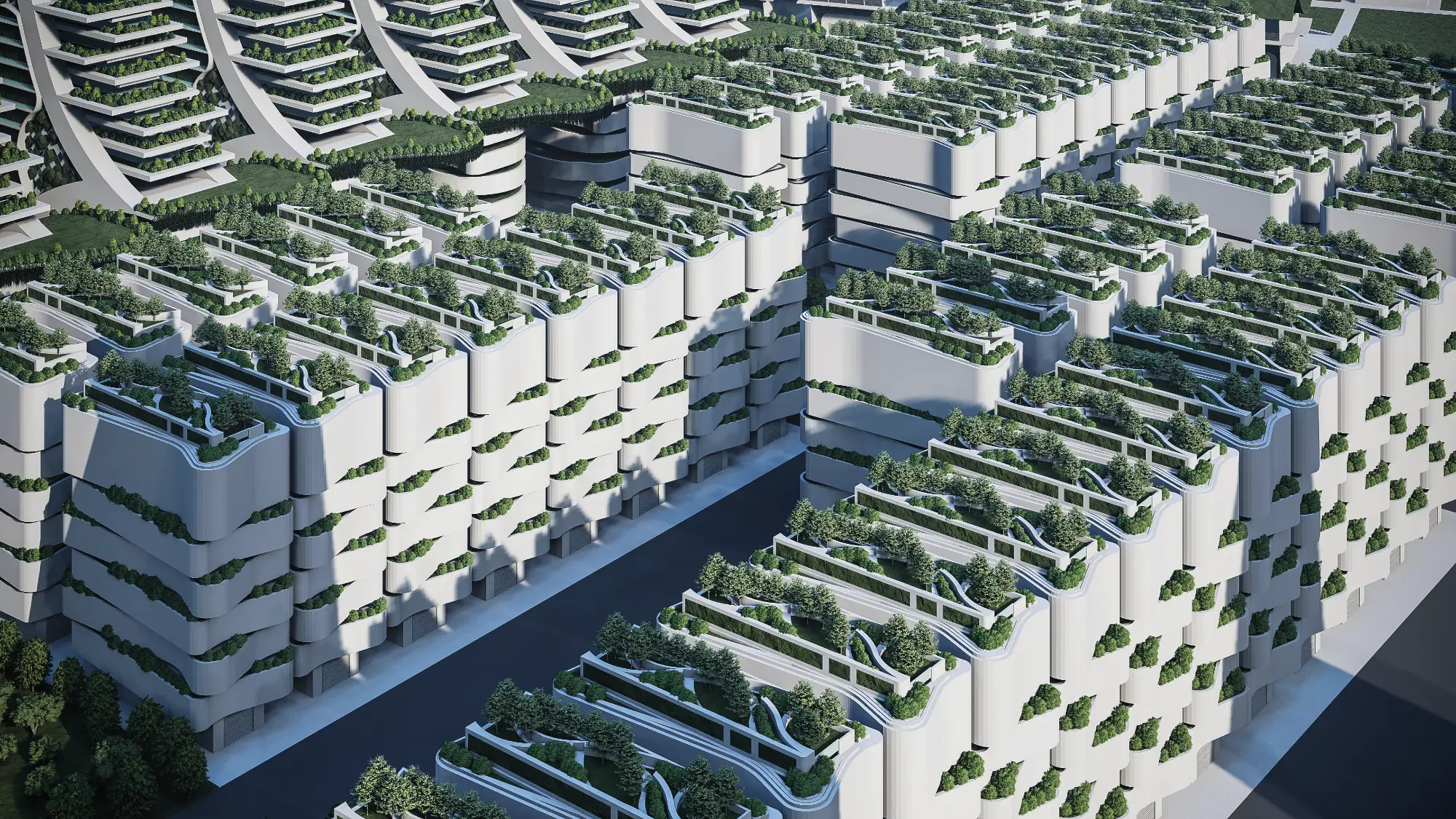
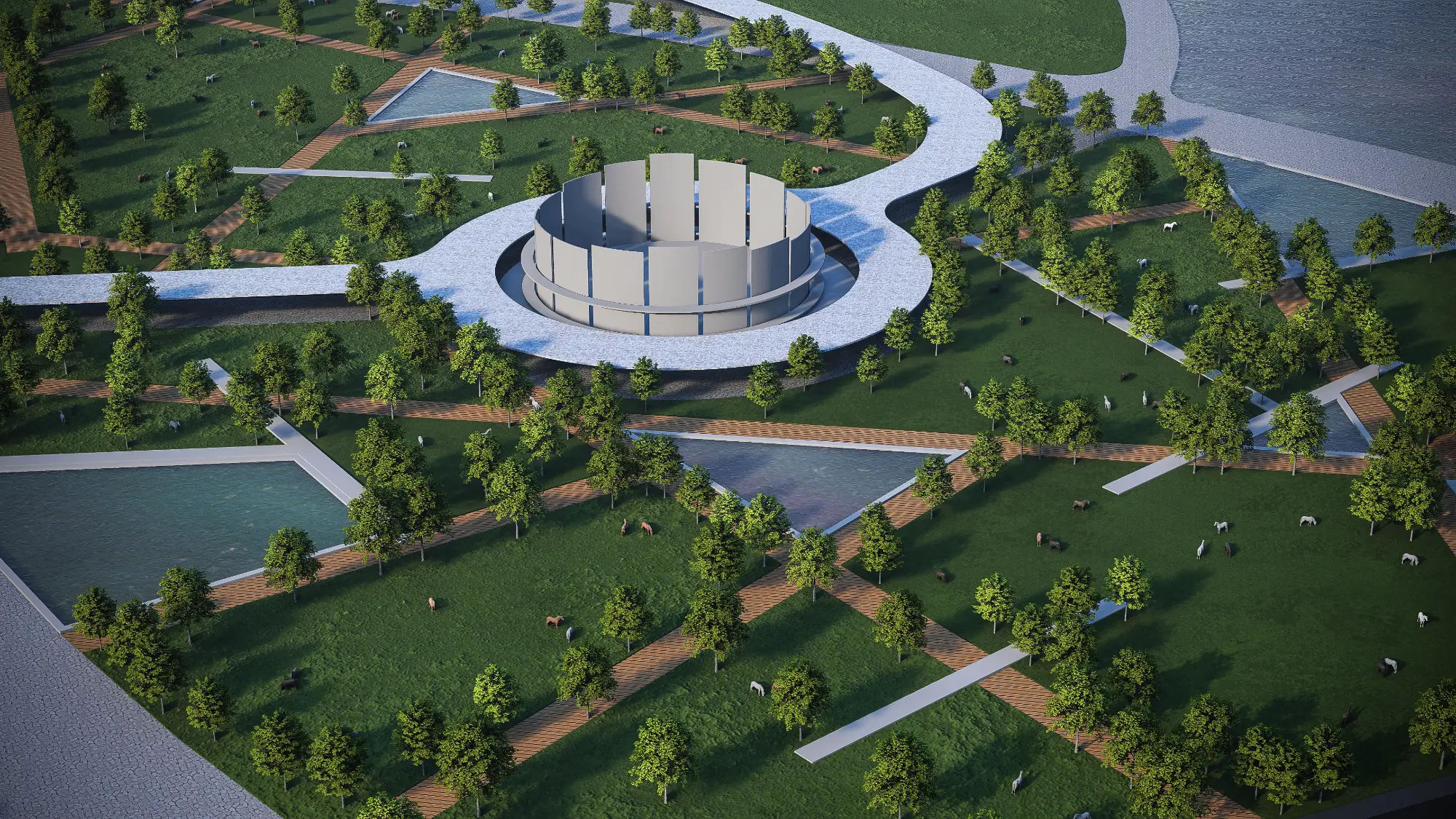
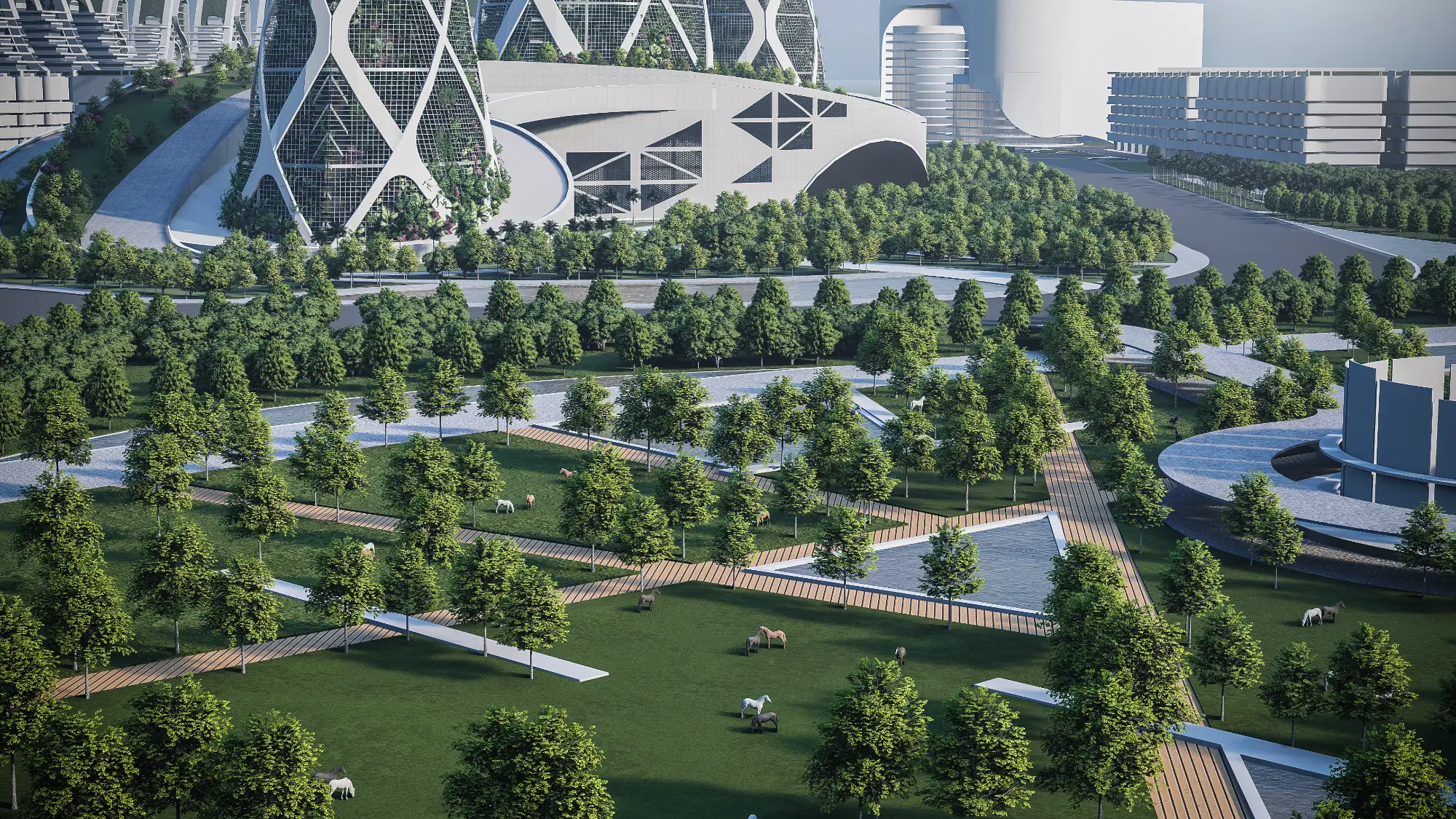
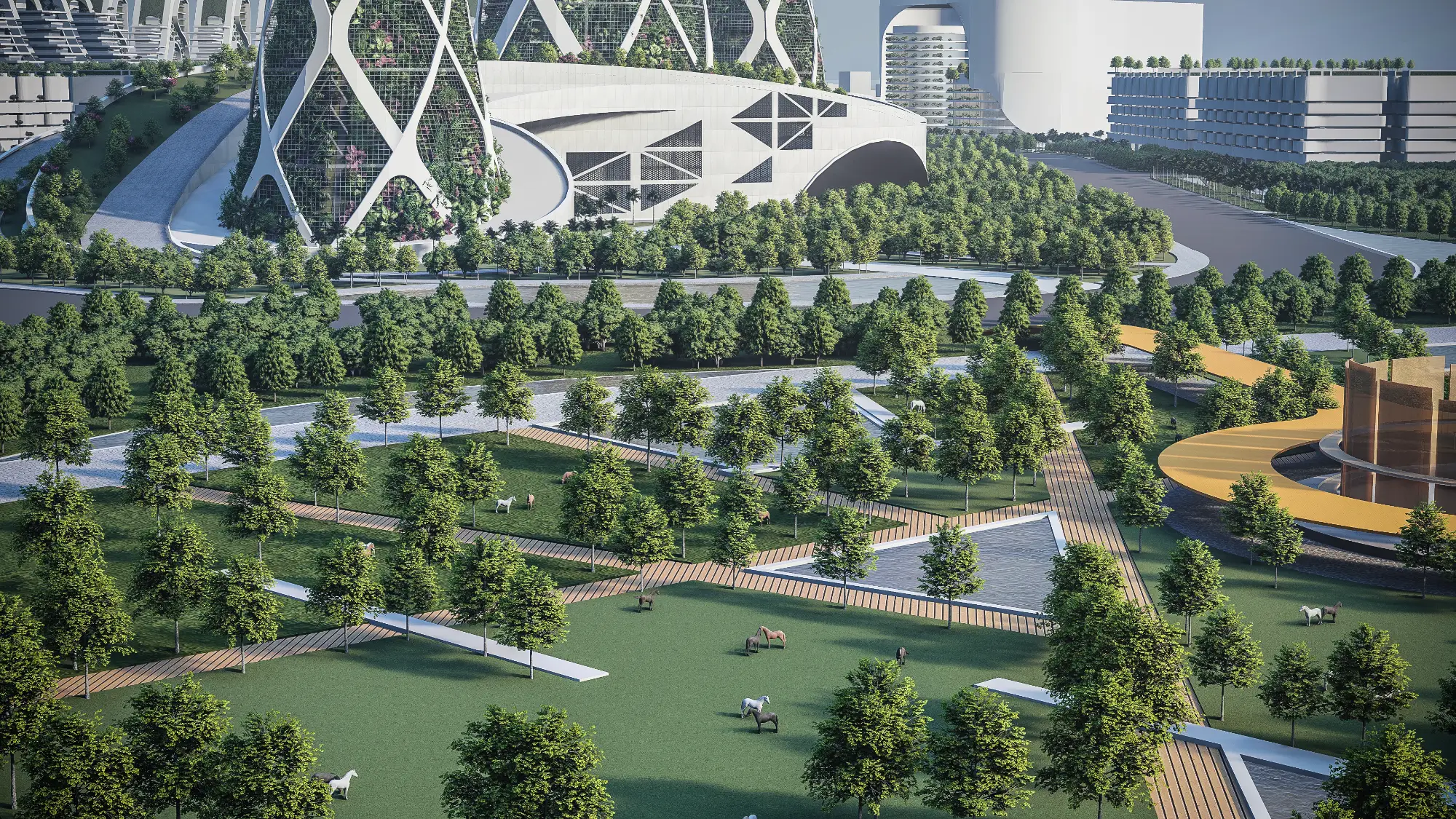
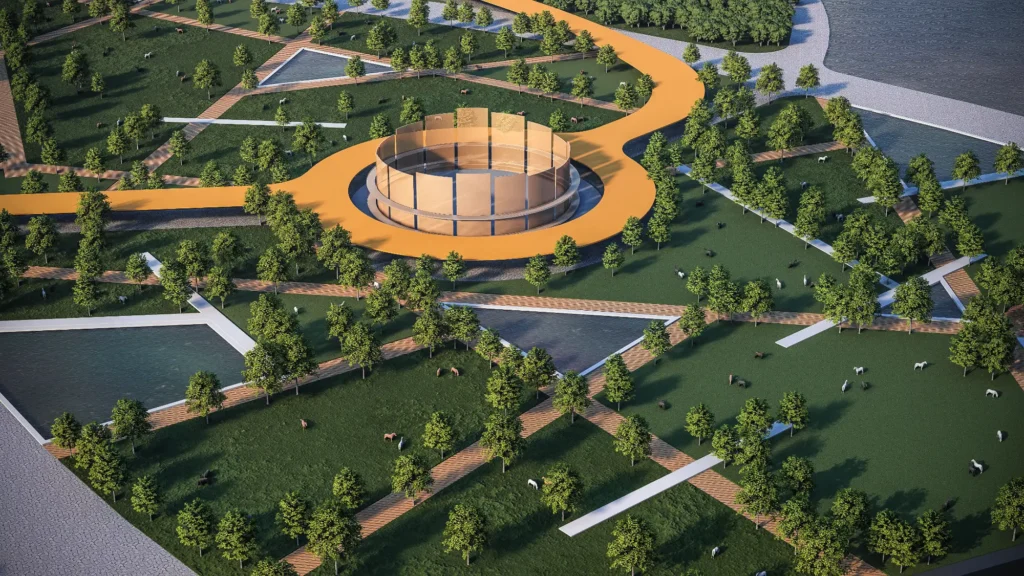
The layout organizes the complex into nine interrelated zones—trading, warehousing, mixed-use, commercial, institutional, water bodies, agricultural fields, central and pocket parks, and utilities. At the core, an innovation zone acts as the focal point, surrounded by light- to medium-industry blocks framed by green belts and native plantings. The site’s natural upward slope informs circulation and view corridors, allowing architecture and landscape to unfold in a sequence of layered experiences.
Public and leisure areas strengthen the project’s civic character. A central plaza hosts an aquaponics park, while a farm resort, eco-villages, hotel, and camping grounds extend the program beyond production into recreation and education. By fusing food technology with thoughtful urban design, the Agro-Industrial Park proposes a resilient model where agriculture, architecture, and community coexist in a sustainable, future-ready environment.
Studio Shots
Sharing Fulgar Architects unique and meta-modern architectural design studio processes and considerations for Agro-Industrial Park in Tarlac City from understanding site conditions, investment goals, planning, engineering, BIM technologies, interiors, and landscaping to construction recommendations.