












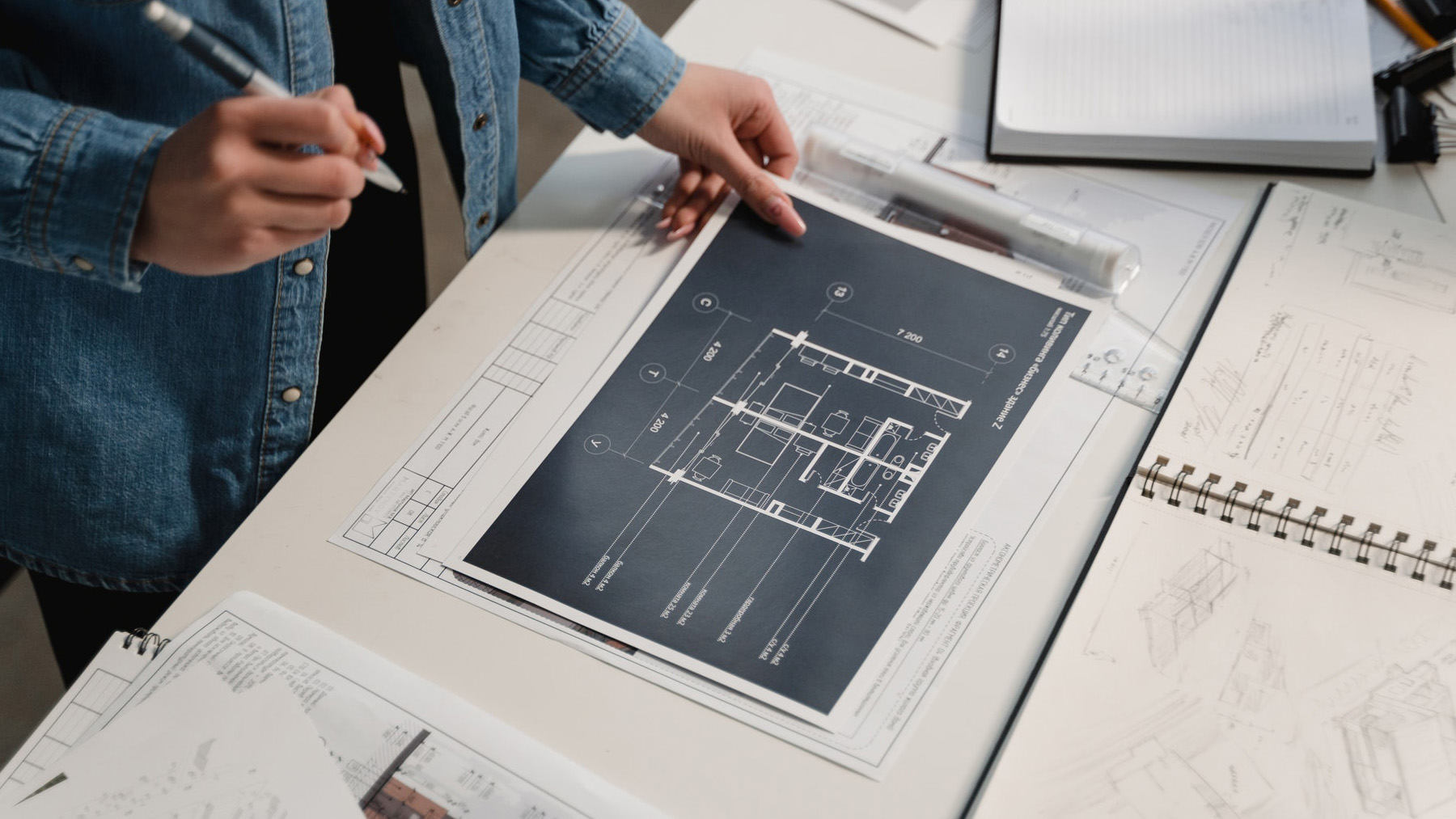
Designing commercial buildings nowadays requires, first and foremost, a well-designed and intelligent floor plan. A floor plan that creates a good flow between spaces can help increase efficiency and maximize the use of the building. Creating a commercial floorplan building requires consideration of several factors during architectural programming.
It would be ideal if you also had an architect on your team experienced with the technical elements of building design. There are commercial building architects in the Philippines who can aid you in creating a floor plan that is purposive and functional for your project.
What Is The Definition Of Commercial Architecture?
Designing commercial buildings may be used for various purposes, ranging from hospitals to retail outlets. Commercial refers to everything used to execute or provide a service; hence, commercial structures include offices, retail establishments, restaurants, and warehouses.
The goal of the discussion is to primarily concentrate on retail and office space since both demonstrate the critical nature of two critical commercial architecture considerations: differentiation and productivity. A well-designed location may help boost a business and captivate consumers (retail). The successful design can inspire and engage, fostering collaboration and creativity (offices).
There are different building kinds throughout multiple industries, each with architectural criteria and styles. Other forms of building design may take inspiration from educational or office building architecture.
The Process In Designing Commercial Buildings
Before sketching and starting a design, there are several considerations. Commercial architecture is a broad phrase that encompasses a diverse range of systems required by various types of tenants, from little retail stores to massive warehouses.
What can be learned from a single design cannot reduce a commercial building’s design complicated process. While regarding certain commonalities between structures throughout the design phase, no two buildings should have the same final layout. Designing any commercial establishment must consider factors such as cost, location, size, and purpose.
The Purpose Of Designing Commercial Buildings
A business building’s primary function is to host a service, purpose, or product. A design must evaluate the purpose of the building and any implementing regulations. While this may seem self-evident, it is possible to overlook essentials when intricate details need considerable attention.
Designing commercial buildings requires sound planning and good infrastructural performance. Consider the space’s intended function and the users. Determine the general types of users who will interact with the building and why. Any architect designing a commercial structure should appreciate and consider their client’s vision and demands. Don’t forget to include a stockroom and unique display strategies if they need a store design. Consider the number of departments and the possibility of collaborative work when building office space. Understanding how the business will utilize a commercial building is critical in determining its purpose.
Analyze The Users Of Commercial Buildings
No one building design can fulfill all purposes. An architect should create distinctively and adapt to each project. Layouts are designed with a particular consumer in mind when designing commercial buildings. On the other hand, hospitals may need to accommodate a variety of departments and medical staff that work on different levels. The same mold does not apply to office buildings and retail spaces. The intention is more open and experimental with the assigned architectural program.
People’s interactions with commercial buildings vary considerably and should be fundamental in any design. If you’re building a commercial facility, you may choose to include an eye-catching facade to earn attention. The facility’s intended use is self-evident. The business aims to attract potential customers and entice them to make purchases. Open spaces, natural light, and air circulation may all be used in office building designs to stress the psychological impact of a well-designed structure on employees’ mental health and motivation.
Consider the Effects of Surroundings on Commercial Building Designs
It is critical to consider whether the structure will stand out or integrate into its surroundings when designing commercial buildings. Being distinctive may be necessary for companies seeking to acquire customers or maintain their established style. However, it might be beneficial to develop a business structure that complements its surroundings. On certain occasions, it may be wise to avoid controversy and protest by building with the same material as the surrounding region.
Without being overt, subtle design features like modern aluminum or glass cladding create aesthetically beautiful facades. Different types of the building envelope are available nowadays, not just plain cement or plaster. New finishes can imitate natural stones, metals, and even wood. The new options have greatly expanded the range of choices for architects and building owners regarding appearances and costs. Some new cladding innovations offer an appealing natural look and are carbon neutral. Additionally, designing commercial buildings may use them to improve or adhere to environmental regulations.
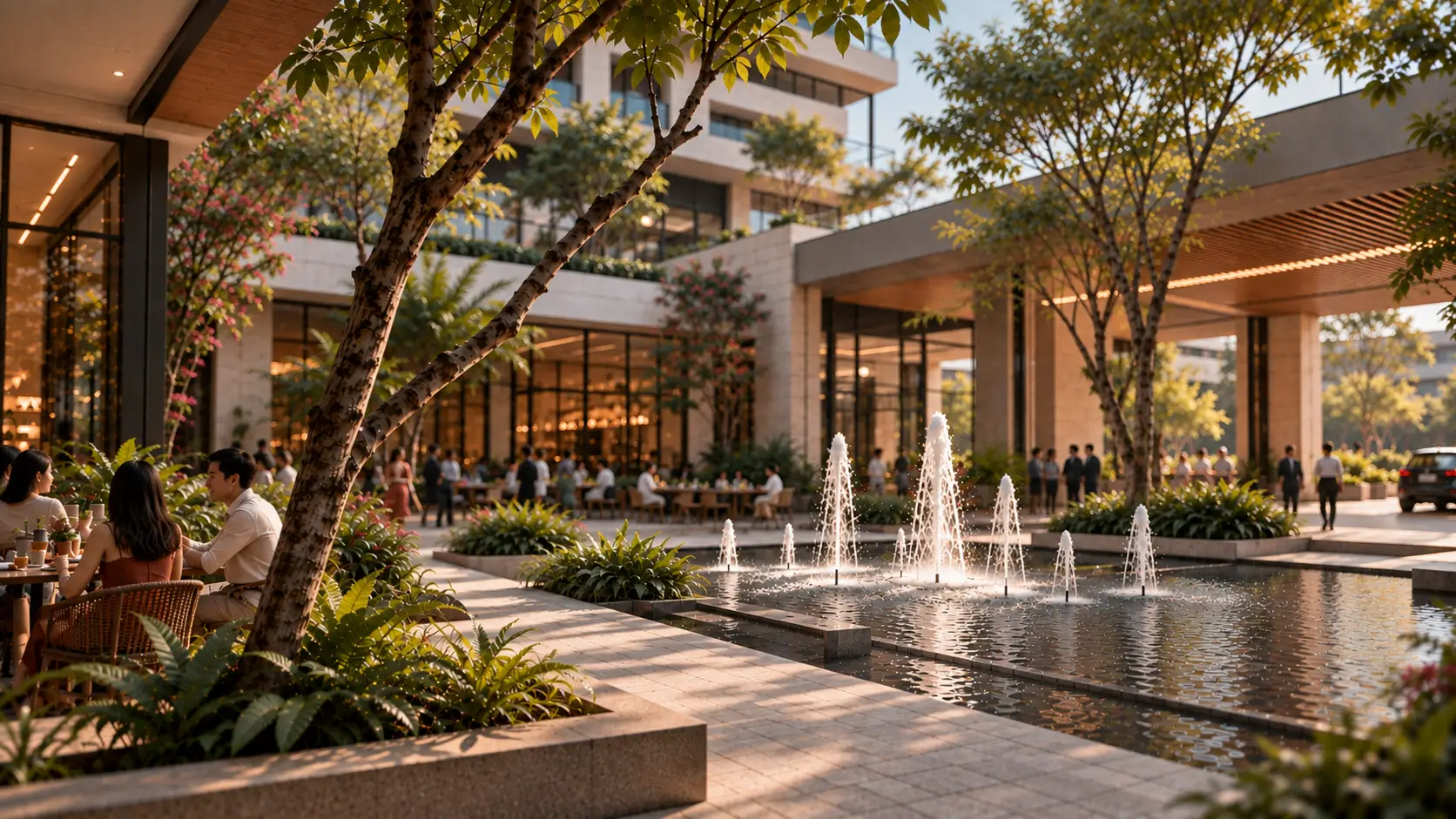
Integrating nature into the architecture of a commercial building is one method to bring the outside indoors. It may provide more space and may positively influence mood and productivity. The term “inside-outside architecture” refers to this expanding tendency. It makes use of the outside while promoting well-being and keeping the inside private.
Alternative Ideas To Designing Commercial Buildings
When creating a business, you must show the merchandise clearly and entice consumers toward the registers. The design tasks involved could even be fun and exciting. If the commodity is good wines, a wine cellar may appear with cave-like ceilings or underground tunnels. Recreate the simplicity of natural items in a business offering healthcare products by using natural light and flora. A workshop may demonstrate automobile equipment and machines in an industrial atmosphere.
Customers passing by will notice the commercial building’s unique characteristics. The design of enterprises is not without its eccentricities.
Distinctive business structures attract clients and consumers, but they may also reflect the brand. If a corporation aspires for its flagship location or corporate headquarters to represent its forward-thinking, futuristic brand, it should do so. Businesses devoted to sustainability may want to pursue environmentally-friendly commercial building designs. They may employ natural ventilation and environmentally friendly materials to mitigate the building’s effect. Commercial structures, particularly those utilized for shopping and exhibits, can be original and daring. They lend to the development and maintenance of a company’s brand.