













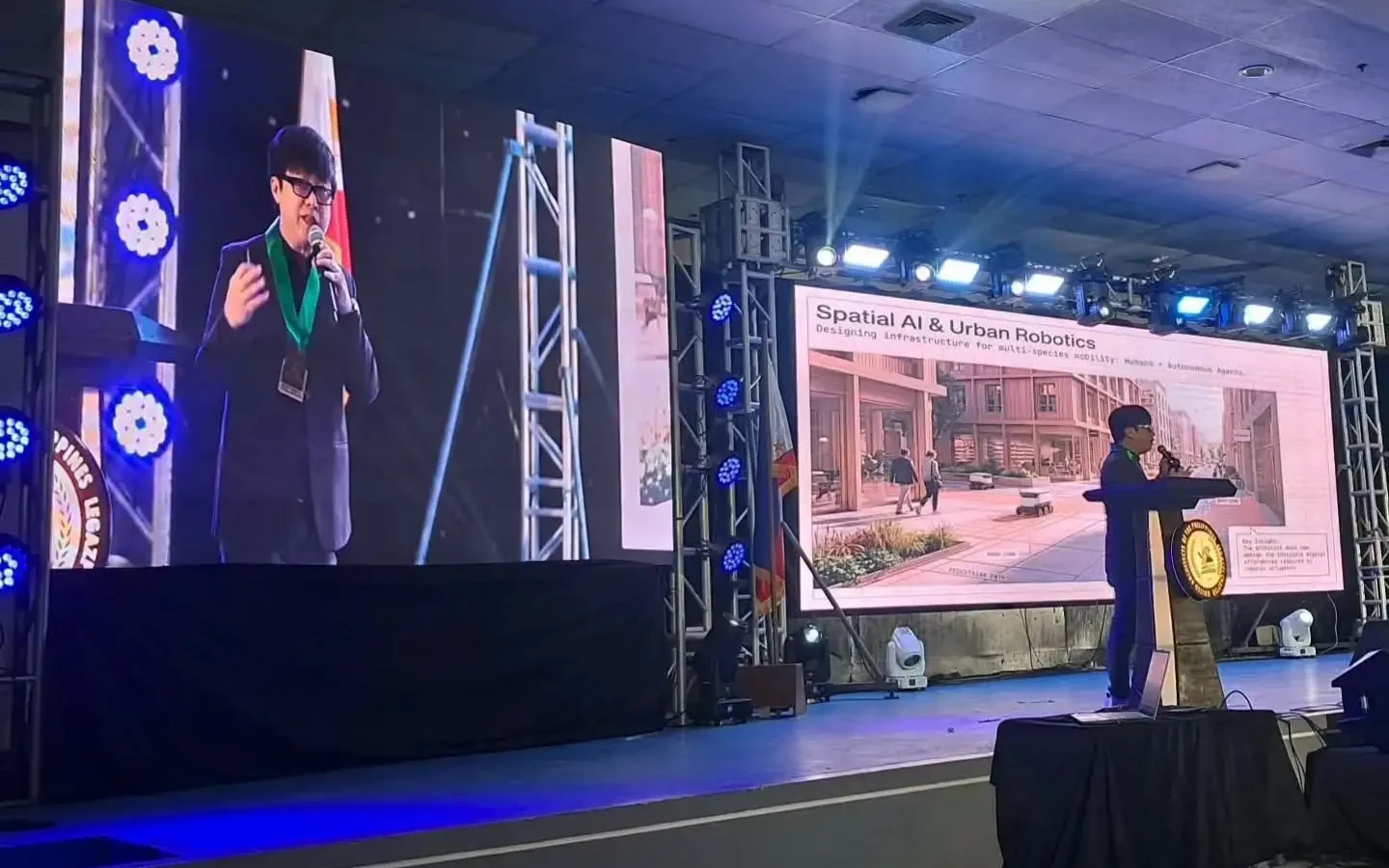
The United Architects of the Philippines Legazpi Chapter convened professionals across Albay and neighboring provinces for LECONEX 2026, held at the Legazpi City Convention Center. Organized as a premier regional platform for professional growth and industry collaboration, the conference centered on emerging technologies shaping modern spatial development. Keynote speaker Ar. John Ian Lee Fulgar, Principal of Fulgar Architects, delivered a pivotal presentation titled “The Architect in the Rise of Intelligent Real Estate,” examining the integration of artificial intelligence within contemporary design and property development.
His discussion detailed how artificial intelligence functions as a strategic extension of architectural practice rather than a replacement for human creativity. By leveraging computational design tools, predictive analytics, and data-driven spatial planning, architects can evaluate complex site conditions, optimize building performance, and maximize long-term asset value. Fulgar emphasized that intelligent real estate relies on these advanced digital workflows to create developments that respond dynamically to market demands, environmental factors, and operational efficiency.
The presentation provided regional practitioners with actionable insights into elevating architectural services within growing economic corridors. As regional hubs like Legazpi experience rapid urbanization, the application of computational workflows allows local architects to lead high-value development strategies. By bridging advanced technology with practical construction realities, practitioners can position themselves as key advisors in shaping smart, resilient, and commercially viable real estate projects.

LECONEX 2026 highlighted the evolving responsibility of architects in an increasingly digital development landscape. The insights shared during the conference establish a forward-looking benchmark for regional practice, demonstrating how technology enhances spatial design across the Philippines. Moving forward, the adoption of intelligent design principles ensures that regional developments remain competitive, sustainable, and aligned with global standards.