












In the dynamic world of real estate, the significance of unique architecture designs makes a difference in competitiveness. They are the cornerstone of signature urban landscapes, shaping cities and influencing market lifestyles. Exceptional architecture is more than just a visual spectacle; it is a testament to human creativity and innovation, a reflection of cultural narratives, and a key driver in the real estate market.
The Elements of Unique Architecture
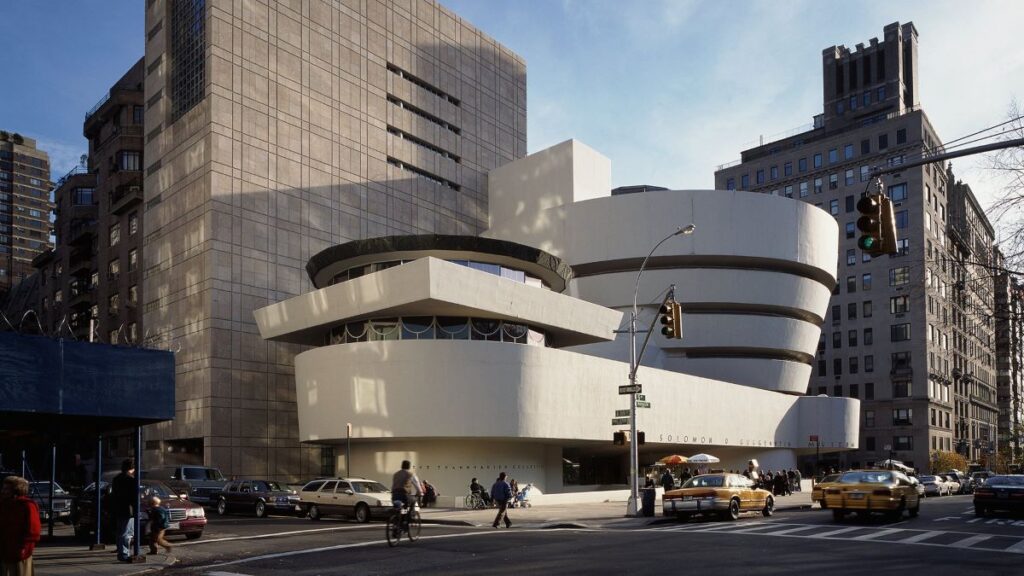
A blend of innovative design, cultural relevance, and sustainability characterizes unique architecture designs. They push the boundaries of conventional design, offering fresh perspectives and solutions. For instance, the Hagia Sophia in Istanbul, a marvel of Byzantine architecture, showcases the innovative use of dome construction and intricate mosaics. On the other hand, the Guggenheim Museum in New York, envisioned by Frank Lloyd Wright, is a testament to the power of organic architecture, with its spiraling form and seamless integration with the urban fabric.
A blend of innovative design, cultural relevance, and sustainability characterizes unique architecture designs. They push the boundaries of conventional design, offering fresh perspectives and solutions. For instance, the Lotus Temple in New Delhi, India, is a remarkable example of unique architecture. Its flowerlike shape comprises 27 free-standing marble-clad “petals” arranged in clusters to form nine sides. This Baha’i House of Worship has won multiple architectural awards and has been featured in many newspaper and magazine articles for its unique design.
In Asia, the Marina Bay Sands in Singapore is another iconic example of unique architecture. Moshe Safdie’s design features three 55-story hotel towers connected by a 1-hectare sky terrace on the roof, named Sands SkyPark. This architectural masterpiece has transformed Singapore’s skyline since its completion in 2010.
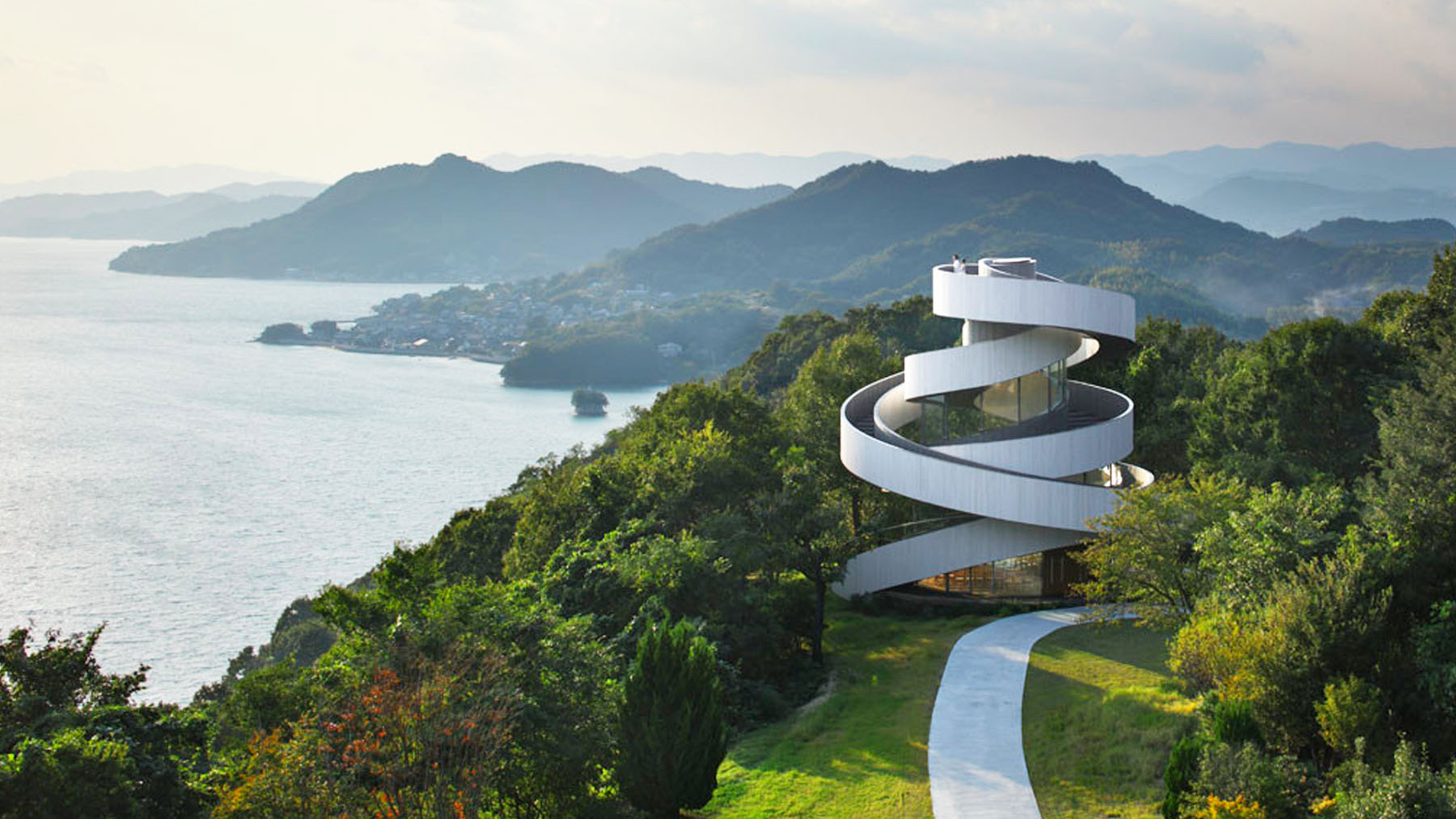
In Japan, the Ribbon Chapel, designed by Hiroshi Nakamura & NAP, is a wedding chapel set in a garden of a hotel resort, ‘Bella Vista Sakaigahama,’ in Onomichi, Hiroshima. The twin stairways wind up separately to meet at the top, uniting as one, symbolizing the act of marriage.
These examples showcase the diversity and innovation inherent in unique architecture designs, demonstrating how they can transform landscapes and enrich our lived experiences.
Unique Architecture in Various Real Estate Typologies
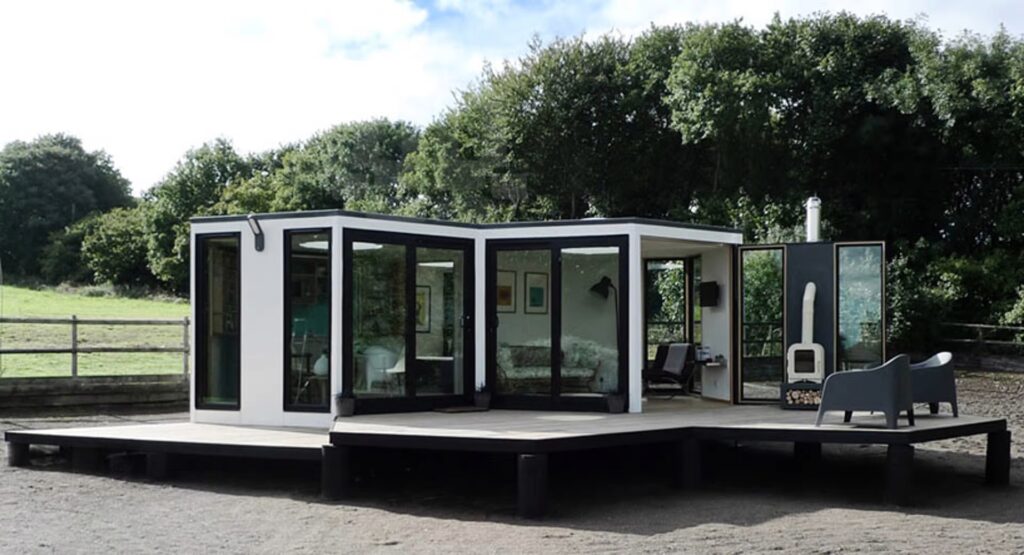
Applying unique architecture designs extends across various typologies of real estate projects. In the residential sector, unique designs enhance the aesthetic appeal and improve functionality and livability. For example, the Barbie Dream House, with its Barbie-inspired plans, offers a playful and imaginative take on residential design. In the commercial sector, unique architecture can create iconic landmarks that enhance brand identity and attract customers. A case in point is the Modular Hexagonal Home by Barry Jackson, which uses a honeycomb structure to create a flexible and efficient commercial space.
The Competitive Edge: Unique Architecture in Today’s Real Estate Market
In today’s competitive real estate market, unique architecture designs offer a distinct advantage. They create value by enhancing properties’ aesthetic appeal and functionality, attracting buyers and investors. Moreover, unique designs can contribute to sustainable development, a growing priority in the real estate industry. For instance, energy-efficient designs can reduce operational costs and environmental impact, making properties more attractive to eco-conscious buyers and investors.
Creating Landmarks: The Role of Designers in Shaping Unique Architecture
Designers are the visionaries behind our urban landscapes, crafting unique architecture designs that define our cities and inspire our imaginations. Their role extends beyond the drafting table; they are the orchestrators of space, form, and function, shaping how we interact with the built environment.
One such visionary is Dencity, a design firm that exemplifies the role of designers in creating unique architecture. Dencity’s approach to design is rooted in a deep understanding of architecture’s emotional and technical elements. They believe each project is unique, and they use their training as architects to weave these elements into one cohesive, livable design1. This approach underscores the importance of understanding the client’s needs and aspirations, the site’s context and constraints, and the potential of architectural technology.
Designers also play a crucial role in pushing the boundaries of what is possible in architecture. They experiment with new materials, technologies, and design methodologies, constantly seeking innovative solutions to architectural challenges. For instance, the use of parametric design tools has opened up new possibilities for creating complex, organic forms that were previously unimaginable. Similarly, advances in sustainable design technologies are enabling architects to conceive buildings that are not only visually stunning but also environmentally friendly.
Moreover, designers are responsible for ensuring their creations resonate with their communities. They must consider the cultural, historical, and social context of their designs, ensuring that they contribute positively to the urban fabric and foster a sense of identity and belonging.
Promoting Unique Architectural Designs
Unique architecture designs are more than just a preferential appeal. They are a strategic tool in the real estate market, a catalyst for sustainable development, and a testament to human creativity and innovation. As we look to the future, architects and designers in the Philippines must continue to question the boundaries of design, creating unique landmarks that inspire, engage, and endure.