












Article Summary
- Buildings that remain useful over decades are designed to absorb change rather than resist it.
- Early architectural decisions around structure, services, and circulation determine how easily spaces can adapt.
- Adaptable design supports long-term relevance for residential and commercial buildings across shifting markets.
Change is now a constant in development, not an exception. Designing for adaptability over time treats uncertainty as an inherent condition rather than a problem to be avoided. When architecture addresses change directly, buildings stay useful as economic, social, and operational needs shift.
Instead of predicting the future, adaptable architecture creates spaces and structures that can support diverse uses. This approach allows buildings to remain relevant because they are not locked into a single market, tenant profile, or organizational model. For residential and commercial buildings developed over long timelines, adaptability becomes a practical form of resilience.
Adaptability as a Design Discipline
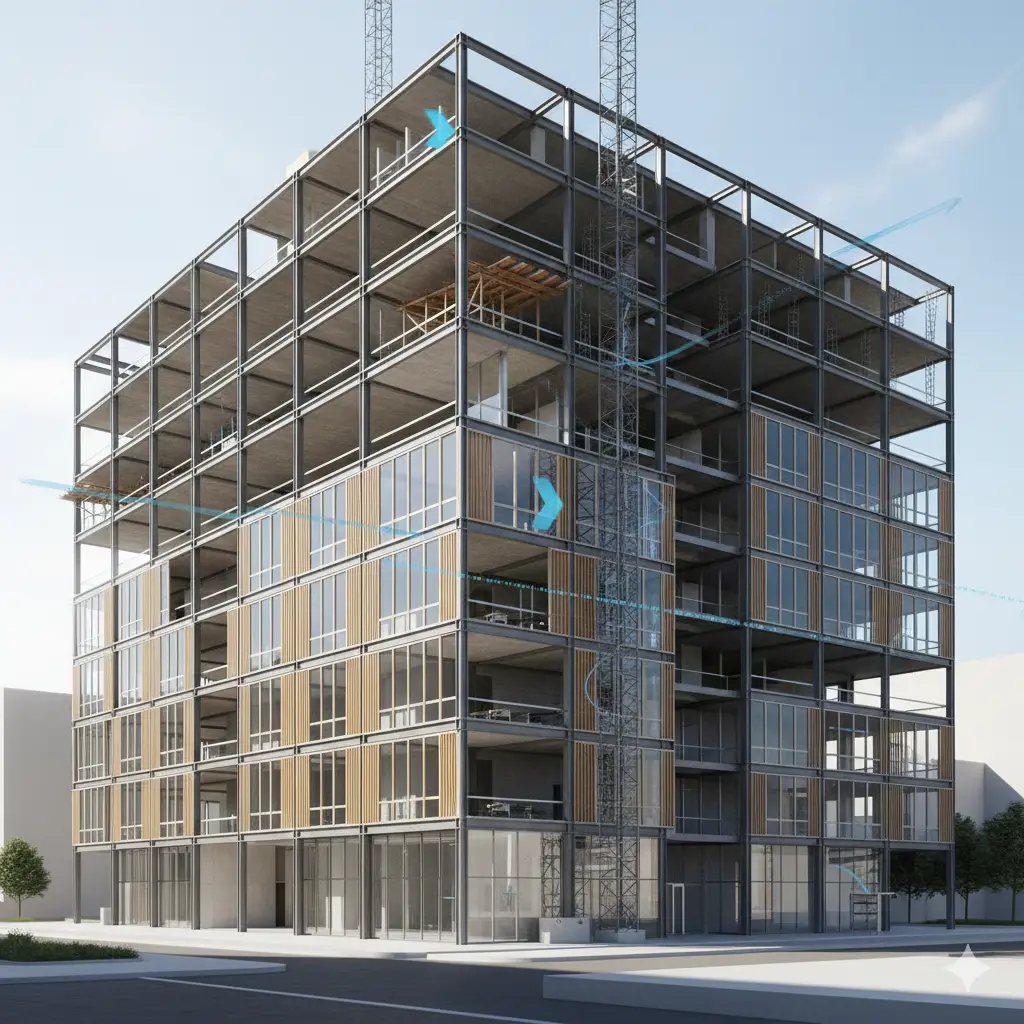
Adaptability begins with technical decisions made early in the process. Structural grids, floor heights, and service layouts determine whether spaces can be easily reconfigured later, long before tenants or programs are assigned.
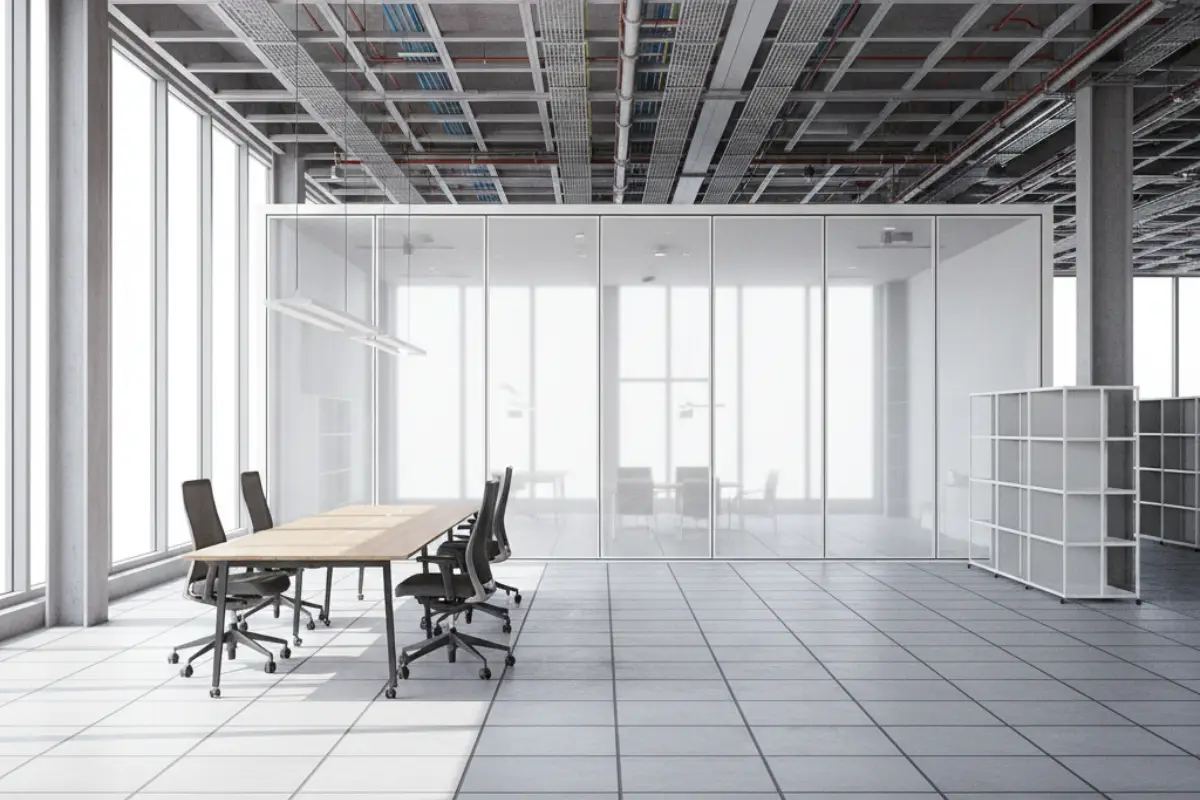
Treating adaptability as a discipline prevents over-specialization. Clear structural spans, generous floor-to-floor heights, and organized service zones allow spaces to change use without losing spatial quality. This restraint keeps buildings relevant while preserving clarity and function, a priority for any commercial building architect working on long-life assets.
Responding to Shifting Market Conditions
Market cycles rarely align with development timelines. Residential demand fluctuates, office formats evolve, and hospitality models respond to broader economic conditions. Architecture that supports adaptability allows projects to respond incrementally rather than through disruptive overhauls.
This responsiveness protects long-term investment by extending a building’s usefulness. Adaptable buildings retain occupancy and relevance, while rigid ones struggle as their original market fades. For an architecture firm in the Philippines, where projects often unfold in phases, adaptability reduces exposure to volatility.
Phasing and Incremental Growth
Large developments are rarely delivered at once. Phasing introduces time as a design factor, where early decisions influence later stages. Designing for adaptability ensures that each phase functions independently while contributing to the project’s overall evolution.
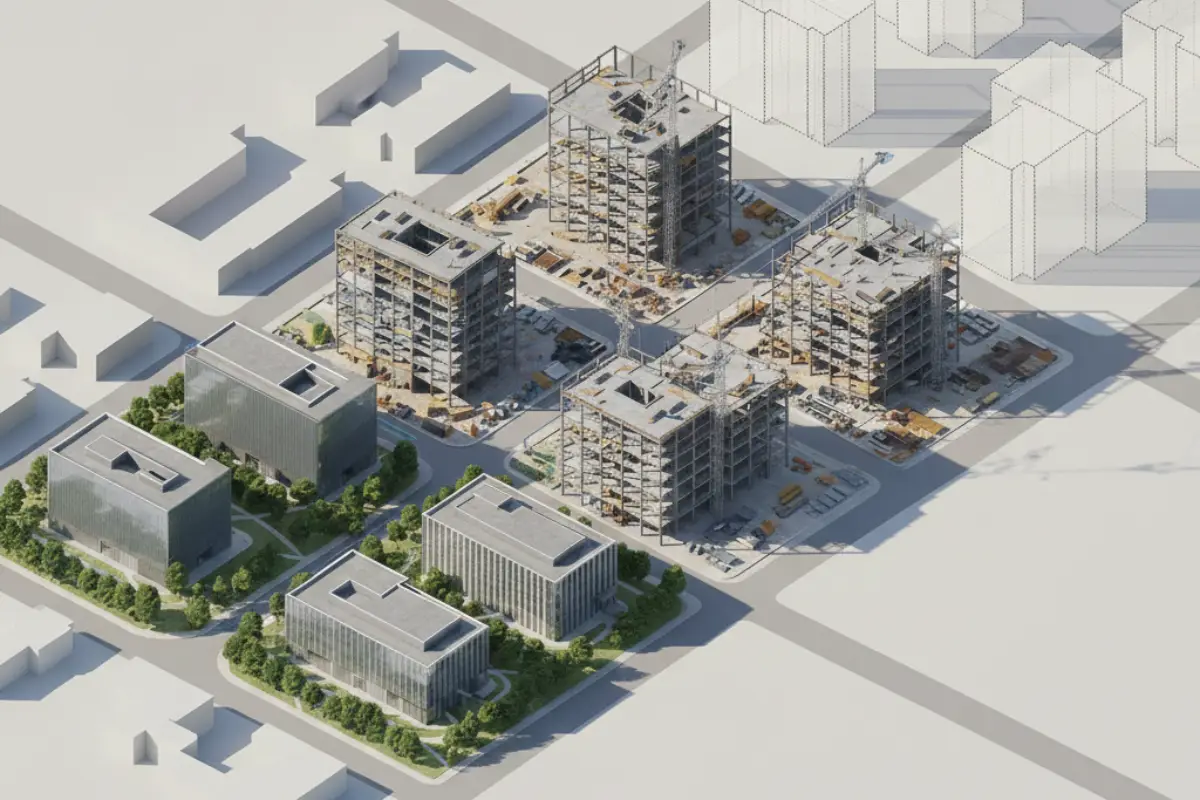
Clear strategies for circulation, infrastructure, and open space allow projects to grow coherently. Architecture maintains continuity through an underlying spatial framework, enabling expansion without fragmentation or loss of identity.
Conversion, Reuse, and Future Scenarios
The ability to convert or reuse space has become a key measure of resilience. Architecture that anticipates conversion reduces waste and capital risk. Floor plates that can shift between uses, services that can be rerouted, and structures designed to carry additional load all support long-term adaptability.
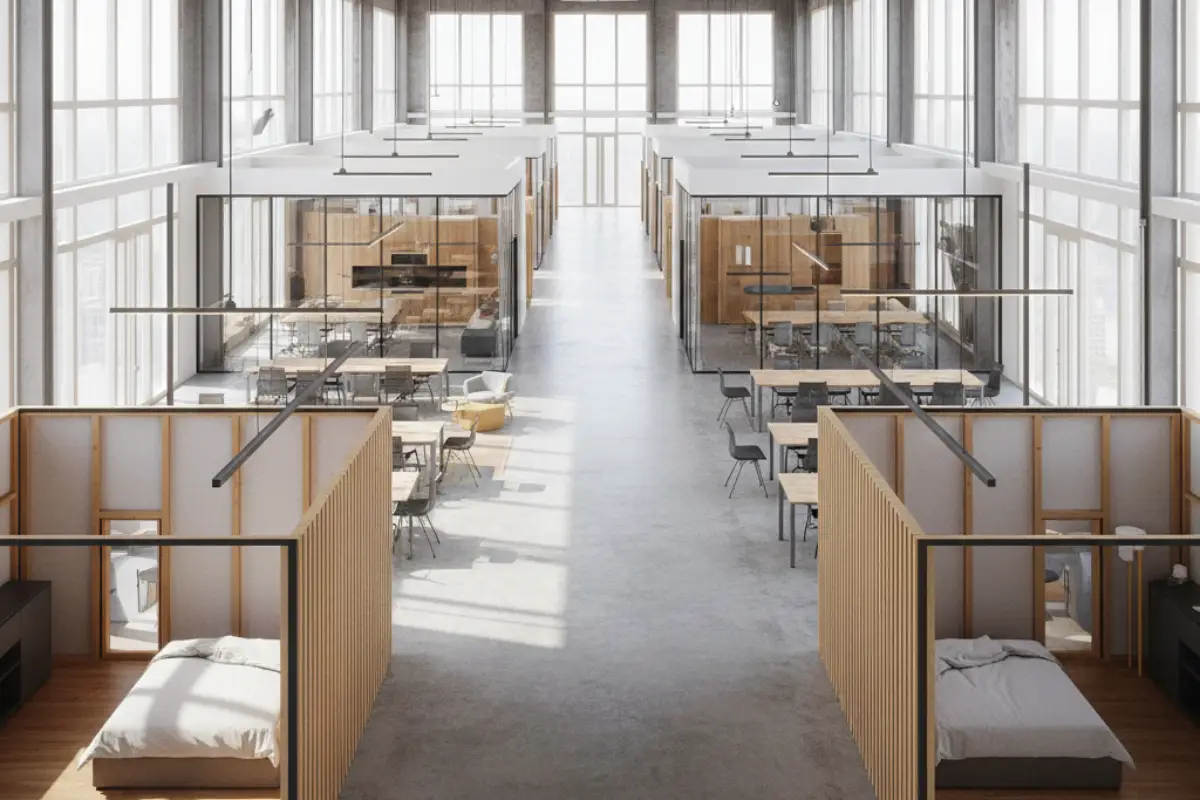
Rather than prescribing a single outcome, adaptable design maintains optionality. This flexibility allows buildings to respond to future scenarios without compromising integrity, particularly in mixed residential and commercial building contexts.
The Limits of Flexibility
Adaptability has limits. Some constraints must remain fixed for a building to function clearly. Architecture must decide which elements are adjustable and which are permanent, avoiding the illusion of total flexibility.
Disciplined adaptability balances openness to change with enough structure to support clarity. This balance allows spaces to evolve without losing usability, comfort, or identity over time.
Designing for Time
Designing for adaptability over time positions architecture as a long-term practice. Buildings are understood as participants in extended cycles rather than static objects. When design accounts for time directly, architecture supports continuity through change and relevance through restraint.
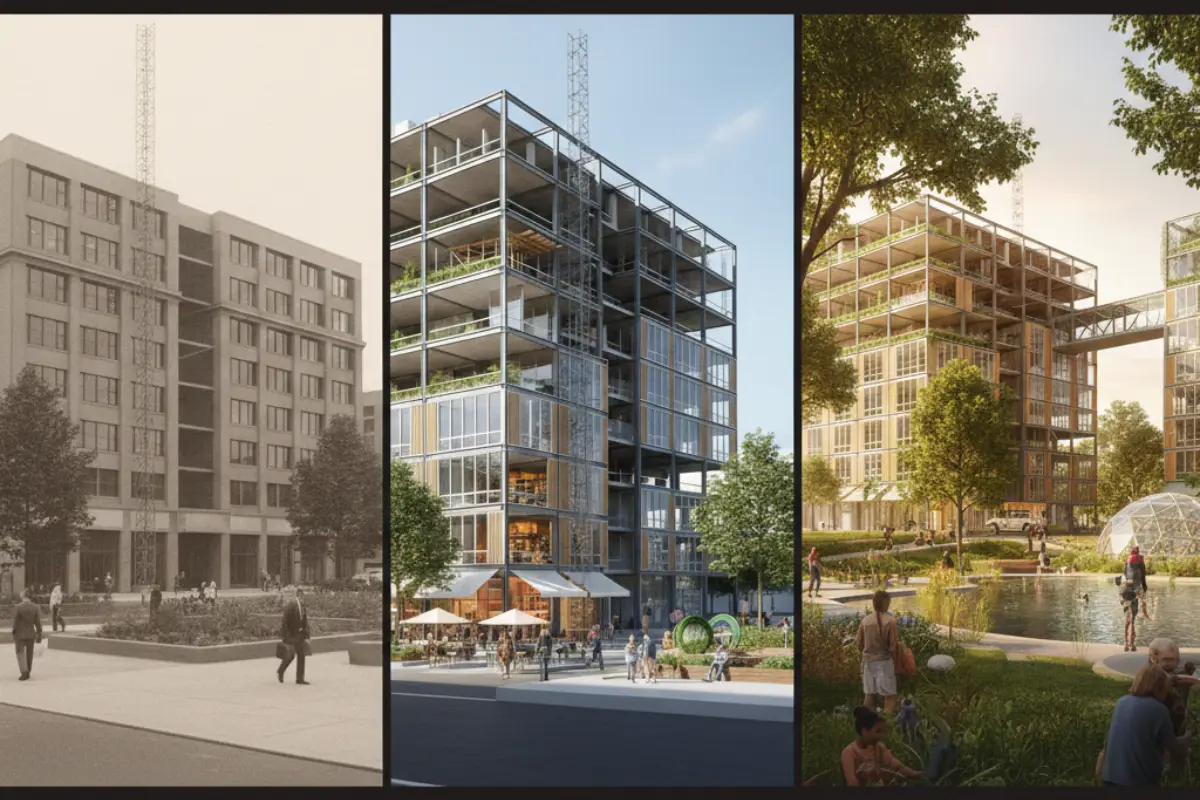
Adaptable architecture allows buildings to remain useful, legible, and valuable as needs evolve. It ensures that early design decisions continue to support performance long after initial delivery.
Adaptability is a building’s ability to change use or layout without major reconstruction.
Rapid market shifts make rigid buildings obsolete sooner, shortening their useful life.
Phasing requires early decisions that keep future options open while allowing each stage to function independently.
Short-term efficiency can conflict with long-term adaptability. Disciplined design balances these priorities.
Adaptability should be considered from the outset, as structural and service decisions define future limits.