











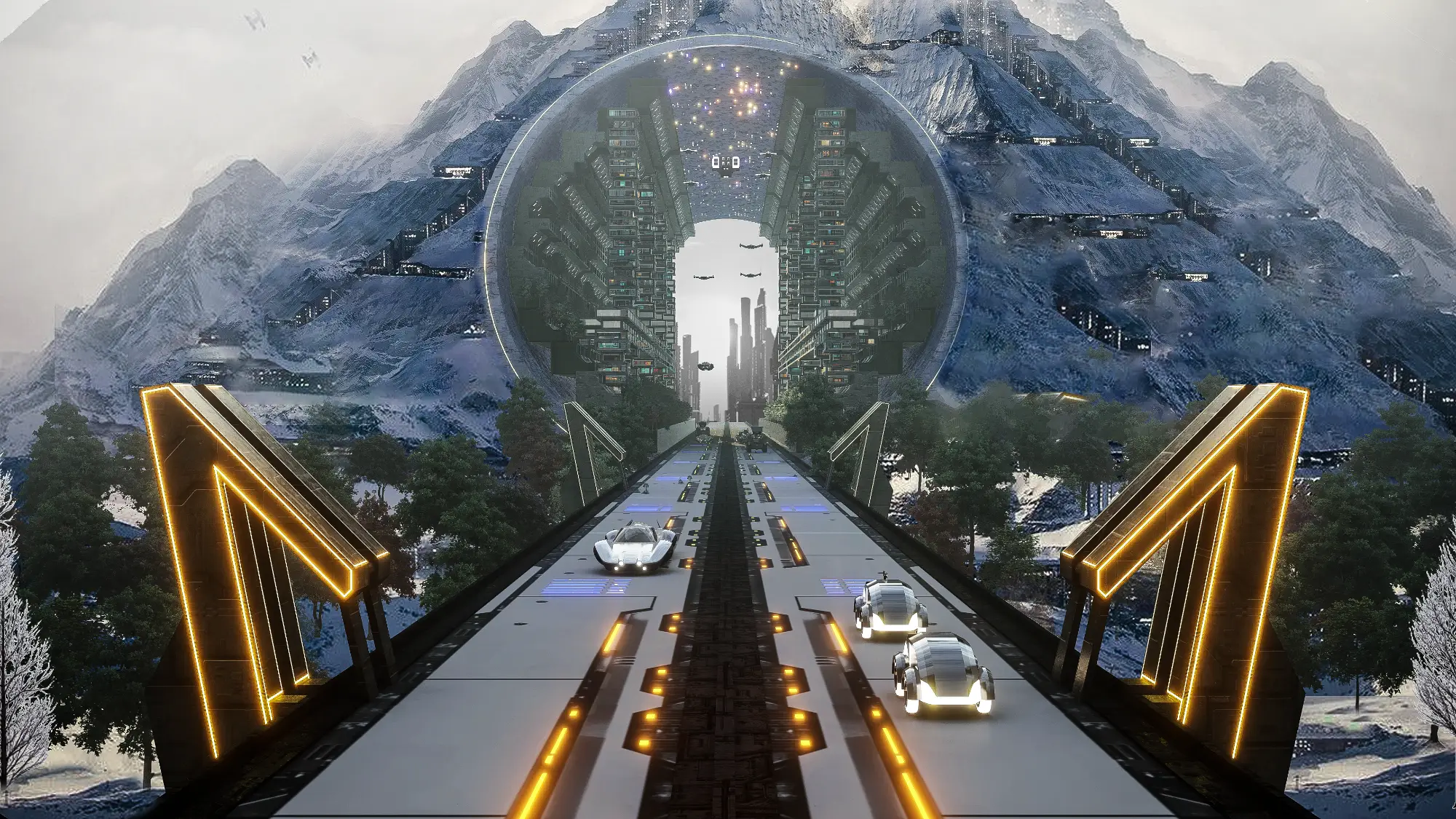
The metaverse is more than a code—it’s the next frontier of architecture, where form follows interaction.
As architects continue to explore new realms of design, the Metaverse emerges as one of the most compelling frontiers. This immersive, three-dimensional digital environment presents an expansive canvas for creative experimentation. Though the Metaverse lacks a single, unified identity, it thrives as a convergence of narratives, technologies, and spatial explorations. Within this uncharted digital landscape lies a unique opportunity to reimagine how architecture can influence not just form and function, but also behavior, interaction, and the very experience of space itself.
Responding to this evolving context, Fulgar Architects of Mandaluyong, Philippines, has developed a groundbreaking Metaverse initiative that brings architectural vision into the heart of the virtual world. Employing a generative design process, the firm has created a series of futuristic, imaginative, and highly individualized digital environments, each accessible across a wide range of devices. This initiative reflects a core belief that digital space, like physical space, deserves thoughtful, intentional design.
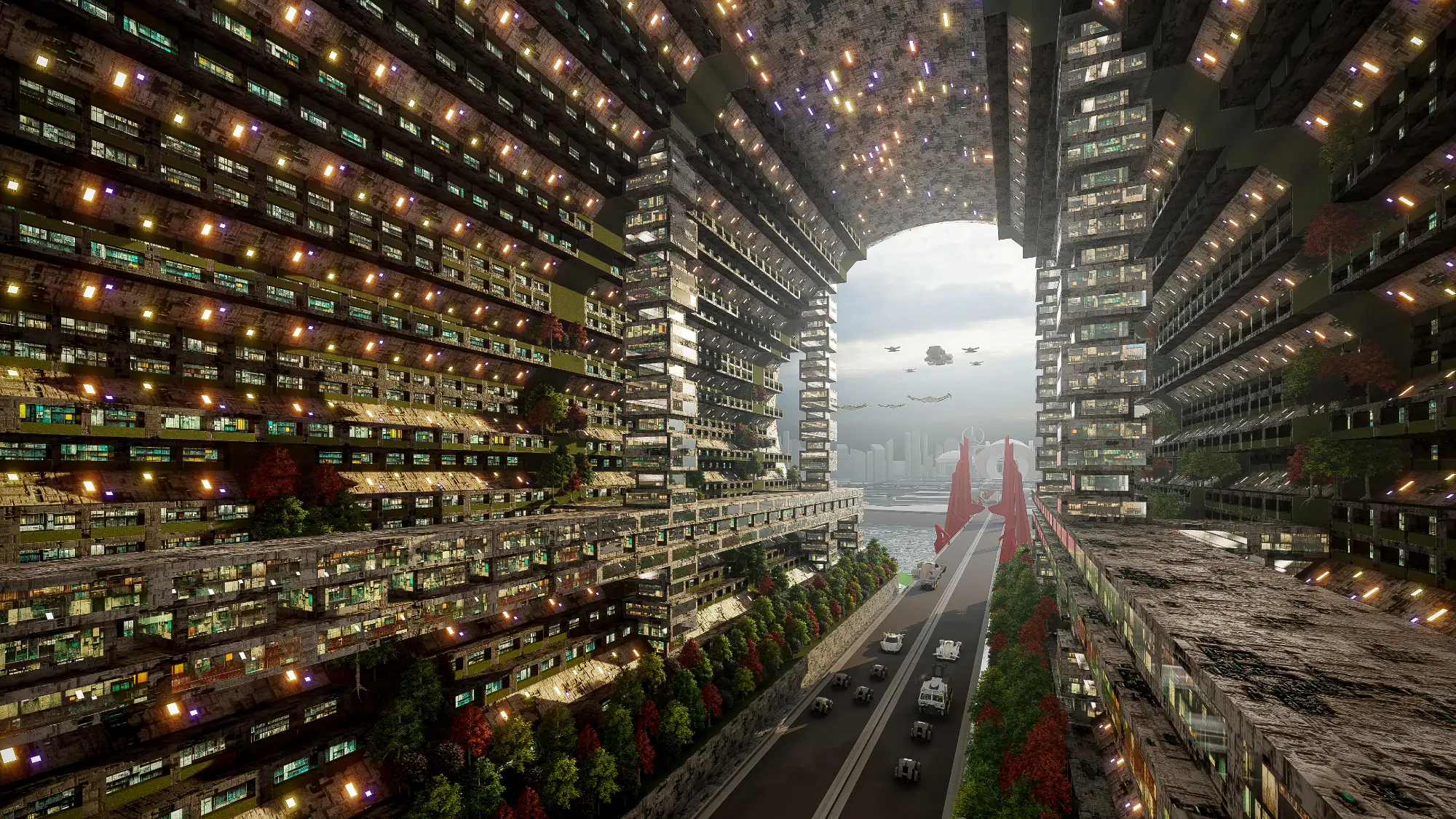
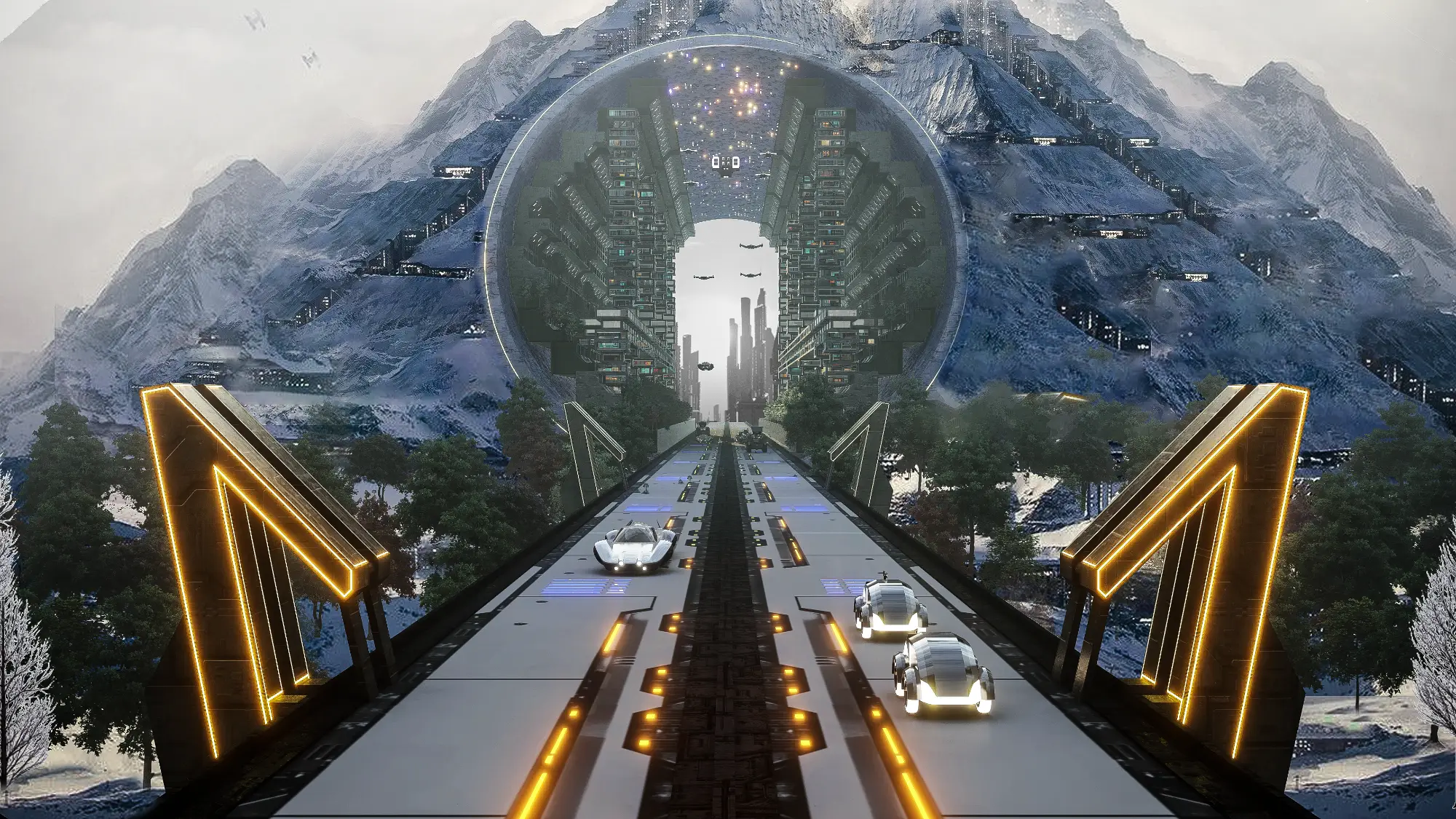
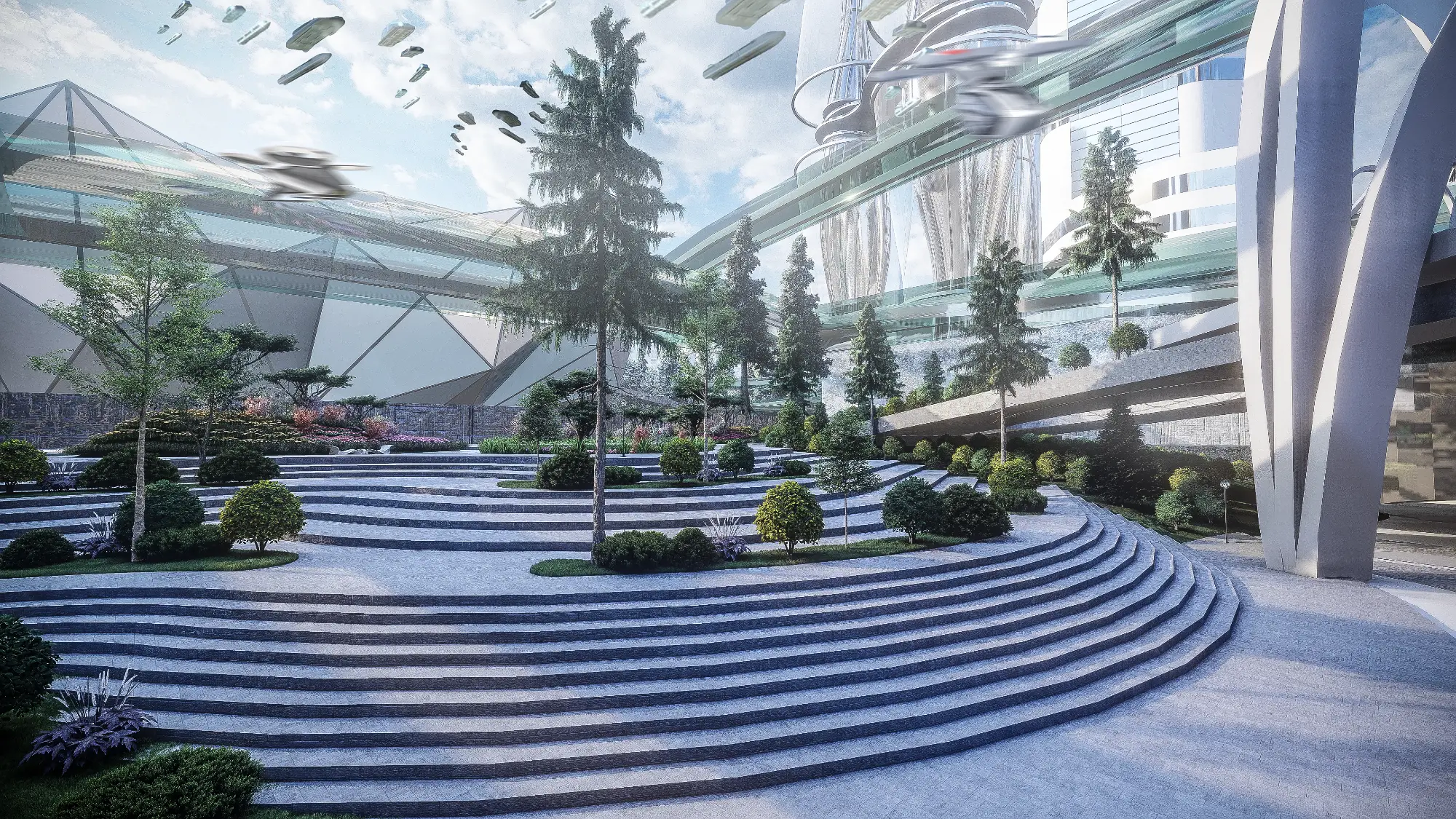
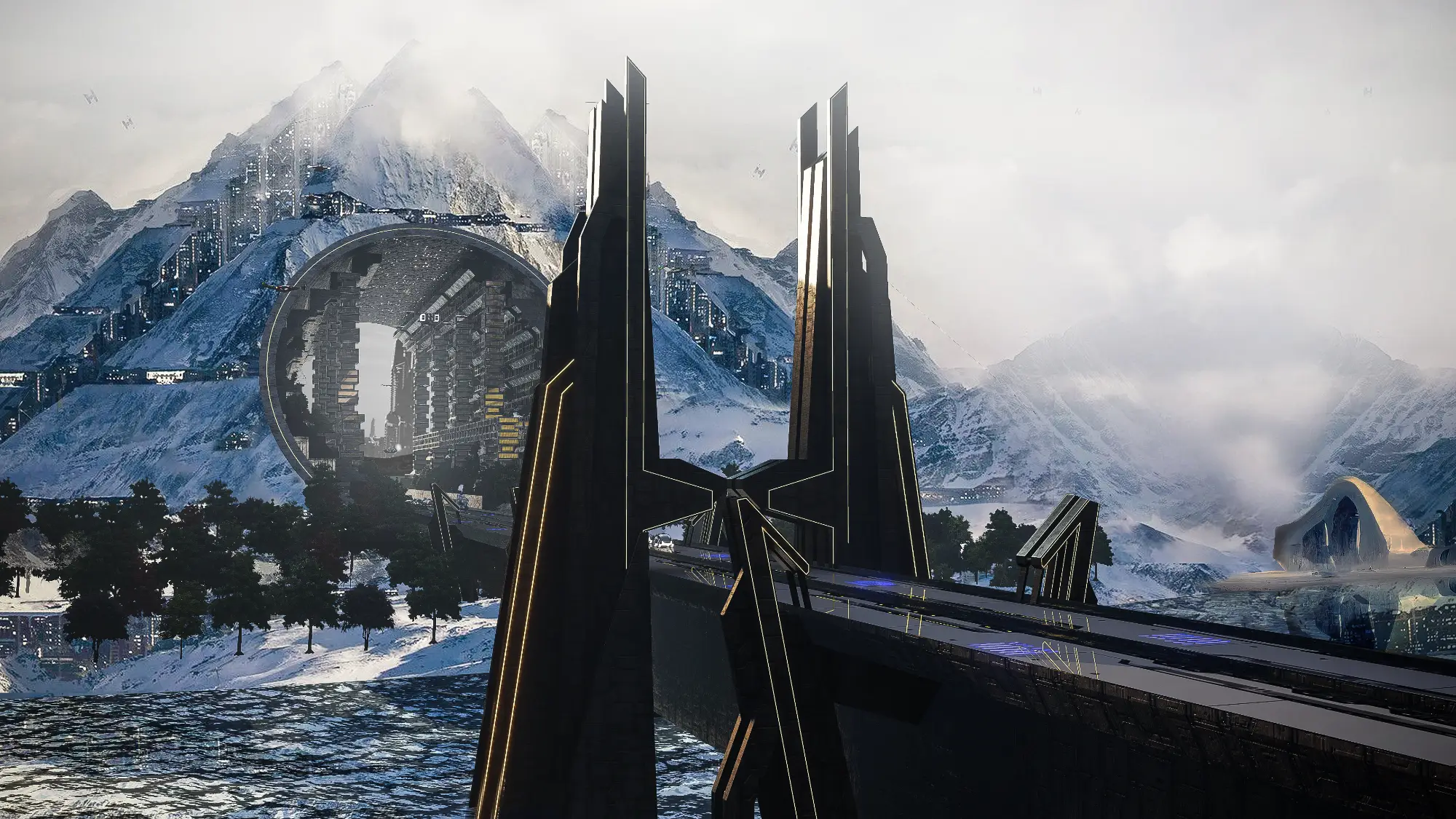
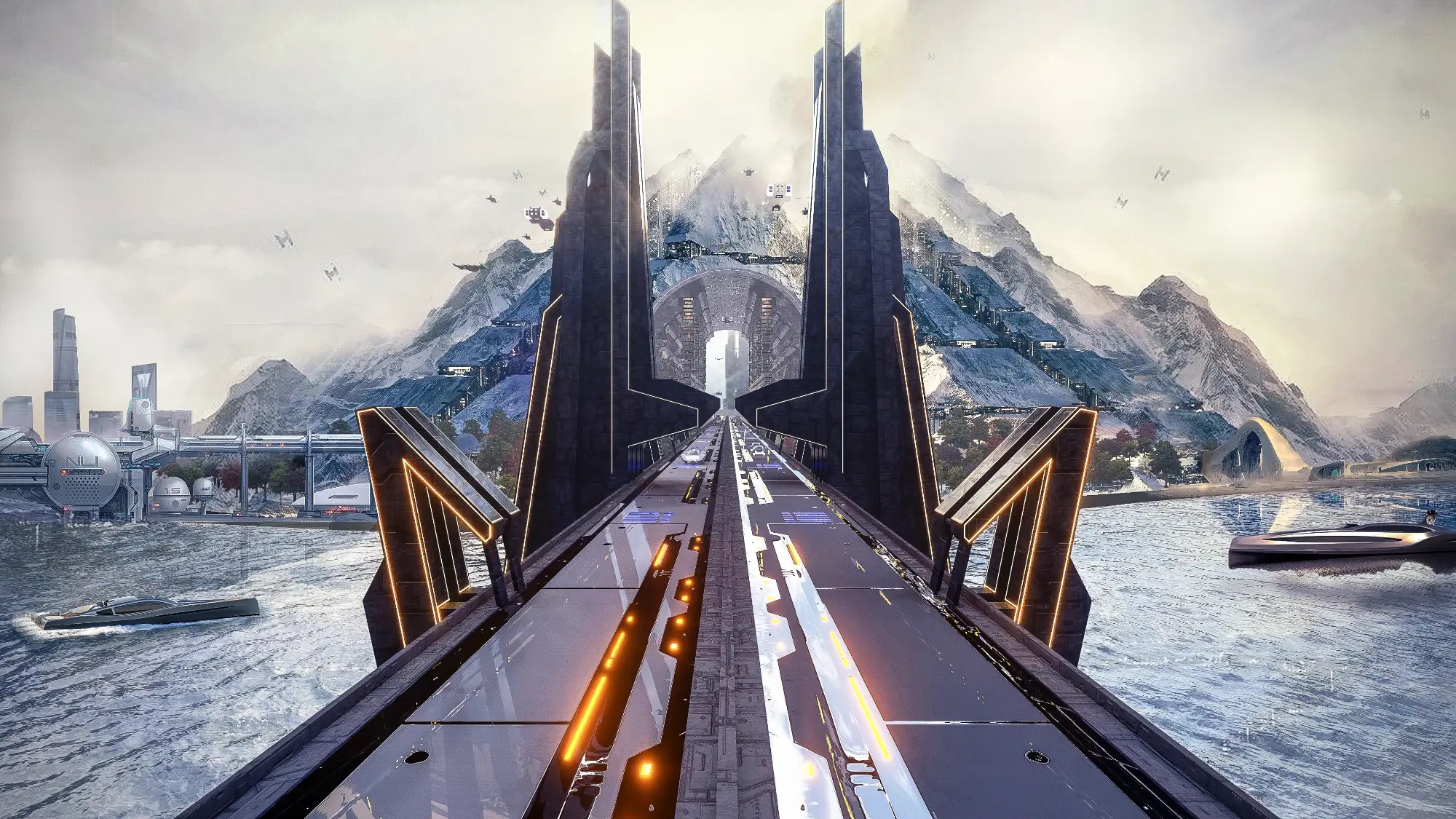
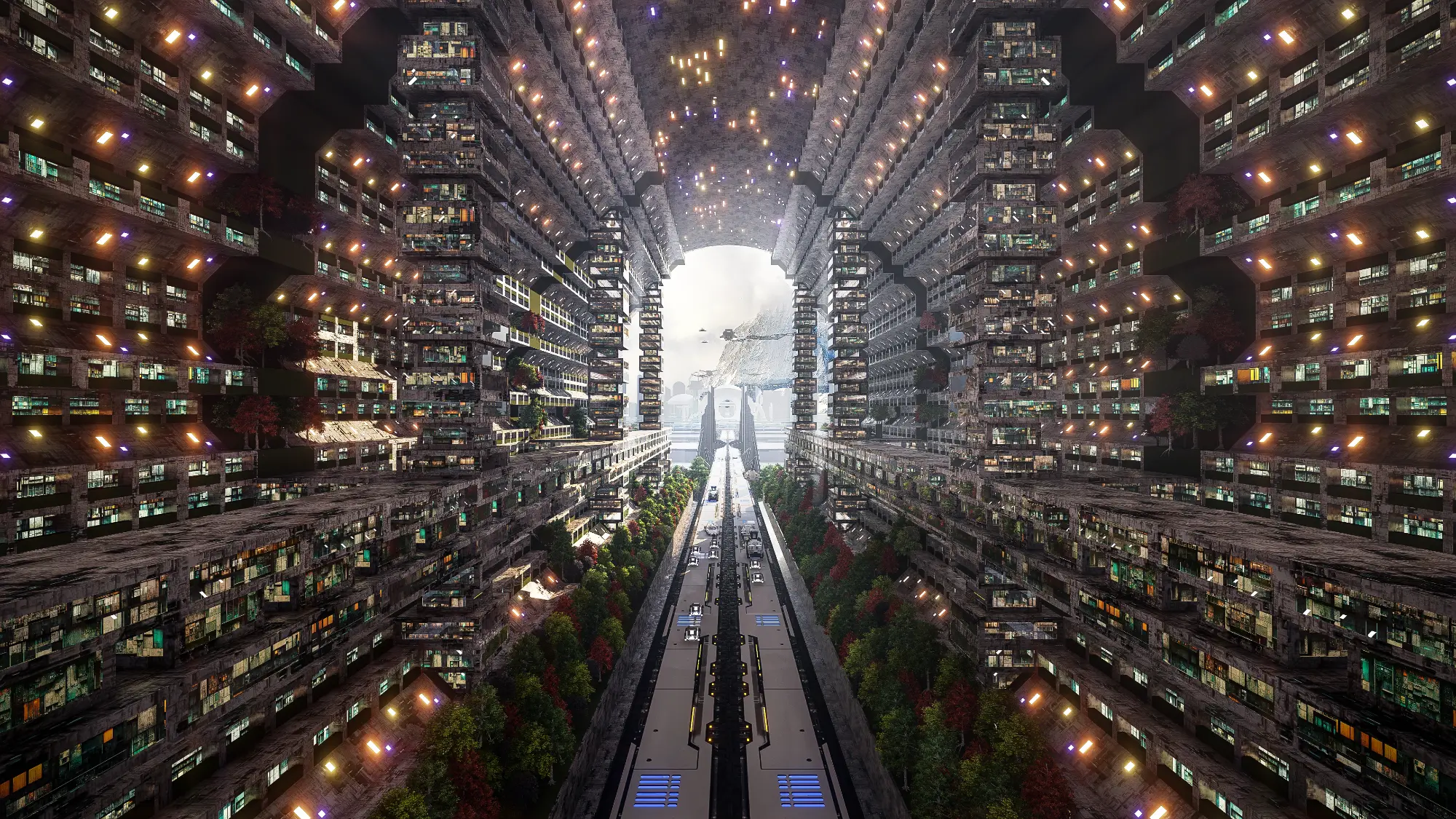
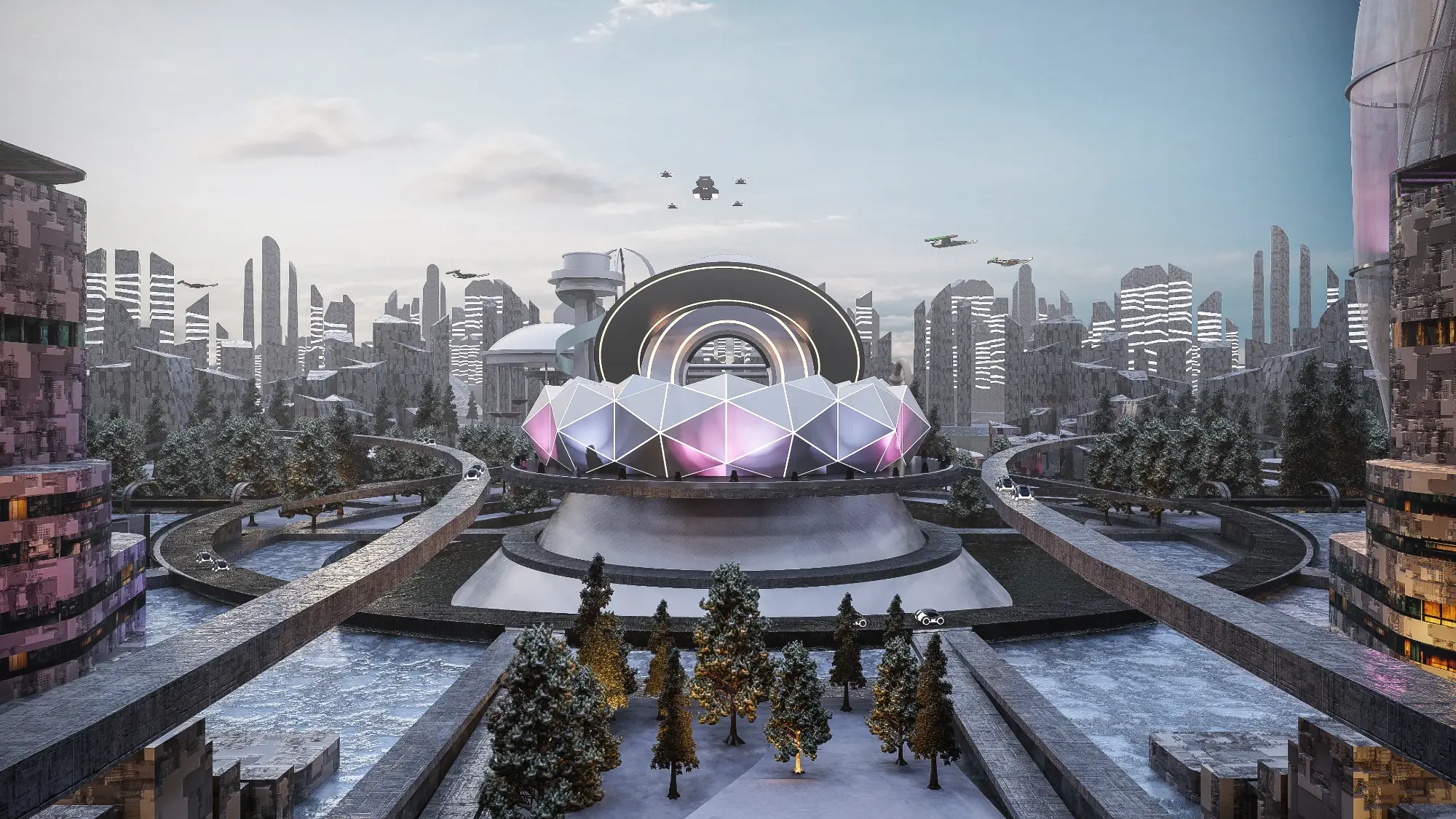
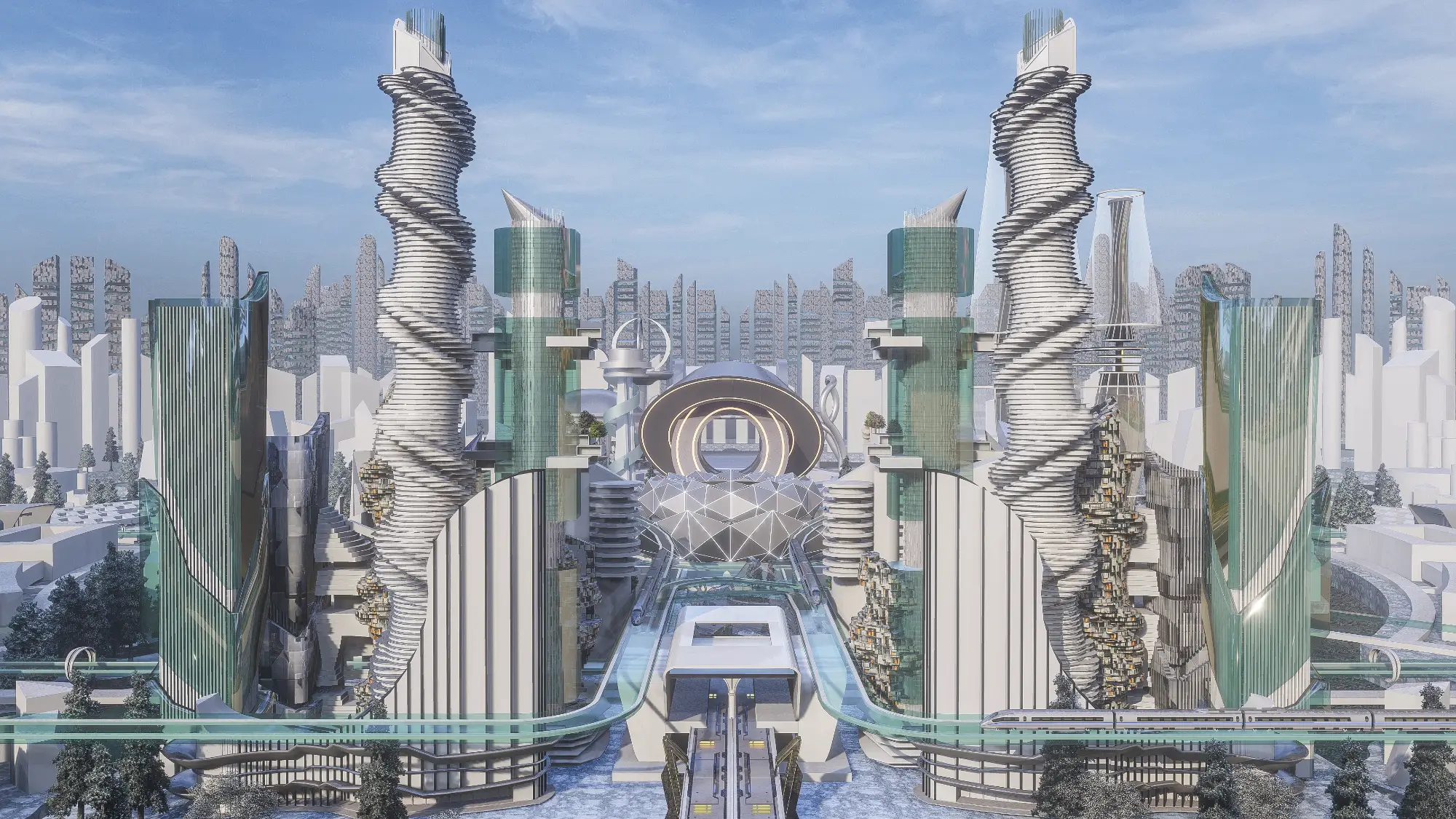
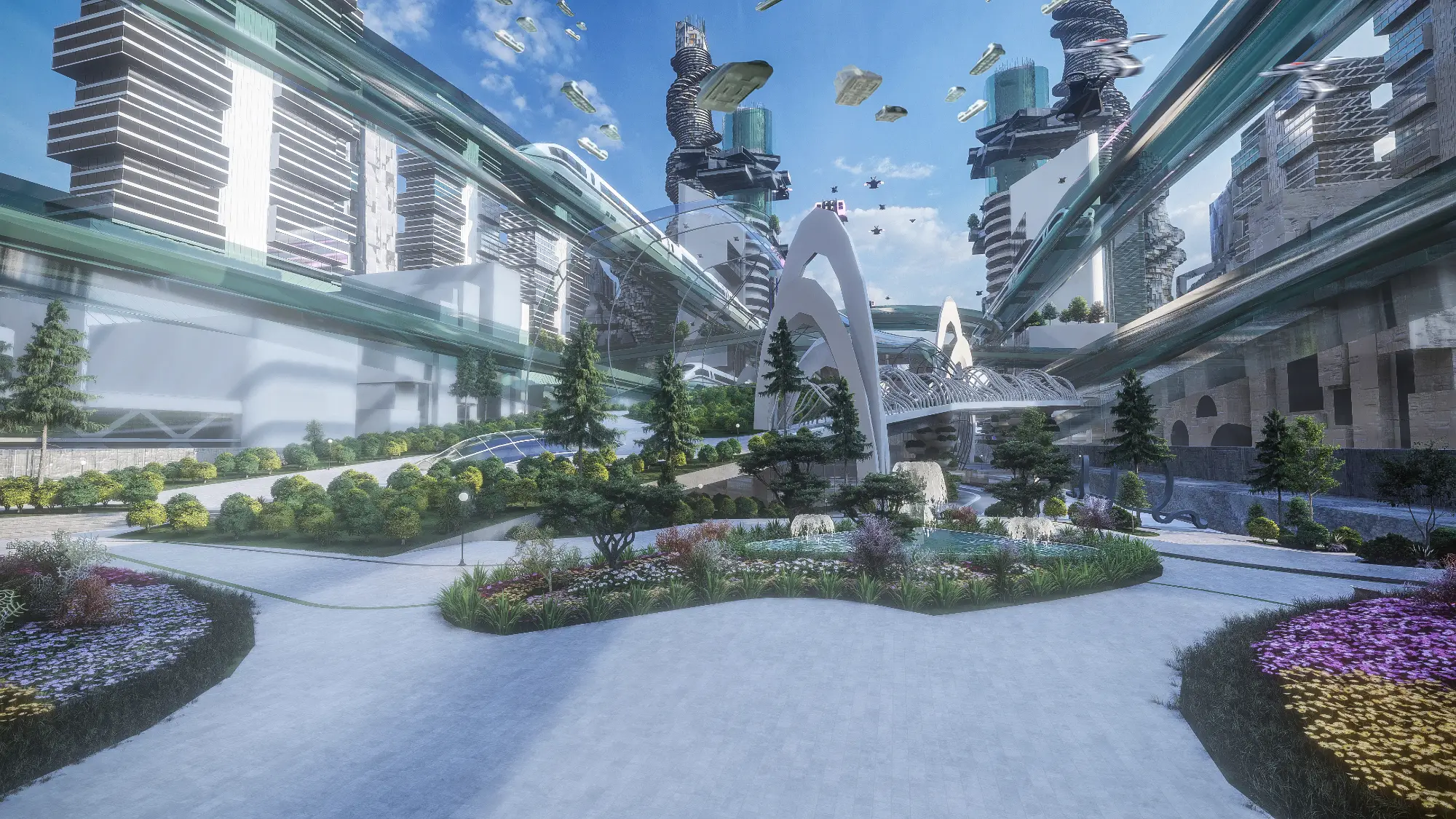
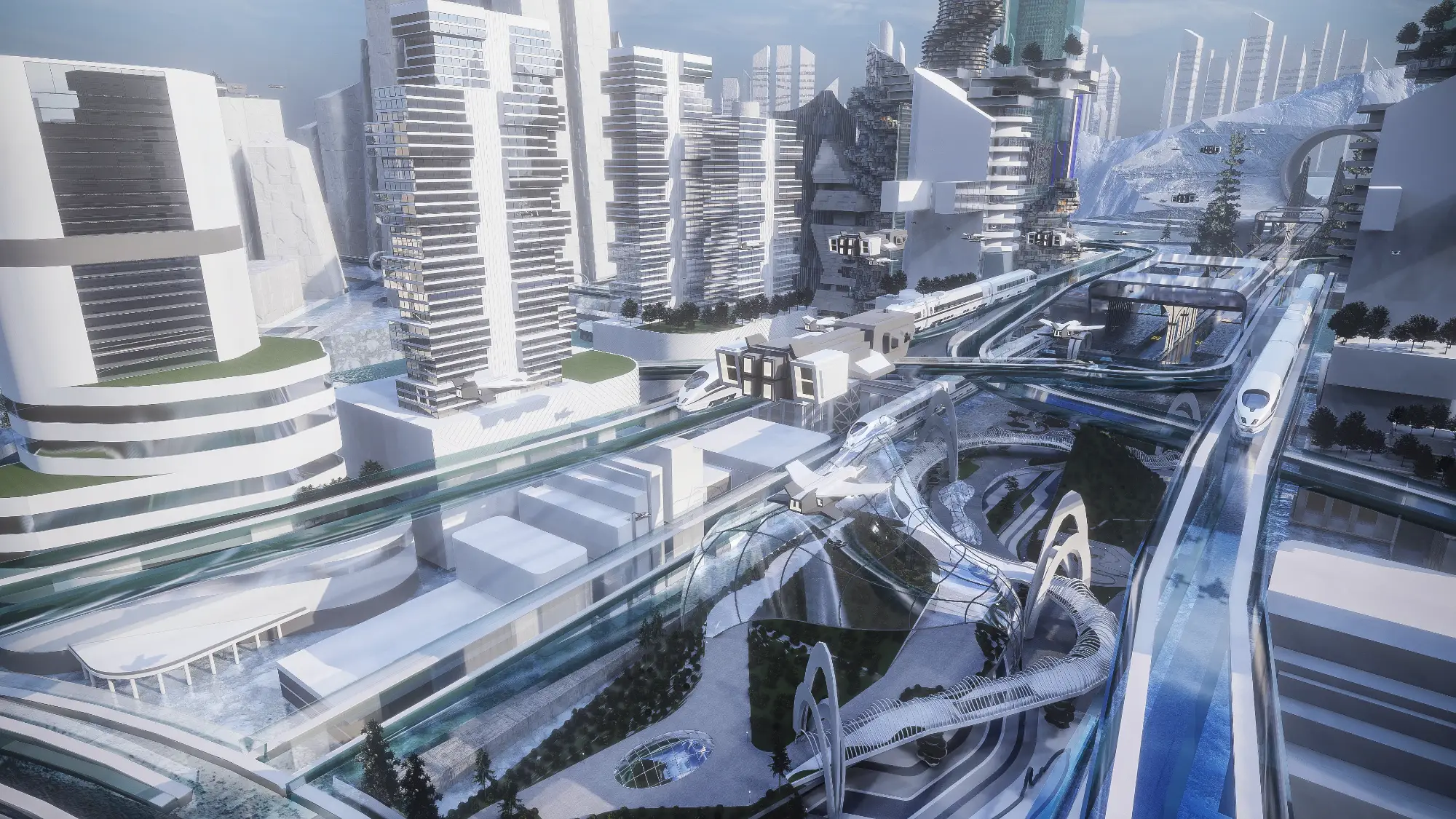
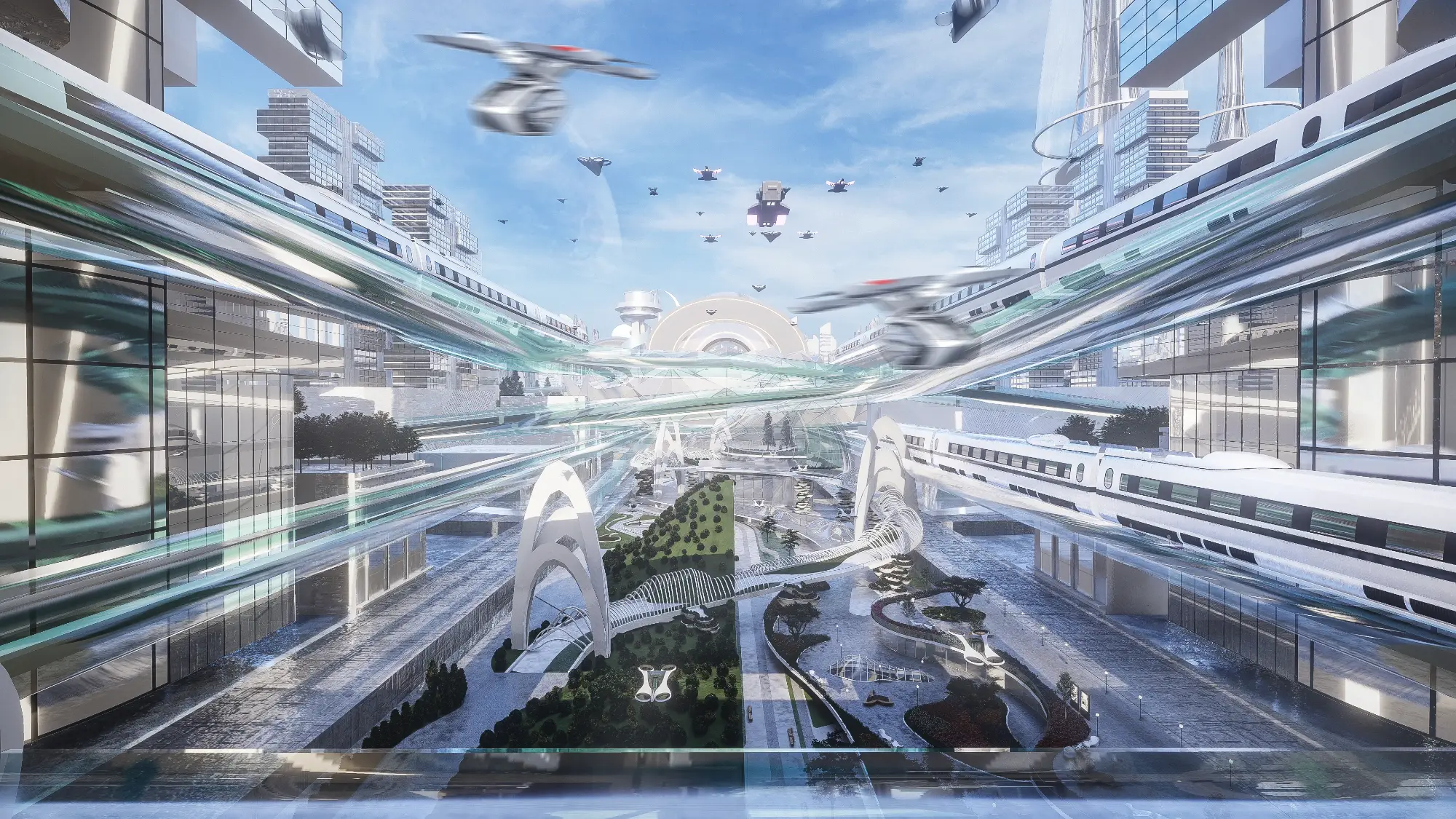
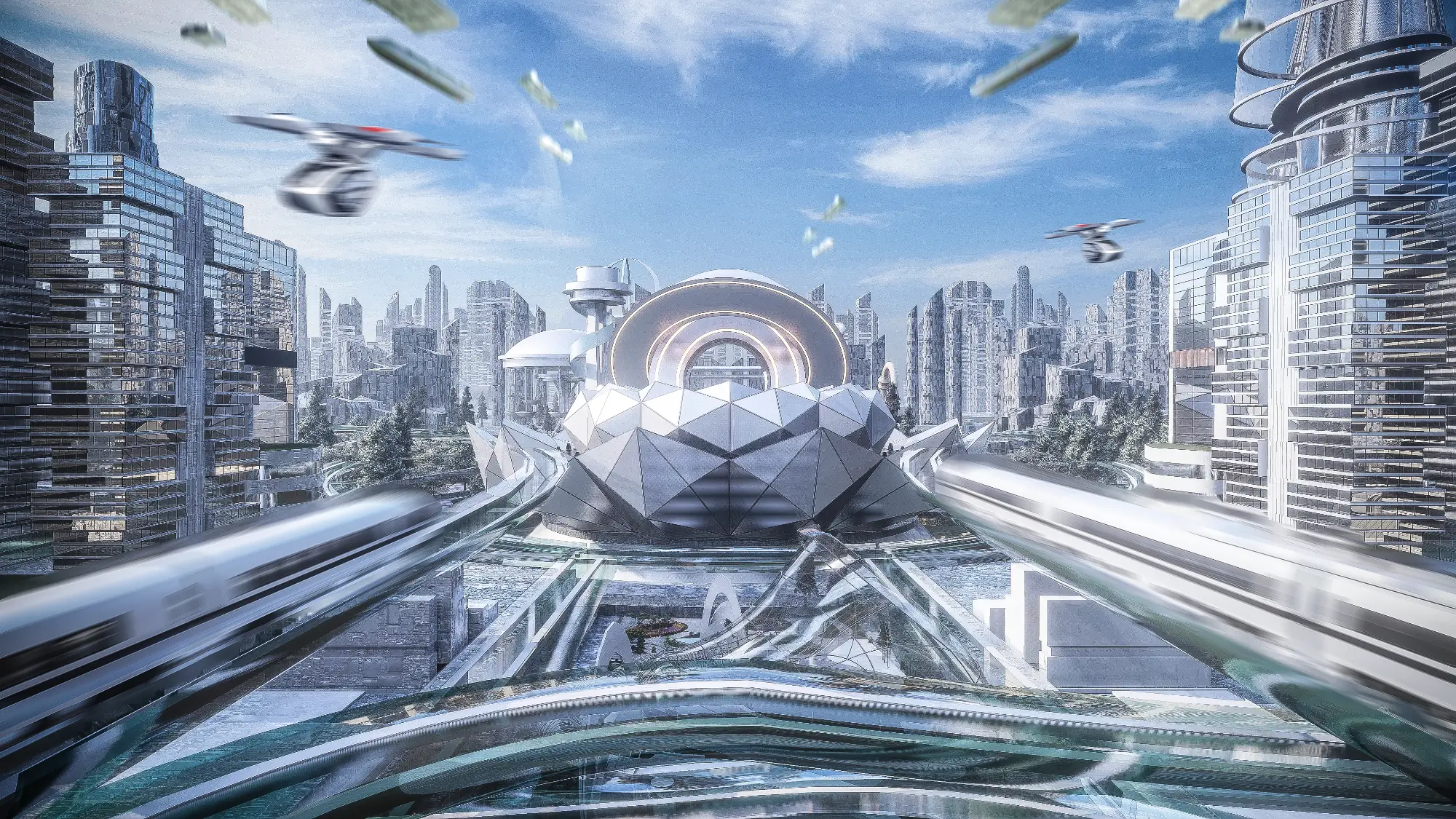
Despite the Metaverse’s inherent creative freedom, structure remains essential. Fulgar Architect’s virtual city is not a chaotic sprawl but a master-planned environment thoughtfully organized into seven primary zones: commercial, institutional, leisure, industrial, residential, natural, and transportation. These zones are distributed across five regional identities: the main city, mountain region, tropical region, historic district, and dystopian region. A distinct sense of symmetry runs throughout the plan, lending balance to what might otherwise become a fragmented experience. Wayfinding is intuitive, supported by a gridiron street layout anchored by a central highway stretching from the mountain gateway to the entertainment island, an urban spine that unifies the entire Metaverse landscape.
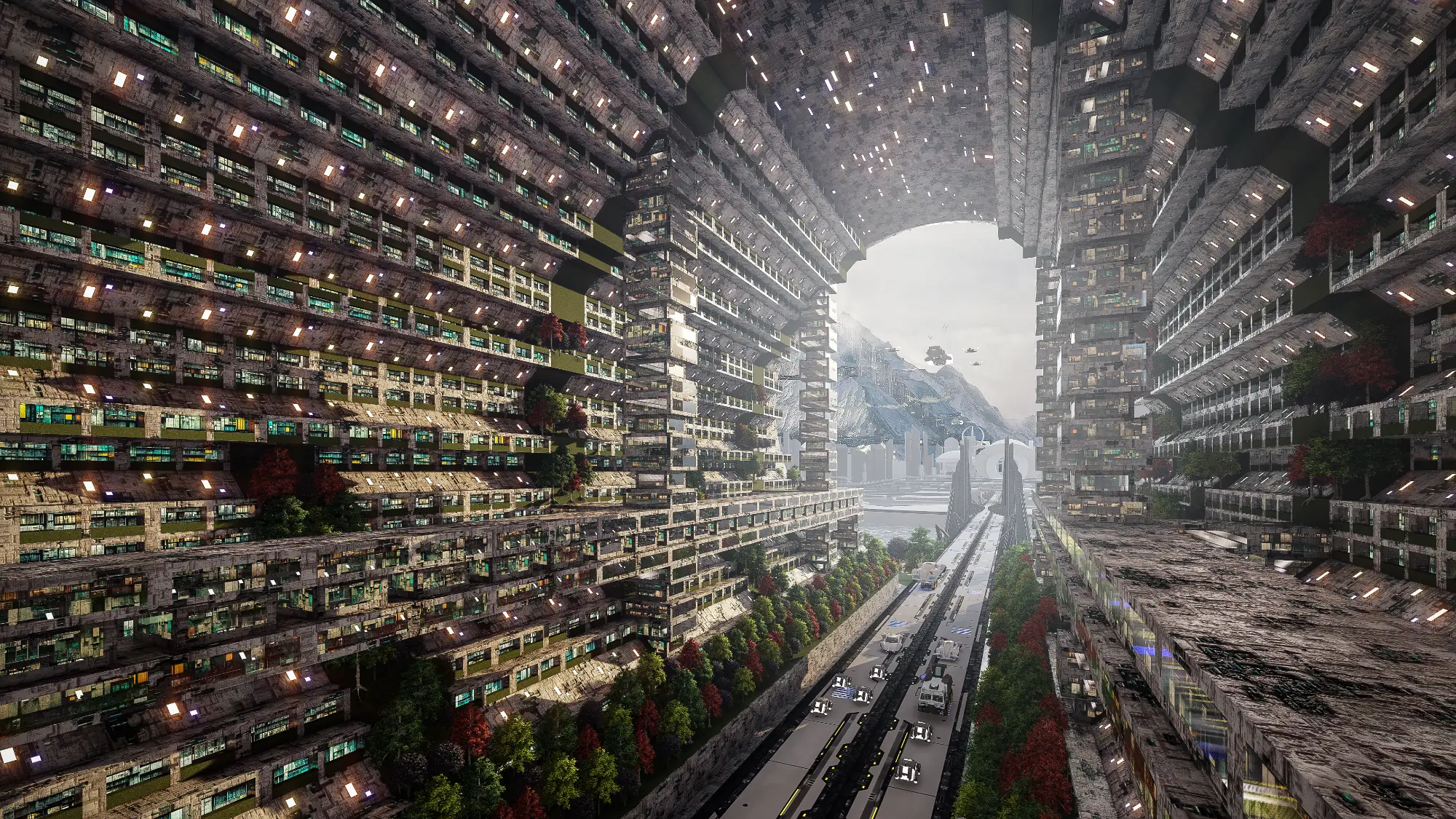
This virtual city does not merely lean into utopian ideals—it embraces complexity. While the Metaverse is unapologetically futuristic in its aesthetic, it also addresses darker and more grounded themes. Within its boundaries are spaces that simulate the richness of historical architecture, the rawness of urban slums, and even speculative designs like an underwater city. These elements present a layered narrative, one that confronts both the aspirations and anxieties of our technological future.

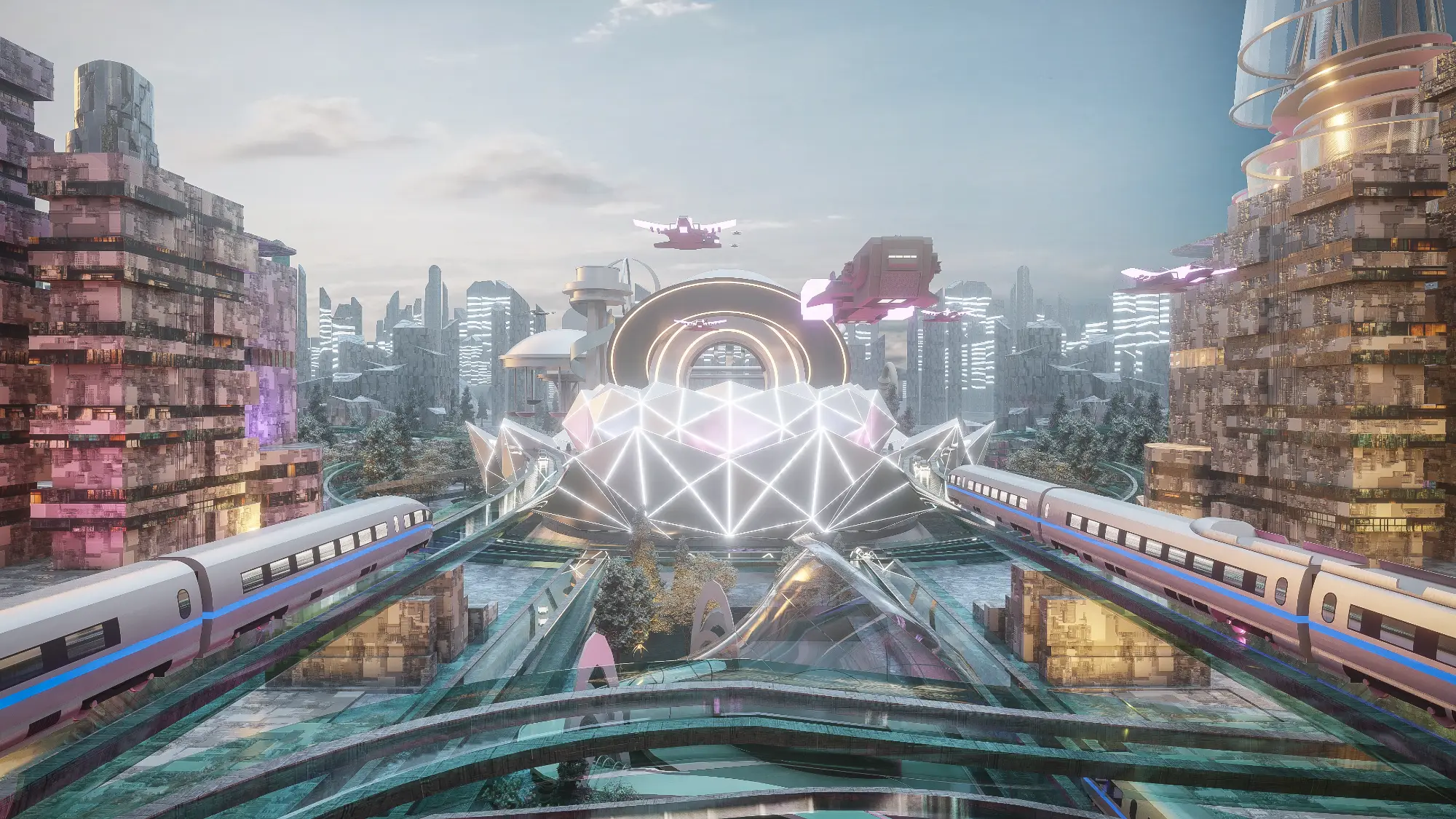
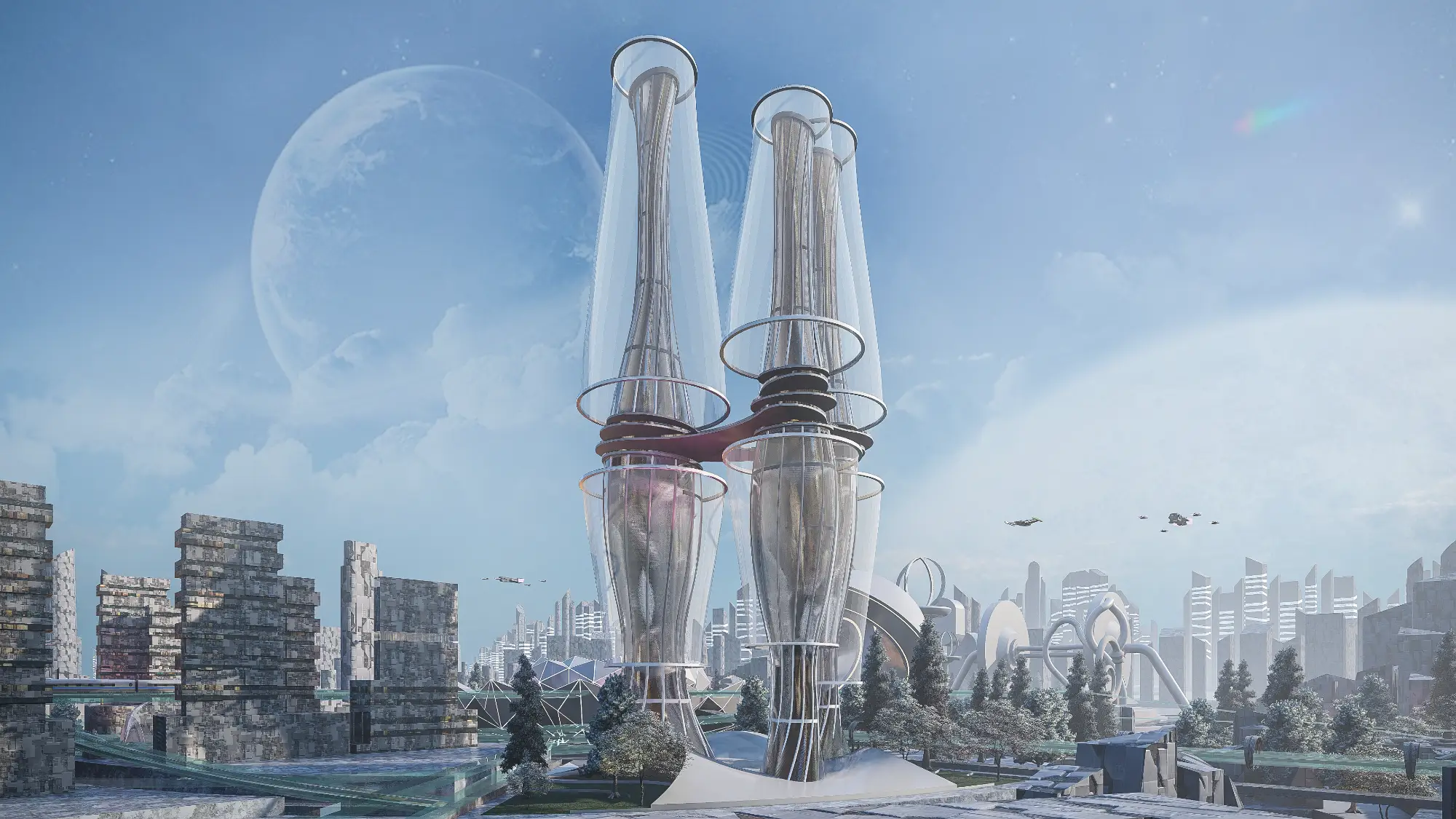
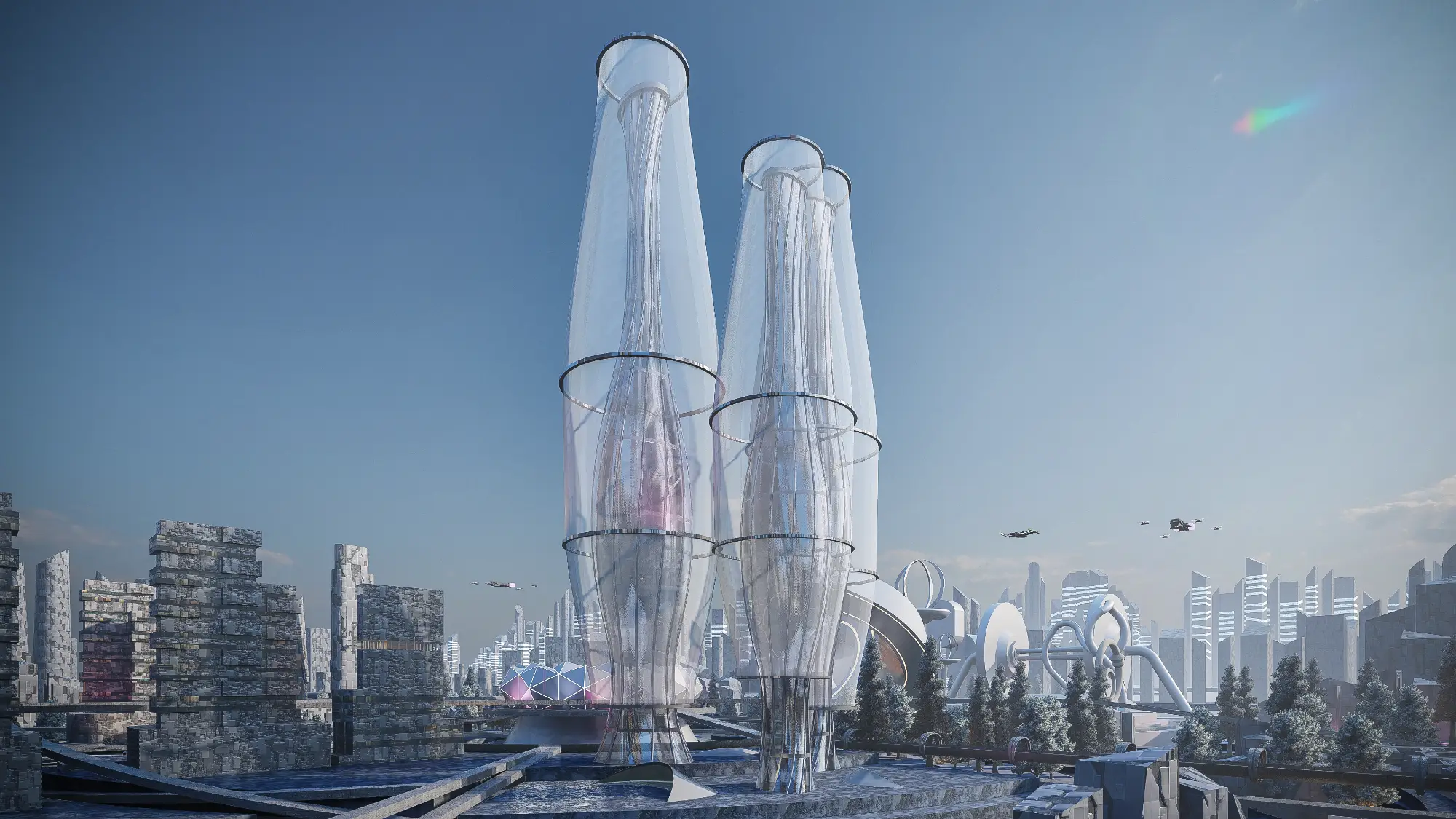
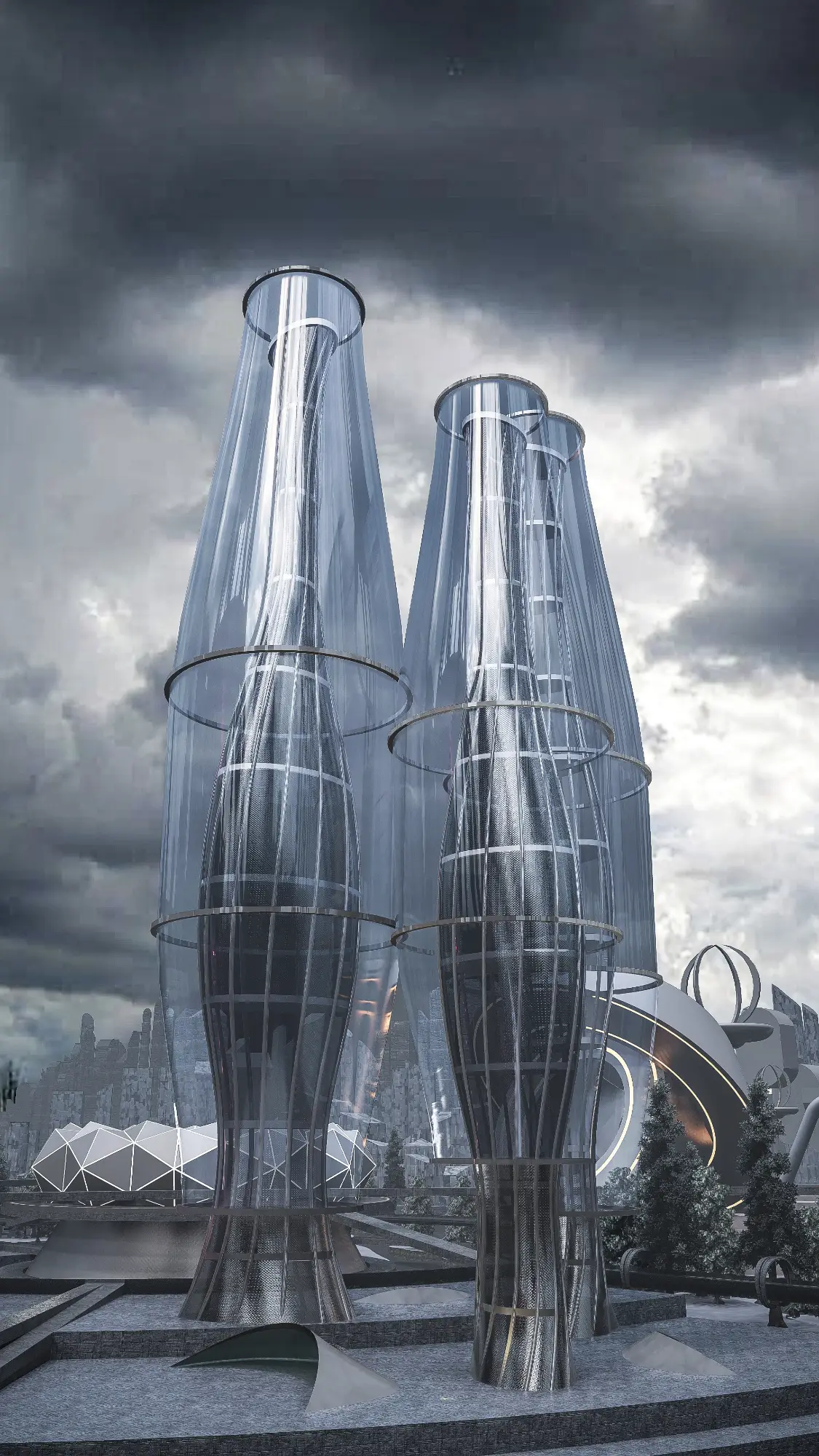
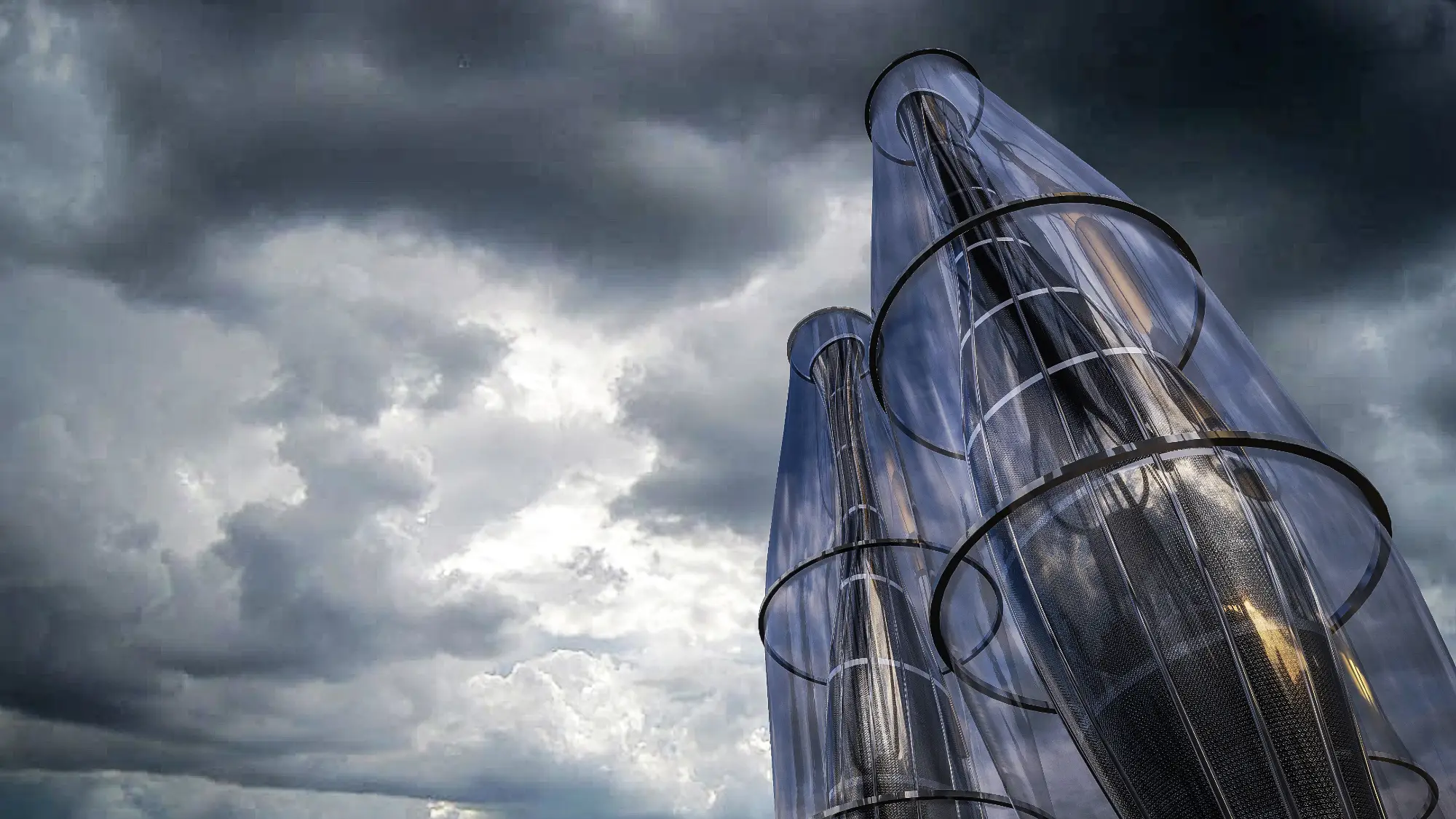
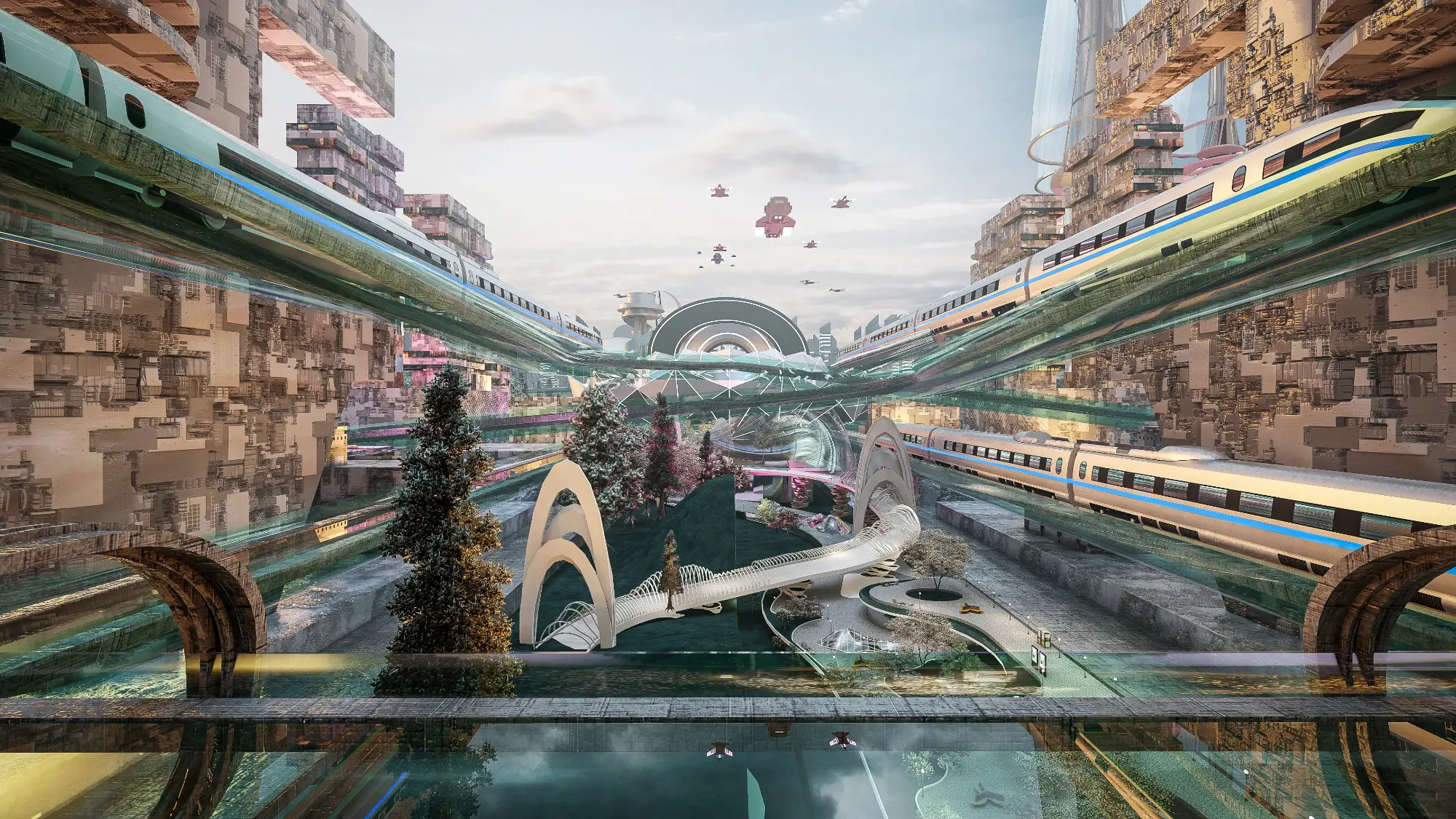
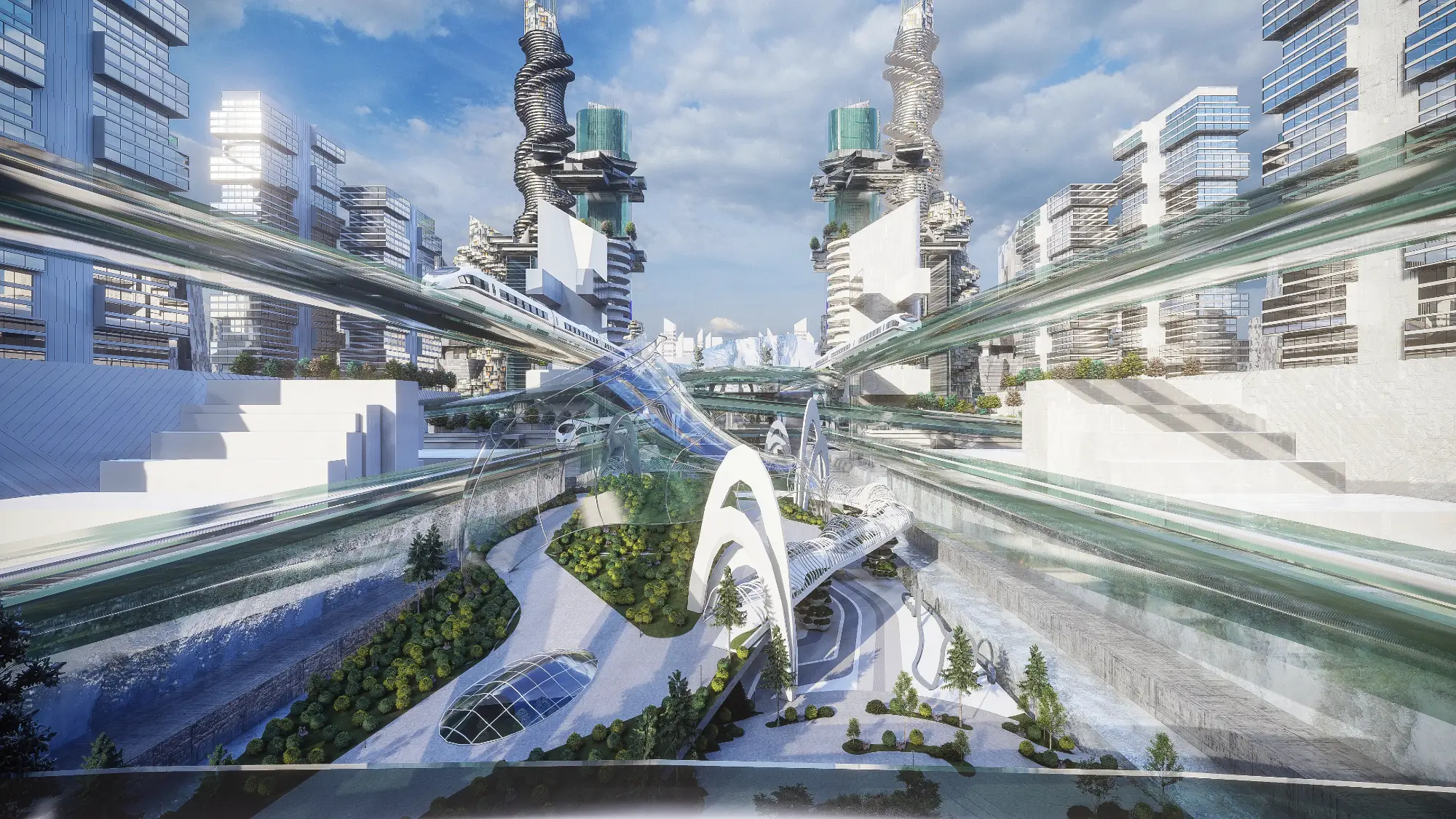
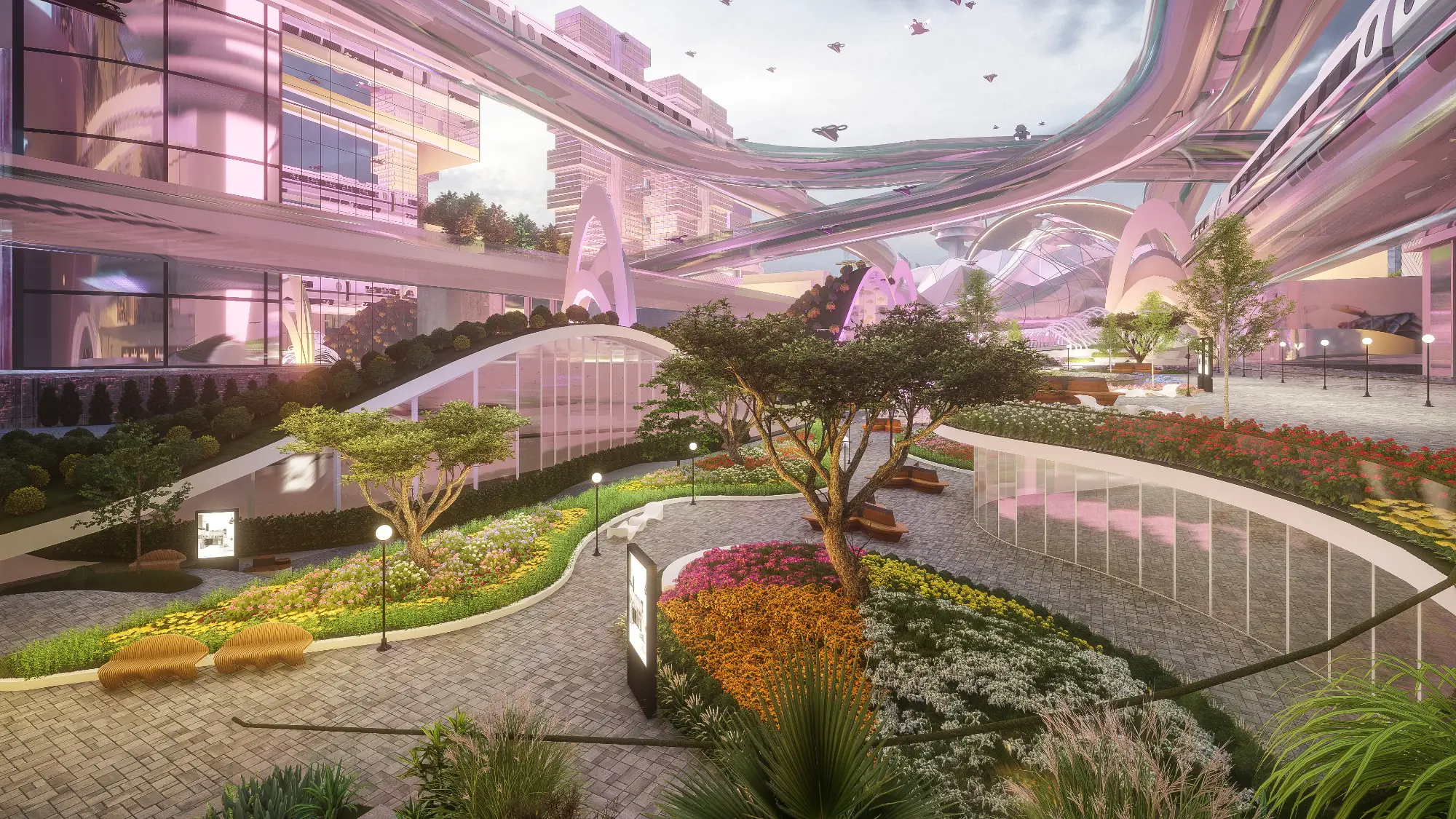
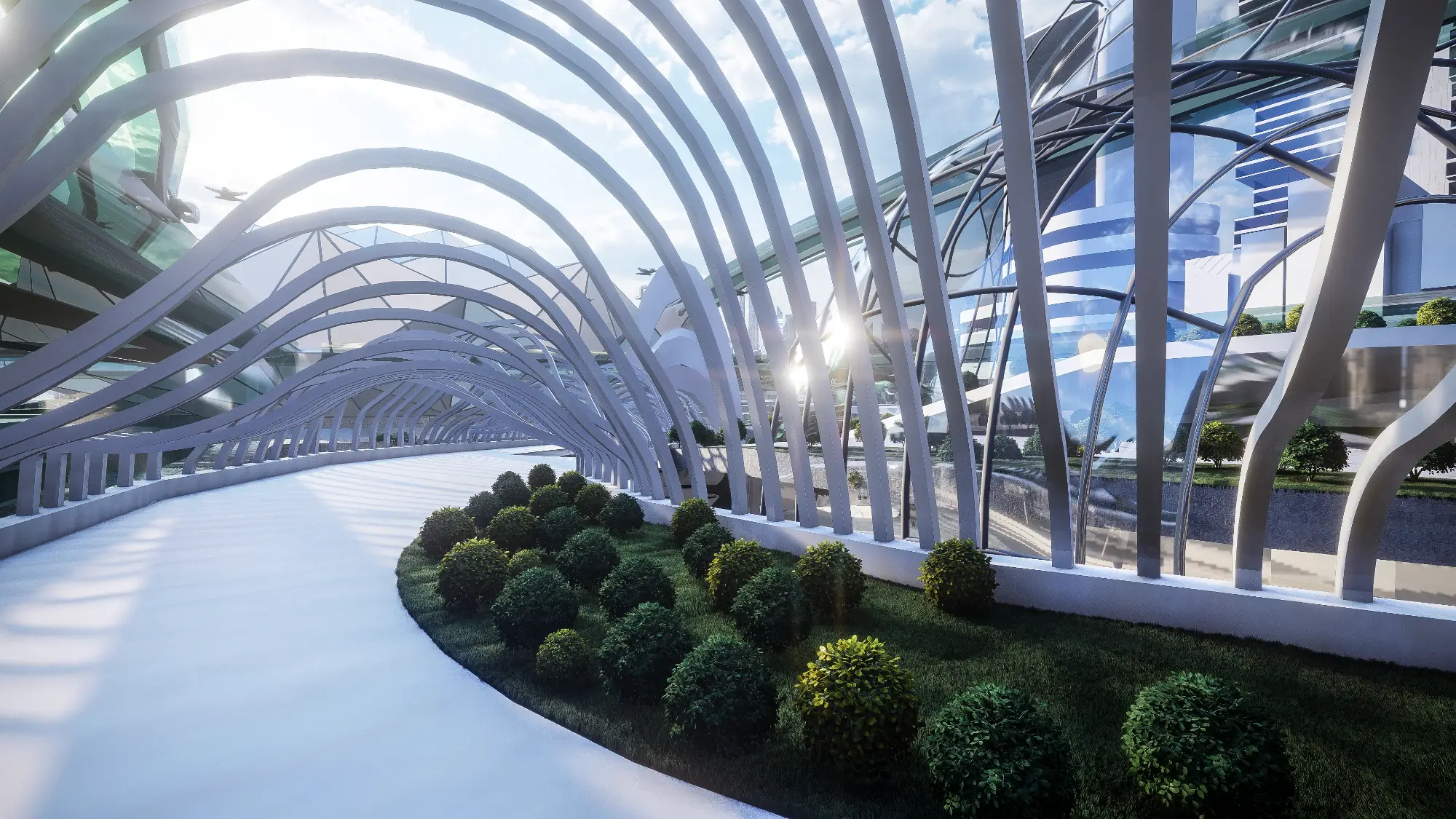
Architecturally, the Metaverse is a visual spectacle. Skyscrapers twist and bend into unfamiliar forms, their geometries unbound by gravity or construction constraints. Textures, colors, and patterns shift from zone to zone, offering a diverse and continuous sensory experience. Gateways, skywalks, and landscape elements interrupt the hardscape, creating rhythm and moments of repose within the high-density environment. Every corner of the Metaverse speaks a language of experimentation, one where form is not just liberated but expressive of a new digital spatial logic.
More than just an architectural showpiece, the Metaverse also functions as an interactive urban ecosystem. Visitors can engage in a wide array of activities, NFT trading, virtual workshops, shopping, concerts, and gaming—turning digital space into a hub of cultural, economic, and social exchange. These layers of functionality elevate the Metaverse beyond a visual concept into a truly lived experience.

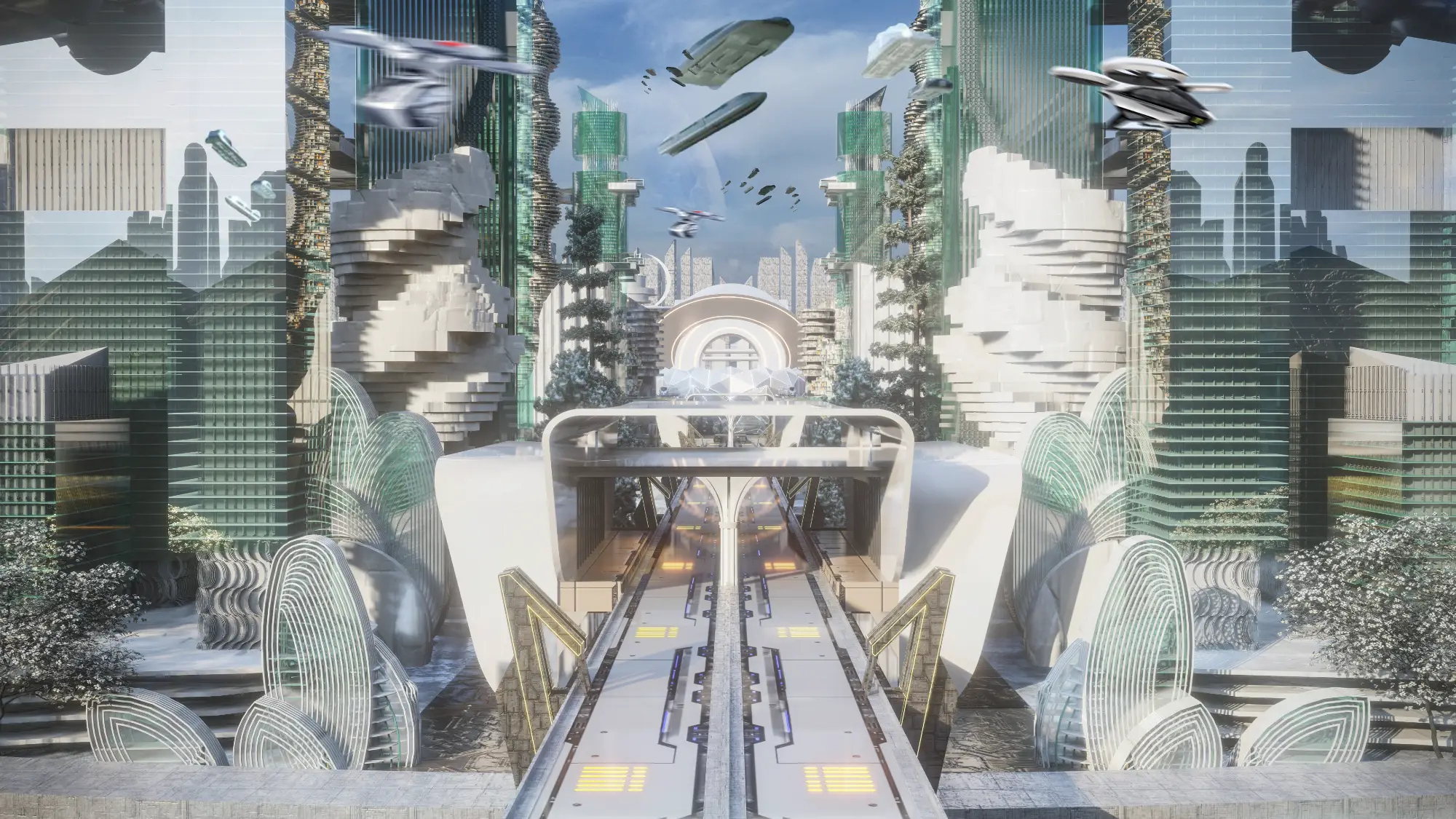
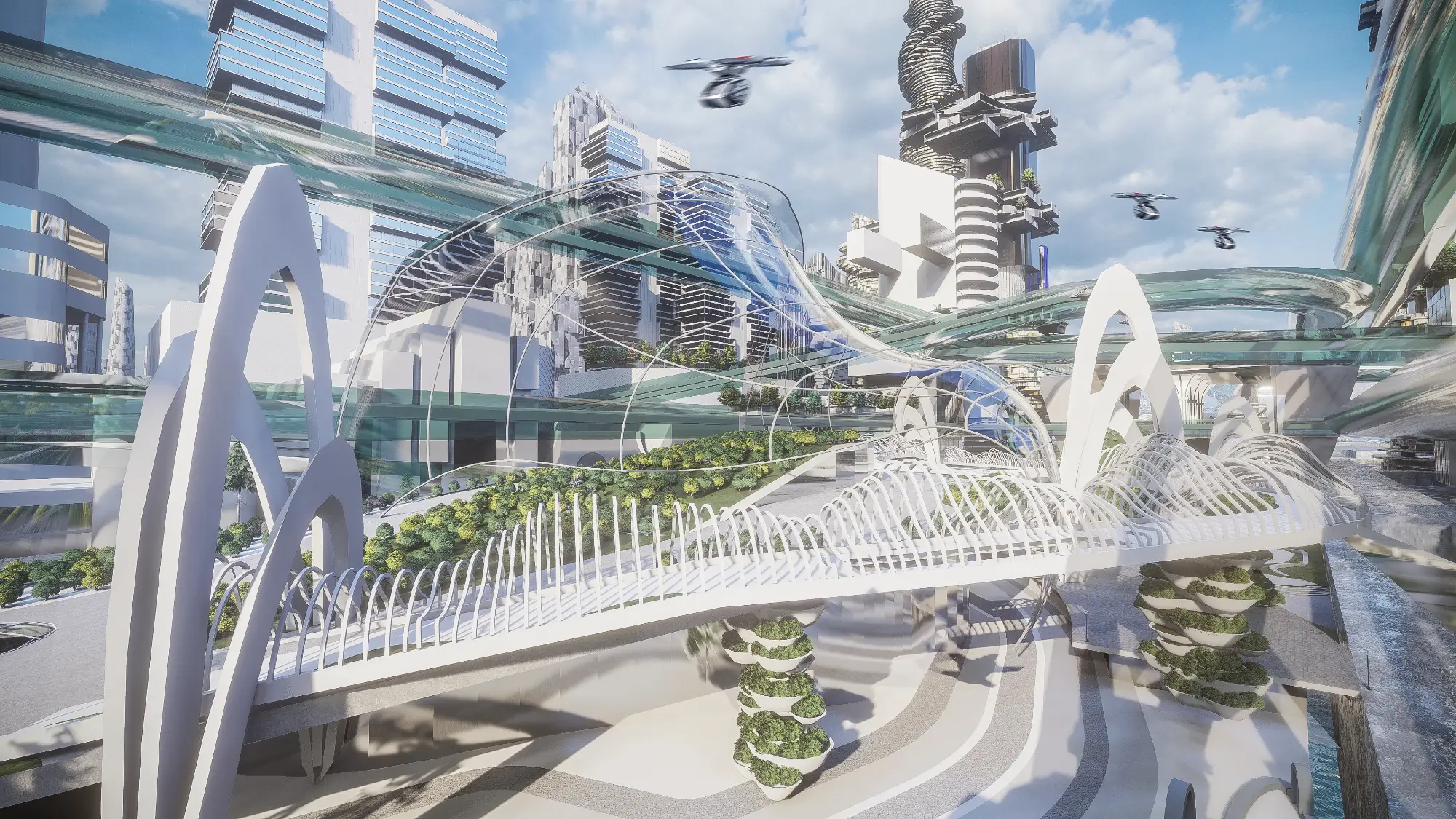
As more companies and institutions develop their own versions of virtual environments, the line between the physical and digital continues to dissolve. This signals the rise of a new architectural typology, one that challenges the conventions of materiality, site, and even context. The practice of architecture is no longer confined to the physical world. Instead, it evolves into a discipline of spatial storytelling across realities.
In this new era, architects are not just designers of buildings, they are creators of worlds. And in the Metaverse, the possibilities are only beginning to unfold.
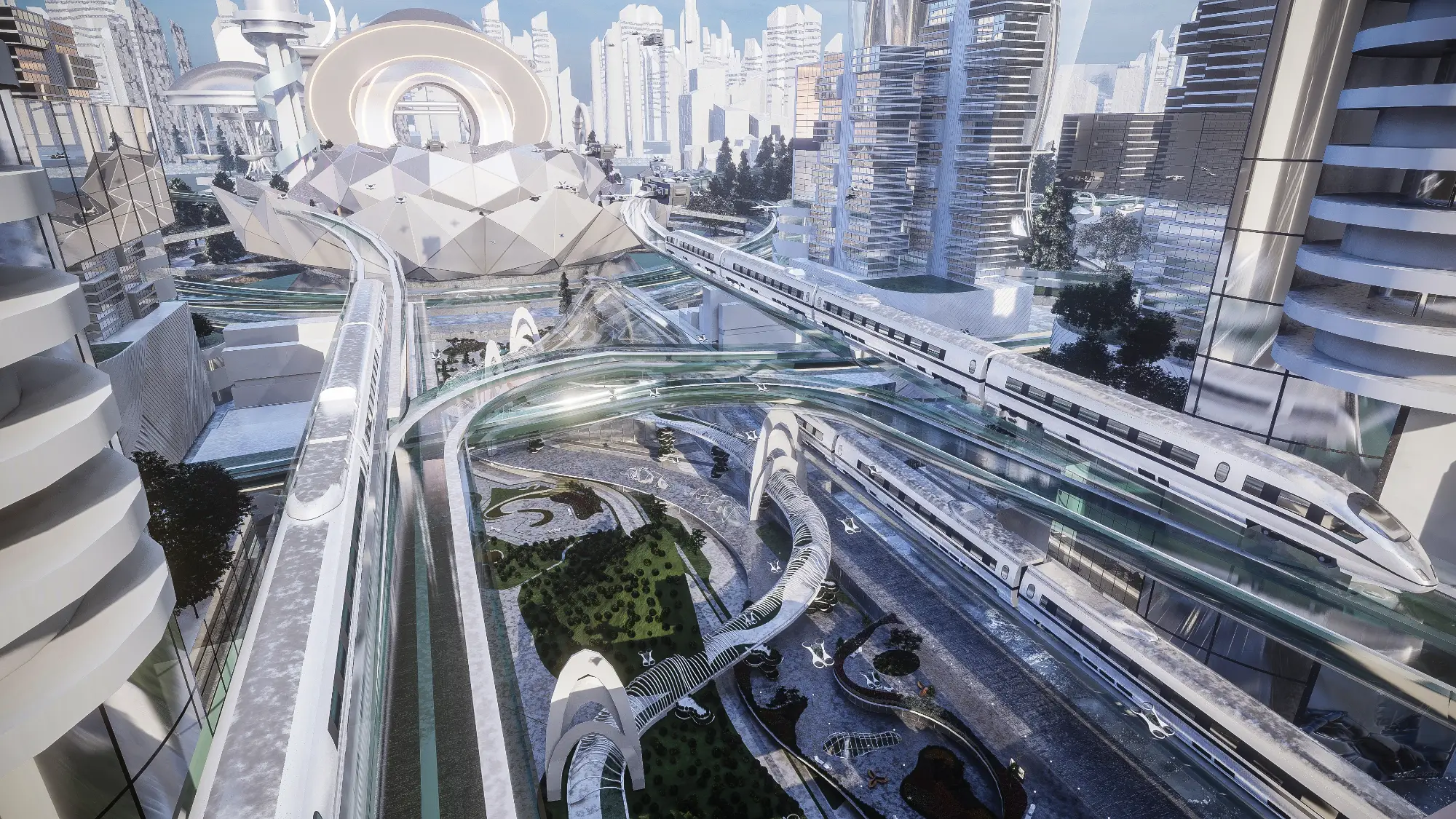
Studio Shots
Sharing Fulgar Architects unique and meta-modern architectural design studio processes and considerations for Metaverse from understanding site conditions, investment goals, planning, engineering, BIM technologies, landscaping, interiors, to construction recommendations.