













Article Summary
- Development risk often begins in early architectural decisions rather than financial models.
- Spatial structure, circulation, and service planning shape long-term adaptability.
- Early planning determines whether assets remain resilient or become constrained over time.
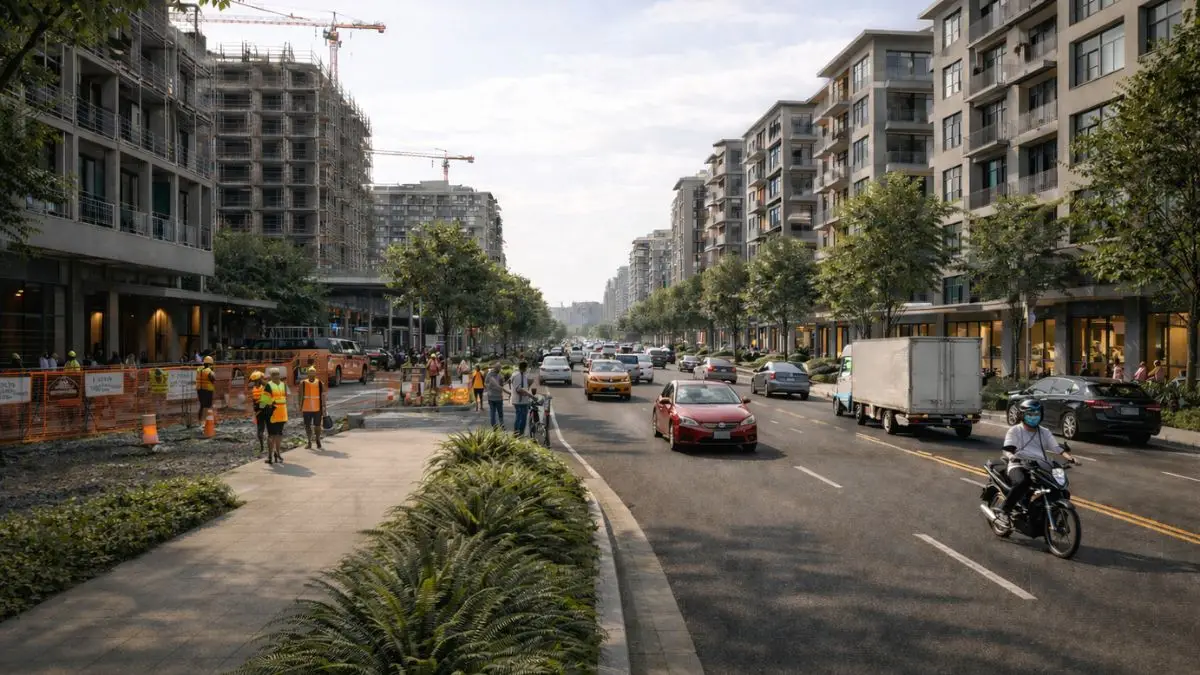
Risk is often framed as a financial or market concern. Yet many forms of development risk originate spatially, long before financial results are visible. The relationship between architecture and development risk emerges through decisions that shape flexibility, feasibility, and long-term exposure at the earliest stages of planning. In real estate development and commercial architecture, these early architectural decisions quietly determine whether projects remain resilient or vulnerable over time.
Architecture cannot remove risk, but it can organize it. Through spatial structure and planning, architecture controls whether risk is concentrated, distributed, or managed over time. These choices set the limits for project adaptability and long-term viability, particularly within architecture in the Philippines where climate and density add complexity.
Risk Embedded in Early Decisions
Early architectural choices create limits that persist. Structural systems, access plans, and service layouts dictate what can change and what must remain fixed, shaping every option available to owners and operators.
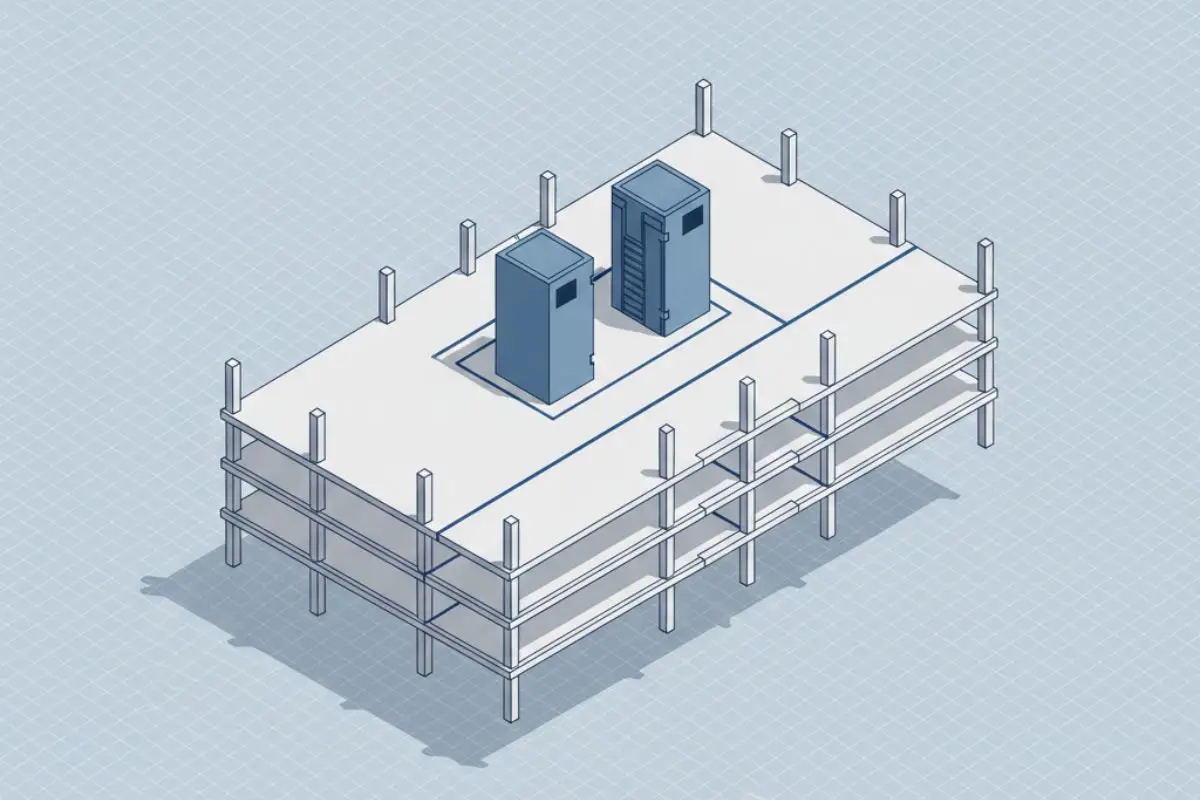
When early decisions ignore uncertainty, risk becomes embedded in the project. Anticipating change through disciplined architectural planning preserves flexibility and reduces irreversible outcomes. Resilience comes from preparation rather than prediction.
A Real-World Development Scenario
Consider a mid-rise mixed-use commercial building design in Metro Manila planned during a strong office market cycle. The original financial model assumed long-term corporate tenants. However, the architectural team proposed a structural grid and floor plate depth that would also allow subdivision into smaller office units or eventual residential conversion.
The developer initially resisted the slightly higher structural cost. Yet within five years, remote work trends reduced demand for large office leases. Because the floor plates were proportioned for flexibility, the building was reconfigured into smaller office suites and co-working spaces without major structural intervention.
Service risers were centrally located and oversized slightly during initial construction. This allowed mechanical and plumbing systems to be rerouted efficiently as tenant configurations changed. What might have become a stranded asset instead retained occupancy and rental value.
In contrast, nearby projects designed with tight structural grids and fixed service cores struggled to adapt. Their layouts limited subdivision, and reconfiguration required invasive structural changes. The difference in performance did not stem from branding or location alone. It emerged from early architectural decisions.
This example illustrates how the relationship between architecture and development risk is not theoretical. It plays out in structural spans, riser placement, and circulation planning long before market shifts occur.
Spatial Flexibility and Risk Mitigation
Flexibility functions as a form of risk management. Buildings that can be reconfigured, subdivided, or adapted respond more effectively to market shifts and changing user demands. This responsiveness reduces the likelihood that assets become obsolete when conditions evolve.
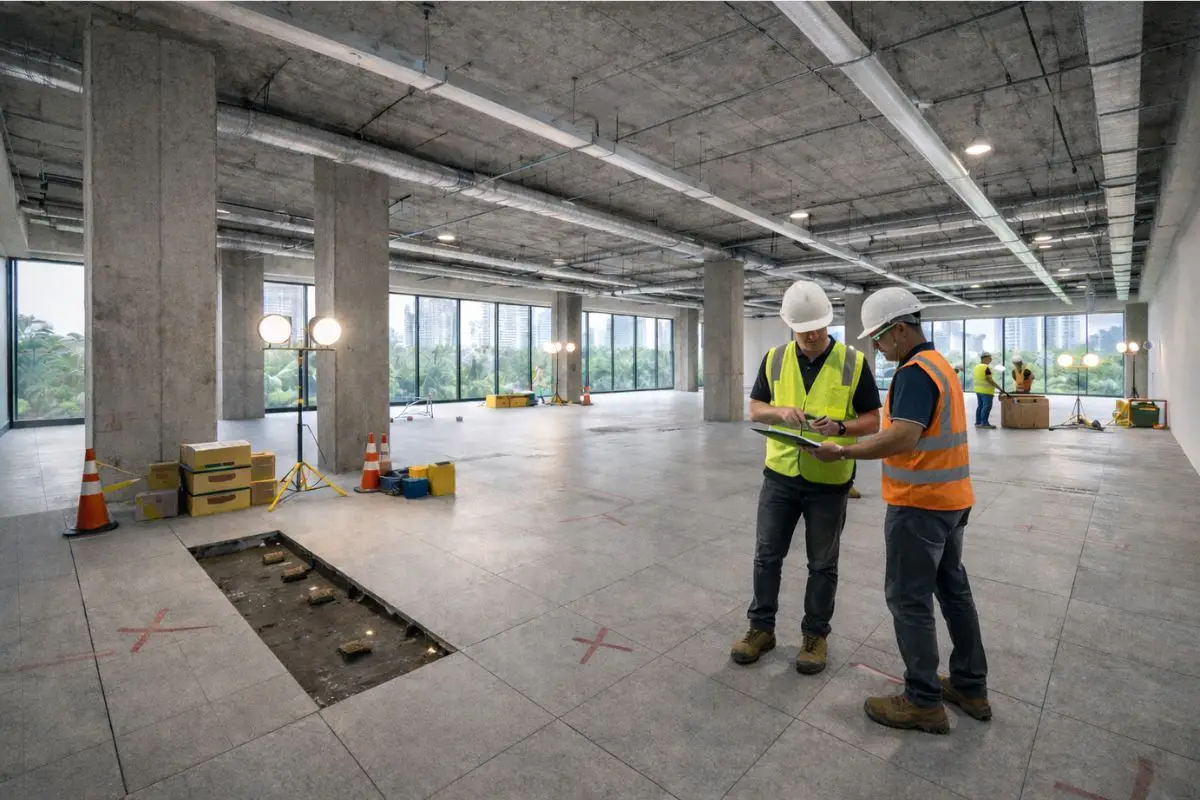
Architecture defines this capacity through proportion, structure, and infrastructure. Floor plates that support multiple layouts, systems that allow rerouting, and structures designed for future load all contribute to resilience. In projects led by a commercial building architect, this early coordination determines whether assets remain adaptable across economic cycles.
Risk is mitigated through preparedness rather than reaction.
Phasing and Temporal Risk
Development risk unfolds over time. Each project phase brings new exposure in financing, absorption, and infrastructure readiness. Architectural clarity at each stage determines whether interim conditions support stability or create vulnerability.
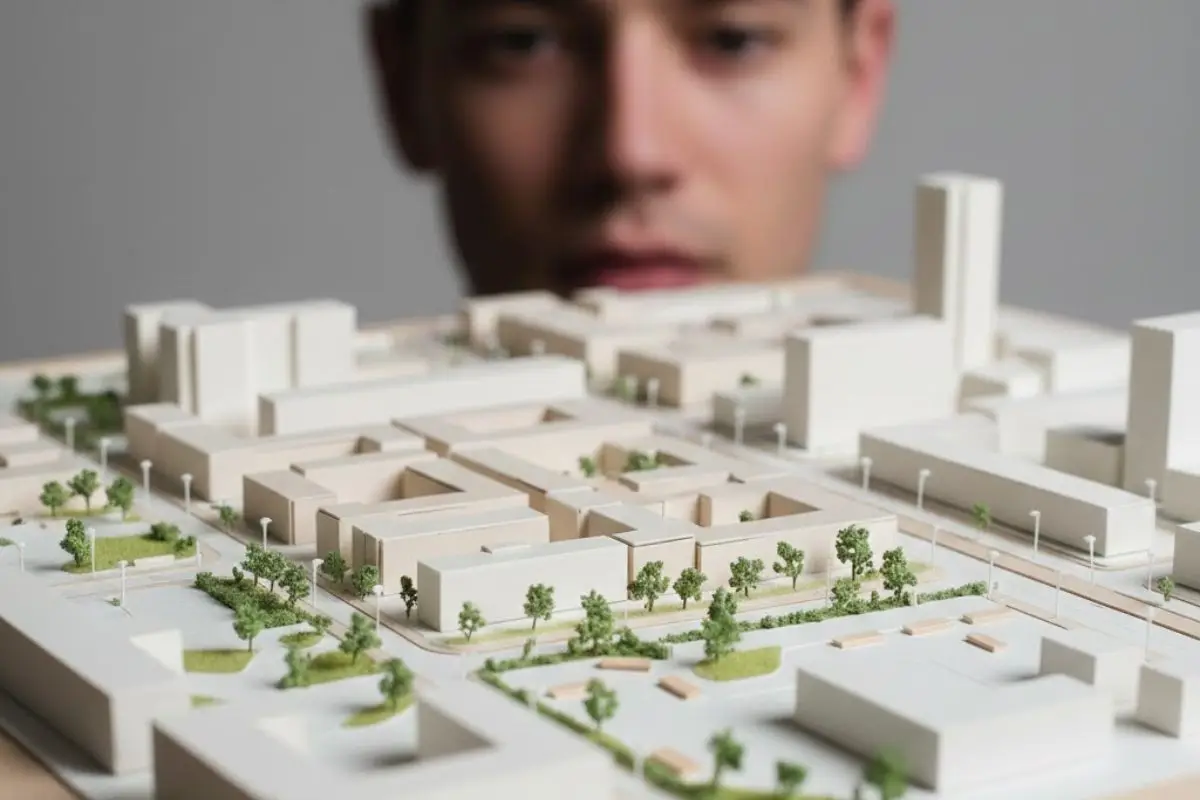
Clear frameworks ensure early phases function as complete environments. As projects evolve, coherent spatial logic protects investment and maintains progress, supporting long-term potential within commercial architecture and mixed-use development.
Architecture and Operational Exposure
Operational inefficiency is a lasting risk. Confusing movement paths, limited service access, and unclear zoning lead to ongoing costs and management strain. These issues gradually accumulate, eroding performance even after construction ends.
Architecture that aligns spatial logic with operations reduces exposure. Clear movement patterns, accessible service routes, and legible zoning ensure predictable use and reinforce stability. For any architectural firm in the Philippines engaged in large-scale development, operational clarity is not aesthetic preference but economic strategy.
Architecture as Risk Framework
The relationship between architecture and development risk is defined by structure rather than form. Through disciplined decisions, architecture transforms uncertainty into manageable conditions that support long-term resilience.
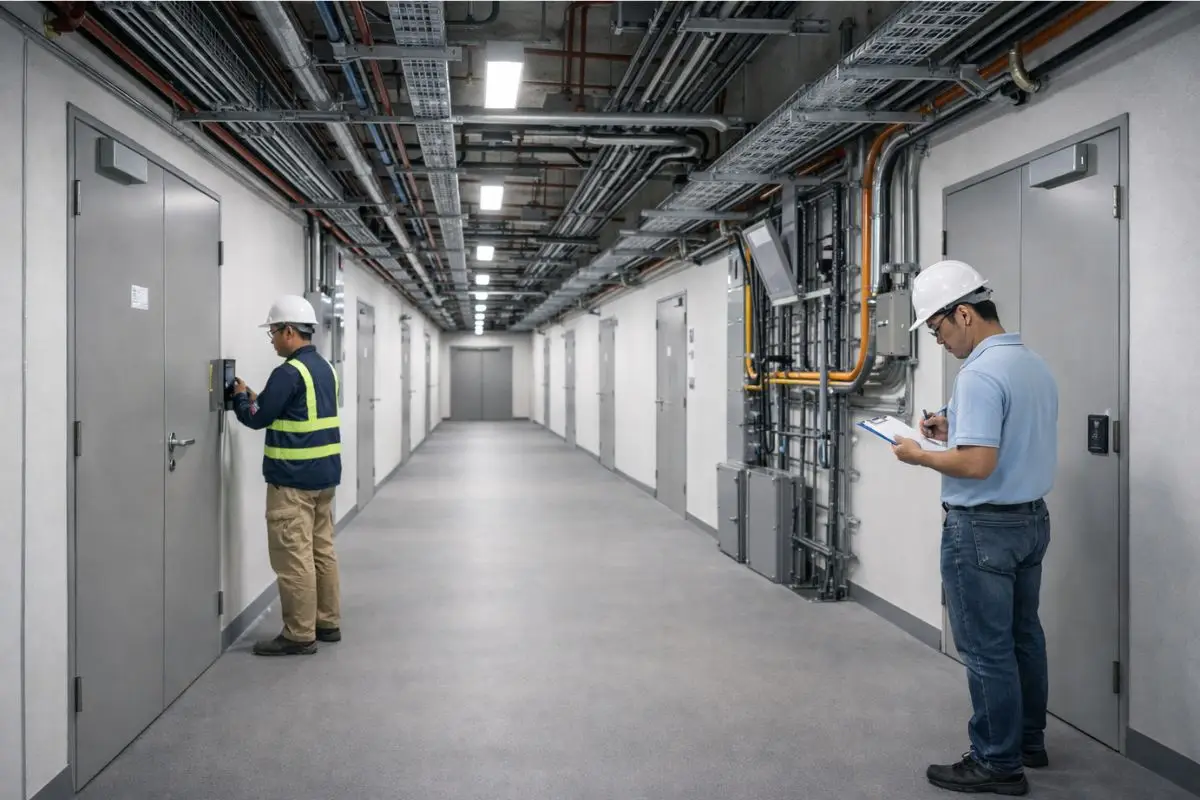
Architecture acts as foresight, shaping projects to remain viable across cycles and changing demands. Risk is not eliminated but contained within a clear framework, enabling value to endure.
Architecture shapes flexibility, operational efficiency, and adaptability, all of which affect risk exposure throughout a project’s life.
Indirectly. By preserving optionality and preventing irreversible constraints, architecture limits scenarios that lead to value loss.
Early, when structural, circulation, and servicing decisions establish long-term limits.
Yes. Many development risks arise from spatial decisions rather than from financial models.