












- Vertical communities integrate residential, office, and retail within a single system
- Mixed-use development in Manila responds to land constraints and urban density
- Circulation and zoning determine usability and long-term performance
- Well-planned vertical environments improve tenant experience and leasing value
- Integrated developments support long-term investment resilience
The Rise of Vertical Communities in Manila
As land becomes more limited in Metro Manila, development strategies are shifting toward vertical integration. Instead of separating uses across different sites, developers are consolidating residential, office, and retail components into a single structure.
This approach defines mixed-use development in Manila as more than a building type. It becomes a system where different components operate together within a single structure. The success of this model depends on how well these components are planned and connected.
In districts such as Makati and BGC, vertical communities are emerging as a response to both economic and spatial pressures. They allow developers to maximize land value while offering a more cohesive urban experience.
Integration of Programs Within a Single System
Vertical communities combine multiple uses within one development. Residential units, office floors, retail podiums, and shared amenities are layered vertically rather than spread horizontally.
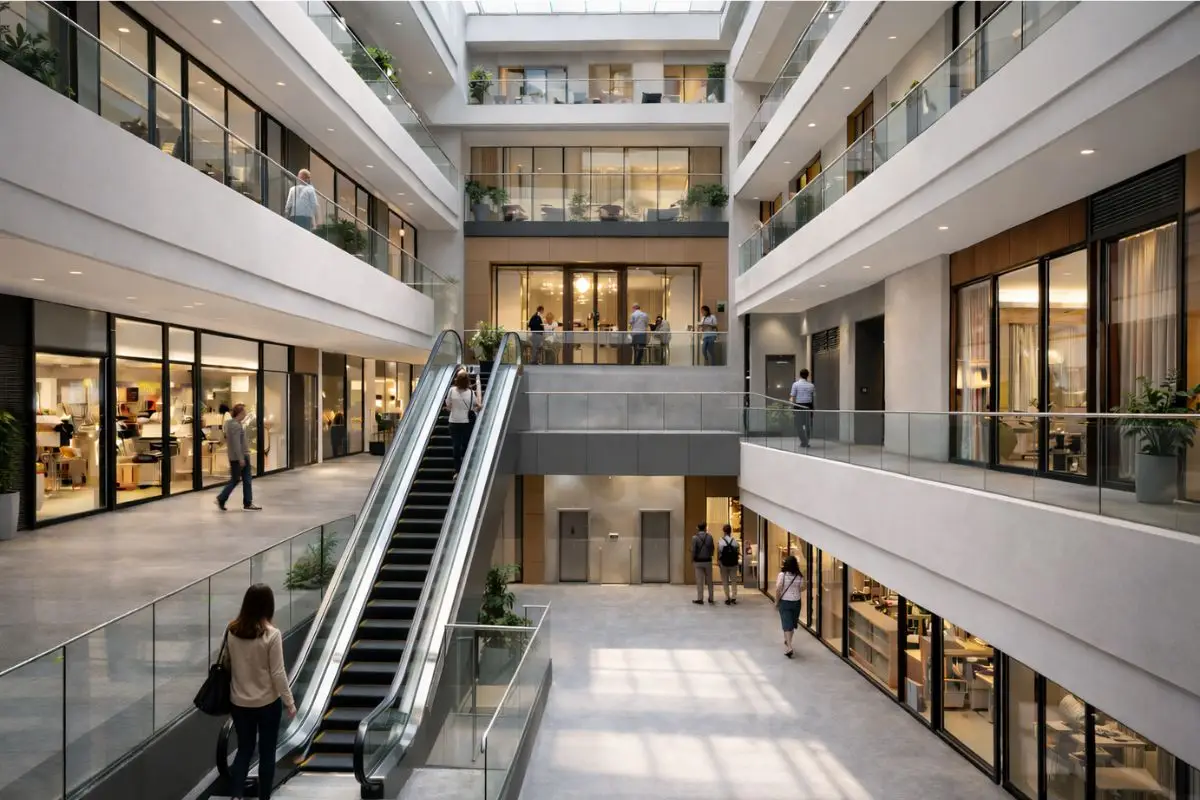
This arrangement requires careful planning. Each component must maintain its own identity while remaining connected to the larger system. Access points, shared services, and vertical circulation must be coordinated to prevent conflict between different user groups.
In mixed-use development in Manila, successful integration depends on how clearly these relationships are defined. Poorly planned transitions between uses can lead to congestion and reduced usability.
Circulation and Spatial Hierarchy
Circulation is one of the most critical aspects of vertical communities. Elevators, escalators, and corridors must handle different user groups while maintaining efficiency.
Separate access for residents, office workers, and retail visitors is often necessary. At the same time, shared zones must remain intuitive and easy to navigate.
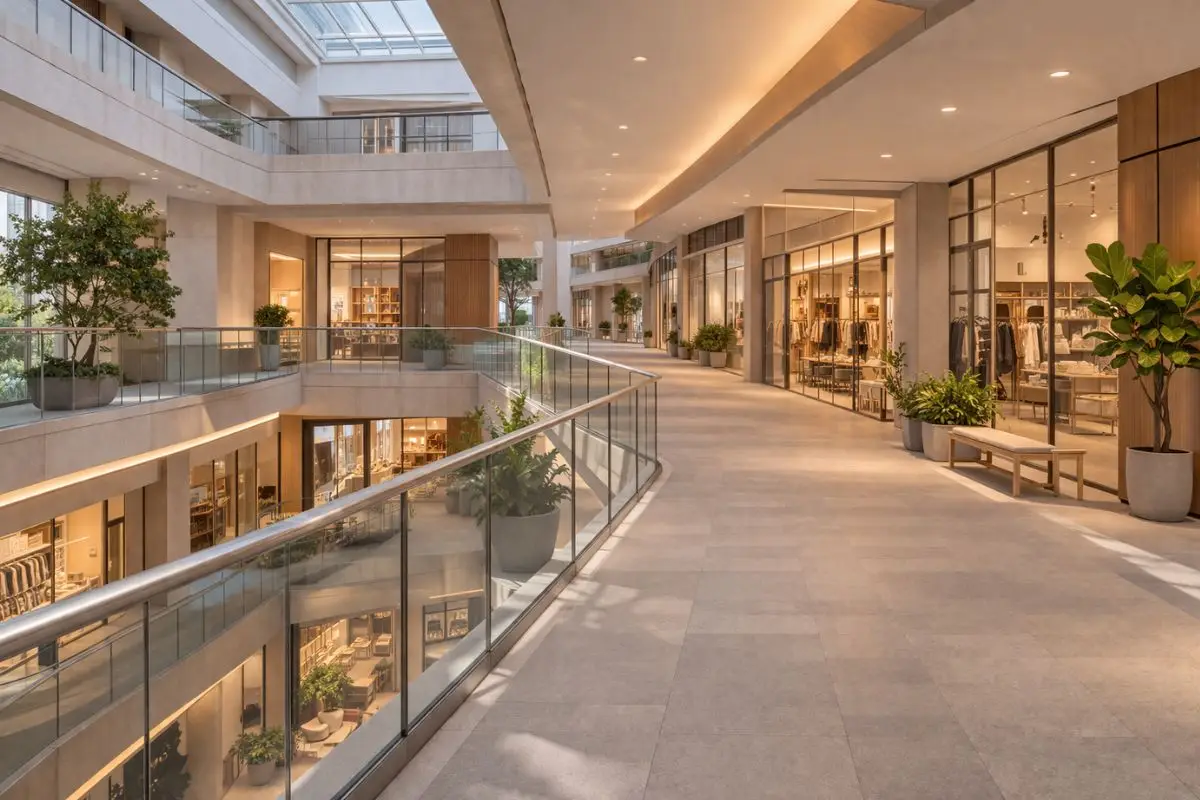
Clear spatial hierarchy helps users understand where they are within the building. Primary paths, secondary routes, and service areas must be logically organized. This reduces friction and improves daily usability.
In mixed-use development in Manila, circulation planning directly affects tenant satisfaction and operational performance.
Zoning and User Experience
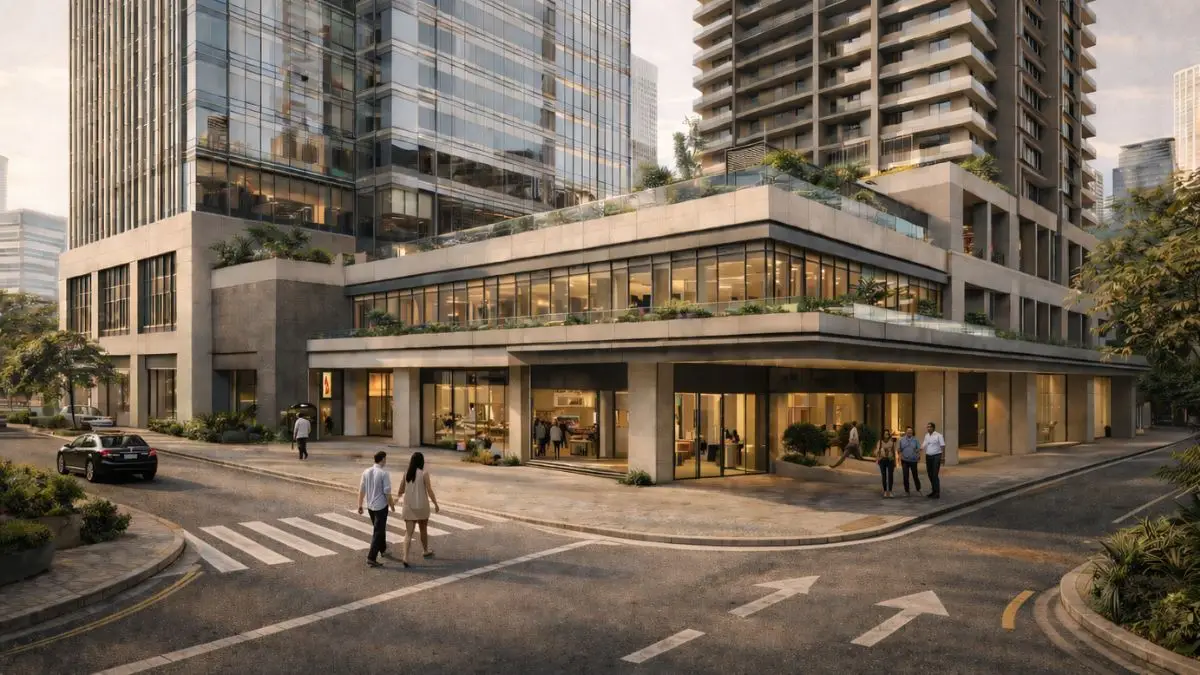
Zoning defines how different uses are distributed within the building. Retail is typically located at the lower levels, offices occupy the middle, and residential units are positioned above.
This arrangement is not arbitrary. It reflects patterns of access, noise control, and security requirements. Retail benefits from visibility and foot traffic, while residential areas require privacy and separation.
Well-defined zoning improves user experience. It ensures that each group can operate comfortably without interfering with others.
For developers, this clarity also supports leasing. Tenants are more likely to commit to spaces that are easy to understand and navigate.
Long-Term Value and Investment Performance
Mixed-use development in Manila offers long-term advantages for developers and investors. By combining multiple revenue streams within a single project, risk is distributed across different sectors.
This diversification strengthens financial stability. When one segment slows, others can continue to perform.
Beyond financial resilience, integrated developments also improve operational efficiency. Shared services, consolidated maintenance systems, and coordinated management reduce long-term costs while maintaining performance.
At the same time, integrated developments tend to remain relevant as urban conditions evolve. They support changing lifestyles and business models without requiring major restructuring.
Mixed-Use Development as a Strategic Approach
Vertical communities reflect a broader shift in how urban developments are conceived. Instead of isolated buildings, projects are designed as interconnected systems.
This perspective positions mixed-use development in Manila as a strategic approach rather than a trend. It aligns spatial planning with market behavior and long-term asset performance.
A vertical community integrates multiple uses such as residential, office, and retail within a single building or development system.
Limited land and high density make vertical integration more efficient and financially viable for developers.
Coordinating circulation and access between different user groups while maintaining clarity and efficiency.
It creates multiple revenue streams and allows the development to adapt to changing market conditions.
If you are planning a vertical or mixed-use project, Fulgar Architects can help align spatial planning, circulation, and development strategy to support long-term value.