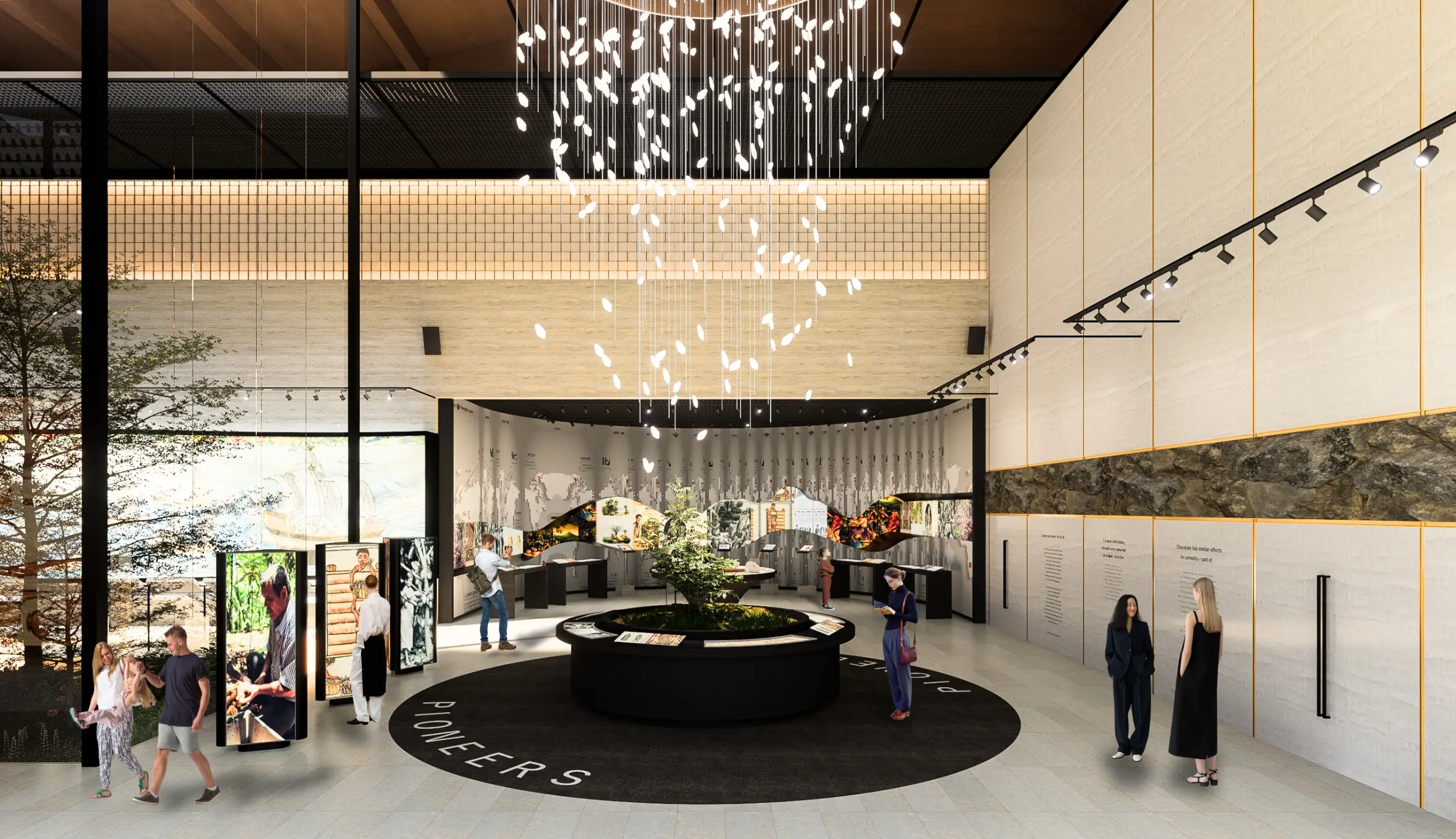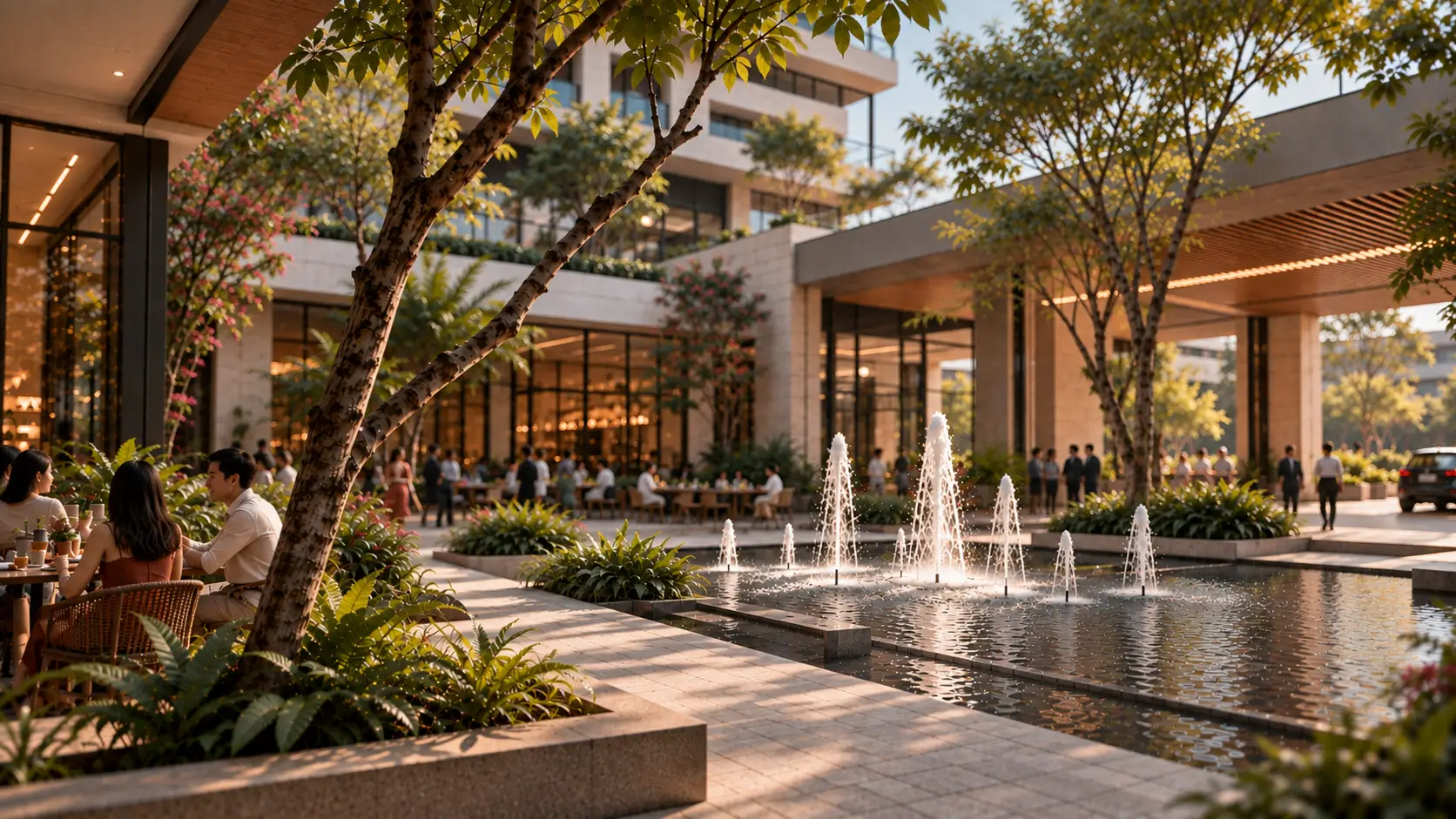













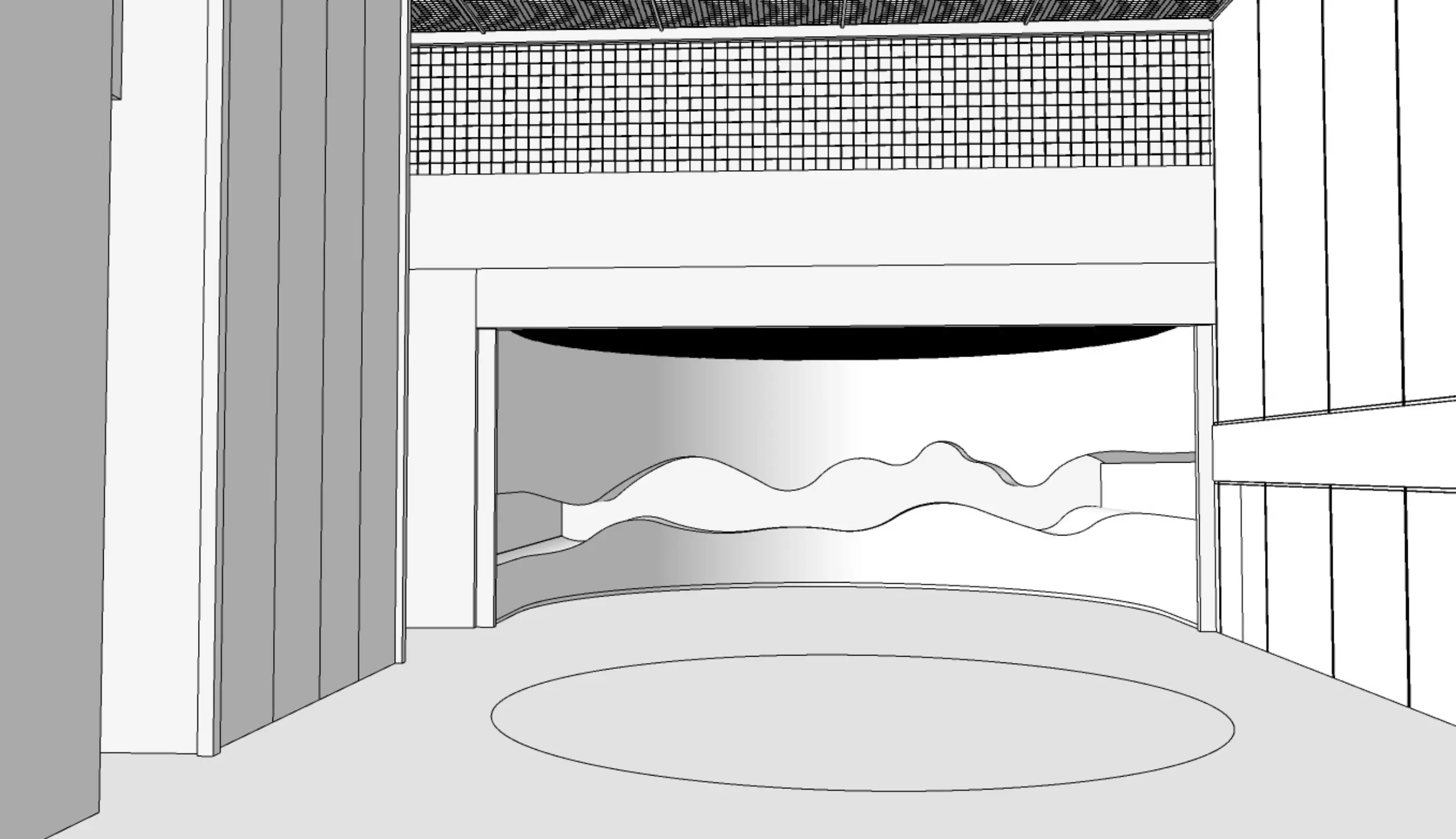
Conceptualizing an interior for a cacao museum begins with plans and massing, where the walls, partitions, and glass areas are carefully positioned to define circulation, light, and display zones. Architects start by understanding how visitors will move through the space, how exhibitions flow, and where natural light can enhance the story of cacao. Massing studies help determine the balance between openness and enclosure, creating zones that feel immersive yet navigable. Glass areas are strategically located to frame outdoor views, allow daylight penetration, and connect interior spaces while maintaining intimacy where needed.
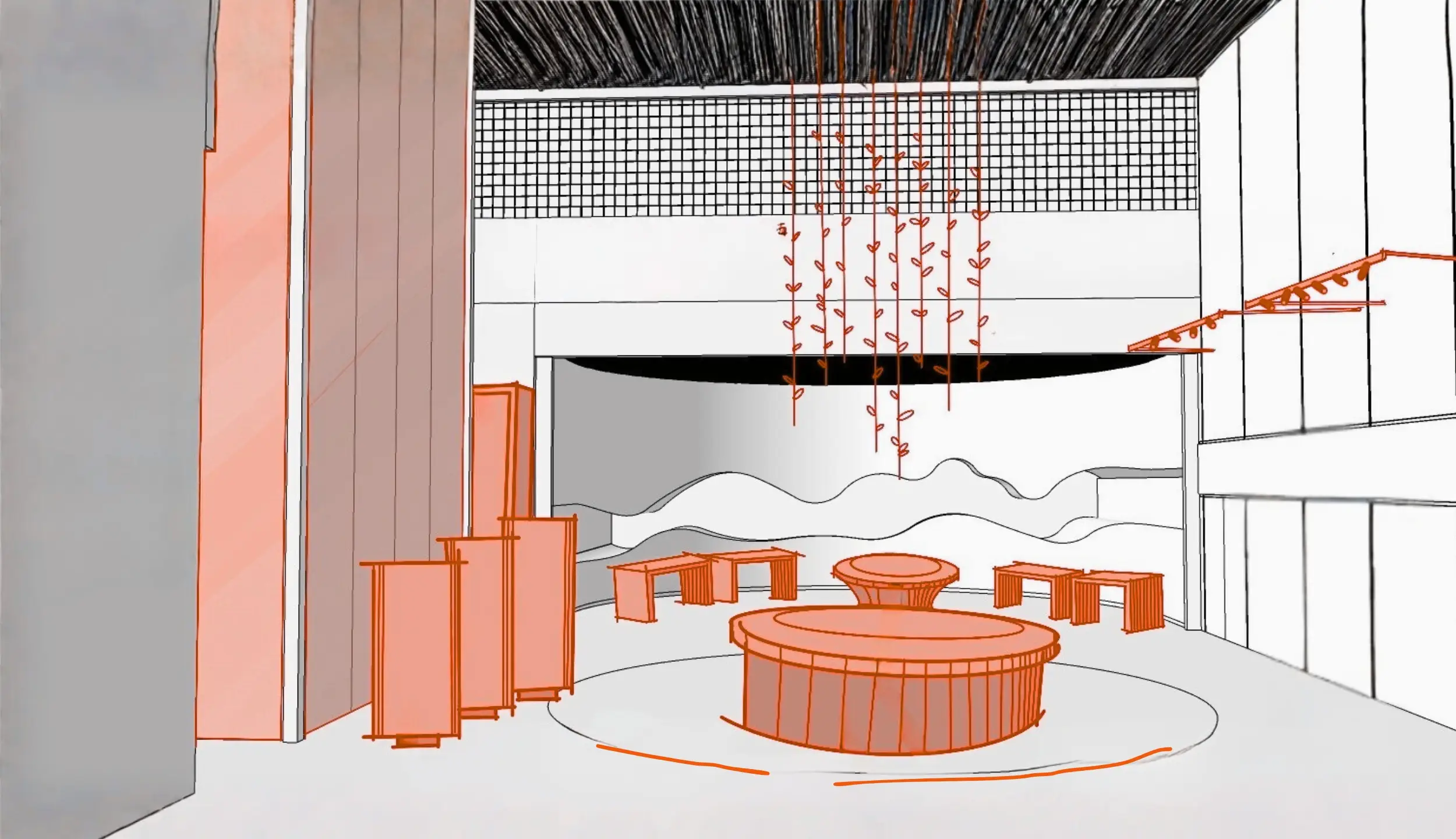
Once the spatial framework is set, the next step is idea development through sketching and annotation. Each zone, from the tasting room to interactive exhibits and educational spaces, is annotated with functional and aesthetic intentions. Sketches indicate where display cabinets, seating, lighting, and interactive installations will go, while notes detail materials, textures, and color palettes inspired by cacao beans, chocolate tones, and natural textures. This stage allows the design team to experiment rapidly, integrating storytelling elements, visitor engagement strategies, and circulation logic into the evolving plan.
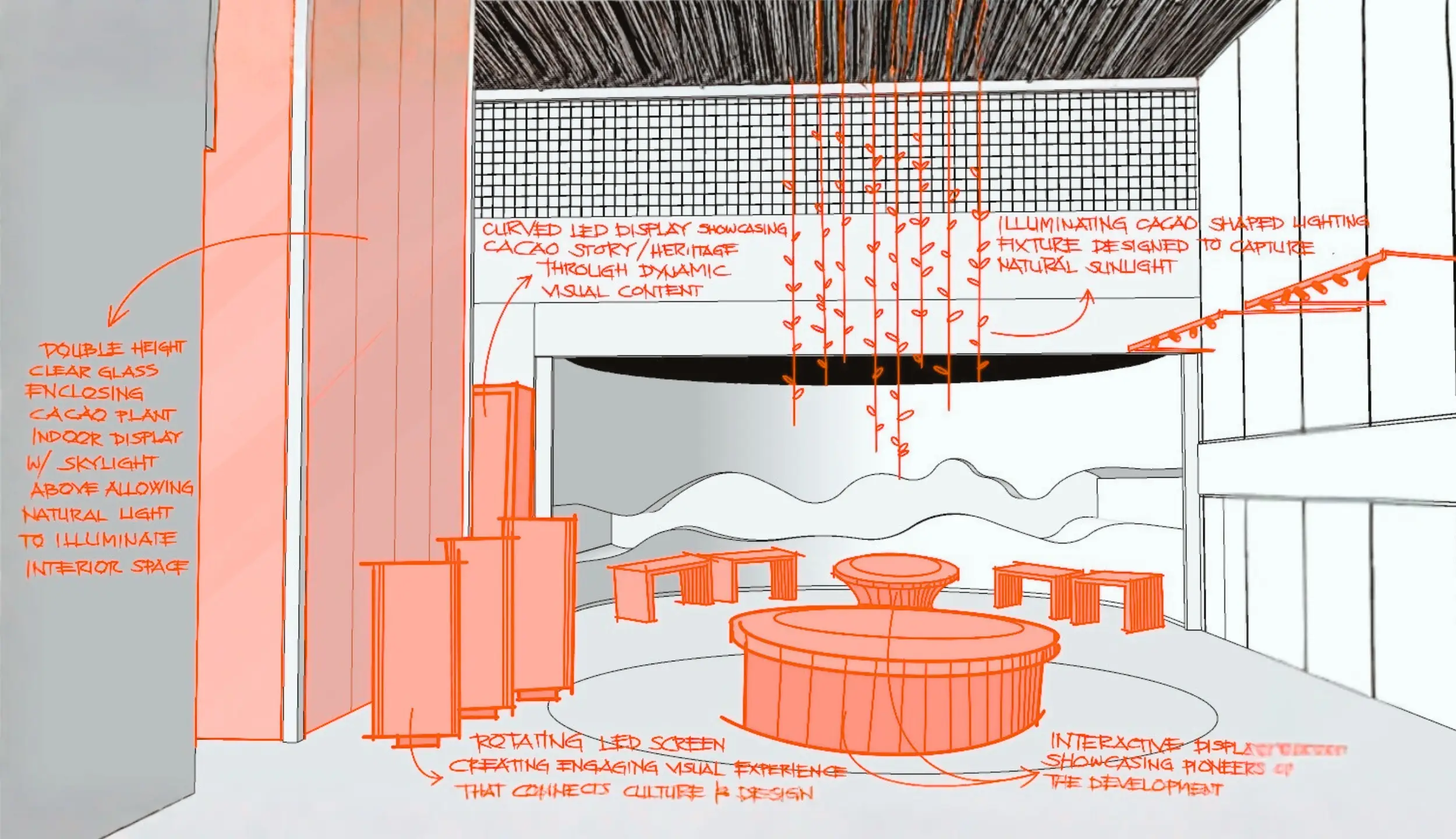
Design resolution transforms these ideas into refined interiors. The sketches are translated into detailed layouts, 3D models, and high-fidelity renderings that convey materiality, lighting, and mood. Wall textures, lighting fixtures, furniture, and interactive displays are resolved in harmony with the cacao theme, ensuring the museum feels both educational and experiential. Renderings provide a visual narrative of the visitor journey, highlighting how spaces interact and flow while maintaining cohesion between functional requirements and conceptual storytelling.
The final result is an interior that celebrates cacao through architecture and design, where every wall, glass panel, and curated exhibit contributes to an immersive visitor experience. By starting with massing, layering ideas through sketches and annotations, and resolving design details in renderings, architects can transform conceptual ambitions into a cohesive, memorable space that educates, delights, and inspires a deeper appreciation for cacao.