












- Infrastructure quality determines long-term property performance and maintenance costs
- Master planning shapes lot value, privacy, and spatial hierarchy
- Circulation and access influence daily experience and resale strength
- Governance systems sustain value beyond initial development
- Premium value is driven by planning and operations, not just appearance
In the Philippines’ luxury residential communities, the perception of value is often shaped by what is immediately visible. Entry gates, landscaped boulevards, and curated amenities create a sense of exclusivity. These elements matter, yet they rarely explain why some subdivisions retain value over decades while others decline within a few years. The difference is rooted in decisions that are less visible but far more consequential.
Understanding what drives long-term performance requires looking beyond presentation. High-end subdivisions are defined by how land is structured, how systems are built, and how the development is managed over time. These are the factors that determine whether a property remains an asset or becomes a liability.
Infrastructure as the Foundation of Value
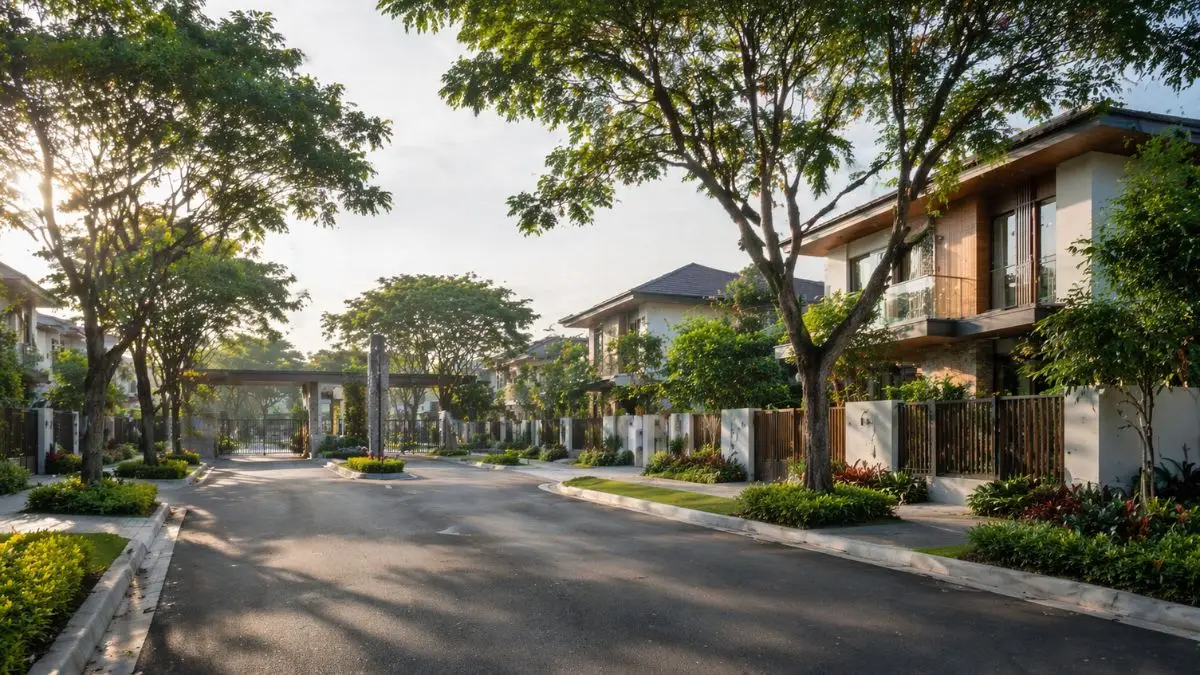
Infrastructure is often treated as background, yet it carries the greatest long-term impact. Road construction, drainage systems, water supply, and electrical distribution determine how well a subdivision performs under daily use and environmental stress. In well-executed luxury residential communities in the Philippines, these systems are designed with durability and redundancy in mind.
Road networks are built to handle long-term load without premature deterioration. Drainage systems are calibrated for heavy rainfall, preventing flooding and protecting both property and landscape investments. Utility systems are planned to minimize disruption and support consistent service.
These elements do not attract attention when they work. Their value becomes clear when they fail. Subdivisions with compromised infrastructure quickly lose their positioning, regardless of how strong their initial presentation may have been.
Master Planning and Land Structure
The arrangement of land defines how a subdivision functions. Master planning determines how lots are positioned, how streets connect, and how different zones interact. In high-end developments, this structure is deliberate and disciplined.
Lot orientation influences natural light, ventilation, and privacy. Road hierarchy separates primary movement from quieter residential streets. Edge conditions, such as perimeter lots or open space adjacency, affect both desirability and long-term value.
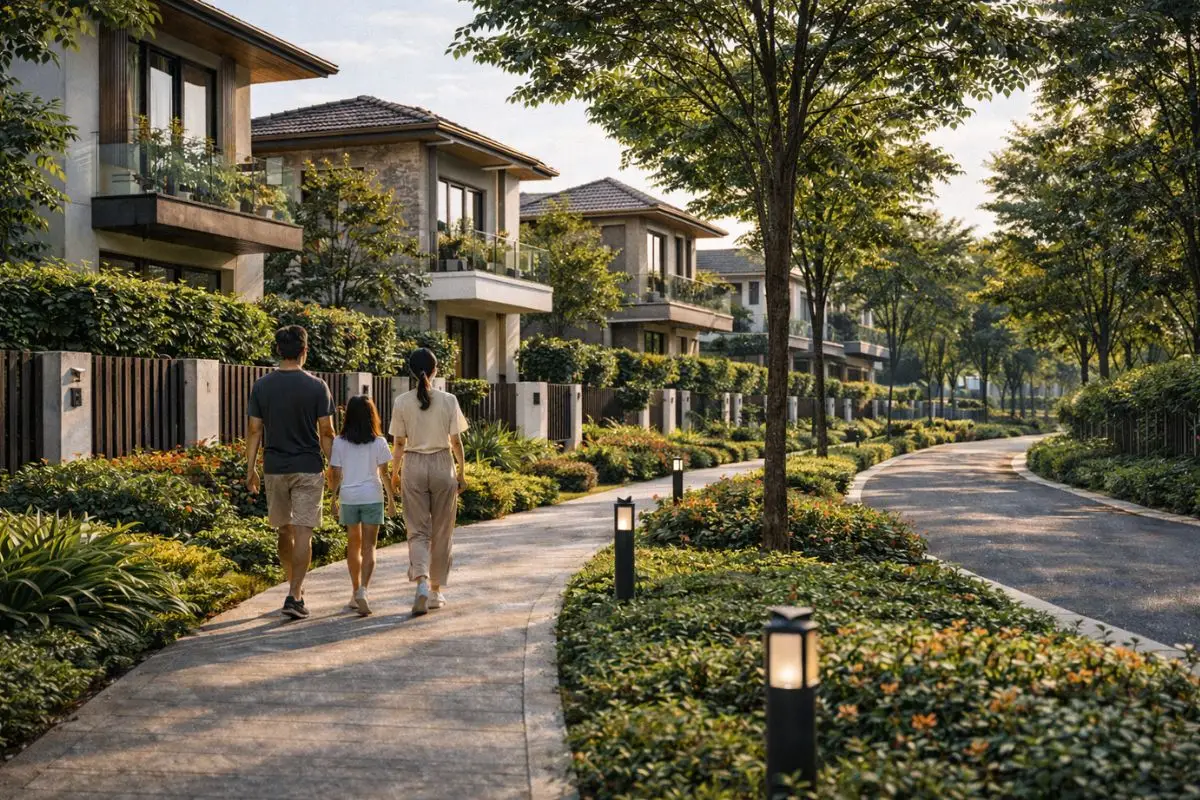
Across luxury residential communities in the Philippines, strong planning creates clarity without rigidity. It allows variation in house design while maintaining a coherent environment. This balance supports both individuality and collective identity.
Circulation and Access as Daily Infrastructure
Circulation systems shape how residents experience a subdivision every day. Entry points, internal roads, and pedestrian paths determine how easily people move through the environment. These decisions influence convenience, security, and perception.
Well-planned developments manage movement with intention. Through-traffic is limited, residential streets remain quiet, and navigation feels intuitive. Access points are positioned to balance exclusivity with practicality.
When circulation is poorly resolved, the impact is immediate. Congestion, confusion, and compromised security reduce both livability and long-term appeal. When it is done well, it becomes invisible, supporting daily life without friction.
Architectural Control and Cohesion
High-end subdivisions rely on a level of architectural control to maintain consistency. Guidelines on materials, setbacks, and building proportions ensure that individual houses contribute to a unified environment.
This approach does not limit design. It sets a framework within which variation can occur without undermining overall quality. Over time, this consistency strengthens the identity of the development and supports its position in the market.
In luxury residential communities across the Philippines, this cohesion prevents the visual fragmentation that often weakens lower-tier developments. It ensures that value is supported collectively rather than left to individual decisions.
Governance and Long-Term Performance
The long-term condition of a subdivision is shaped by how it is managed. Homeowners associations, property management teams, and maintenance systems determine how well the development is sustained.
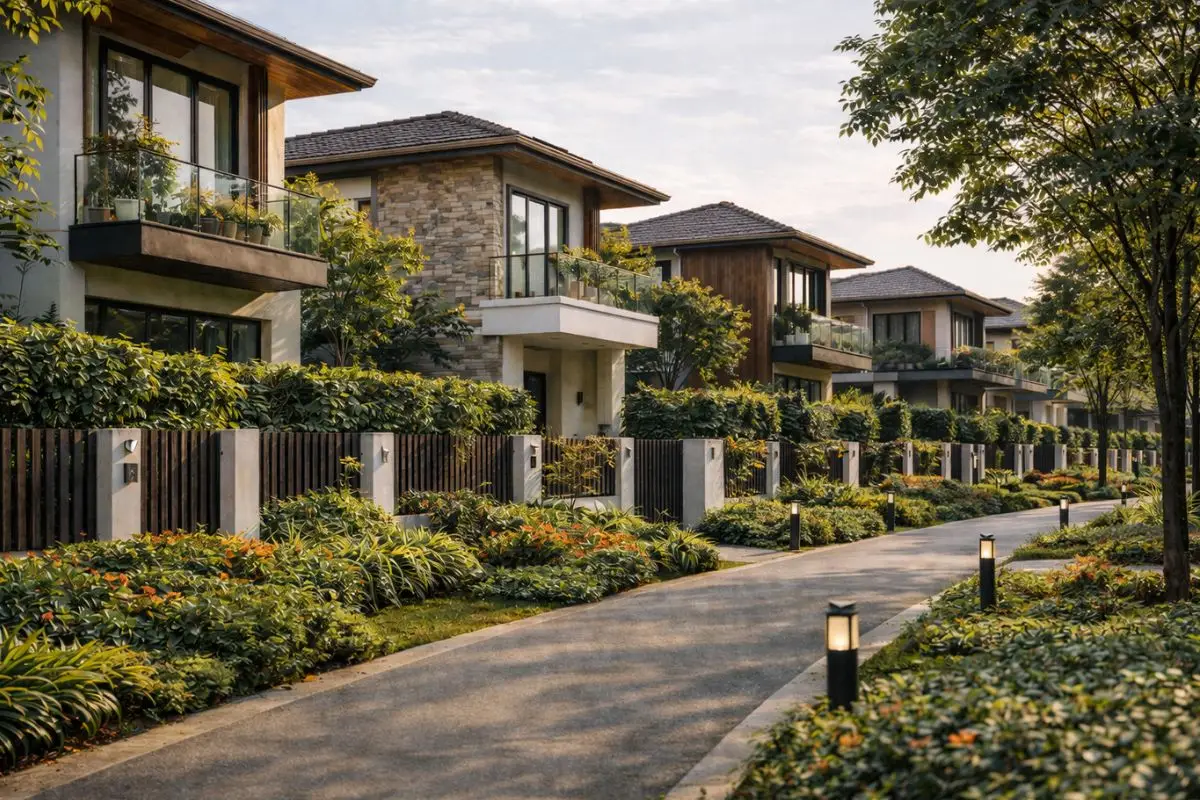
Regular upkeep of roads, landscaping, and shared facilities preserves both function and appearance. Clear policies maintain order and reduce conflict. Financial planning ensures that maintenance can continue without disruption.
Developments with strong governance maintain their quality over time. Those without it tend to decline, even if their initial design was well considered.
What Buyers Are Actually Paying For
The premium associated with high-end subdivisions is often misunderstood. Amenities and visual presentation contribute to perception, but they are not the primary drivers of long-term value. The real investment lies in planning discipline, infrastructure quality, and operational consistency.
Buyers in luxury residential communities in the Philippines who understand this distinction make more resilient decisions. They recognize that value is not defined by what is immediately visible, but by the systems that support the development over time.
Infrastructure quality, master planning, and long-term governance determine real value beyond visual features.
It supports durability, prevents issues like flooding or service disruption, and protects long-term property value.
It influences privacy, lot desirability, circulation, and how the subdivision functions as a whole.
Consistent maintenance, strong governance, and clear planning logic ensure the development remains competitive over time.
Choosing within luxury residential communities in the Philippines often comes down to what sits beneath the surface. The way roads are laid out, how drainage is handled, and how a community is maintained all shape how it feels to live there over time.
Fulgar Architects works with developers to plan these communities with care from the beginning, so they continue to feel considered, functional, and valuable long after they are completed.