












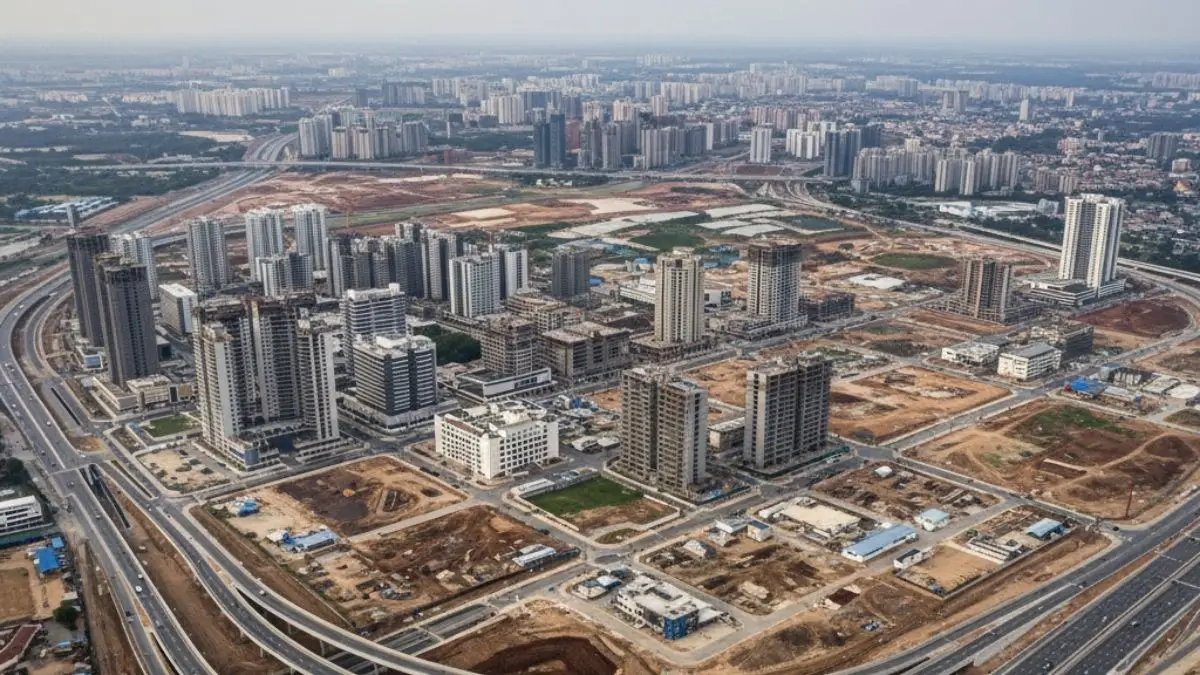
At the district and large-scale levels, architectural strategy at the urban scale becomes most visible as a coordinating discipline. This is where architecture operates beyond individual commissions and begins to structure relationships between land, infrastructure, phasing, and governance. The architect’s contribution is measured less by formal resolution and more by the clarity of decisions that allow multiple projects, timelines, and ownership structures to coexist within a shared spatial logic.
In this context, strategy is not an abstract exercise. It is expressed through block dimensions that can absorb change, circulation frameworks that anticipate future connections, and development rules that remain legible even as ownership and program shift. These decisions establish a structure that guides growth incrementally, allowing the city to evolve without losing coherence. Coherence emerges because architectural intent is embedded early and reinforced repeatedly, instead of being imposed after growth has already fragmented the site.
Architecture as a Coordinating Discipline
At the urban scale, architecture sits between planning policy and construction reality. It translates abstract regulations into spatial decisions that developers can implement with clarity and consistency. This is where architectural strategy at the urban scale proves its value. It aligns infrastructure logic, real estate feasibility, and long-term spatial quality into a single, workable framework.

Architecture coordinates sequencing. It determines which parcels develop first, where density should concentrate to support transport investment, and how future phases can connect without requiring costly retrofitting. These decisions influence whether rapid growth produces a legible city with clear relationships or an accumulation of isolated enclaves shaped by short-term priorities.
Working Within Rapid Urban Growth
Rapid growth amplifies the consequences of early decisions. A misaligned road or poorly sized block is multiplied across hectares, locking inefficiencies into the urban fabric. Architectural strategy anticipates this amplification and establishes safeguards for future coherence, even when information is incomplete and conditions remain fluid.
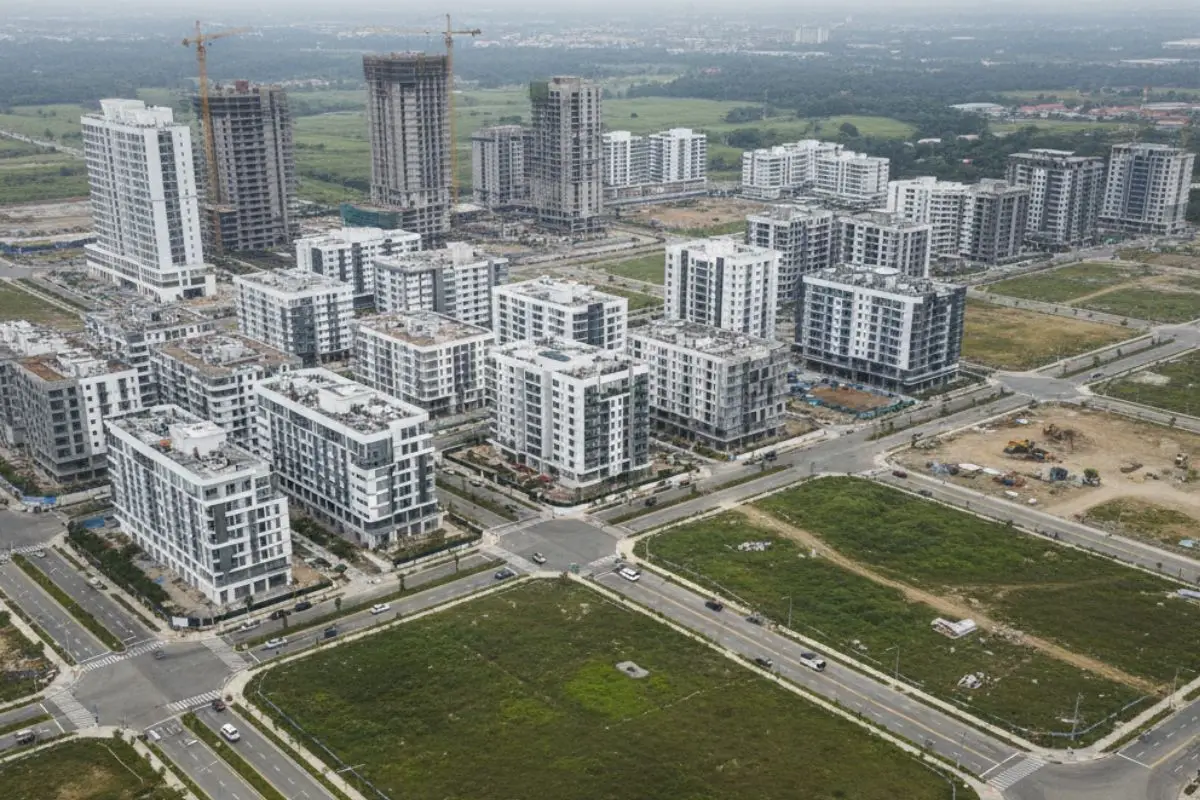
This approach becomes especially relevant in contexts where infrastructure lags behind development. Architecture must anticipate future systems while avoiding premature commitments that limit flexibility. The outcome is a city that absorbs growth through a stable framework, retaining clarity of structure as density and complexity increase.
Coherence as a Long-Term Asset
Establishing coherence within rapid urban growth is not a visual exercise. It is an economic and social one. Cities that maintain their structure over time support stable property values, adaptable land use, and resilient public space. Architectural strategy at the urban scale ensures that growth reinforces the city’s spatial logic instead of diluting it through incremental compromise.
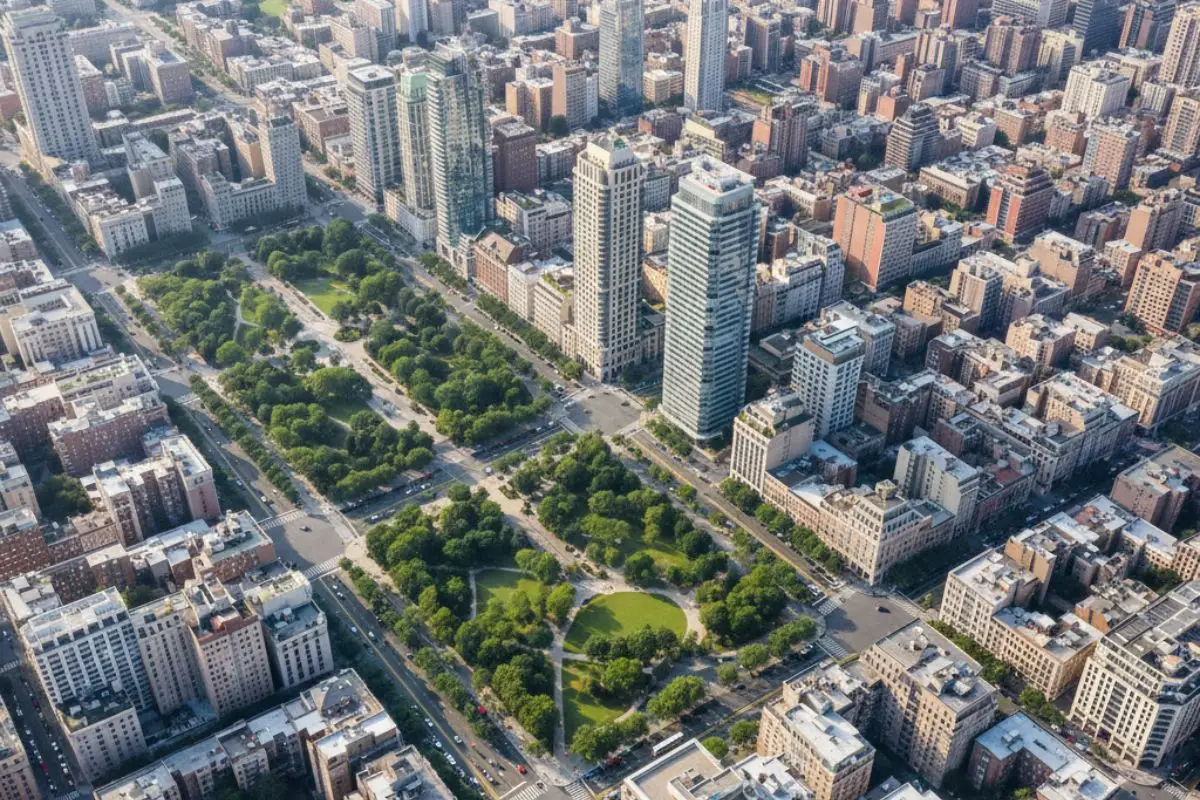
The architect’s role expands from designer of buildings to steward of spatial continuity. In fast-growing environments, this role becomes indispensable, shaping urban form through decisions that endure beyond individual projects.

At the city level, architectural strategy considers how land, infrastructure, public spaces, and buildings fit together over time. It guides growth so density, access, services, and identity remain clear as cities expand. The focus rests on relationships, sequencing, and long-term outcomes rather than isolated design gestures.
Rapid growth compresses decision-making timelines and amplifies the consequences of early mistakes. Early architectural involvement helps align land use, mobility, infrastructure capacity, and phasing logic before patterns become difficult to reverse. This reduces future retrofits, congestion, and value loss at both the district and city scale.
Urban planning establishes policy frameworks, zoning parameters, and regulatory boundaries. Architectural strategy operates across those boundaries, translating them into spatial structures that can be built, phased, and adapted. It focuses on how places are occupied, managed, and evolved rather than how they are drawn up.
Phasing is a primary design tool in rapidly growing cities. Architectural strategy ensures that each phase functions as a complete and legible environment while contributing to a larger, long-term vision. Without this discipline, early phases often become permanent constraints that undermine future growth.
Architecture arranges infrastructure so roads, drainage, utilities, and public transport support development rather than fragment it. By planning alignments, density, and connections early, architectural strategy allows infrastructure to grow with the city.
Growth trajectories rarely follow original forecasts. An architectural strategy that allows changes in land use, density, and building types helps cities respond to economic, population, and climate pressures. Flexibility protects long-term urban value by reducing exposure to early obsolescence.
Livability relies on access, clarity, and daily comfort. Decisions at the city scale influence block size, walkability, public space networks, and microclimate conditions. When planned with discipline, higher density supports vitality instead of congestion or decline.
Without architectural strategy, growth becomes reactive. Infrastructure falls behind, public spaces shrink, and neighborhoods lose clarity of purpose. Over time, this weakens economic performance and social resilience. Urban-scale architecture mitigates these risks by guiding growth rather than merely keeping pace with it.