












The success of a mixed-use project is rarely defined by its size or visual impact. It is shaped early through a sequence of choices that determine how uses relate to one another, how people move through the site, and how value is sustained over time. Design decisions in mixed-use developments quietly and decisively influence these outcomes. They affect performance, flexibility, and operational clarity long after the buildings are complete.
As mixed-use projects become more common in growing cities, delivering them has become more challenging. Higher land costs, stricter rules, and greater user expectations put pressure on every design decision. The focus has shifted toward creating spatial relationships that remain clear and effective as needs change.
Understanding Mixed-Use Complexity
Mixed-use developments bring together spaces with different activity patterns. Offices are busiest on weekdays, residential areas are active in the evenings, hospitality responds to fluctuating demand, and retail depends on consistent foot traffic. Early planning determines whether these patterns reinforce one another or compete for space and resources.
This complexity manifests in practical decisions. Service access, loading strategies, vertical circulation, and the sequencing of public and private zones require resolution from the outset. When addressed early, the project gains operational stability. When deferred, conflicts emerge that are costly to correct and difficult to conceal.
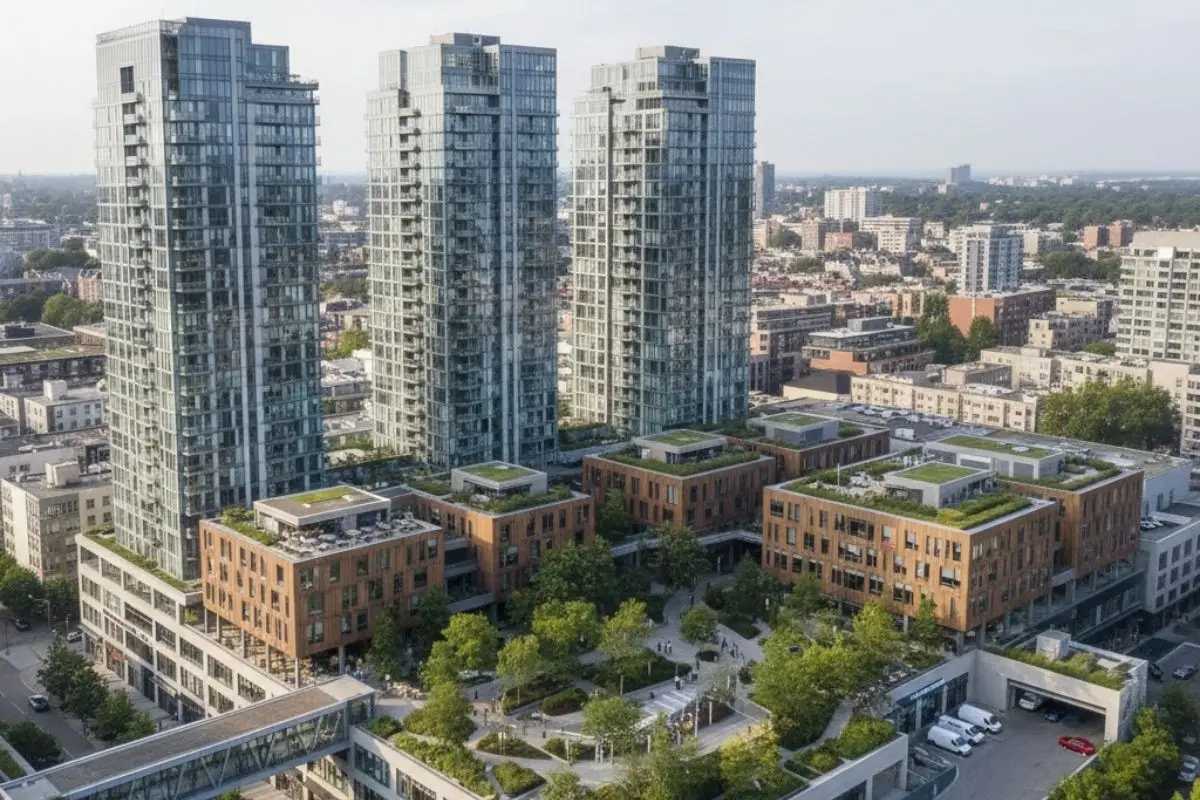
In the Philippine setting, mixed-use projects often sit within larger estates or evolving townships. Architectural decisions, therefore, extend beyond a single site. They must anticipate future phases, adjacent parcels, and infrastructure growth. Design becomes a long-term framework rather than a finished composition.
Clear coordination at this stage allows different user groups to coexist without friction. Separating service routes from pedestrian movement and distinguishing residential entries from commercial lobbies protects privacy, safety, and efficiency. This clear structure helps the whole development work well together.
Design Decisions in Mixed-Use Developments
The most consequential design decisions are often invisible. Floor plate proportions, structural grids, servicing zones, and podium organization rarely appear in marketing material, yet they shape adaptability and efficiency for decades. Design decisions in mixed-use developments must prioritize these fundamentals to ensure long-term viability as market conditions shift.
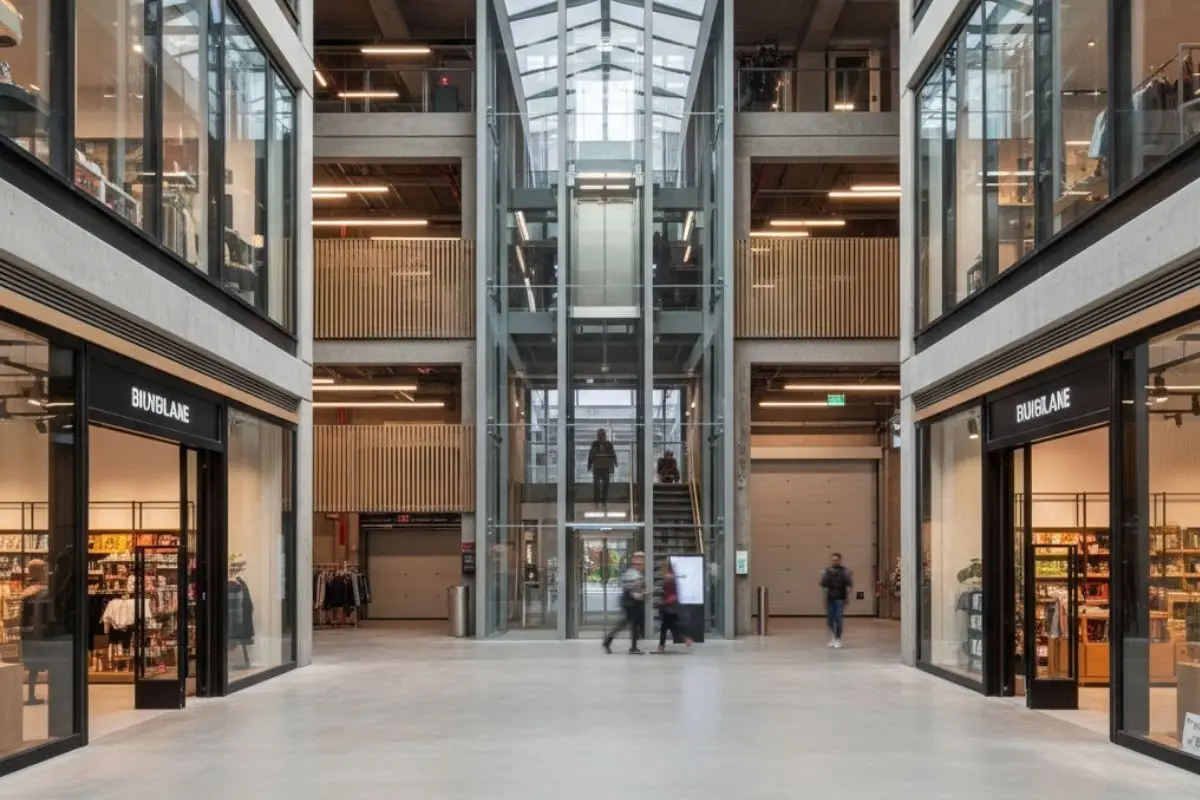
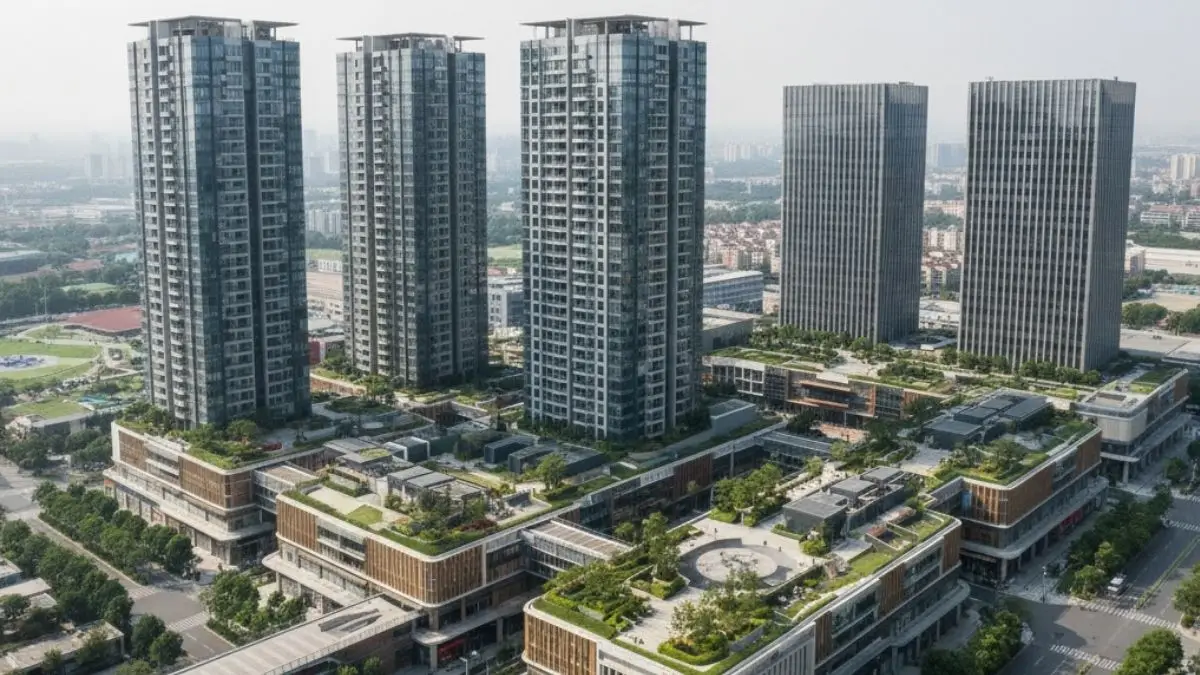
For developers, these choices impact whether a project is practical. Careful stacking can increase rentable space without sacrificing comfort. Separating back-of-house systems cuts down on operational problems between different uses. Clear pathways make it easier to get around and improve the experience for tenants.
Here, architecture operates as a strategic tool. Spatial planning translates commercial intent into built form, aligning investment timelines with physical structure. This alignment allows projects to respond to market change while retaining clarity of purpose.
Thoughtful planning of podiums and basements can unlock additional value. Efficient parking and grouped service areas free up ground-level space for shops or public uses. These technical choices shape how well the development performs over its whole life.
Contemporary Expectations and Everyday Use
Mixed-use developments today are judged less by novelty and more by how naturally they support daily routines. Walkability, legible public spaces, and clear connections between programs have become baseline expectations.
Street edges, block dimensions, and open space placement influence whether a development feels accessible or inward-looking. Retail positioned without regard for transit access, residential lobbies, or office entries underperforms regardless of architectural quality. These are functional choices with lasting commercial consequences.
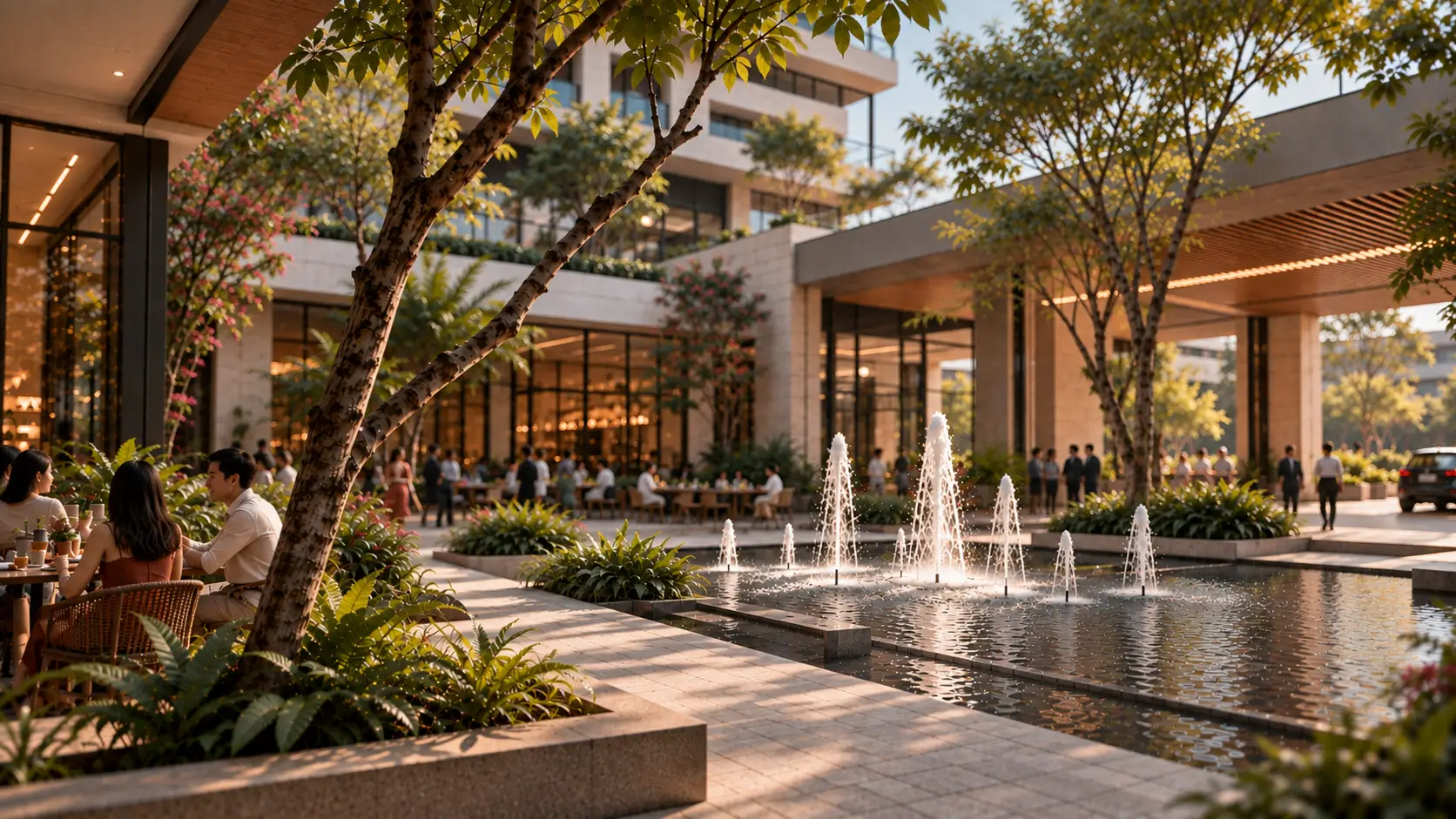
Climate responsiveness further sharpens these decisions. In tropical environments, shading, ventilation, and weather protection must be embedded in massing and circulation. When treated as core design inputs, they improve comfort and reduce long-term operational load.
Attention to the human scale ensures that mixed-use projects integrate smoothly into their urban context. Careful treatment of edges where public space meets private development encourages foot traffic and long-term relevance.
Phasing and Long-Term Adaptability
Most large mixed-use developments are delivered in stages. Phasing responds to financing structures, absorption rates, and infrastructure timing. Early design decisions determine whether each phase strengthens the whole or functions as an isolated intervention.
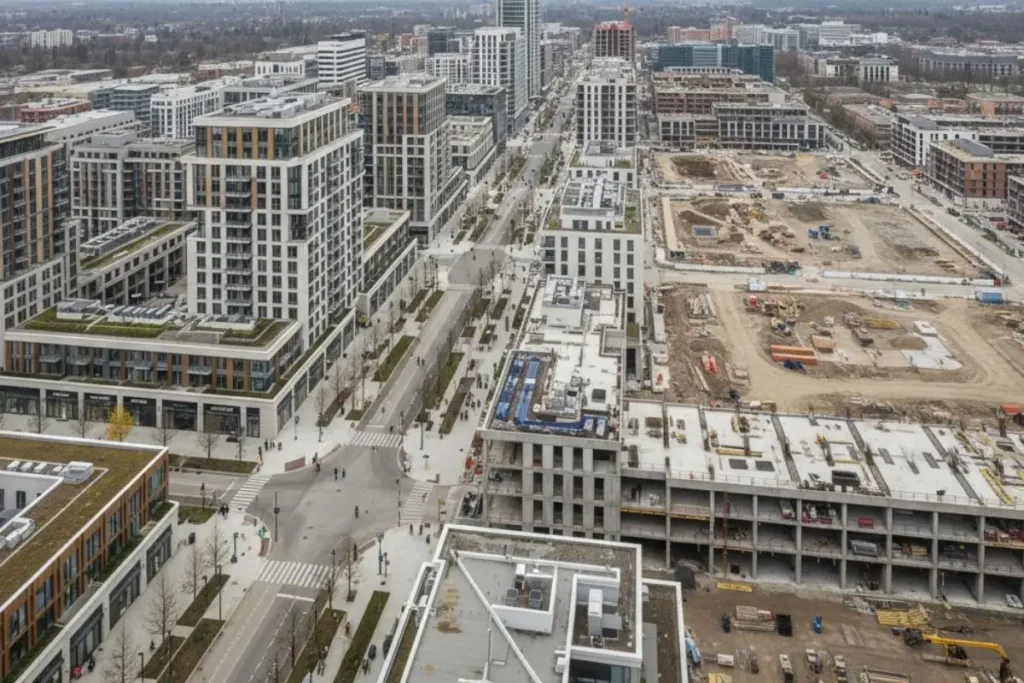
A clear master plan lets buildings be built one at a time while still fitting together as a district. Planning for future growth, shared utilities, and flexible sites supports adaptation without undermining the original intent.
Adaptability has become a measure of resilience. Residential preferences shift, office formats evolve, and retail models change. Design that allows reconfiguration or conversion protects long-term investment and reduces exposure to volatility.
Long-term planning also means thinking about replacing systems and upgrading infrastructure. Planning for these changes early helps avoid disruptions and keeps the project from becoming outdated too soon.
Design and Operational Reality
A mixed-use development reveals its true quality after handover. Property management, security, maintenance, and tenant operations interact with architectural decisions on a daily basis. When design aligns with operational reality, these interactions remain efficient and predictable.
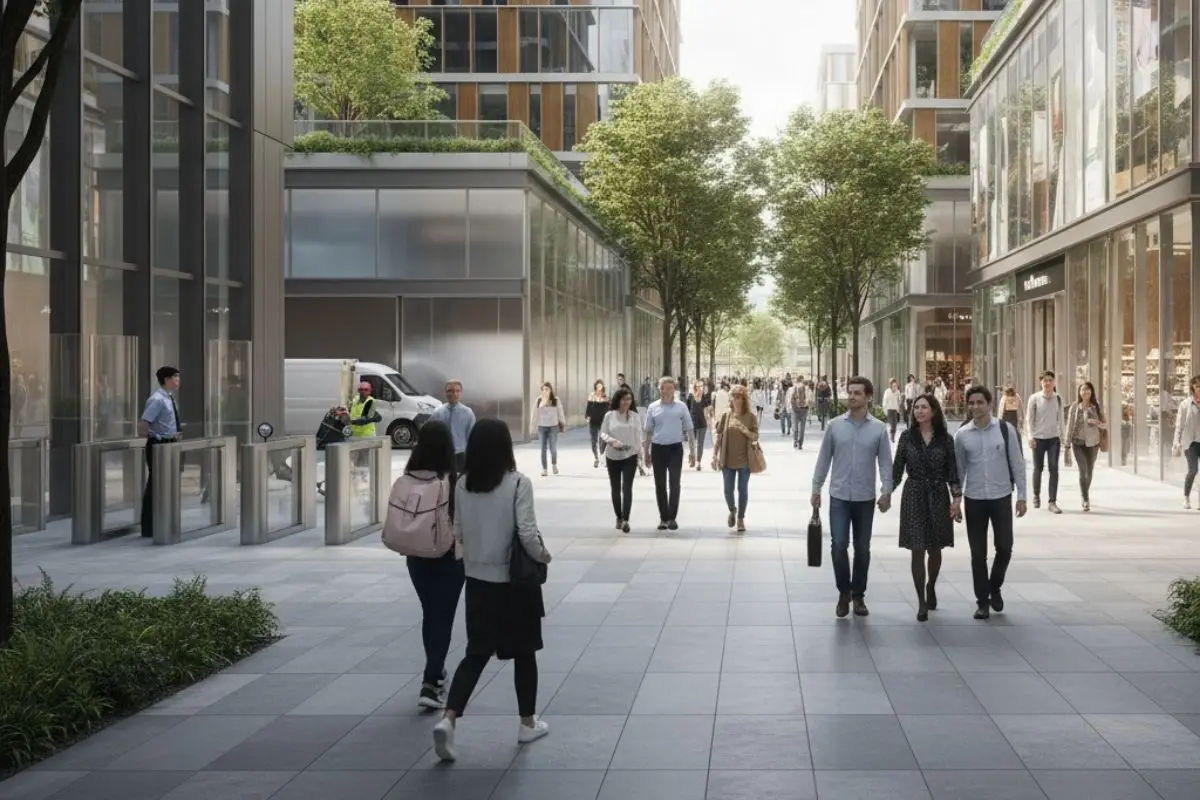
Clear zoning, intuitive circulation, and well-planned service routes reduce reliance on constant intervention. Over time, this clarity supports tenant retention and preserves the project’s reputation.
This alignment requires architects to engage directly with how places are managed and used. Design decisions in mixed-use developments that overlook operational conditions often result in bottlenecks that frustrate occupants and management alike.
Ease of maintenance and clarity of security are as critical as visual quality. Buildings that are straightforward to operate sustain value through reliability rather than novelty.
A Measured View Forward
As mixed-use environments continue to shape urban growth, their success will depend on disciplined thinking rather than spectacle. Early design decisions in mixed-use developments provide a framework for aligning ambition with practicality. When made with foresight, they allow projects to mature, adapt, and retain value over time.
The most critical decisions occur before form-making begins. These include site access logic, program stacking, servicing separation, structural grids, and circulation hierarchies. Once established, these elements are difficult and costly to change, yet they define long-term operational efficiency and adaptability.
Early decisions establish spatial relationships that govern how different uses coexist over time. Clear circulation, servicing, and zoning allow buildings to age gracefully. When these fundamentals are compromised, operational friction accumulates, eroding asset performance.
Mixed-use developments must reconcile programs with different rhythms, privacy requirements, and servicing needs within a shared framework. Conflicts cannot be resolved in isolation. Architectural decisions must anticipate interaction across daily, seasonal, and phased conditions.
Adaptability should be embedded in the structure rather than added later. Floor-to-floor heights, column spacing, service distribution, and podium configuration should support future conversion or reconfiguration to protect long-term value.
Operational clarity shapes daily experience after handover. Clear zoning, legible circulation, and efficient service routes reduce management burden and support tenant satisfaction. Architecture aligned with operational reality sustains value more reliably than visual expression alone.