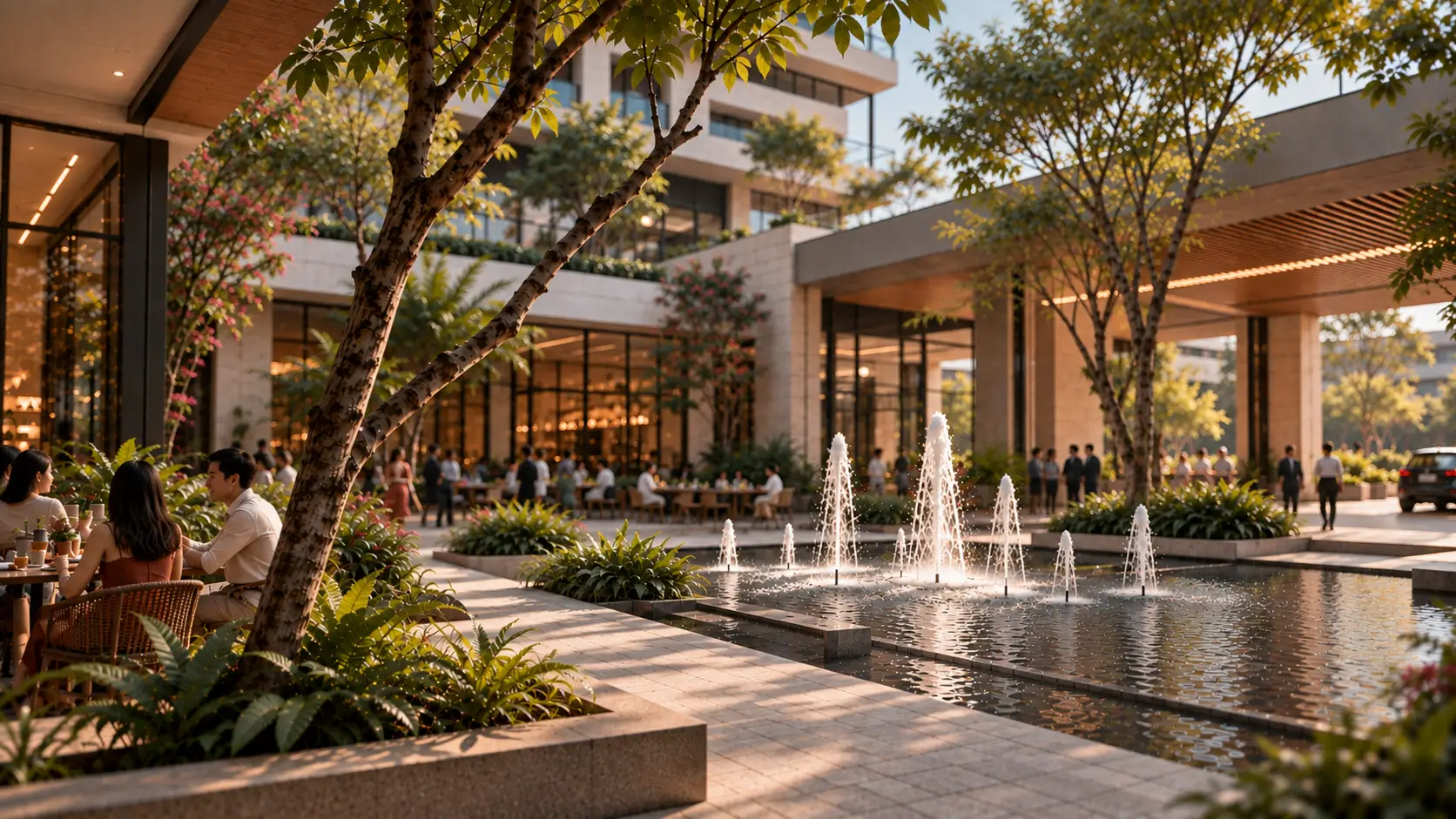













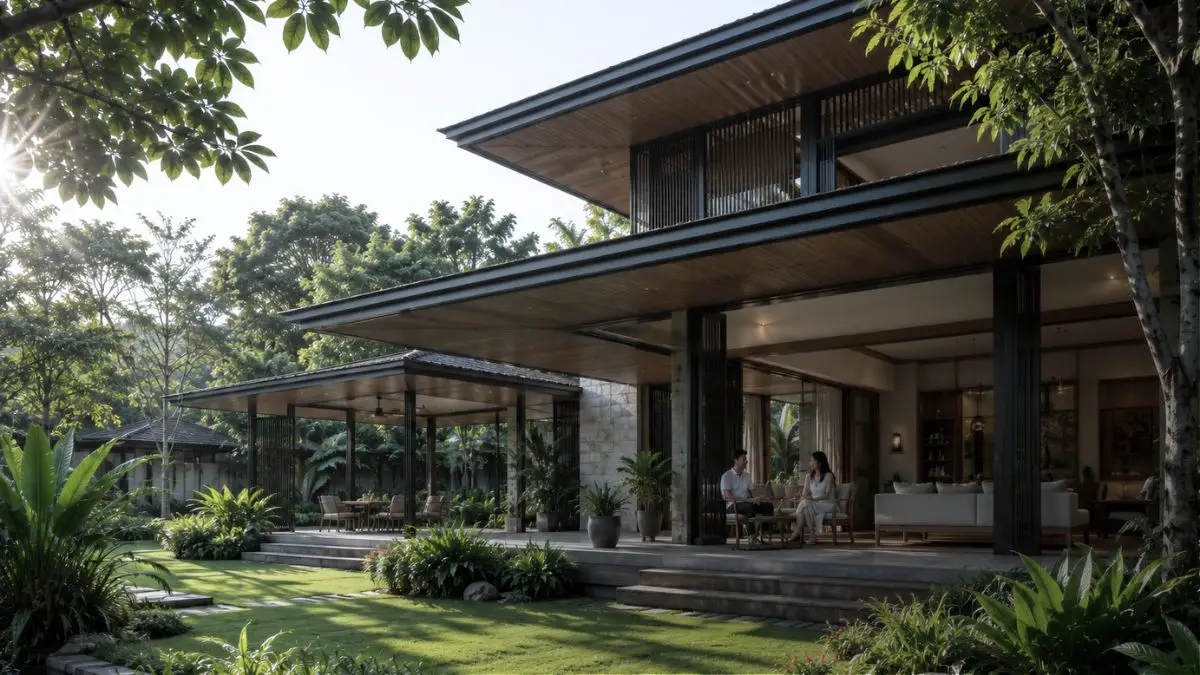
- Deep rooflines and shaded architectural elements are returning to contemporary residential design.
- Climate-responsive architecture remains one of the most effective ways to improve comfort in tropical environments.
- Overhangs, breezeways, and shaded outdoor spaces help reduce heat gain while enhancing everyday livability.
- Traditional tropical design principles continue influencing modern Filipino homes.
- Thoughtful shading strategies contribute to both energy efficiency and architectural character.
Why Traditional Design Elements Are Returning
For decades, many homes throughout the Philippines relied on architectural features specifically designed to respond to the tropical climate. Deep roof overhangs, covered verandas, shaded walkways, and naturally ventilated spaces helped create comfortable living environments long before air conditioning became commonplace.
As residential architecture evolved, some of these features gradually became less prominent in favor of cleaner forms and more minimalist aesthetics. Today, however, many architects and homeowners are rediscovering the value of climate-responsive design.
The return of deep rooflines and shaded architecture is not driven by nostalgia alone. It reflects a growing recognition that tropical environments demand architectural solutions capable of improving comfort, reducing heat gain, and enhancing everyday usability.
Within contemporary Philippine tropical house design projects, these elements are increasingly viewed as practical design tools rather than purely stylistic features.
The Role of Deep Rooflines
Few architectural elements influence environmental comfort as effectively as a well-designed roofline.
Deep overhangs help shield walls, windows, and outdoor spaces from direct solar exposure throughout the day. By reducing the amount of heat entering the building envelope, these roof extensions contribute to cooler interior environments and improved energy performance.
Beyond thermal comfort, rooflines also help define the visual character of a home. They create stronger shadows, improve façade depth, and establish a more deliberate relationship between indoor and outdoor spaces.
Many contemporary residences are now reinterpreting traditional roof forms through cleaner detailing and modern materials while preserving the climatic advantages that originally made them effective.
Shaded Spaces Extend Everyday Living
One of the most valuable qualities of shaded architecture is its ability to expand usable living space beyond enclosed interiors.
Covered terraces, outdoor lounges, garden pavilions, and transitional spaces allow residents to enjoy outdoor environments throughout much of the day. In tropical climates, these shaded areas often become some of the most frequently used parts of the home.
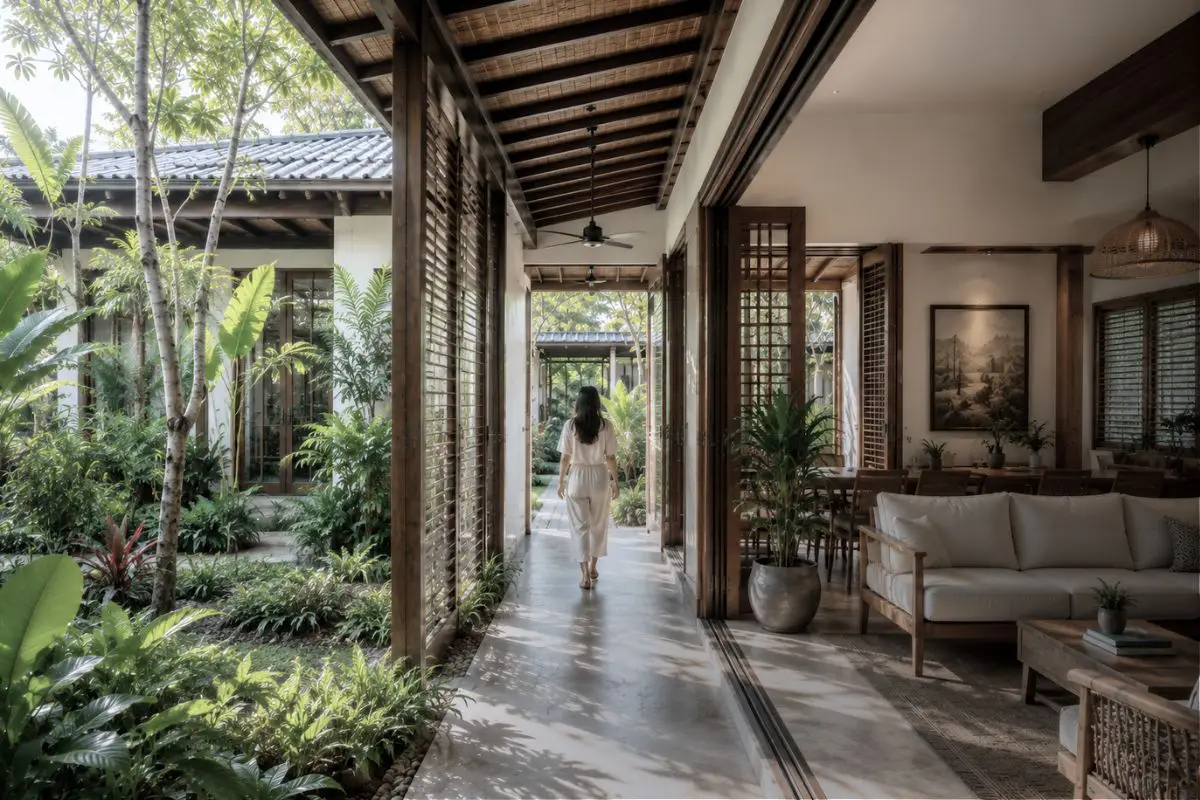
Rather than functioning as purely decorative additions, these spaces support everyday activities such as dining, entertaining, working, and relaxation.
As homeowners increasingly prioritize wellness, outdoor living, and environmental comfort, shaded spaces are becoming an important component of contemporary residential planning.
Breezeways and Natural Ventilation
Shading alone does not define climate-responsive architecture.
Air movement plays an equally important role in creating comfortable residential environments. Breezeways, open corridors, strategically positioned openings, and transitional spaces help promote natural airflow throughout the home.
These architectural strategies reduce dependence on mechanical cooling while improving indoor environmental quality.
Within tropical house design in Philippine projects, natural ventilation remains one of the most effective passive design strategies available. When combined with thoughtful orientation and shading, airflow can significantly improve thermal comfort across both interior and exterior spaces.
The result is a home that feels more connected to its environment while remaining comfortable throughout changing weather conditions.
Performance and Architectural Identity
Climate-responsive elements are often viewed primarily through the lens of performance. Yet they also contribute significantly to architectural identity.
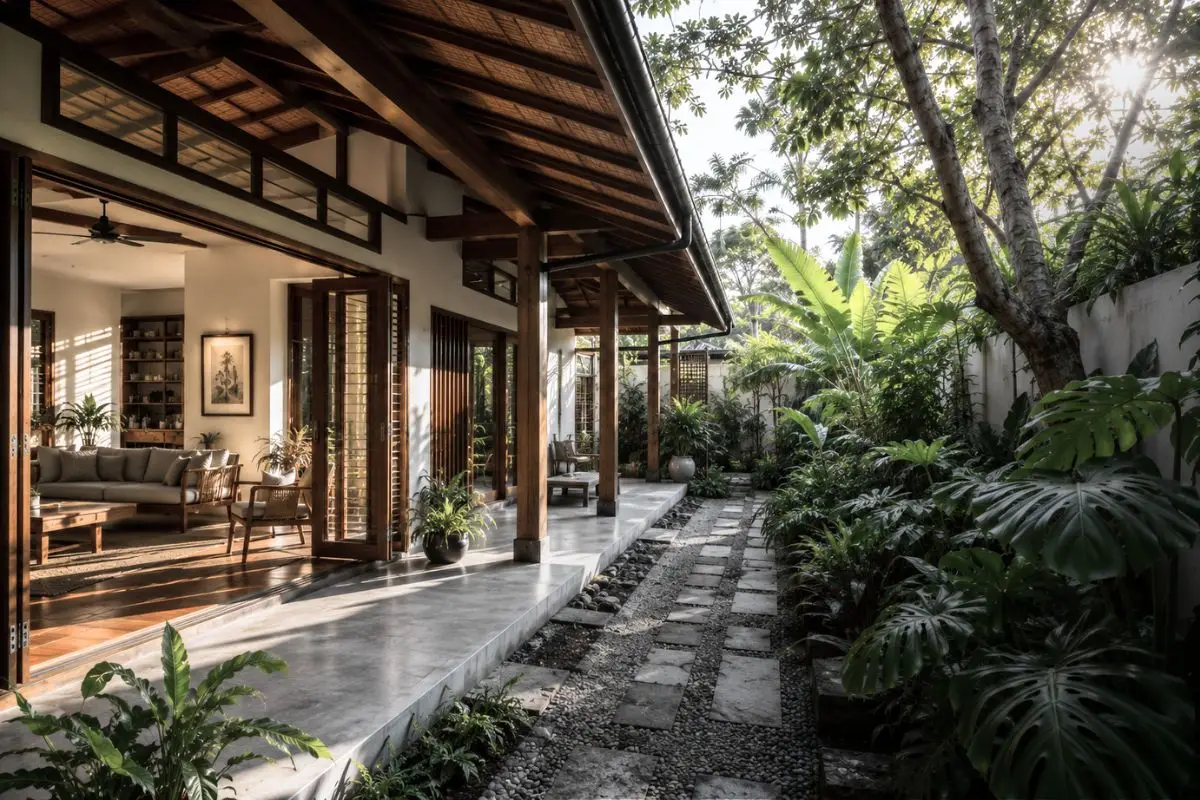
Deep rooflines, layered façades, screened openings, and shaded transitions create buildings with greater visual depth and character. They help homes feel rooted in their environment rather than detached from it.
This relationship between performance and aesthetics has become increasingly important as homeowners seek designs that balance contemporary expression with practical environmental considerations.
The most successful tropical homes rarely treat climate response as an afterthought. Instead, environmental performance becomes part of the architectural language itself.
Why Climate-Responsive Design Remains Relevant
As energy costs rise and environmental awareness continues growing, passive design strategies are becoming increasingly valuable.
Many homeowners are recognizing that long-term comfort depends as much on architectural planning as it does on technology. Features such as deep rooflines, effective shading, and natural ventilation often provide benefits that remain relevant throughout the life of the building.
For architects, this represents an opportunity to create homes that are both environmentally responsive and architecturally enduring.
The continued return of shaded architecture suggests that some of the most effective design solutions are not necessarily new. In many cases, they are thoughtful adaptations of principles that have always worked well within tropical environments.
They help reduce solar heat gain, protect exterior surfaces, and improve environmental comfort throughout the home.
Shaded areas expand usable living space while supporting outdoor activities, relaxation, and social interaction.
They encourage natural airflow, helping reduce heat buildup and improve ventilation throughout the home.
The tropical climate requires architectural strategies that address heat, humidity, rainfall, and long-term environmental comfort.
As climate-responsive design continues influencing contemporary residential architecture, thoughtful environmental planning remains essential to creating homes that are comfortable, efficient, and enduring. Through an integrated approach to planning, architecture, and tropical design, Fulgar Architects helps shape residential environments that respond meaningfully to both climate and everyday living.