












- Street design influences how people walk, shop, socialize, and experience urban environments every day.
- Comfortable sidewalks, street trees, and active storefronts encourage more pedestrian activity and support local businesses.
- Well-designed public spaces help create safer, more vibrant commercial districts with stronger long-term value.
- Streets that prioritize both mobility and placemaking benefit residents, visitors, and businesses alike.
- Thoughtful street design transforms ordinary roads into destinations that contribute to healthier and more economically resilient communities.
Most people think street design is simply about moving vehicles from one place to another. In reality, the design of a street influences much more than traffic. It affects whether people choose to walk instead of drive, how long they stay in an area, and whether businesses attract customers throughout the day.
These everyday decisions may seem small, but together they shape the success of neighborhoods and commercial districts. Comfortable sidewalks, attractive landscaping, active storefronts, and inviting public spaces encourage people to spend more time outdoors, creating streets that feel lively, welcoming, and economically active. This is the hidden economics of street design, where thoughtful design quietly supports both quality of life and local business growth.
Great Streets Encourage People to Stay
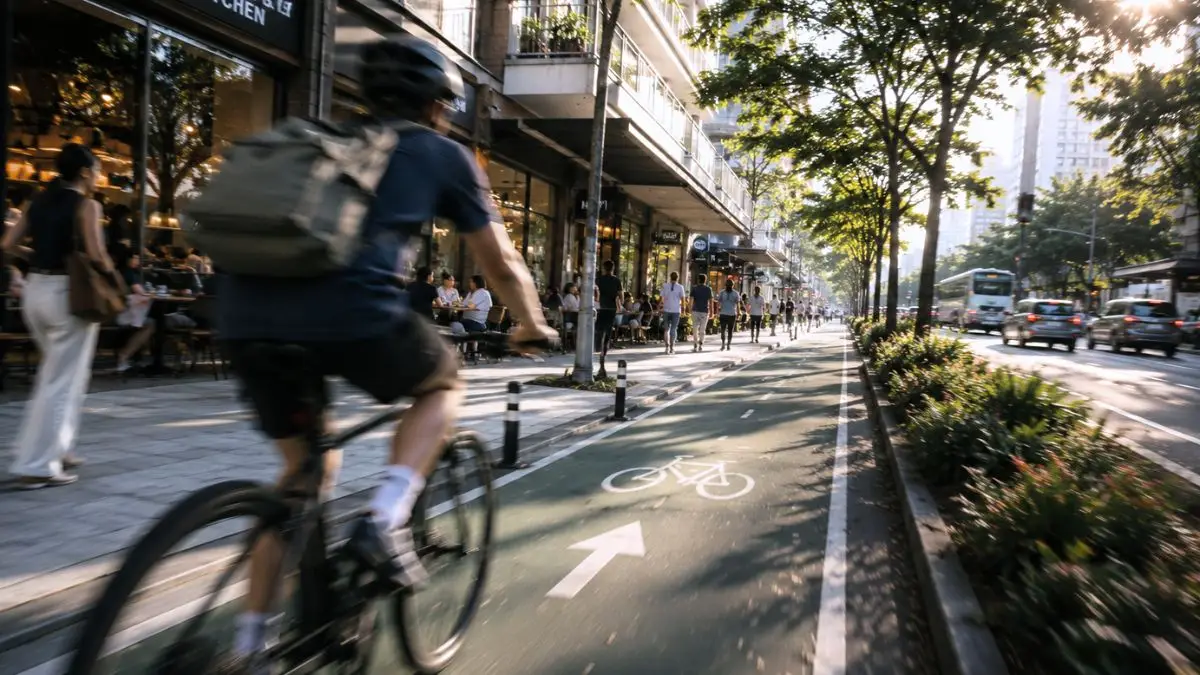
People naturally spend more time in places that feel comfortable. Wide sidewalks, shaded walkways, seating areas, and pleasant streetscapes invite pedestrians to slow down instead of simply passing through.
The longer people remain in an area, the more likely they are to visit shops, stop for coffee, dine at restaurants, or browse local businesses. A street that encourages people to linger often becomes more vibrant throughout the day, benefiting both residents and commercial establishments.
Good street design does not force activity. Instead, it creates environments where people genuinely enjoy spending time.
Sidewalks Are More Than Pedestrian Infrastructure
Sidewalks are often viewed as basic infrastructure, but they also play an important role in shaping the character and success of commercial areas.
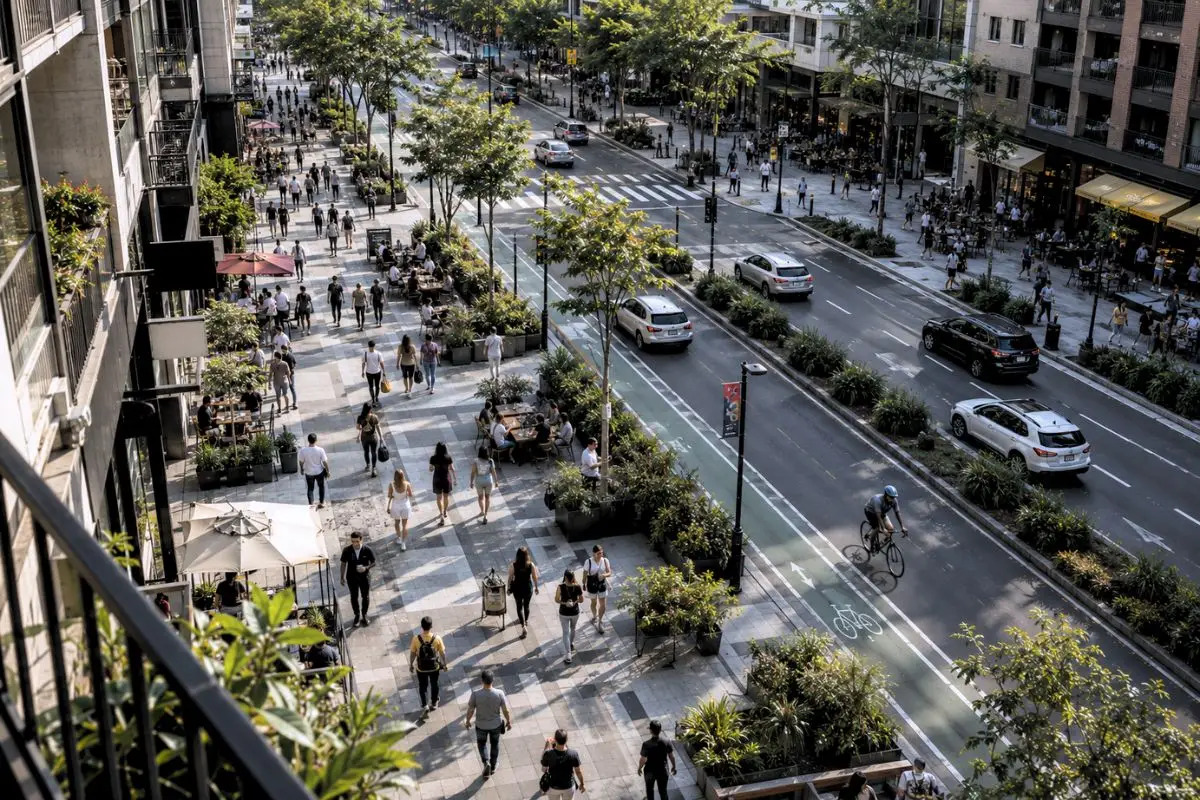
Comfortable walking environments connect businesses, parks, transit stops, offices, and residential neighborhoods into a continuous experience. When sidewalks are wide, accessible, and protected from traffic, walking becomes a convenient choice rather than an inconvenience.
As pedestrian activity increases, businesses benefit from greater visibility and more opportunities for spontaneous visits. Even small improvements to the walking environment can have a noticeable impact on how people use a street.
Trees and Landscaping Make Streets More Inviting
Landscape design contributes much more than visual appeal. Street trees provide shade that makes walking more comfortable, particularly in tropical climates, while planting areas soften the urban environment and improve overall environmental quality.
A greener street often feels calmer and more welcoming. People are generally more willing to spend time outdoors when streets offer protection from heat and create pleasant places to walk between destinations.
For commercial districts, attractive landscaping also strengthens the identity of an area, making it more memorable for both visitors and businesses.
Active Frontages Create Vibrant Streets
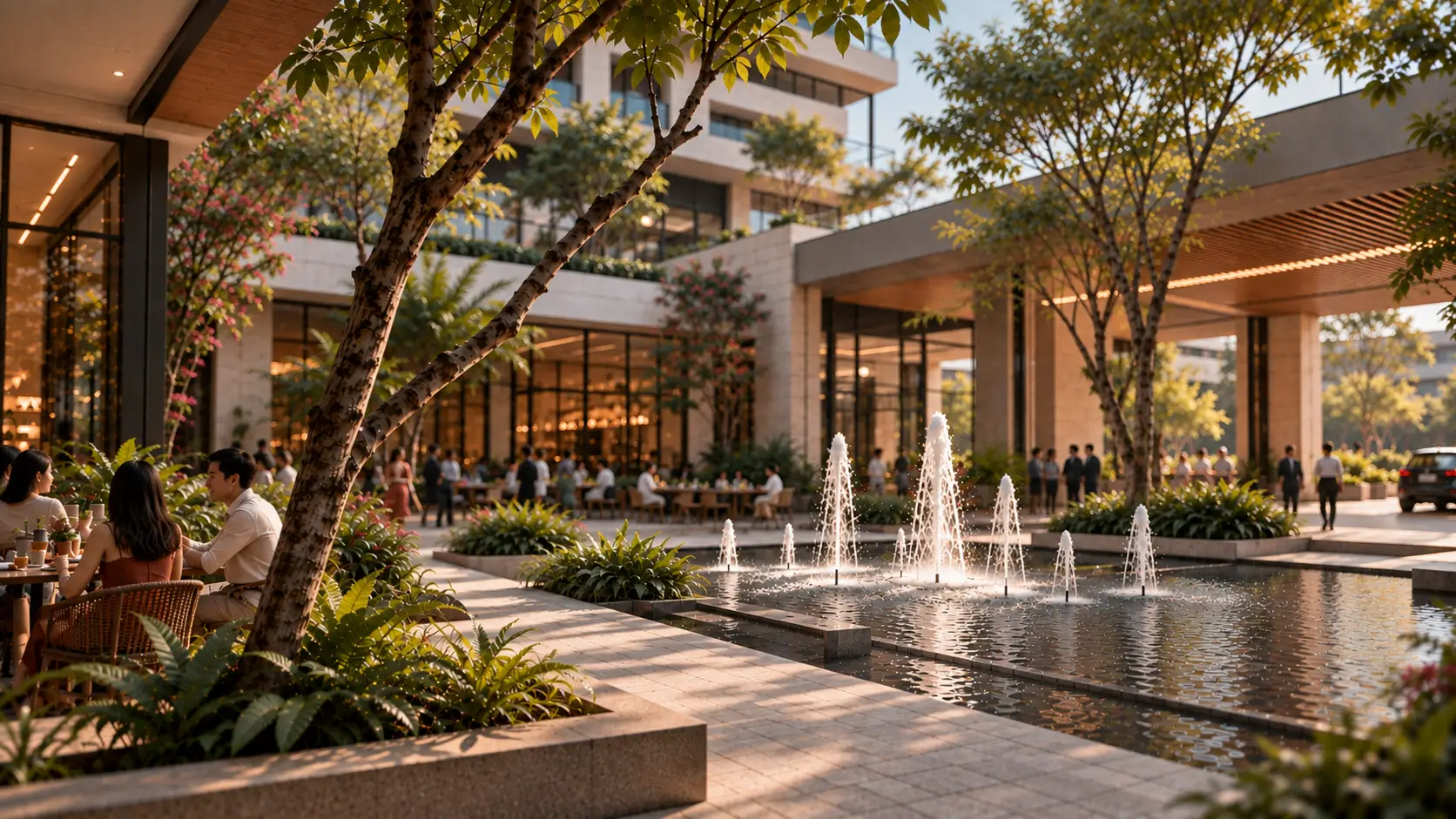
Buildings influence the public realm through the way they meet the street. Cafés with outdoor seating, transparent storefronts, welcoming entrances, and active ground-floor uses create visual interest that encourages people to continue walking and exploring.
Long blank walls, inactive frontages, and poorly designed building edges have the opposite effect. They reduce activity and make streets feel less engaging, even in busy urban areas.
Successful street design therefore depends on both public infrastructure and thoughtful architectural design working together to create lively, people-oriented environments.
Public Spaces Support Local Economies
Small plazas, pocket parks, public seating, and gathering spaces provide opportunities for people to meet, rest, and participate in community life. While these spaces may not directly generate revenue, they contribute to an environment where surrounding businesses can thrive.
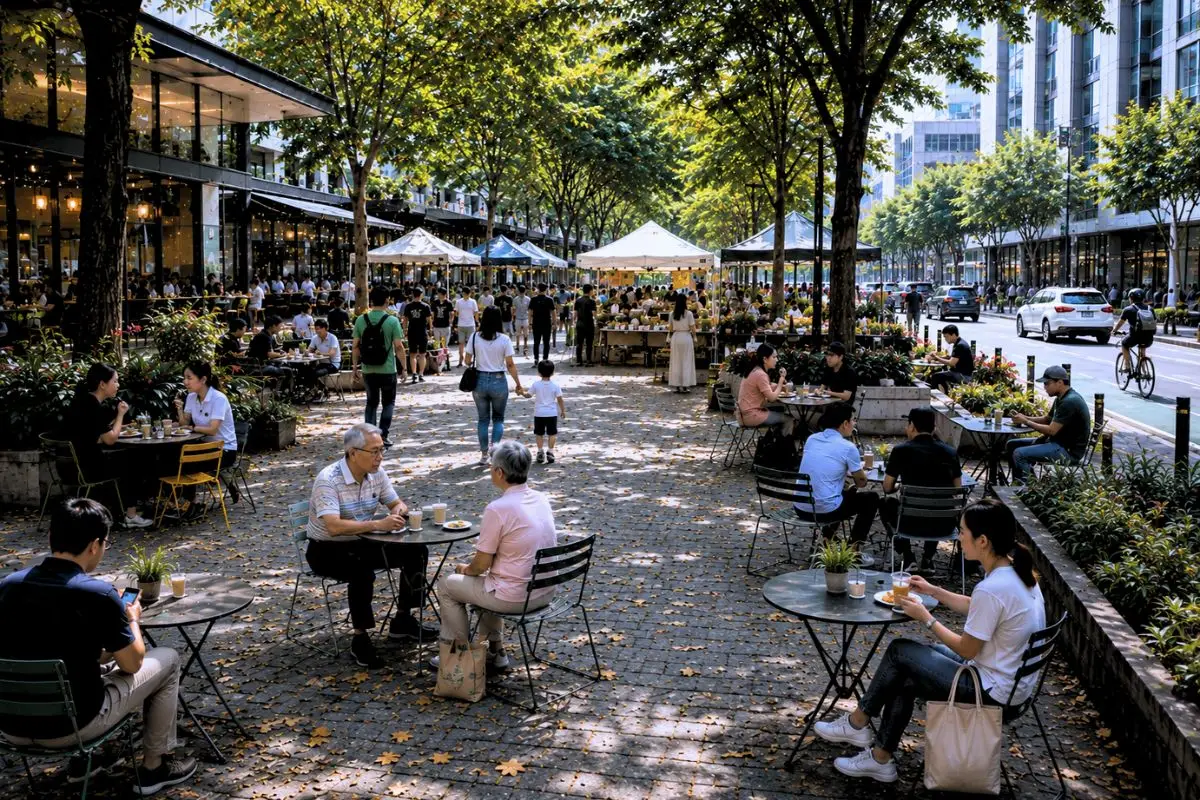
Events, outdoor dining, markets, and informal social activity often develop around well-designed public spaces, increasing foot traffic and strengthening the overall appeal of commercial districts.
By creating destinations rather than simply transportation corridors, street design helps neighborhoods become places people actively choose to visit.
Designing Streets That Work for Everyone
The most successful streets balance movement with experience. They allow people to travel efficiently while also creating environments that are safe, comfortable, and enjoyable throughout the day.
Street design influences where businesses choose to locate, how communities interact, and how residents experience their cities. Although these effects often go unnoticed, they shape the long-term vitality of neighborhoods in meaningful ways.
By viewing streets as public places rather than simply transportation infrastructure, cities can create environments that support stronger local economies while improving everyday urban life.
Street design influences mobility, safety, pedestrian activity, business performance, and the overall quality of urban life.
Comfortable sidewalks, attractive public spaces, and active storefronts encourage more people to walk, stay longer, and visit nearby businesses.
Wide sidewalks, shade trees, safe crossings, seating, lighting, and engaging building frontages all contribute to a better pedestrian experience.
Yes. Streets that are comfortable, accessible, and attractive often support stronger commercial activity, encourage investment, and enhance the long-term appeal of surrounding communities.
To explore how thoughtful street design can strengthen commercial districts, improve public spaces, and create more vibrant urban environments, contact Fulgar Architects.