












- Third places strengthen communities by providing welcoming environments for everyday social interaction beyond homes and workplaces.
- Successful urban design integrates parks, cafés, plazas, public spaces, and community gathering areas into the fabric of daily life.
- Well-designed third places improve walkability, economic activity, public safety, and neighborhood identity.
- Mixed-use developments benefit from carefully planned public spaces that encourage spontaneous interaction and community engagement.
- Designing meaningful third places creates more resilient, livable, and socially connected cities.
Cities are often measured by their skylines, infrastructure, and architectural landmarks, yet many of the experiences that define urban life occur in far less monumental settings. A neighborhood café, a shaded public plaza, a local park, or a lively streetside gathering space may appear modest individually, but together they form the social framework that allows communities to thrive. These environments are commonly known as Third Places, occupying the space between home and work where people gather voluntarily to relax, interact, and build relationships.
The concept of Third Places has become increasingly important as architects, planners, and developers recognize that successful cities depend not only on buildings but also on the quality of the spaces between them. While residential, commercial, and institutional developments provide destinations, Third Places create opportunities for everyday interaction that strengthen both neighborhoods and local economies.
Thoughtful urban design therefore extends beyond individual projects, creating environments where social life naturally flourishes through comfortable, accessible, and welcoming public spaces.
Why Third Places Matter in Urban Life
Homes provide privacy and security, while workplaces support productivity and economic activity. Third Places serve an entirely different purpose by offering neutral environments where people from different backgrounds can meet without formal obligations or structured activities.
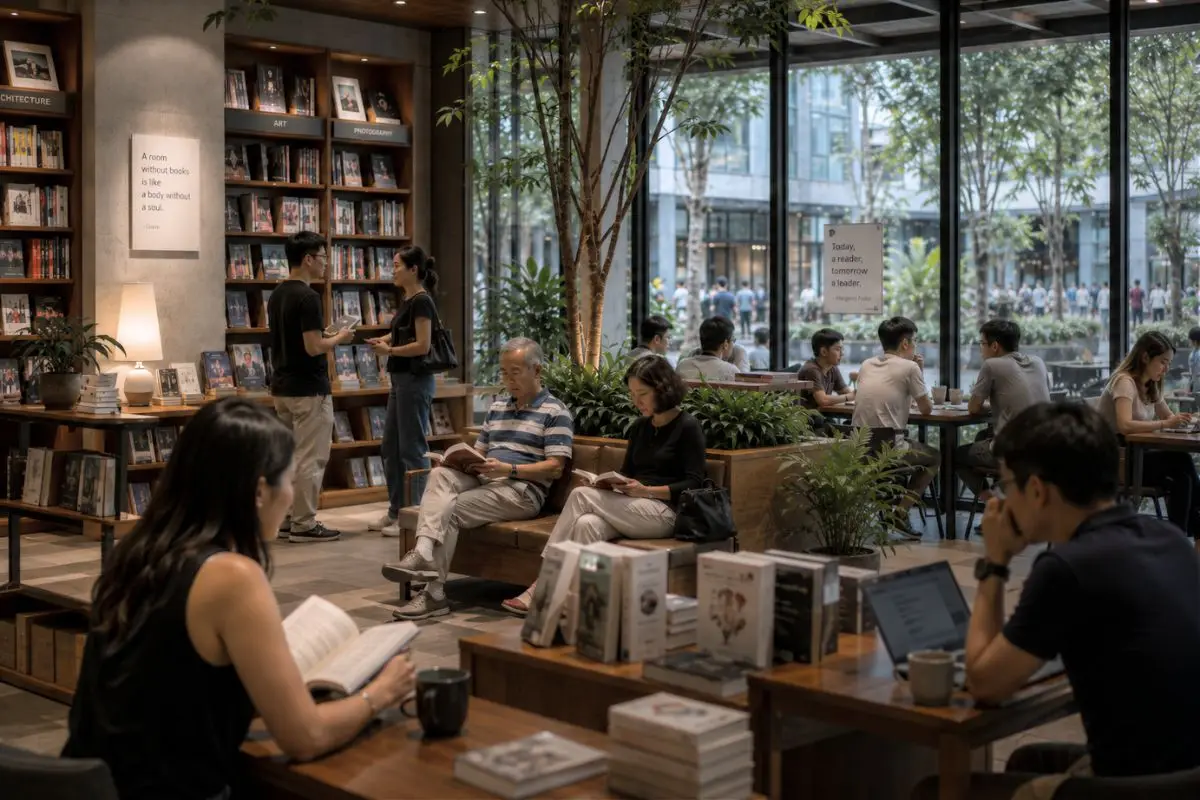
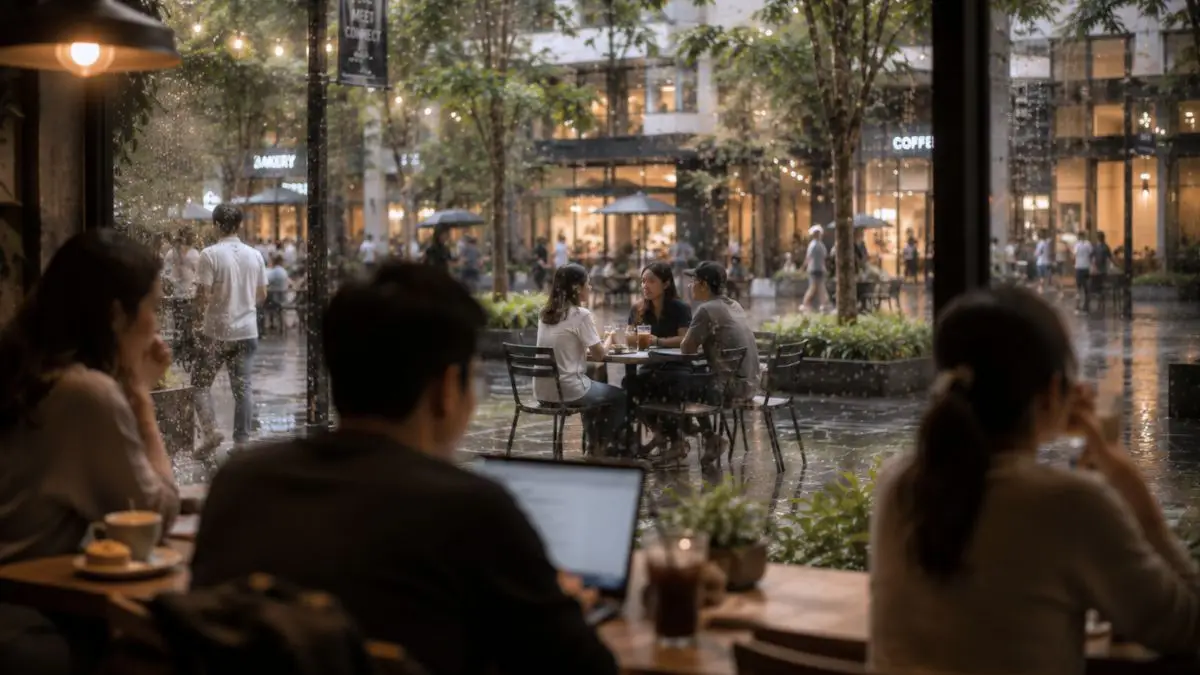
These spaces encourage casual conversations, strengthen neighborhood familiarity, and create opportunities for social interaction that would otherwise disappear within increasingly busy urban lifestyles. Whether someone stops for coffee before work, spends an afternoon in a public park, or meets friends in a community plaza, these everyday experiences gradually build stronger social connections over time.
Communities with active Third Places often develop a greater sense of belonging because residents encounter one another naturally rather than only during organized events. These repeated informal interactions contribute to trust, familiarity, and stronger local identity.
Designing Spaces That Invite People to Stay
Successful Third Places are rarely defined by size alone. Instead, they succeed because they make people feel comfortable enough to remain longer than originally intended.
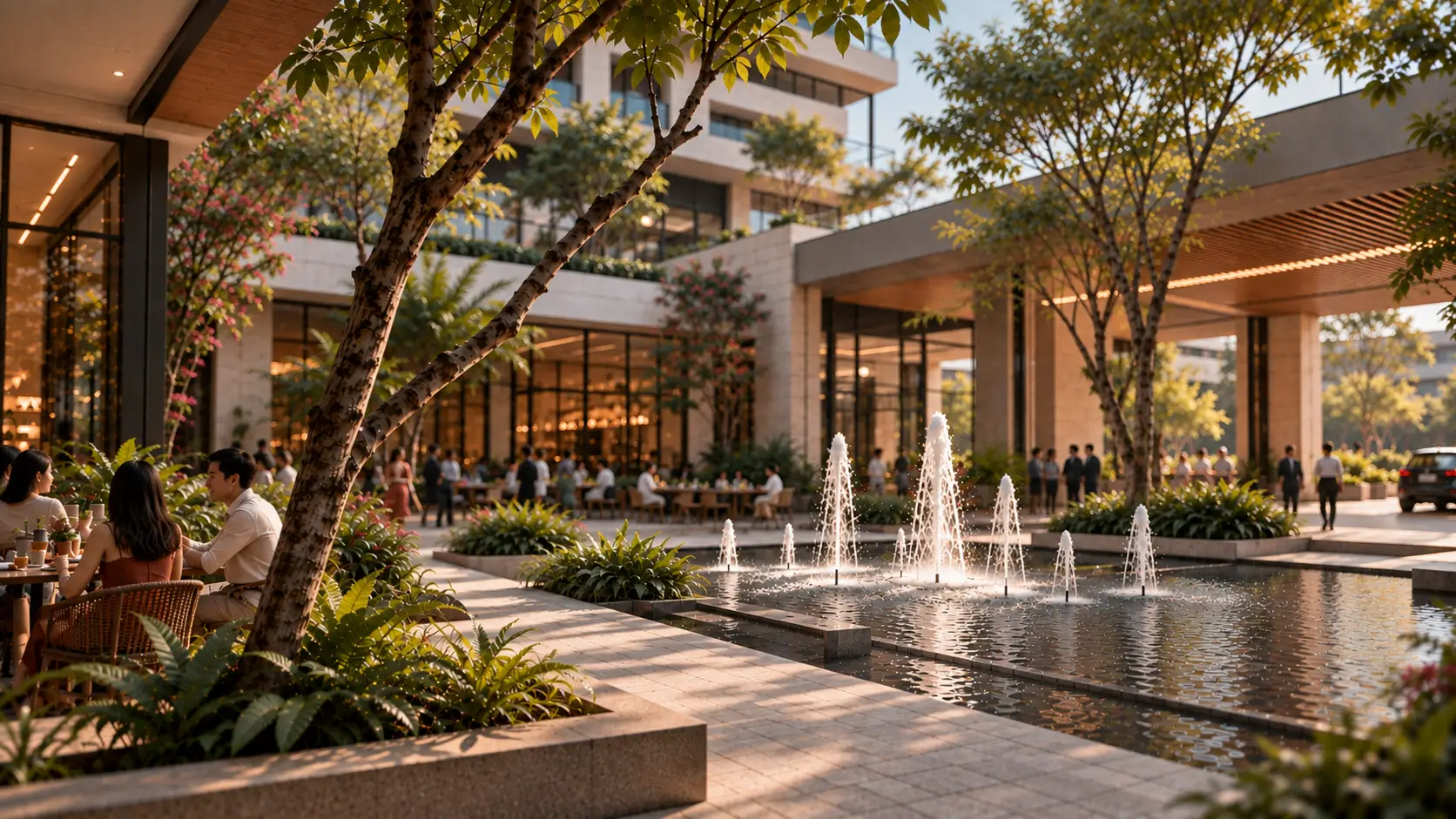
Architects and urban designers achieve this by carefully considering human scale, seating options, shade, accessibility, landscape integration, lighting, and visual comfort. Small details such as tree-lined walkways, movable seating, sheltered gathering areas, and active street edges encourage people to occupy public spaces throughout the day rather than simply passing through them.
Flexibility also plays an important role. A plaza that accommodates morning commuters, lunchtime gatherings, weekend markets, and evening community events provides significantly greater long-term value than one designed for a single activity.
The most successful Third Places feel welcoming regardless of age, profession, or social background, allowing a diverse range of people to comfortably share the same public environment.
Third Places Support Local Economies
Beyond their social value, Third Places also contribute significantly to local economic activity. Businesses located near attractive public spaces often benefit from increased pedestrian movement, longer visitor stays, and greater opportunities for spontaneous interaction.
Outdoor cafés overlooking plazas, restaurants connected to landscaped walkways, neighborhood retail streets, and mixed-use developments with inviting communal spaces all encourage visitors to remain within an area for longer periods. This increased dwell time frequently translates into greater commercial activity while creating more vibrant streets throughout the day.
For developers, investing in well-designed public spaces enhances the overall attractiveness of a project. Rather than treating plazas or landscaped courtyards as leftover open space, successful developments integrate Third Places as central organizing elements that strengthen both commercial performance and community experience.
This relationship demonstrates that thoughtful urban design creates value extending well beyond individual buildings.
Walkability and Public Life Go Hand in Hand
The success of Third Places depends heavily on how easily people can reach them. Comfortable pedestrian environments encourage residents to incorporate public spaces into their daily routines rather than treating them as occasional destinations.
Wide sidewalks, continuous shade, active building frontages, safe street crossings, bicycle infrastructure, and accessible public transportation all contribute to a more connected urban environment. When walking becomes enjoyable rather than inconvenient, people naturally spend more time engaging with their neighborhoods.
This increased pedestrian activity creates a positive cycle. More people using public spaces improves passive surveillance, strengthens perceptions of safety, supports local businesses, and encourages additional investment in public amenities.
Rather than focusing exclusively on vehicle movement, contemporary urban design increasingly recognizes that successful cities are experienced at walking speed.
Third Places Create Stronger Community Identity
Every memorable city possesses spaces that become part of its collective identity. These places may not always be architecturally monumental, but they serve as familiar settings where daily life unfolds across generations.
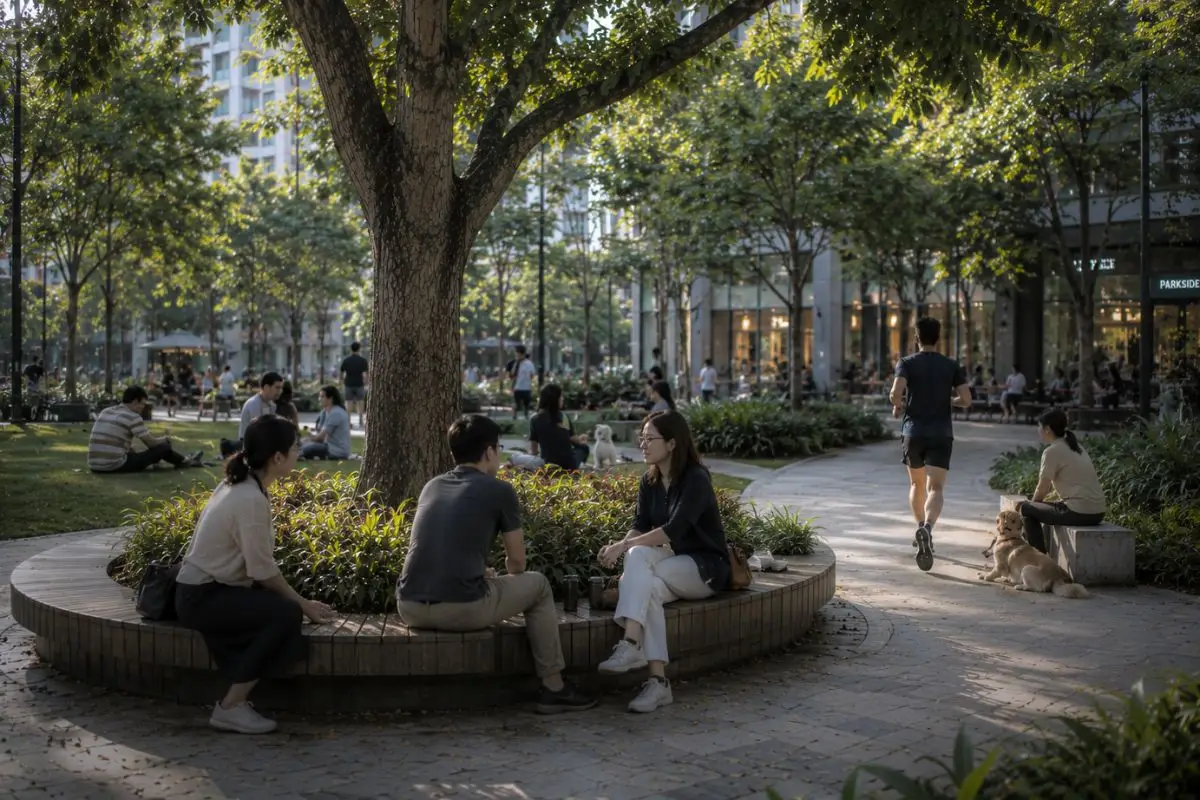
Neighborhood parks host community celebrations. Public plazas become gathering points during cultural events. Waterfront promenades encourage recreation while connecting people with their natural surroundings. Local cafés evolve into informal meeting places where friendships, business relationships, and creative ideas develop over time.
These environments help transform urban districts into recognizable communities with distinct identities rather than collections of unrelated buildings. The emotional connection residents develop with these places often becomes one of the strongest indicators of successful urban design.
By investing in meaningful Third Places, architects, planners, developers, and local governments create cities that are not only functional but also memorable, inclusive, and deeply connected to the people who inhabit them.
Long Term Value Through Human-Centered Urban Design
As cities continue to grow, successful urban environments will increasingly be measured not only by the quality of their buildings but also by the quality of the everyday experiences they create. Third Places remind architects, planners, and developers that great urban design is fundamentally about people rather than individual structures.
Projects that incorporate welcoming public spaces often achieve stronger long-term performance because they create destinations where residents, visitors, and businesses naturally choose to spend time. These environments strengthen social resilience, encourage healthier lifestyles, and support economic vitality while contributing to a stronger sense of place.
Rather than treating parks, plazas, cafés, and gathering spaces as secondary amenities, contemporary urban planning recognizes them as essential components of successful neighborhoods. When thoughtfully integrated into the broader urban fabric, Third Places help cities remain adaptable, inclusive, and vibrant for generations.
Third Places are informal gathering spaces outside the home and workplace where people voluntarily meet, socialize, relax, and build community. Common examples include cafés, parks, plazas, libraries, and public squares.
Third Places encourage social interaction, strengthen community identity, improve walkability, support local businesses, and contribute to healthier, more connected neighborhoods.
Successful Third Places prioritize human scale, accessibility, comfortable seating, landscape integration, shade, flexible programming, active street frontages, and safe pedestrian connections.
By encouraging people to stay longer, interact more frequently, and engage with surrounding businesses, Third Places improve both the social and commercial performance of mixed-use developments.
To explore how Third Places can be thoughtfully integrated into your next development or master plan, contact Fulgar Architects.