












- Building longevity is shaped by early architectural decisions rather than short-term trends.
- Structural planning, climate response, and adaptability strongly influence long-term performance.
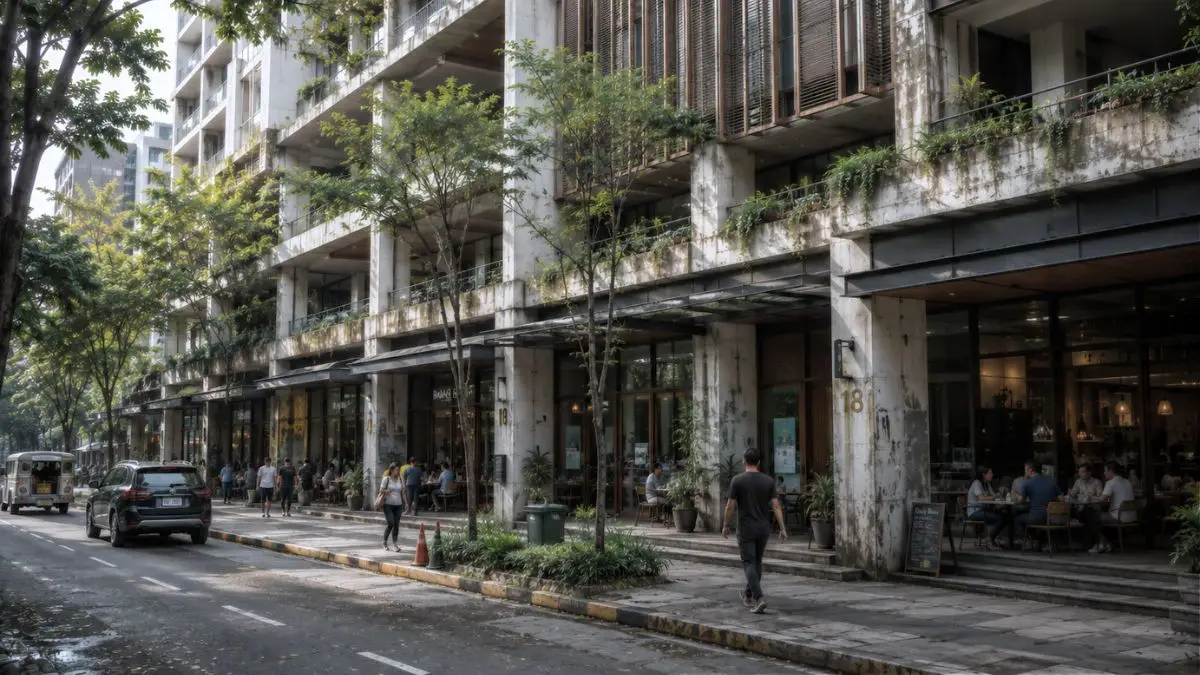
- Tropical conditions in the Philippines accelerate wear, making climate-responsive architecture increasingly important.
- Flexible buildings remain more relevant as lifestyles, operations, and development patterns evolve.
- Long-term durability depends on planning systems that support maintenance, comfort, and continuous use.
Buildings do not fail all at once. They decline gradually through maintenance cycles, environmental exposure, operational stress, and changing patterns of use. Market conditions and location influence long-term value, yet they do not fully explain why some buildings remain relevant after decades while others feel outdated within a relatively short period of time.
In many cases, building longevity can be traced back to architectural decisions made long before construction is completed. Structural systems, floor heights, circulation planning, service access, and climate response all shape how well a building adapts as expectations evolve.
Within the Philippine context, this question becomes increasingly important. Tropical climate conditions, phased urban growth, and shifting residential and commercial demands place continuous pressure on buildings over time. Projects that remain functional and desirable often succeed because their architecture anticipates these realities from the beginning.
Early Decisions Shape Long-Term Performance
Many of the factors that influence building longevity are largely invisible to end users.
Structural grids, floor-to-floor heights, and service planning rarely appear in marketing materials, yet they strongly determine whether a building can evolve over time without major disruption.
Residential towers in Metro Manila with wider structural grids often allow units to be reconfigured more easily as market demands shift. Buildings with tighter structural limitations may initially appear efficient, but they can become restrictive as lifestyles and operational requirements change.
Floor-to-floor height carries similar importance. Generous clearances allow for future upgrades, improved ventilation, and more flexible building systems. Minimum clearances may reduce initial costs, yet they often create congested service zones and limit long-term adaptability.
Building longevity frequently depends on whether these early architectural decisions preserve future options rather than optimize solely for immediate efficiency.
Adaptability in Everyday Use
Buildings that age well are rarely static. They accommodate change without requiring complete reinvention.
Adaptability is embedded within circulation planning, service access, structural capacity, and the organization of space itself. When these systems are carefully planned, buildings remain usable even as operations, tenants, or lifestyles evolve.
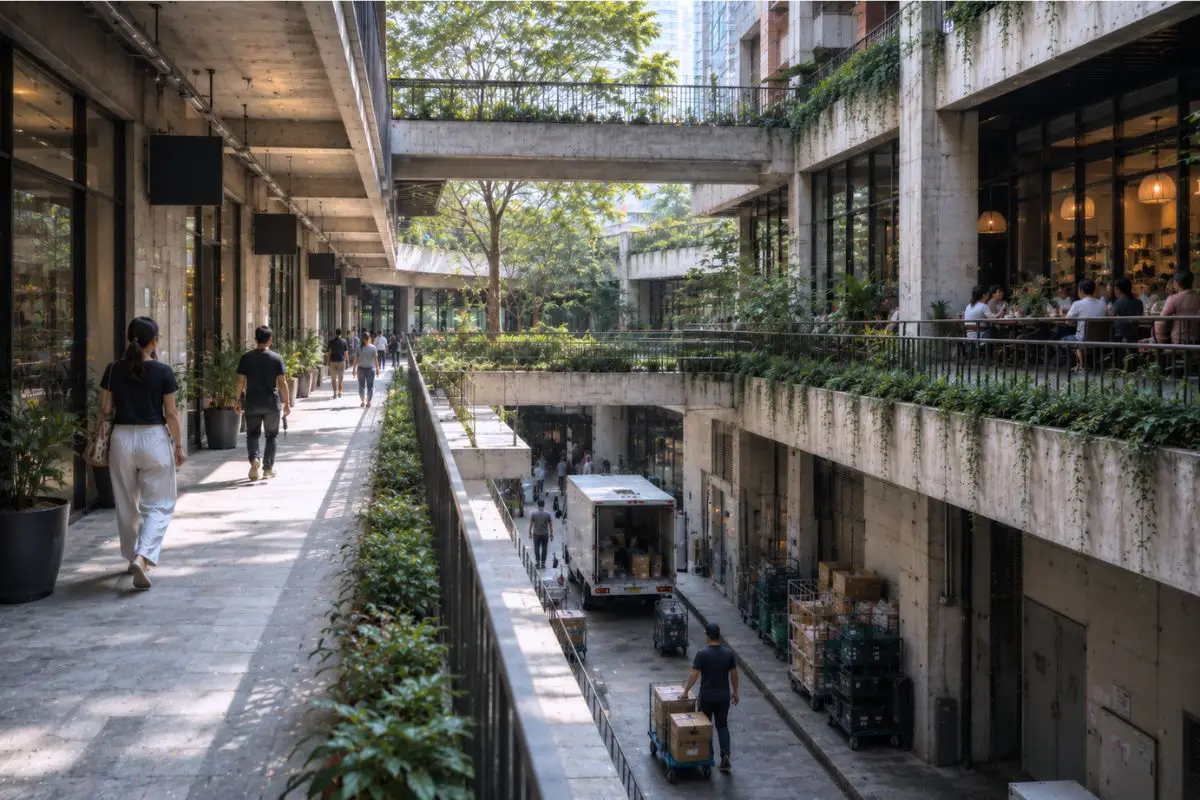
In mixed-use and hospitality developments throughout the Philippines, separating public, private, and service circulation reduces long-term operational conflict. Dedicated back-of-house routes help preserve user experience while supporting maintenance and logistics more efficiently.
Within residential environments, adaptable layouts allow spaces to respond more naturally to changing Filipino family structures, hybrid work arrangements, and evolving routines. Flexible planning helps buildings remain relevant without constant renovation.
Building longevity is often less about resisting change and more about accommodating it gracefully over time.
Climate Response and Material Durability
Climate remains one of the most significant drivers of building deterioration in tropical environments.
Buildings dominated by unshaded glass often experience higher internal temperatures, greater cooling demand, and accelerated façade wear. Over time, excessive heat exposure can contribute to seal failure, increased maintenance requirements, and premature material replacement.
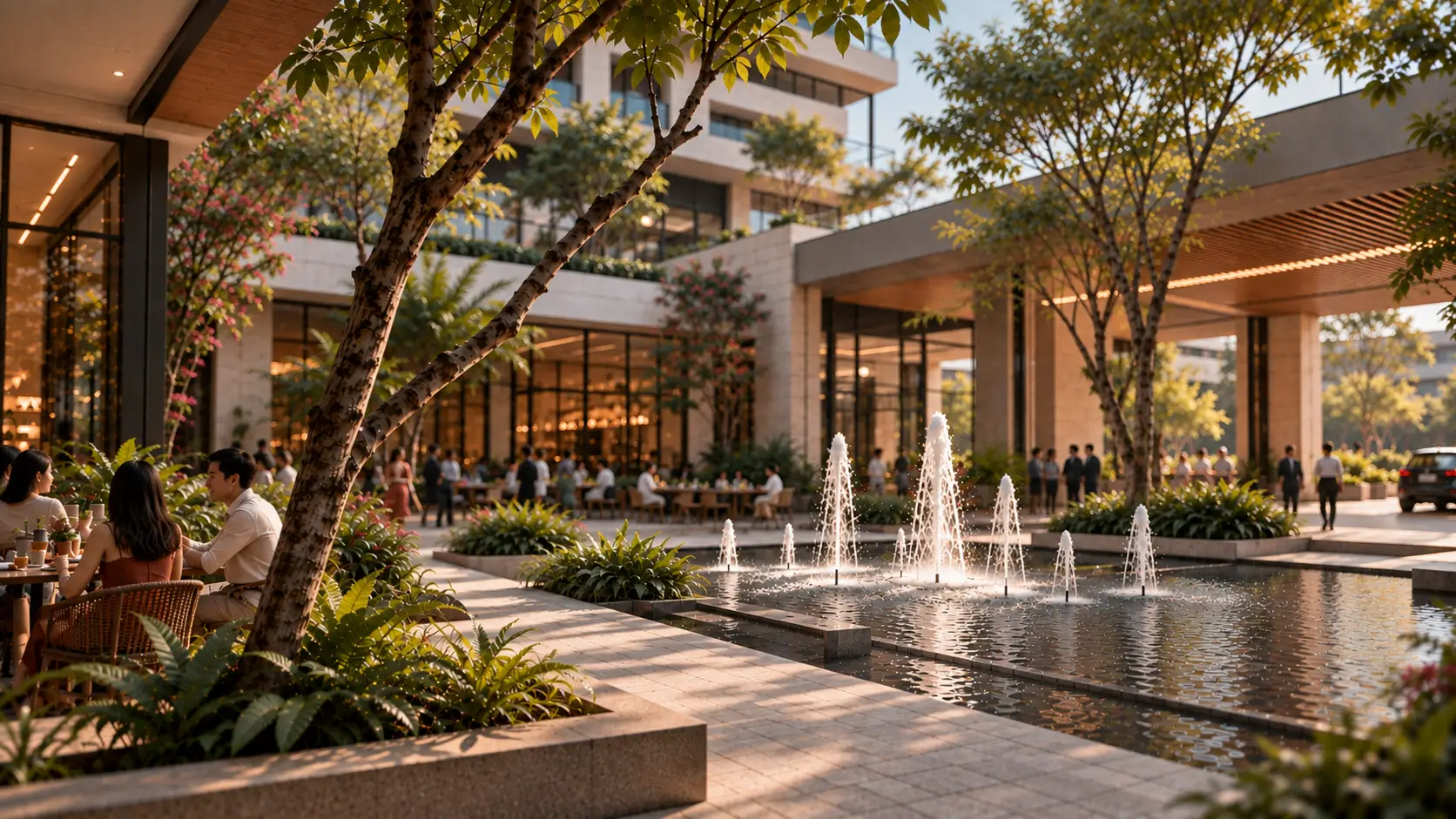
Climate-responsive architecture reduces these pressures through shading, recessed glazing, ventilation strategies, and more deliberate environmental planning.
In the Philippines, deep rooflines, covered outdoor spaces, passive cooling strategies, and natural ventilation continue to perform effectively because they respond directly to local environmental conditions. Durable materials also contribute significantly to long-term performance, particularly in environments exposed to humidity, heavy rainfall, typhoons, and continuous use.
Maintenance access is equally important. Buildings that allow systems to be serviced efficiently tend to remain operationally stable for much longer periods of time.
The Cost of Irreversible Decisions
Some architectural decisions establish limitations that become difficult or impossible to reverse later on.
Core placement, structural spans, and service riser locations shape how flexibly a building can adapt throughout its lifespan. When these systems prioritize short-term efficiency above long-term usability, the building’s capacity to evolve becomes restricted.
Commercial buildings with undersized cores often struggle to accommodate changing tenant requirements. Rigid structural spans may limit subdivision potential, while compressed service zones can make upgrades disruptive and expensive.
Projects that demonstrate strong building longevity typically accept more measured trade-offs early in the design process. Slightly larger cores, clearer circulation systems, and more adaptable structural planning may not appear visually dramatic, yet they preserve flexibility over time.
These decisions rarely define how a building photographs upon completion. They often define whether the building remains valuable decades later.
Longevity as a Measure of Architectural Quality
Architectural quality reveals itself gradually.
Buildings that support maintenance, adaptability, and continuous use tend to remain functional and relevant long after completion. Over time, patterns of occupancy expose whether spaces can evolve naturally or require constant correction.
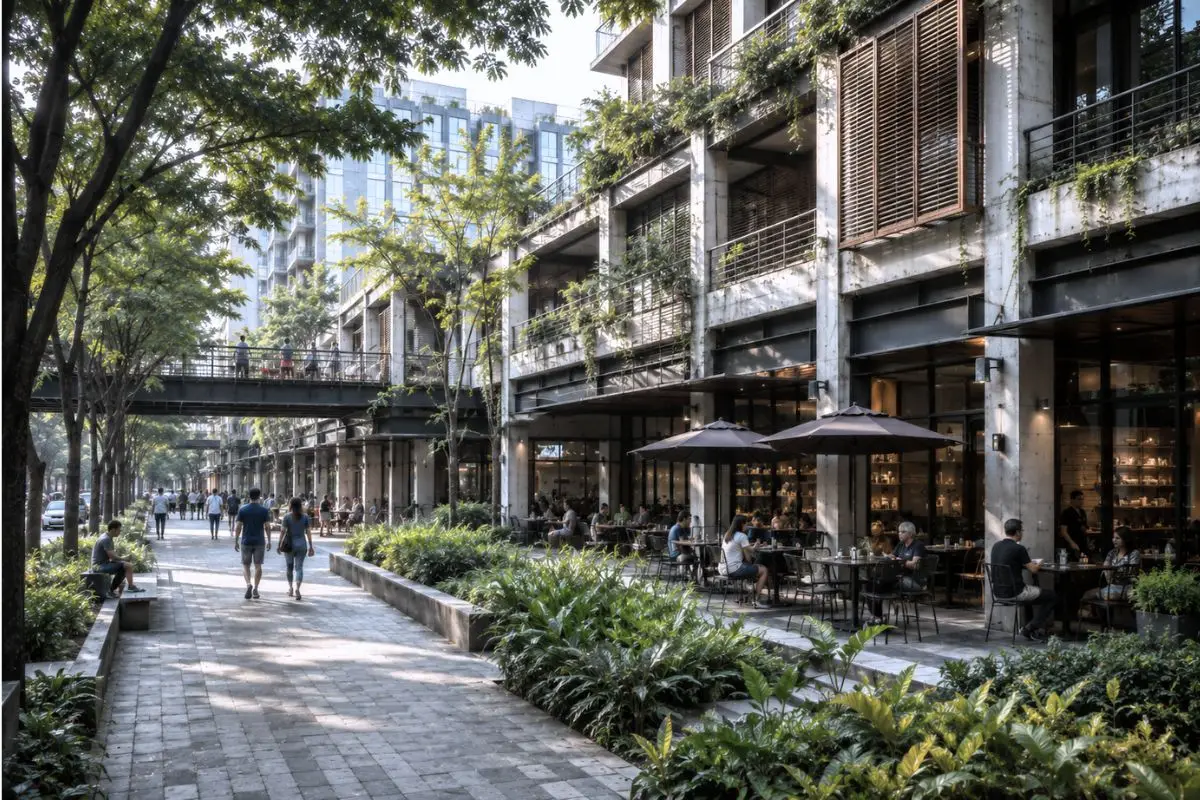
In residential, commercial, and hospitality developments throughout the Philippines, long-term relevance increasingly depends on how effectively architecture accommodates change. This includes the ability to upgrade systems, reorganize spaces, improve environmental performance, and support new operational demands over time.
Building longevity reframes architecture as a long-term discipline rather than a fixed visual outcome. Projects that anticipate climate, operations, maintenance, and evolving use patterns often retain value well beyond their original market positioning while remaining resilient within Philippine conditions over time.
Structural planning, climate response, adaptability, circulation systems, and maintenance access all influence how well buildings perform over time.
Rigid layouts, undersized service zones, and poor adaptability often limit a building’s ability to respond to changing needs.
Heat, humidity, rainfall, and continuous environmental exposure accelerate wear, making climate-responsive design essential.
Adaptable buildings can accommodate evolving lifestyles, operational changes, and future upgrades with less disruption.
As buildings throughout the Philippines continue facing evolving environmental, operational, and market pressures, long-term performance is becoming increasingly important within contemporary architecture. Through an integrated approach to planning, climate response, and adaptability, Fulgar Architects helps shape environments designed to remain resilient and relevant over time.