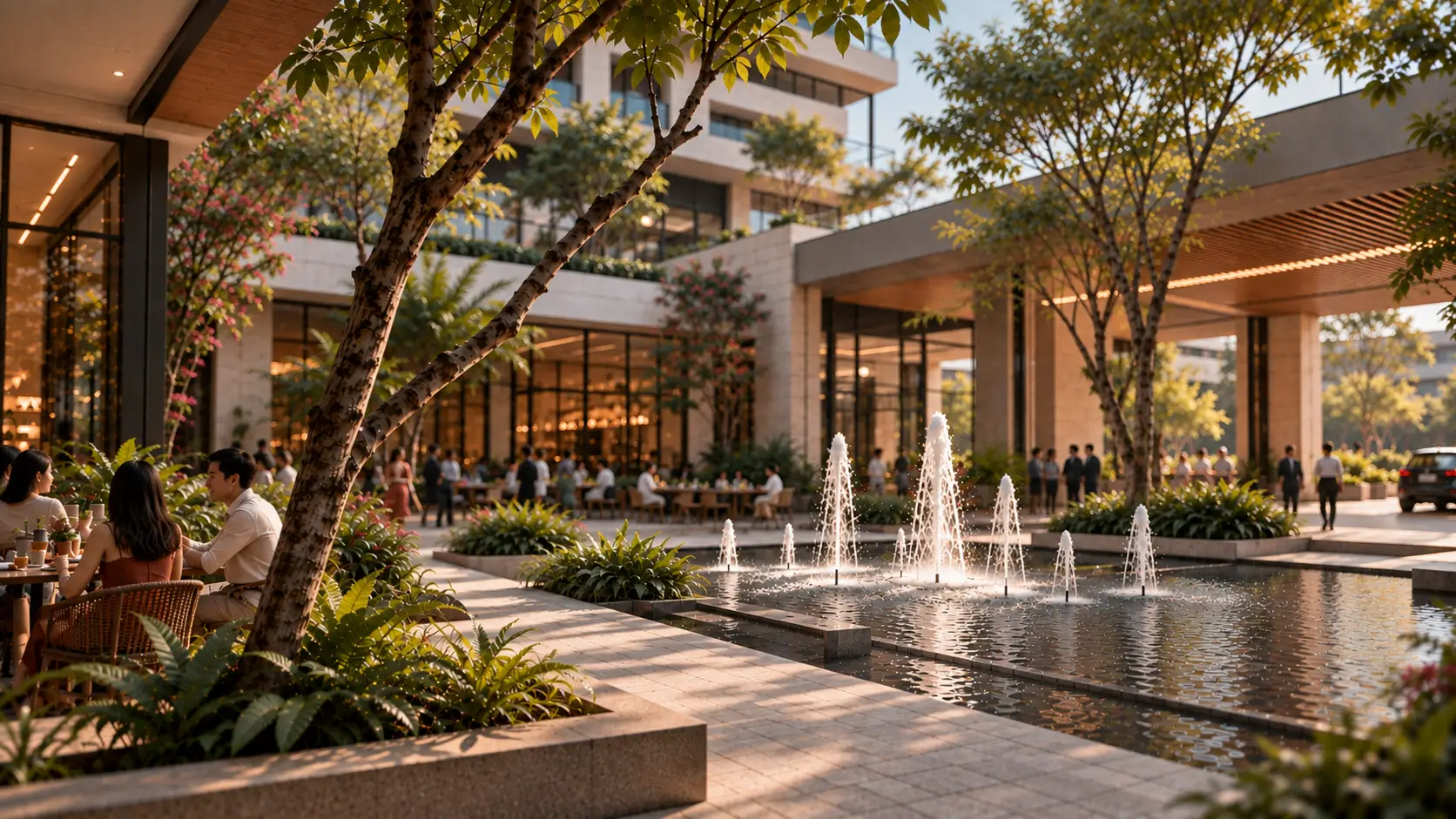













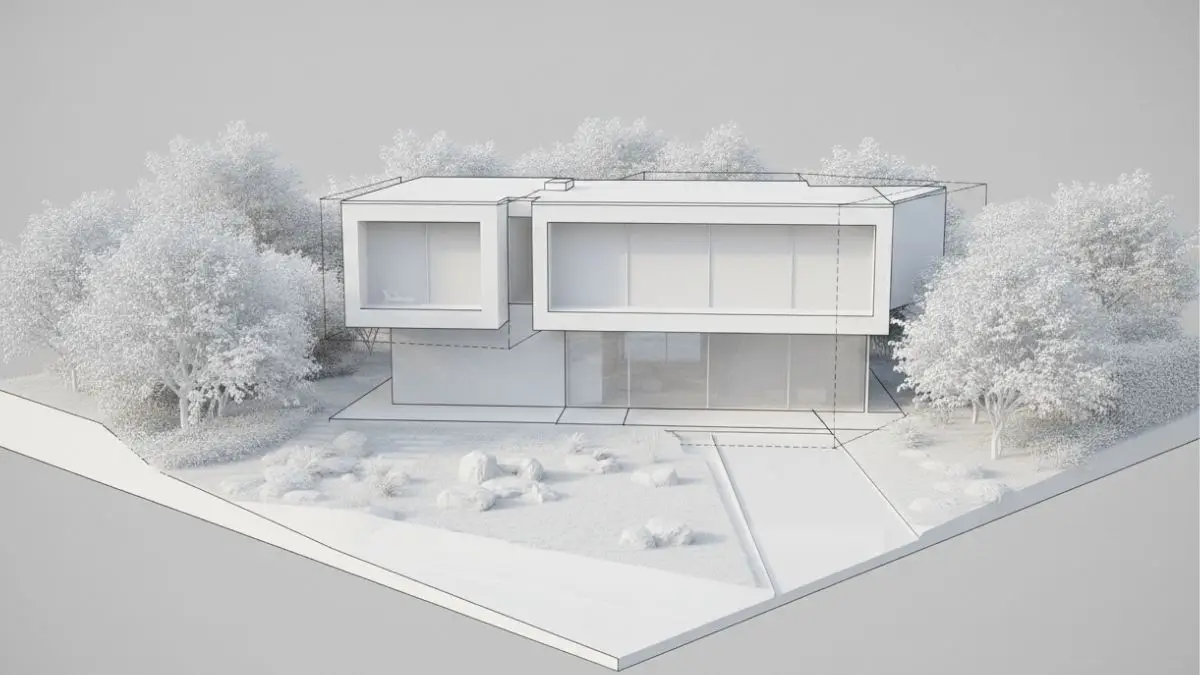
- Buildings that rely on restraint rather than excess often perform better over time because their core logic remains clear.
- Architectural restraint supports usability, adaptability, and long-term operational clarity.
- Deciding what not to design is often as important as deciding what to build.
Many buildings become difficult over time not because too little was designed, but because too much was fixed too early. Architectural restraint is rarely about reducing ambition or removing character. It is about clarity. Buildings that resist overdefinition tend to adapt more easily as markets shift, operations evolve, and users change over time.
In projects where long-term use matters, excessive formal gestures can become operational burdens. Spaces designed around rigid assumptions often struggle once their original purpose changes. Buildings shaped by measured architectural decisions tend to remain legible and functional even as their environments evolve.
Restraint Is Not Minimalism
Architectural restraint is often mistaken for minimalism, even though the two approaches operate differently. Minimalism is primarily a visual language. Restraint is a planning and decision-making discipline.
Restrained architecture prioritizes proportion, structure, hierarchy, and spatial clarity over decorative complexity. It avoids unnecessary formal gestures that restrict future flexibility. This approach does not remove identity from a building. It protects long-term usefulness.
In residential, commercial, and hospitality projects, restraint often appears through regular structural grids, balanced spans, and adaptable spatial proportions. These decisions allow interiors to evolve without conflicting with the original architecture. Buildings designed around singular visual statements frequently become difficult to adapt once those statements lose relevance.
Designing What Should Remain Flexible
One of the most valuable architectural decisions is identifying which parts of a building should remain undefined. Overdesigned spaces often dictate behavior too precisely, leaving little room for changing operational needs.
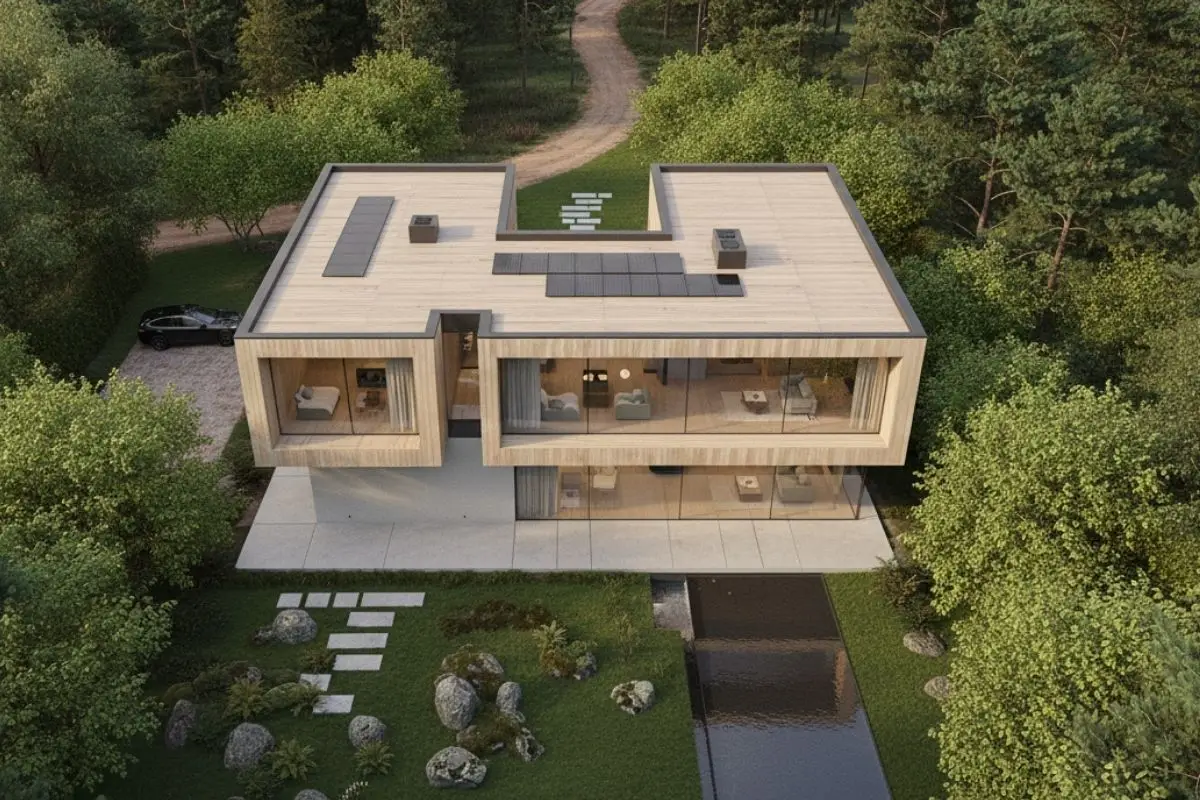
Lobbies designed primarily as visual spectacles may struggle to accommodate future security systems, revised circulation patterns, or higher occupancy demands. By contrast, lobbies built around generous proportions, clear geometry, and adaptable edge conditions absorb change more naturally.
When less design works better, it is usually because the architecture establishes order without overprescribing outcomes.
This principle becomes increasingly important in mixed use developments, office retrofits, hospitality projects, and township amenities where long-term flexibility directly affects operational value.
Architectural Restraint and Long-Term Operations
Daily building operations often reveal whether architectural restraint was applied successfully. Buildings that remain easy to maintain and manage usually rely on straightforward spatial organization and disciplined material decisions.
Service areas with clear layouts typically require fewer operational adjustments over time. Durable finishes tend to outperform highly trend-driven materials that age quickly or become difficult to replace. Clear circulation systems reduce dependence on excessive signage, barriers, and corrective interventions.
These outcomes rarely happen accidentally. They result from architects choosing clarity over unnecessary complexity, especially in decisions that affect maintenance, staffing, adaptability, and long-term management.
Adaptability Through Discipline
Architectural restraint supports adaptability because it avoids locking buildings into singular narratives. Structural systems with regular spacing, floor-to-floor heights that allow future services, and layouts free from unnecessary obstructions make change easier over time.
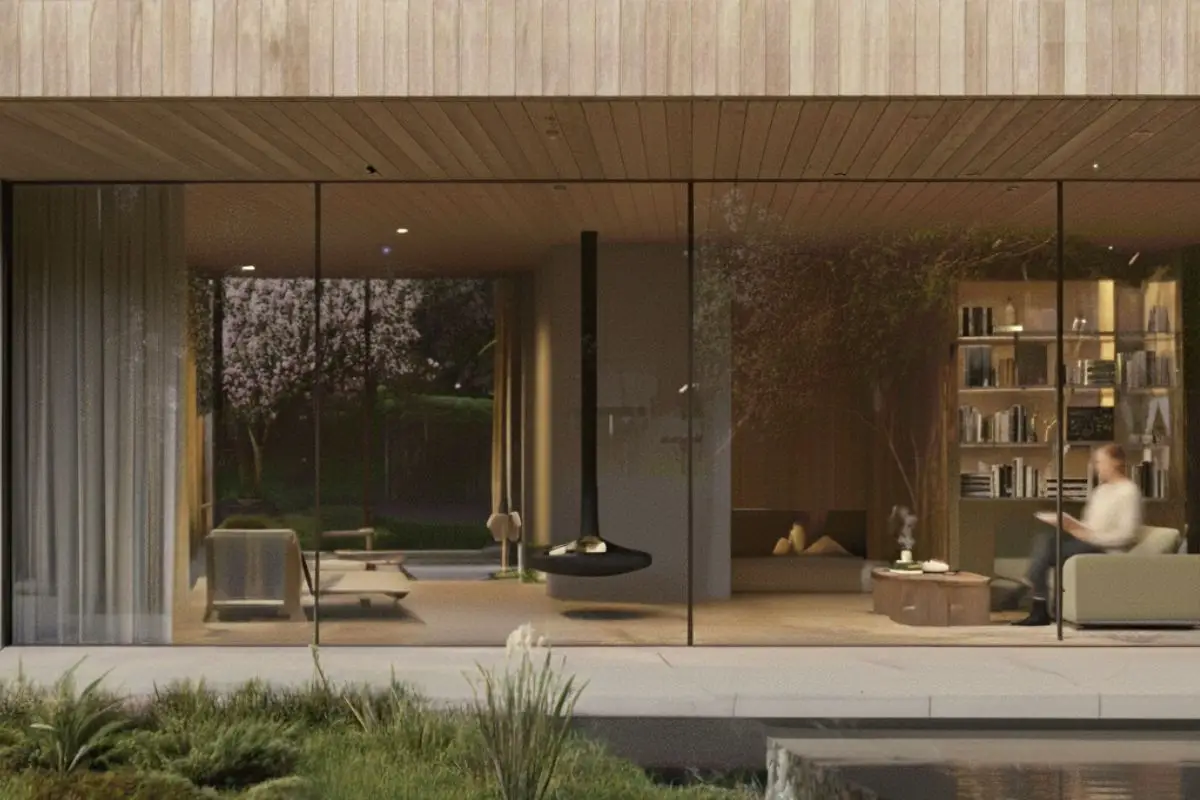
In hotels, leisure developments, golf estates, and shared amenities, this flexibility becomes especially valuable. Clubhouses, lounges, and common areas often perform better when designed with neutral but carefully proportioned frameworks that can accommodate changing patterns of use.
Buildings designed around rigid thematic concepts often require costly interventions once operational priorities evolve. Restrained planning preserves optionality without sacrificing architectural quality.
Why Less Often Works Better
Less design works better when it improves clarity rather than reducing character. Buildings that communicate purpose through proportion, order, circulation, and spatial hierarchy usually require less explanation and fewer corrective adjustments over time.
This approach does not create generic buildings. It creates resilient ones. Users tend to trust spaces that remain understandable, adaptable, and operationally stable long after trends and original programs have shifted.
The long-term value of architecture is rarely measured by how much was added. It is measured by the clarity, adaptability, and discipline that remain useful long after initial design intentions evolve.
No. Architectural restraint is not about reducing ambition or removing value. It involves making disciplined decisions that support long-term usability, maintenance, and adaptability.
By avoiding overdefinition, buildings remain flexible as operational needs, users, and market conditions change over time.
Yes, although it appears differently depending on the project type. Residential, commercial, hospitality, and mixed use developments all benefit from clear planning and adaptable spatial organization.
Buildings designed around rigid assumptions often struggle once user behavior, operational requirements, or market expectations shift. Excessively fixed layouts and visual concepts can become difficult to maintain or adapt over time.
Architecture performs best when it remains clear enough to adapt, maintain, and evolve over time. At Fulgar Architects, we approach design as a long-term framework shaped by usability, operational logic, and disciplined planning rather than unnecessary complexity. Explore our architectural services or connect with our team to discuss residential, hospitality, mixed use, and master planning projects designed for long-term relevance.