












- Trust is built through everyday performance rather than visual impact alone.
- Clear circulation and intuitive organization help users understand buildings without excessive signage.
- Material selection influences how people perceive durability, care, and long-term reliability.
- Maintenance considerations often determine whether a building continues performing as intended years after completion.
- The most trusted buildings support daily routines through consistency, predictability, and long-term performance.
Most people rarely think about trust when discussing architecture. They talk about aesthetics, functionality, sustainability, or value. Yet trust shapes how people experience buildings every day. It influences whether a space feels comfortable to navigate, whether users feel confident returning to it, and whether a building continues serving its purpose over time.
Trustworthy building design in the Philippines is particularly important because buildings face demanding conditions. Tropical weather, heavy daily use, changing operational requirements, and long-term maintenance realities constantly test how architecture performs. Buildings that remain dependable through these conditions earn trust gradually through experience rather than first impressions.
People trust places when they understand them. They trust buildings that work as expected. They trust environments that remain reliable regardless of weather, occupancy, or changing circumstances.
Trust Begins With Orientation
People form opinions about a building within moments of entering it. They look for entrances, circulation routes, destinations, and visual cues that help them understand how the environment works. Buildings that reveal their organization early tend to feel more comfortable and dependable.
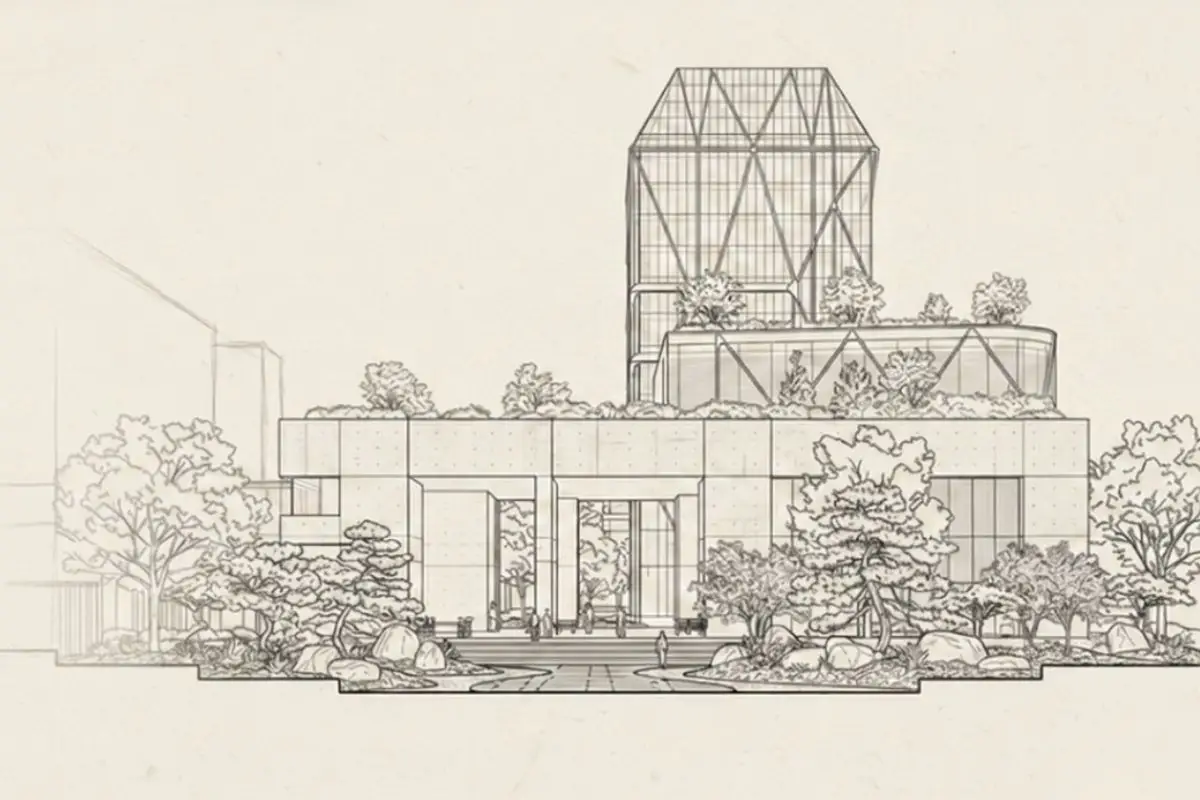
In educational campuses, a central circulation spine can help students and visitors understand how different facilities connect. In healthcare environments, clearly identifiable reception areas and direct sightlines reduce uncertainty during already stressful situations. In mixed-use developments, visible vertical circulation and logical transitions between public and private areas help users navigate confidently.
These decisions are rarely dramatic, yet they influence whether people feel comfortable moving through a building without assistance. Trust grows when architecture communicates its logic clearly. People should not need to study a building to understand how it works.
This principle extends beyond wayfinding. The placement of entrances, the visibility of shared spaces, and the relationship between circulation routes and destinations all influence how quickly users develop confidence in an environment. Buildings that require constant explanation often reveal organizational problems that architecture should have resolved from the beginning.
How Buildings Support Everyday Routines
Buildings are experienced through repetition. People enter through the same doors, follow familiar routes, use common facilities, and develop routines that may continue for years. Trust emerges when architecture supports these patterns consistently.
The location of entrances, the visibility of stairs, the relationship between elevators and lobbies, and the separation of service and public circulation all influence how comfortably people move through a building. These decisions often determine whether daily use feels intuitive or frustrating.
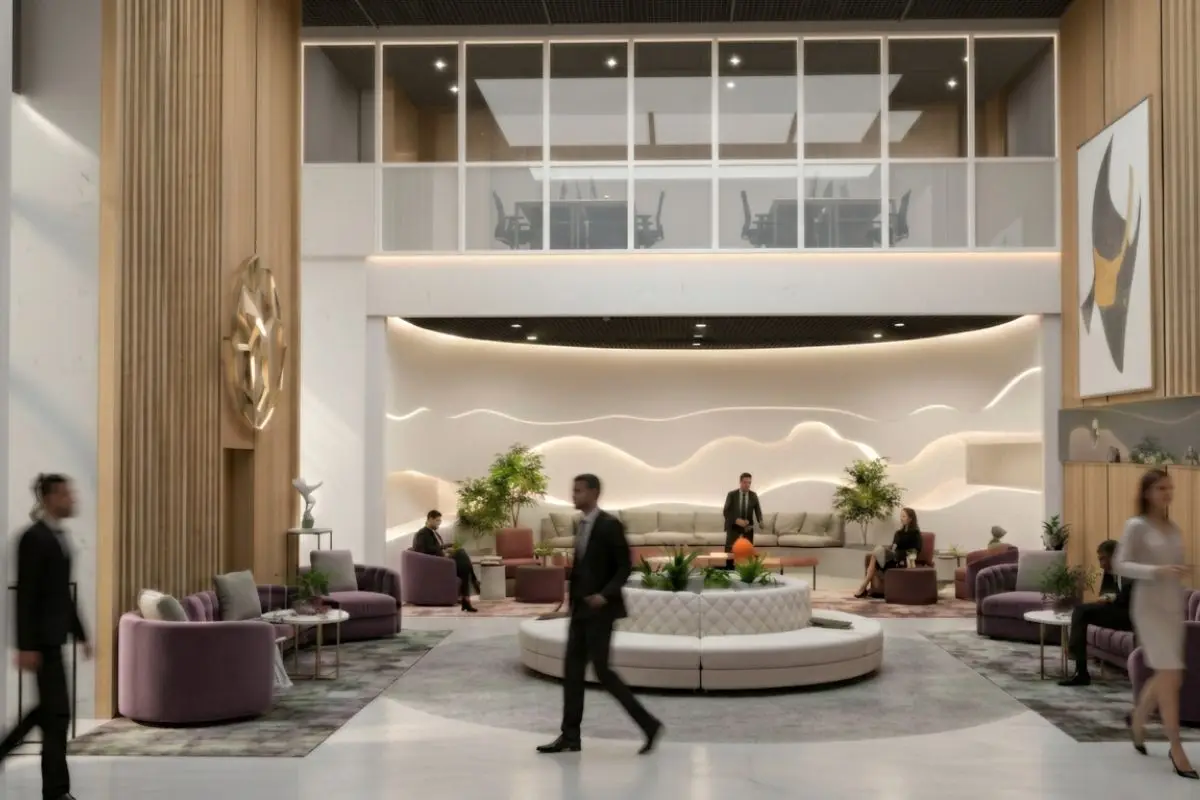
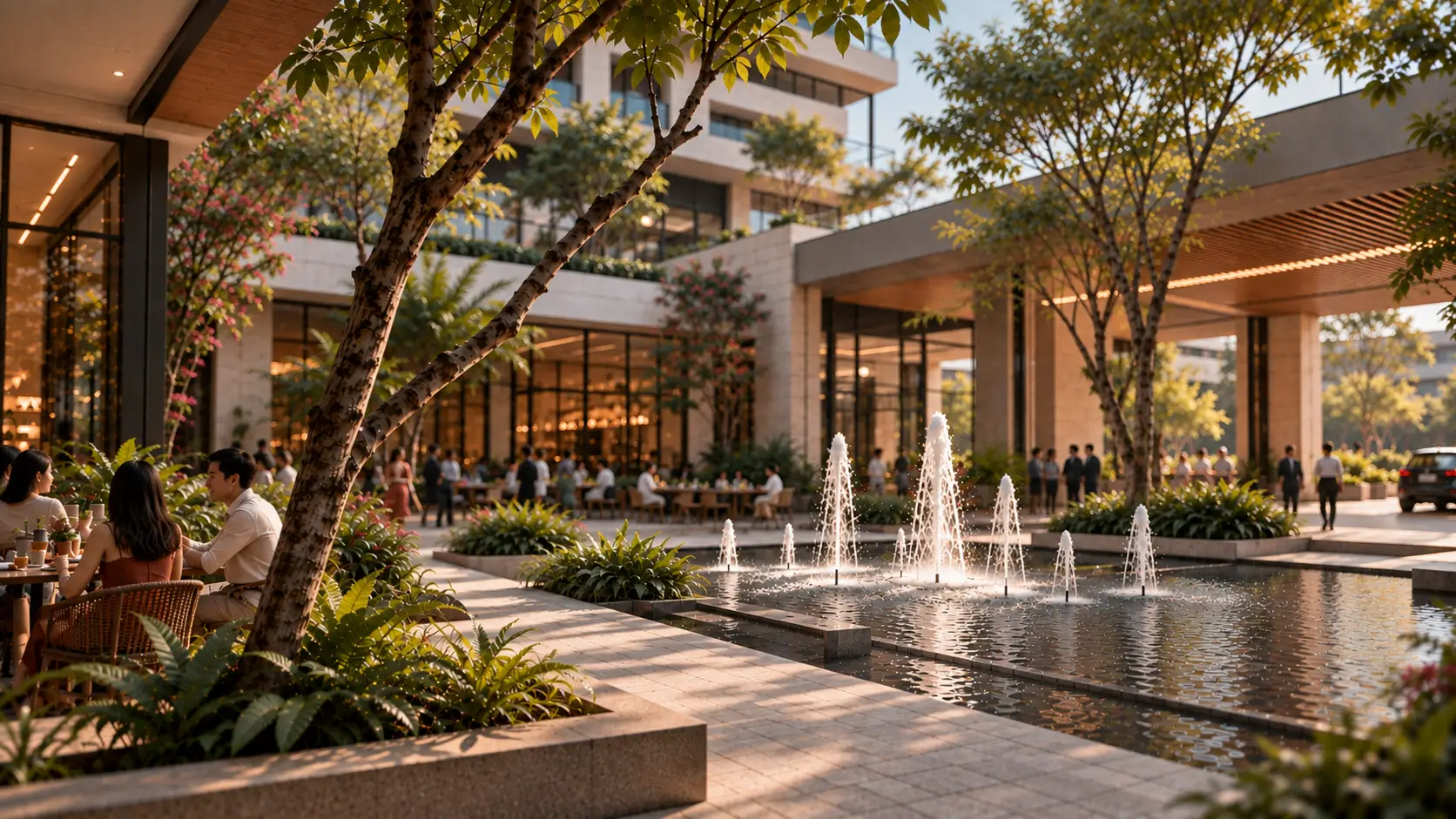
In office environments, clearly positioned vertical circulation reduces congestion and helps users navigate efficiently during peak periods. In residential developments, separating service activities from resident circulation minimizes disruption while preserving privacy. In hospitality projects, guests experience a higher level of comfort when operational activities remain discreet and circulation paths remain clear.
Architecture that supports routine does not remove complexity. It organizes complexity. Users should be able to understand where they are going without relying heavily on signs, instructions, or staff assistance.
Buildings that perform well over time often share this characteristic. Their circulation systems remain logical even as occupancy changes, tenants evolve, and operational requirements shift. Trust develops when users repeatedly experience an environment that behaves as expected.
Material Performance and Long-Term Confidence
In the Philippine climate, materials quickly reveal whether durability was considered from the beginning. Heat, humidity, heavy rainfall, and continuous use place constant demands on buildings, particularly in schools, hospitality projects, commercial developments, and public facilities.
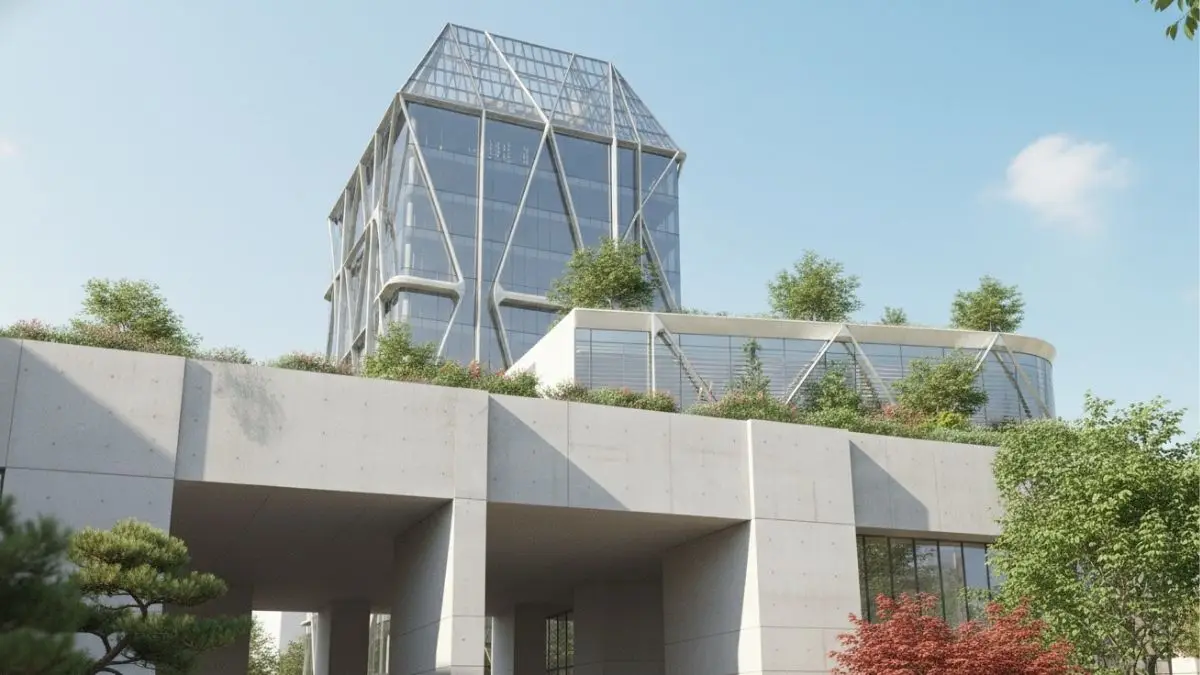
Natural stone flooring in high-traffic public areas can maintain its appearance despite years of use. Properly detailed concrete remains resilient under repeated exposure to weather. Exterior aluminum systems generally outperform materials that require frequent repainting or intensive maintenance. Timber can perform exceptionally well when protected from direct exposure and detailed to shed water effectively.
The issue is not whether a material is expensive. The issue is whether its performance aligns with the demands placed upon it. Materials selected solely for appearance often deteriorate quickly when subjected to real operational conditions.
When finishes fail prematurely, users begin questioning the reliability of the building itself. Peeling paint, damaged flooring, leaking joints, and weathered surfaces communicate neglect regardless of the original design intent. Conversely, buildings that age consistently reinforce confidence through performance.
Trustworthy building design in the Philippines requires architects to evaluate materials based on maintenance cycles, climate exposure, replacement costs, and long-term durability. Buildings earn trust when they continue performing well long after the novelty of their opening has disappeared.
Maintenance as a Design Decision
Maintenance is often discussed after a building is completed, yet many maintenance challenges originate during design.
Mechanical systems, service routes, equipment access, and utility infrastructure all require long-term consideration. Buildings that provide straightforward access to these systems are easier to operate, upgrade, and maintain without disrupting occupants.
In hotels, service corridors allow housekeeping, engineering, and logistics teams to operate efficiently without affecting guest experience. In healthcare facilities, maintenance access must often occur without interrupting critical operations. In mixed-use developments, mechanical equipment and service functions must support multiple tenants while remaining largely invisible to the public.
These requirements influence planning decisions from the earliest stages of design. Service elevators, equipment rooms, access panels, and maintenance routes may not be prominent architectural features, but they contribute significantly to long-term building performance.
When maintenance can occur efficiently, buildings remain consistent in appearance, comfort, and functionality. Users may never notice these systems directly, yet they often determine whether a building continues earning trust years after completion.
Trust Across Different Building Types
The way trust is expressed varies between building typologies, but the underlying principles remain remarkably consistent.
In residential communities, trust is often associated with security, visibility, and ease of movement. In hospitality environments, guests develop confidence through consistency and intuitive navigation. In workplaces, trust emerges through functionality, comfort, and reliability. In civic and institutional buildings, clear organization helps people feel supported during important interactions.
Regardless of scale or program, architecture earns trust when spaces behave in ways that align with user expectations.
The most successful buildings are rarely those that demand constant explanation. They are the ones that feel understandable from the moment people begin using them.
Architecture That People Depend On
Architecture does not earn trust through branding, marketing, or visual spectacle. It earns trust through performance.
Buildings that remain dependable year after year become woven into daily life. People stop thinking about the architecture itself and begin relying on it. The building becomes part of a routine, a workplace, a school, a community, or a destination that consistently performs as expected.
Trustworthy building design in the Philippines reflects a deeper architectural responsibility. Beyond aesthetics and technical compliance, architecture shapes confidence through clarity, reliability, and long-term performance. The buildings people trust most are often not the most dramatic. They are the ones that continue working quietly, consistently, and effectively long after their opening day.
Trustworthy buildings provide clear circulation, reliable performance, intuitive layouts, and materials that remain durable over time.
Trust influences how people navigate, use, and return to buildings. Spaces that feel dependable often provide better long-term user experiences.
Clear circulation reduces confusion and helps people move through a building confidently without relying heavily on signs or assistance.
Yes. Buildings that are easy to maintain often remain more consistent in appearance and performance, reinforcing confidence among users.
Thoughtful architecture earns confidence through everyday performance. At Fulgar Architects, we design buildings, communities, and environments that prioritize clarity, functionality, and long-term value. Explore our architectural services or connect with our team to discuss projects that remain dependable long after completion.