













Land value is often discussed as a function of location, market timing, and demand. In practice, the most decisive shifts in land value occur much earlier, when architectural thinking first engages the site. Early architectural decisions and land value are inseparable because the earliest spatial moves establish what the land can become, how it can perform, and how resilient that performance will be over time.
In the Philippines, large areas of land are usually developed bit by bit and through different economic cycles. Land value isn’t set when the land is bought. Instead, it’s shaped by decisions made before any building plans, branding, or financial models exist. At this early point, architecture helps find opportunities and manage risks.
Architecture Before Buildings
Early architectural decisions begin long before form-making. They start with how the land is read and structured. Access points, road hierarchies, service alignments, and open space frameworks define the site’s internal logic. These decisions determine whether land is legible, divisible, and adaptable.
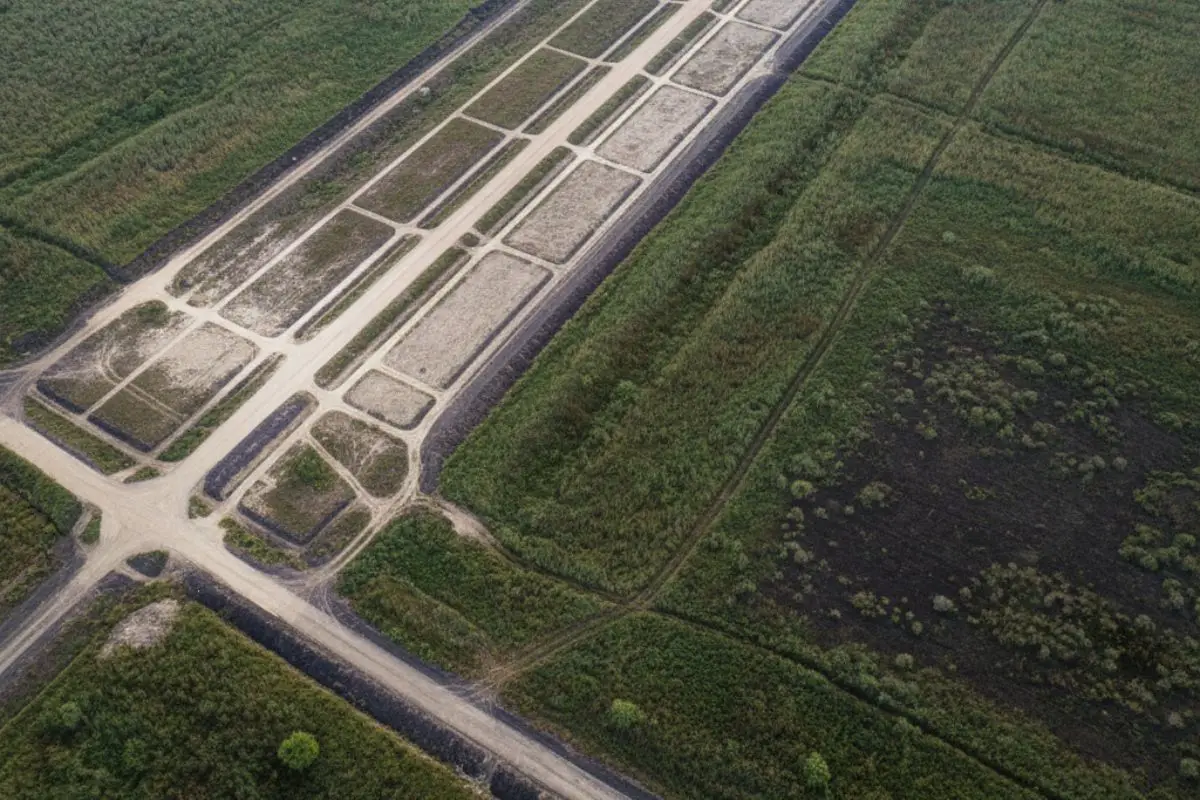
When architecture is introduced only after commercial targets are set, it is forced to react. When architectural thinking leads, it informs those targets. The difference is not aesthetic. It is economic. A site with clear circulation logic, coherent block sizes, and serviceable parcels supports a wider range of uses and attracts a broader set of investors. This flexibility translates directly into land value.
This difference is especially important in light of recent developments in the Philippines. Many places shift from farmland or rural areas to cities over the course of many years. Early architectural choices that plan for this change help the land appreciate in value as the area develops, rather than being stuck with layouts that can’t adapt.
Early Architectural Decisions and Land Value
One key early decision is how to plan the site’s yield. Many think yield means fitting in as much as possible, but it’s really about arranging the buildable space so it stays clear, accessible, and useful for years to come.

The size of blocks, the length of frontages, and the depth of lots all affect how buildings can be designed in the future. Blocks that are too small might add more floor area on paper, but can make the site less attractive to buyers. Well-planned block layouts support different building types over time, helping the land adjust to changing needs.
Early architectural decisions and land value intersect clearly here. A well-proportioned block system increases the number of viable development scenarios without committing prematurely to one. This optionality enhances land value by protecting future revenue streams from uncertainty.
Access, Movement, and Perceived Distance
Land value depends not just on real distances but also on how close things feel. Early choices about access and movement affect how people experience getting around the site. The way roads, walkways, and views are arranged determines whether places feel connected or far apart.
In large developments, even small layout changes can make a big difference. A shop that feels central is worth more than one that’s close by but feels hidden. Architecture creates this feeling through how spaces are arranged, not just with signs or advertising.
When access is resolved early with architectural intent, land parcels gain clarity of role. Residential areas feel protected without isolation. Commercial zones feel active without overwhelming adjacent uses. This balance supports stable value across the development rather than concentrating it unevenly.
Phasing Logic as Value Protection
Most large developments in the Philippines are built in phases. Market trends, infrastructure, and permits rarely align to make everything happen at once. Early architectural choices decide if this step-by-step process will help or hurt land value.
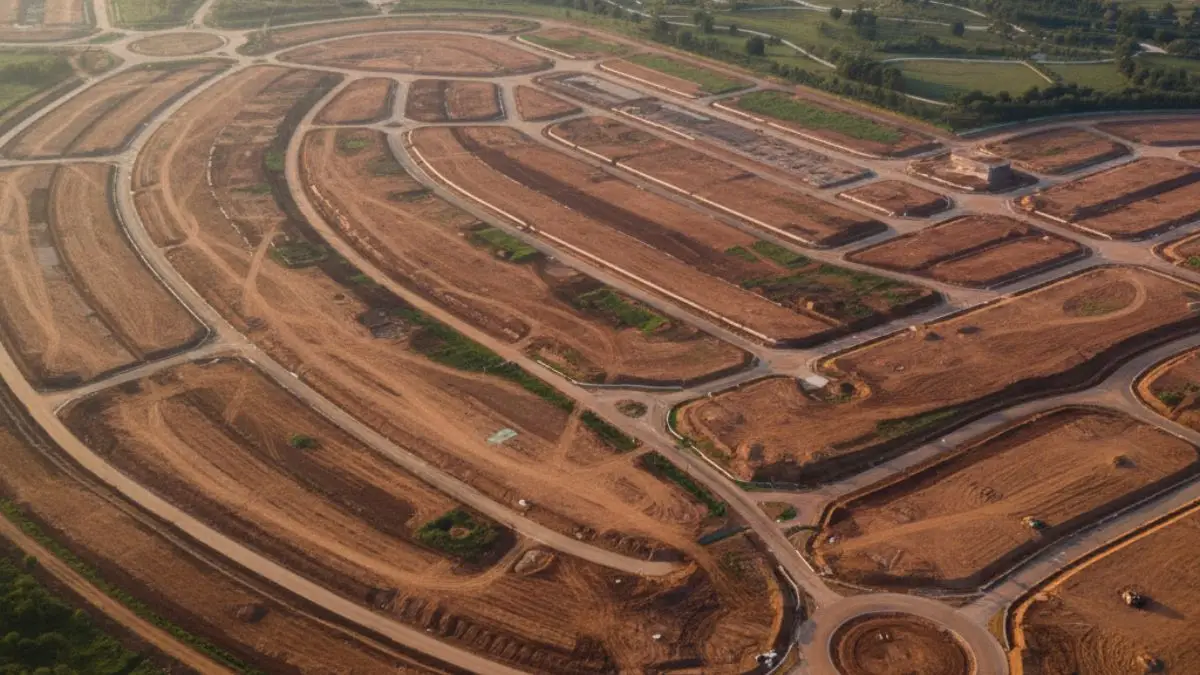
If a site isn’t planned with phasing in mind, temporary fixes can turn into long-term problems. Things like empty edges, roads that are too big, or utilities in the wrong place make early phases less attractive and cause issues later. A good overall plan that expects partial completion lets each stage work well on its own.
This way of planning protects land value by ensuring early spending doesn’t undermine future growth. It lets the land gain value incrementally, rather than stalling after the first phase. Here, architecture helps match the use of space with the timing of development.
Infrastructure as Spatial Commitment
Infrastructure is often treated as an engineering concern, yet its placement is an architectural decision with long-term value implications. Roads, drainage, power corridors, and service easements permanently consume land. Their alignment determines what remains buildable and what is lost.
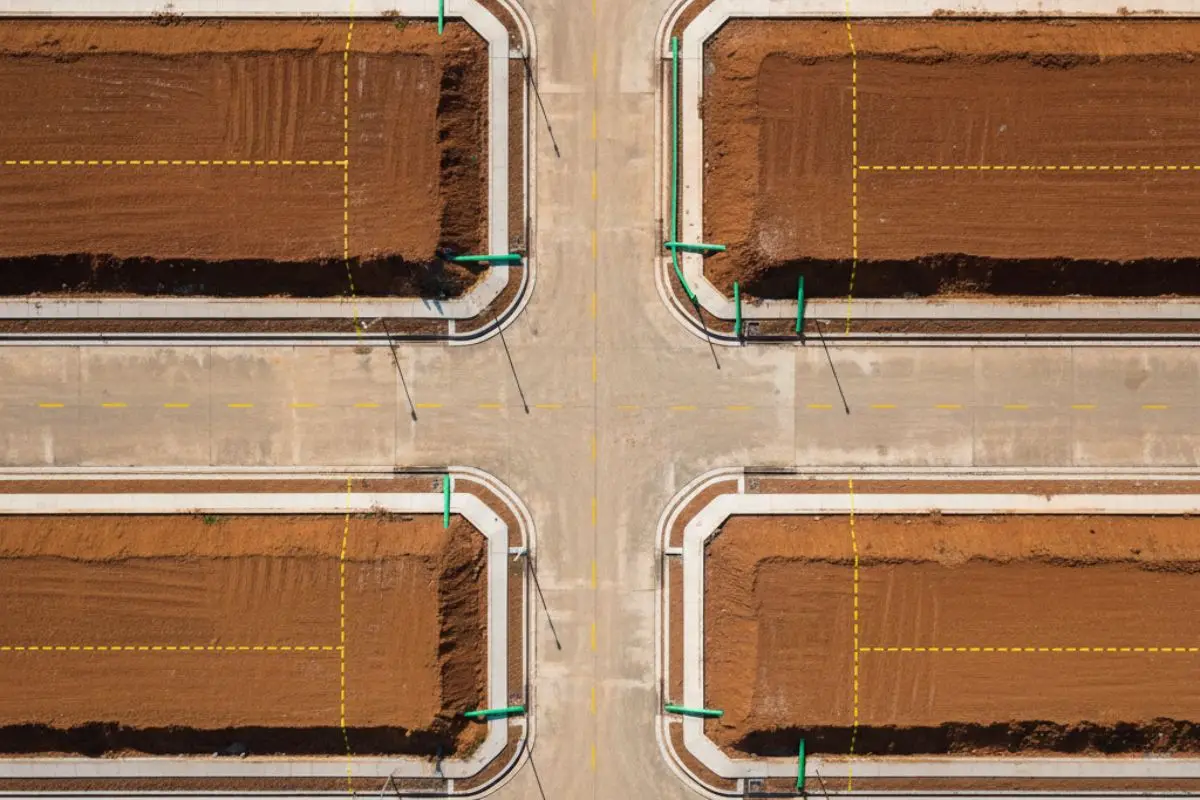
When architects plan infrastructure early, it supports future development rather than getting in the way. Using shared routes, small service areas, and open spaces keeps more land available for building while still meeting standards.
In this sense, early architectural decisions and land value are closely connected by careful planning. Every bit of land saved through smart infrastructure choices gives more flexibility and helps the land respond to future market needs.
Reading the Land Beyond Zoning
Zoning rules set boundaries, but they don’t set value. Early architectural analysis looks past just following the rules to see how land can do better than the basics without causing problems. Things like the land’s shape, drainage, wind, and sunlight all affect how well the land can be developed.
By aligning the layout with these conditions, architecture reduces long-term costs and makes spaces more comfortable. These benefits might not show up right away in land prices, but they add up over time through fewer changes and better use of the space.
Looking more closely at the land turns limits into strengths. This approach lets value grow by working with the land’s features instead of against them.
Architecture as the First Investment Decision
Before large investments are made, architectural choices set the level of risk for a site. They decide whether the land can withstand changes, be split or combined, and grow without losing its overall plan.
Developers who engage architecture early are not seeking form. They are seeking clarity. They understand that early architectural decisions and land value are linked through structure, sequence, and restraint. The land becomes legible to investors, regulators, and future users.
In the long arc of development, architecture is most powerful when it is least visible. Its value lies in decisions that endure quietly, allowing land to perform across cycles, generations, and shifting ambitions. At this scale, early architectural decisions and land value remain inseparable, shaping outcomes long before form or branding enters the conversation.
Early architectural decisions establish the spatial logic that determines how land can be developed over time. Access, block structure, infrastructure placement, and phasing frameworks shape flexibility, market appeal, and risk exposure. These decisions influence land value more decisively than later design expressions.
When architectural thinking informs financial modeling, development assumptions are grounded in spatial reality. This alignment reduces risk by ensuring density targets, phasing strategies, and infrastructure costs are achievable rather than theoretical.
Phasing determines whether early development strengthens or compromises future potential. A clear architectural framework allows each phase to function independently while contributing to a coherent whole, protecting land value as the project evolves.
Infrastructure consumes land permanently. Early architectural coordination ensures infrastructure supports future development, preserves buildable area, and maintains flexibility. Poorly planned infrastructure limits options and erodes long-term value.
Zoning defines limits, not opportunity. Architectural analysis that considers climate, topography, and spatial efficiency enables land to perform beyond baseline expectations, creating value through alignment rather than maximization.