













Article Summary
- Cities are shaped less by single landmark projects and more by the everyday architectural decisions repeated across streets and blocks.
- Small choices about setbacks, ground floors, height, and circulation quietly accumulate into recognizable urban patterns over time.
- When architects design with awareness beyond the project boundary, individual buildings contribute to more coherent, usable, and resilient cities.
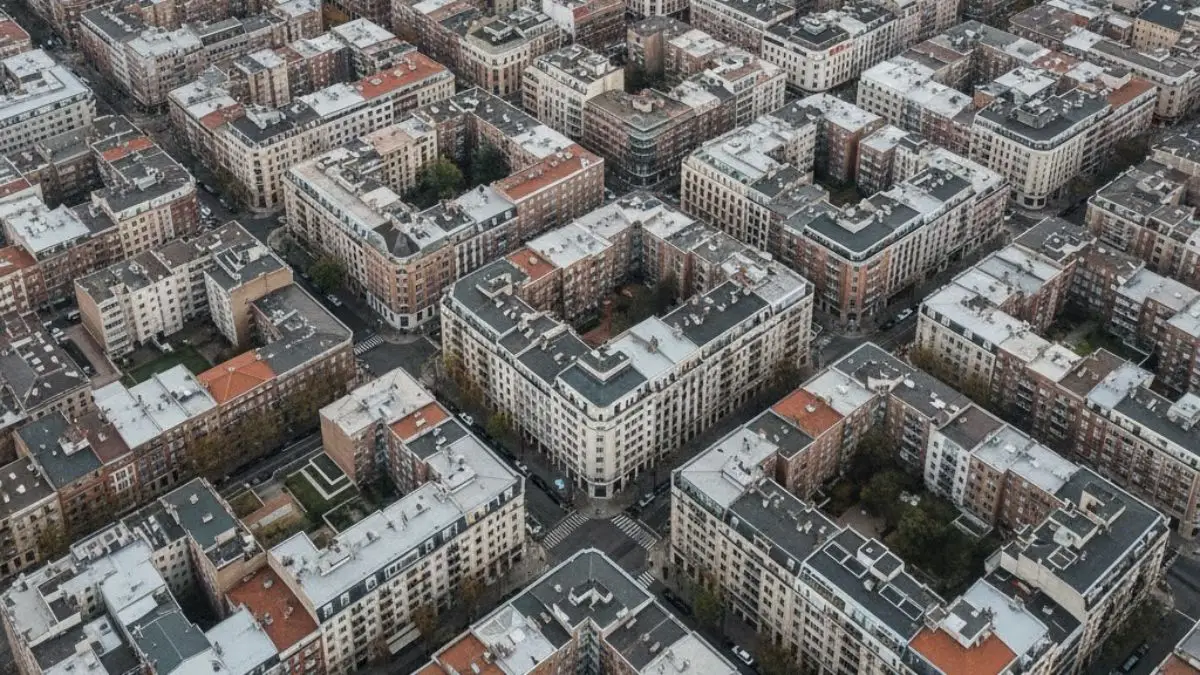
Cities are rarely designed as complete compositions. They are built gradually, through hundreds or thousands of individual projects responding to specific sites, clients, budgets, and timelines. Over time, these separate decisions begin to align, conflict, or reinforce one another. The role of architecture in shaping urban form lies in this accumulation, where repetition often matters more than singular intent.
As cities grow denser and development accelerates, the effects of architectural decisions become harder to reverse. Streets are defined, blocks are fixed, and circulation patterns become embedded. Architecture operates here not as a one-time gesture, but as a steady force that shapes how the city works, feels, and ages.
Architecture as an Incremental Force
Urban form emerges through patterns rather than isolated statements. The way buildings meet the street, the consistency of setbacks, and the rhythm of heights across a block collectively establish the character of a place. These are not usually dictated by one master plan. They result from repeated architectural responses to similar conditions.
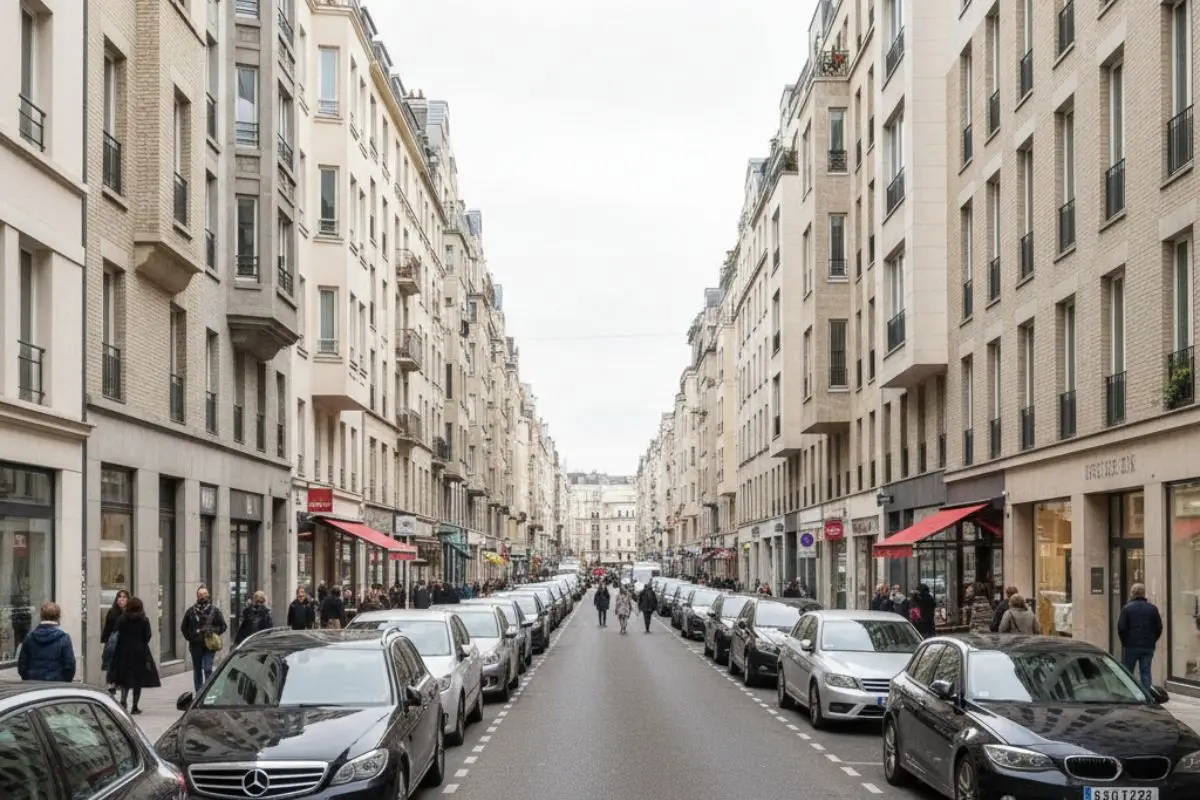
When each project is treated as a standalone problem, the city becomes uneven. Street walls break, pedestrian movement becomes unpredictable, and public space feels accidental. When architects understand their work as part of a larger fabric, coherence begins to appear. Alignment is achieved not through uniformity, but through consistency in how buildings relate to their surroundings.
This incremental awareness allows cities to develop structure over time, even when growth is fragmented or market-driven. Architecture shapes urban form through continuity rather than control.
From Plot Decisions to City Structure
Small architectural decisions scale quickly. A setback repeated along a street creates a continuous edge. A consistent podium height defines a district’s human scale. Ground-floor transparency encourages activity, while blank edges discourage use. These choices are made at the project level, yet their effects extend far beyond individual property lines.
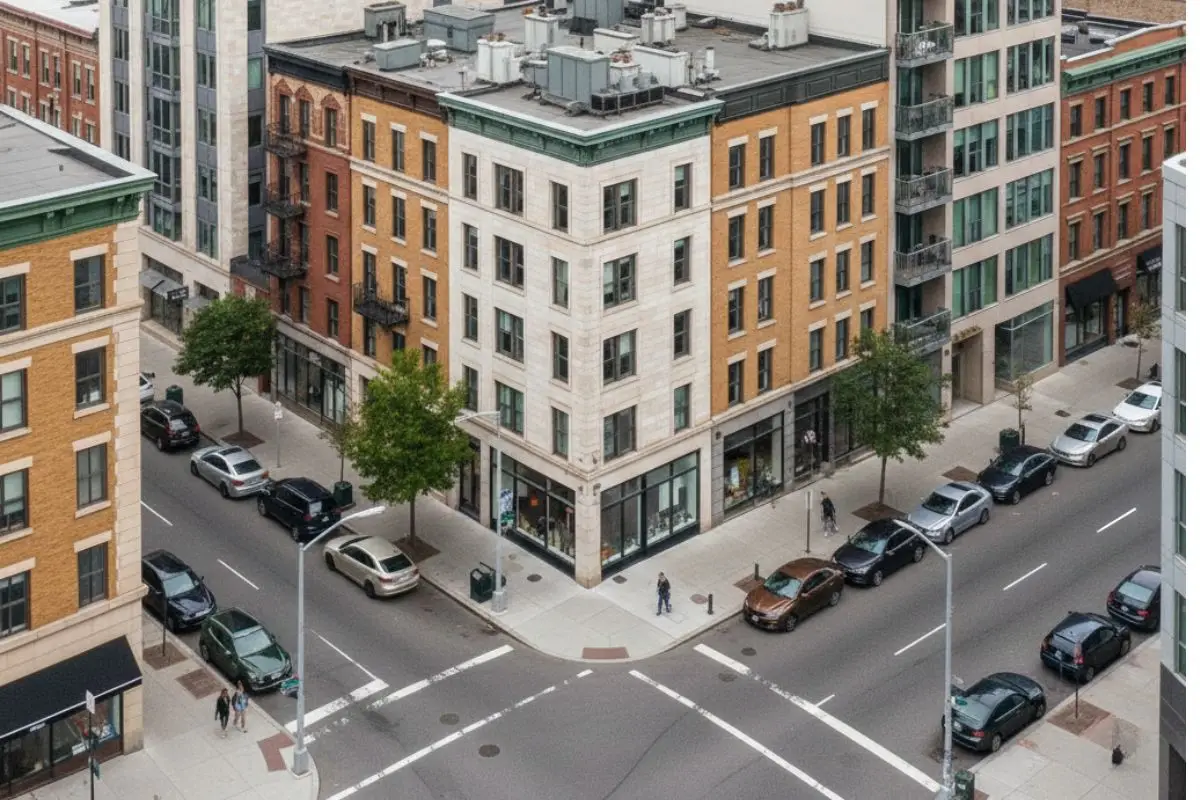
Urban form becomes clearer when read at ground level rather than from a distance. How buildings handle corners, accommodate service access, provide shade, or manage transitions between public and private space determines how the city is experienced daily. These conditions are rarely visible in skyline images, but they define comfort, legibility, and use.
Architecture shapes the city through these everyday negotiations. Over time, patterns stabilize and become part of the urban identity.
Architecture Beyond Iconic Buildings
Urban form is often associated with landmark projects, yet most cities are defined by ordinary buildings. Offices, residential blocks, mixed-use podiums, and commercial structures establish continuity. While landmarks may punctuate the city, it is the background architecture that holds it together.
This places responsibility on routine practice. Proportions, alignments, and material decisions repeated across many projects either strengthen or weaken the surrounding fabric. Cities that feel coherent are usually the result of consistent architectural judgment rather than singular ambition.
Architecture shapes urban form most effectively when it prioritizes fit, clarity, and restraint over novelty.
City-Making Through Practice
City-making occurs through professional habits. The way architects resolve circulation, address climate, organize ground floors, and balance efficiency with spatial quality appears repeatedly across developments. These habits accumulate into recognizable urban conditions.

Where architectural discipline is strong, cities maintain clarity even as they grow quickly. Streets remain legible, blocks adapt over time, and public space continues to function. Where discipline is weak, fragmentation persists despite planning efforts.
Urban form reflects the collective decisions of architectural practice more than any single vision.
Architecture as Urban Responsibility
Every building contributes to the city, intentionally or not. Recognizing this shifts architecture from isolated problem-solving toward civic participation. Each project becomes part of a longer conversation about how the city will function in the future.
When architects design with awareness of accumulation, urban form becomes an outcome of care and consistency. Architecture asserts its influence quietly, shaping cities through decisions that endure across decades.
It refers to how repeated architectural decisions collectively influence the physical structure and spatial character of cities.
Through patterns of setbacks, heights, circulation, and ground-level treatment that repeat across streets and districts.
Planning sets parameters, but architecture gives them physical form. Urban form emerges through built interpretation.
Fragmentation results when projects ignore their cumulative impact, leading to inconsistent repetition over time.
Yes. Consistent architectural decisions can create coherence even without comprehensive planning.