












Property value is often discussed in terms of location, market timing, and demand. These factors matter, yet they do not fully explain why some assets remain valuable across decades while others decline despite favorable conditions. How architecture shapes long-term property value lies in decisions made early, before performance can be measured, when spatial structure, operational logic, and adaptability are first established.
Buildings that sustain value do so because they continue to perform reliably. They are easy to operate, clear to navigate, and capable of accommodating change without disruption. Architecture establishes these conditions quietly, embedding value through use rather than appearance.
Performance Beyond Initial Delivery
A property’s real performance becomes evident after handover, when spaces are occupied, and systems operate continuously. Architecture that anticipates this phase reduces friction. Clear circulation, rational servicing, and climate-responsive design support daily routines without constant correction.
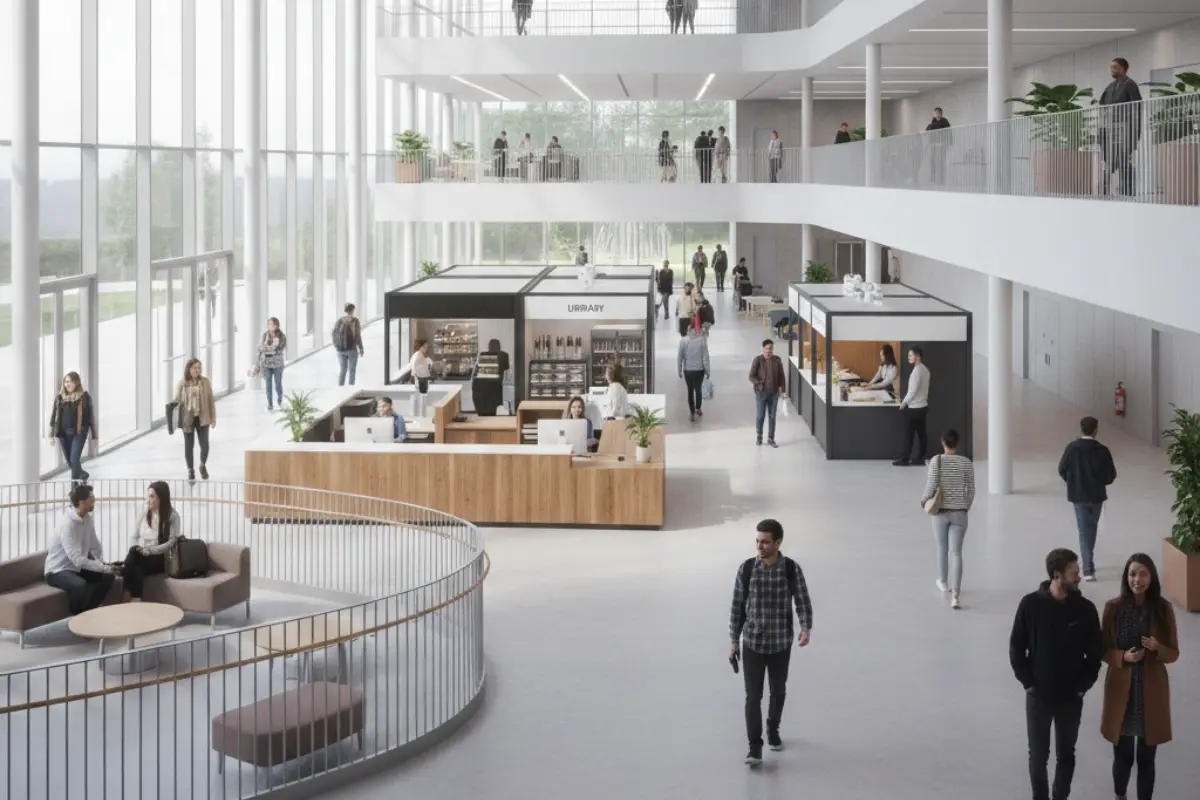
Over time, these qualities influence how an asset is perceived. Buildings that function predictably earn trust from occupants, operators, and owners. This trust reinforces value through reliability rather than novelty, allowing properties to compete without constant reinvestment.
Adaptability as Value Insurance
Adaptability results from early architectural discipline. Structural capacity, spatial proportions, and infrastructure alignment determine if a building can be reconfigured as demand shifts.
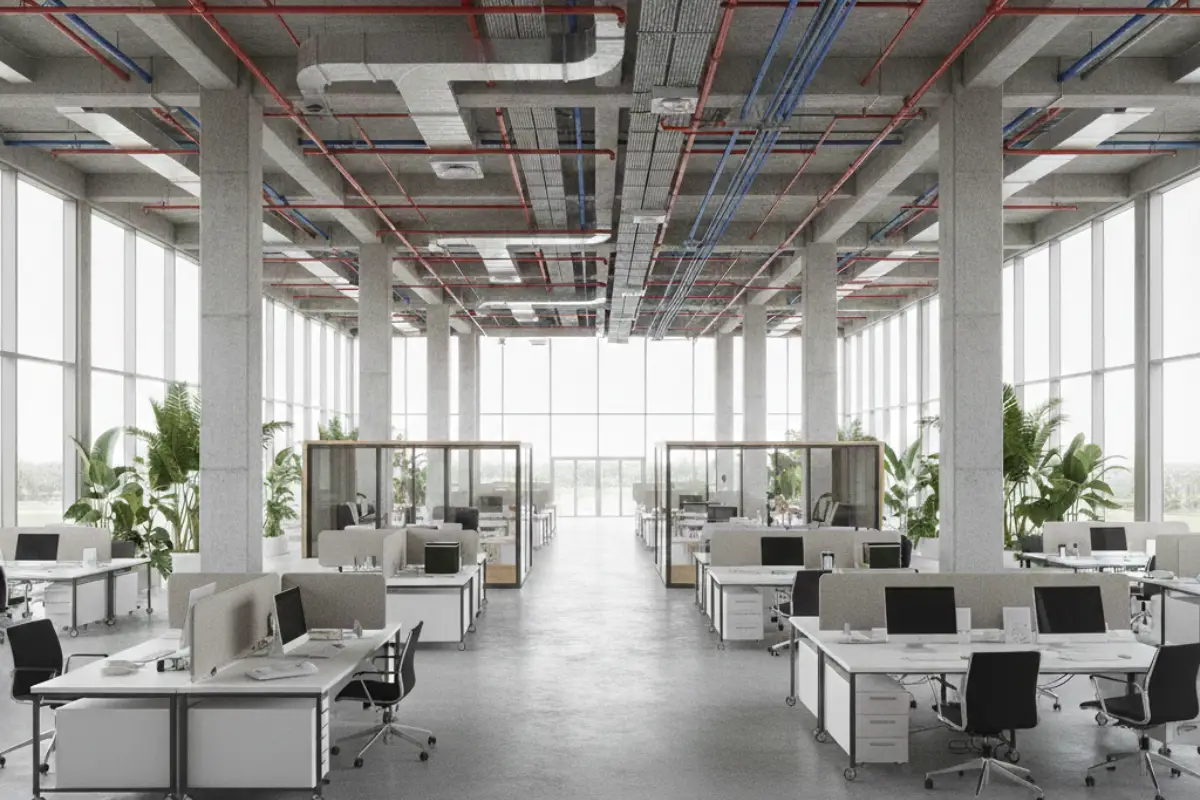
Properties allowing conversion or incremental adjustment extend economic life and protect capital. Architecture defines the range of feasible changes without excessive cost or disruption.
Architecture and the Cost of Irreversibility
Some design choices last for the entire life of a building. Where the core, structure, and services are placed sets limits that cannot be changed easily. If these choices focus solely on short-term gains rather than flexibility, the building’s long-term value can suffer.
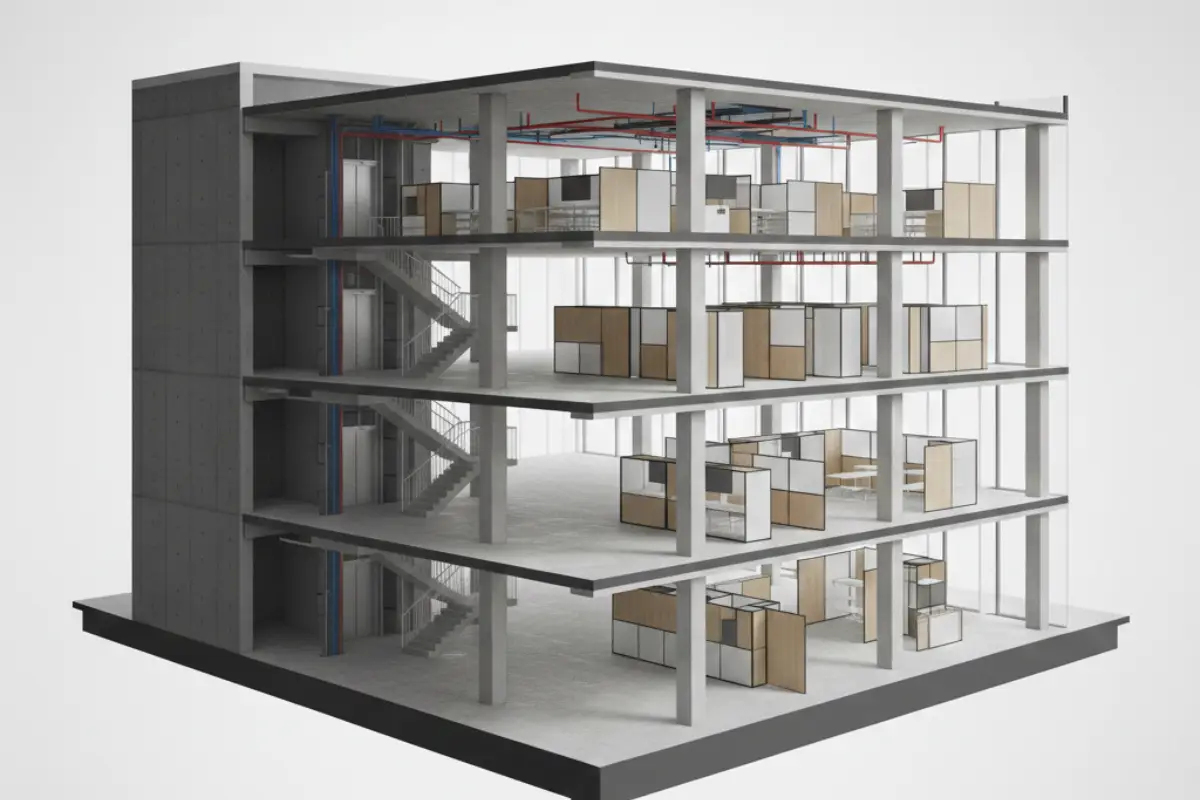
Careful architectural choices may sacrifice some initial efficiency to achieve resilience. This trade-off supports value stability by protecting assets against changes that cannot be predicted at the outset. Restraint at the beginning often preserves opportunity later.
Operational Reliability and Asset Longevity
Long-term property value depends on operational reliability. Straightforward maintenance, security, and service reduce management strain. Architecture that aligns layout with operational logic controls costs and prolongs component lifespan.
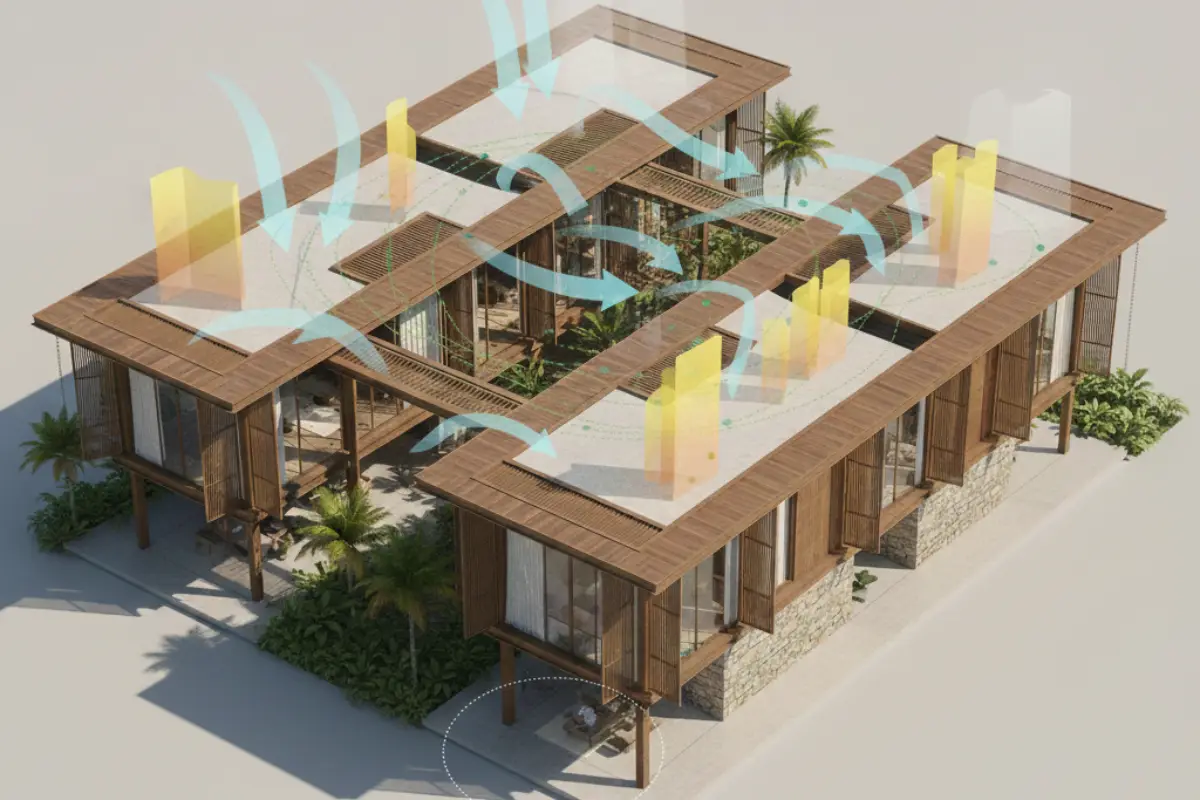
In tropical areas, how a building handles the climate is important. Features like shade, airflow, and the right materials affect energy use, wear, and repair frequency. When the design addresses climate rather than relying solely on machines, the building lasts longer.
A Long View on Property Value
Architecture shapes long-term property value by guiding how buildings age. Assets that endure do so because their design supports ongoing use, adaptation, and management without friction. Value is sustained through early decisions that remain effective long after trends shift.
Understanding how architecture shapes long-term property value reframes design as a form of risk management. Architecture does not guarantee returns, yet it establishes the conditions under which value can persist across cycles, ownership changes, and evolving demands.
Architecture determines how long a property remains relevant and functional as markets, users, and operational requirements change.
Adaptability allows assets to respond to shifting demand without disruptive capital expenditure or loss of use.
Operational reliability and spatial flexibility reduce exposure to obsolescence and premature asset decline.
Early in the process, before structural and servicing decisions lock in long-term constraints.