













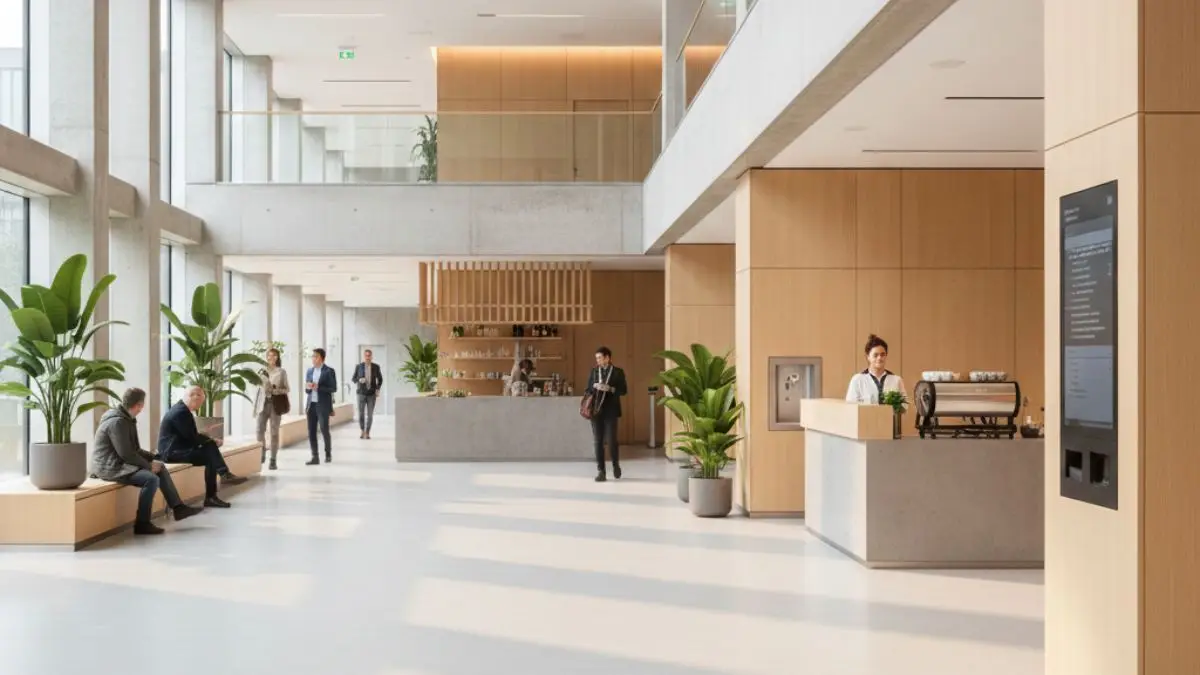
The quality of a building is often judged at completion, when spaces are photographed, leased, and handed over. Its true performance, however, is revealed much later through the routines of operation. Architectural choices that influence daily operations shape how buildings are managed, maintained, secured, and adapted long after design intent fades from view. These choices determine whether a project operates quietly and efficiently or requires constant intervention to remain viable.
In reality, good building operations rely more on planning and design choices than on management alone. Decisions about how people move, where services are placed, and how spaces are organized set the stage for daily operations. If these choices are clear and well-thought-out, the building works well. If not, small problems add up, making daily tasks harder. Key takeaway: Proactive design choices are critical to smooth day-to-day operations.
Architecture and the Reality of Handover
Handover marks a transition from the design phase to real-world use. Responsibility passes from architects and consultants to property managers, engineers, and security teams. At this stage, architectural decisions are tested through everyday use rather than drawings or simulations.
Buildings with clear zones, easy-to-follow paths, and logical service layouts usually settle into smooth operations quickly. Buildings without these features require workarounds, which in turn mean more staff, higher costs, and greater risk. This shows the difference between spatial clarity and visual impression.
Large lobbies may appear generous while complicating security screening. Service corridors that seem adequate on paper may fail under the demands of waste movement or equipment transfer. These outcomes reflect early decisions that did not fully account for operational use.
Circulation as an Operational System
Movement through a building is one of its most persistent daily activities. Staff, tenants, guests, and service providers rely on circulation systems that function intuitively under pressure. Architectural choices that influence daily operations are especially evident here.
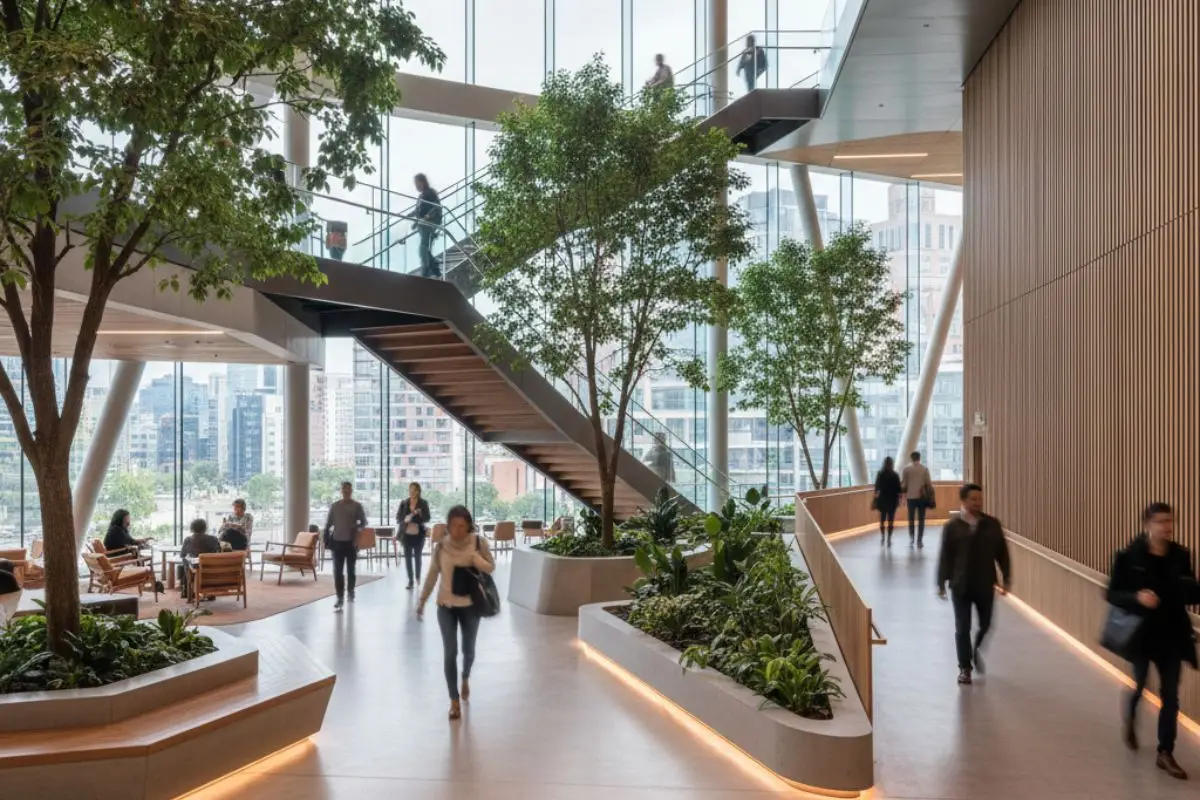
Clear separation between public, private, and service circulation reduces conflict and supports efficient staffing. Decisions about elevator zoning, stair placement, and core location affect waiting times, energy use, and equipment wear. When resolved early, these systems perform consistently across varying occupancy levels. When compromised, they generate complaints and recurring costs.
Servicing, Maintenance, and Access
Maintenance is an unavoidable constant. Architecture either supports it quietly or obstructs it daily. Undersized, poorly ventilated, or difficult-to-access plant rooms increase downtime and operational risk. Service routes that intersect with public areas disrupt experience and complicate scheduling.
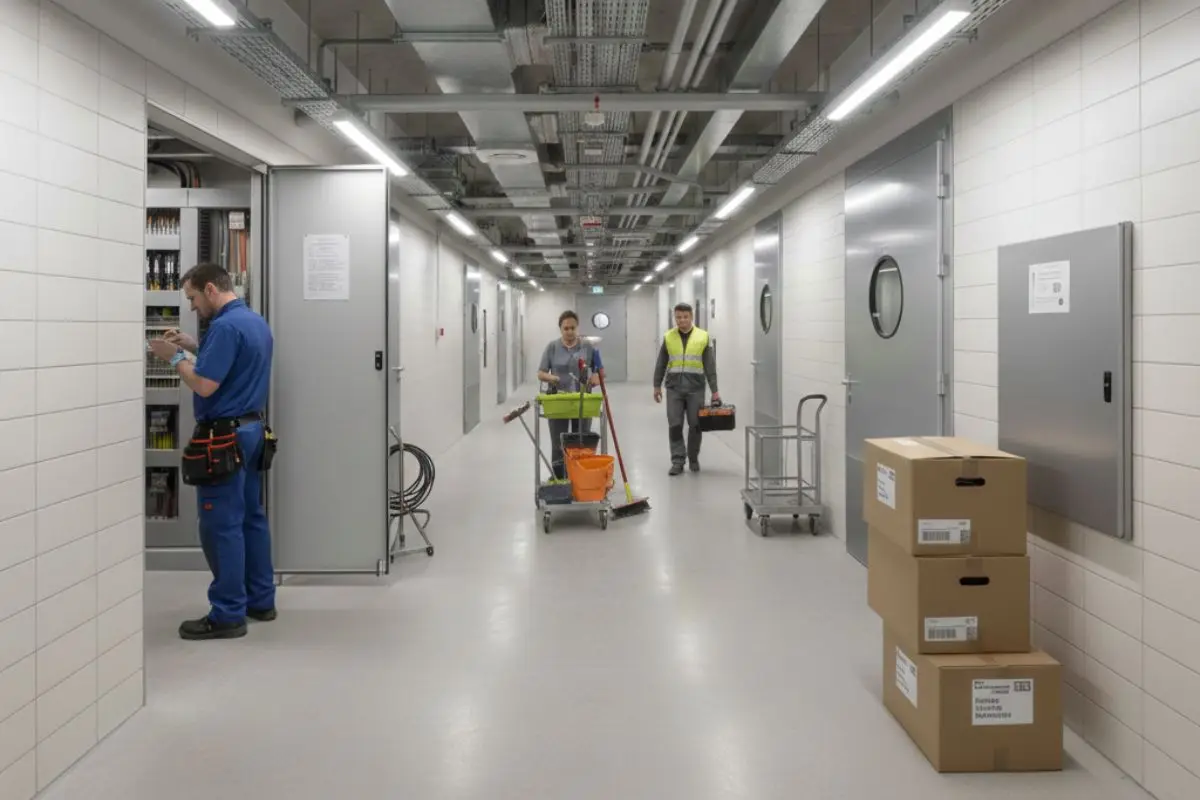
These issues rarely stem solely from the budget. They originate in early design decisions that prioritize short-term efficiency over long-term access. Buildings planned with maintenance in mind age more gracefully, allowing systems to be upgraded or replaced without disrupting daily operations.
Zoning, Security, and Management Load
Operational teams manage complexity through zoning. Clear architectural definition reduces reliance on supervision by aligning spatial boundaries with functional responsibility. When residential, office, retail, and service areas are clearly distinguished, staffing levels can be calibrated accurately, and security protocols remain consistent.
Unclear boundaries increase management load. Security teams compensate for ambiguous layouts, while operations staff rely on temporary controls to manage access. Over time, these measures raise costs and erode user satisfaction. Architecture that anticipates these realities supports management rather than depending on it.
Climate, Wear, and Operational Longevity
In tropical environments, operational performance is inseparable from climate response. Shading, ventilation, material selection, and weather protection influence energy consumption, cleaning cycles, and maintenance frequency. Architectural decisions that integrate these factors reduce operational strain and extend component lifespan.
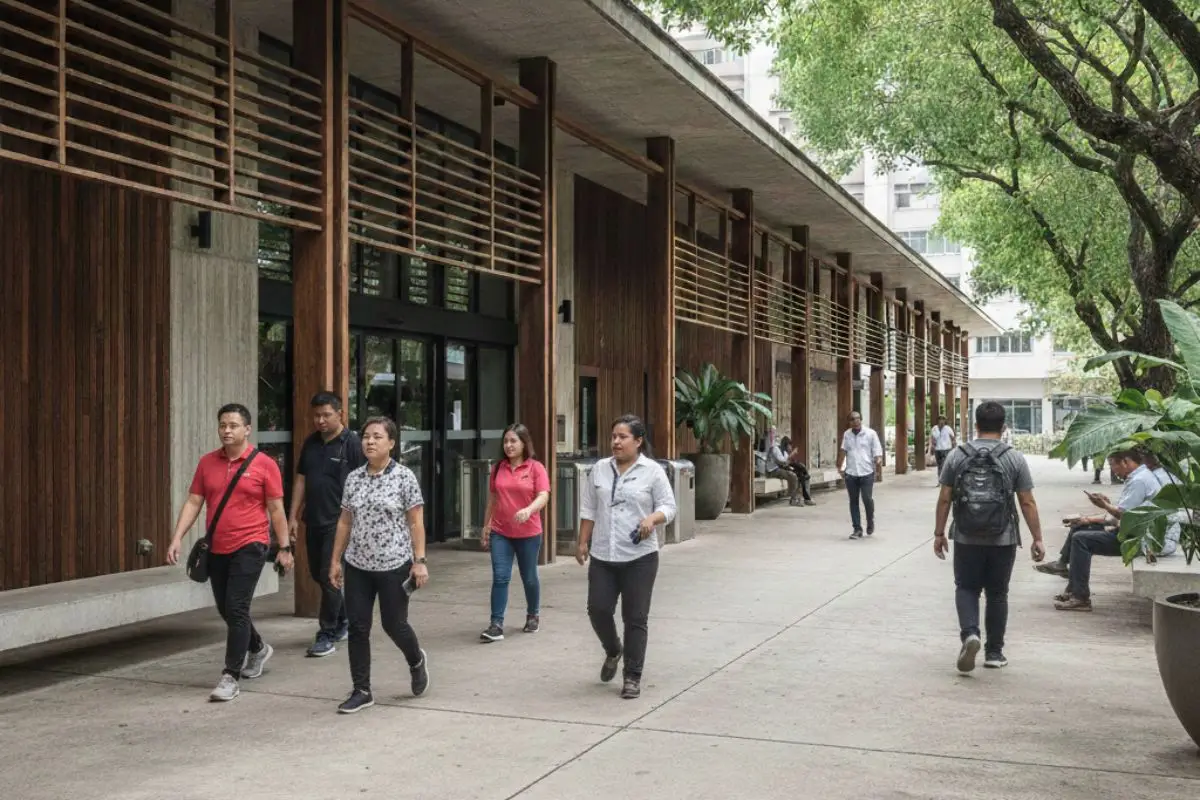
Buildings that disregard climate place a greater burden on mechanical systems and maintenance teams. Over time, this imbalance accelerates wear and increases operating expenses. Climate-responsive architecture distributes responsibility more evenly between design and operations, supporting steadier long-term performance.
Architectural Choices That Influence Daily Operations
The most effective buildings require little explanation. Their logic is evident to users and operators alike. Takeaway: architectural choices focused on daily operations create buildings where routines run smoothly, allowing management to optimize rather than constantly troubleshoot.
This performance is the result of early engagement with real operational scenarios. Architects who consider staffing, security, cleaning, and maintenance during design create buildings that support daily work rather than complicate it. Takeaway: Early attention to operations during design is key to long-term building performance.
Architectural choices establish the physical framework for circulation, servicing, maintenance, and security. Decisions made early determine whether daily tasks remain predictable or require constant adjustment.
Many challenges are embedded in layouts, access routes, and spatial hierarchies long before operations teams assume responsibility.
Circulation efficiency, service access, plant room sizing, and climate responsiveness have a lasting influence on staffing, maintenance, and energy use.
By aligning spatial zoning with functional responsibility, architecture reduces reliance on supervision and temporary controls.