












- Residential architecture is shifting toward flexibility, adaptability, and long-term usability.
- Adaptive residential spaces respond to changing lifestyles, remote work patterns, and evolving household structures.
- Contemporary homes increasingly prioritize multifunctionality over rigid room definitions.
- Meta-modern living reflects a balance between emotional comfort, technological integration, and environmental responsiveness.
- Future residential design will likely favor homes capable of evolving alongside their occupants.
Modern residential life no longer follows a single predictable routine. Homes now function as workplaces, recovery environments, social settings, and flexible extensions of everyday urban life. This shift is reshaping how architects approach planning, circulation, and room organization. Adaptive residential spaces are becoming increasingly important as households demand environments that can evolve alongside changing lifestyles, technologies, and patterns of living.
Residential Architecture Is Moving Beyond Static Planning
For many decades, residential architecture followed relatively fixed planning conventions. Bedrooms served singular purposes, living rooms followed predictable layouts, and household routines remained comparatively stable across generations. While these models supported earlier forms of domestic life, contemporary living conditions have become significantly more fluid.
Remote work, hybrid schedules, digital communication, shifting family structures, and changing lifestyle expectations have transformed how homes are occupied throughout the day. Residential environments are now expected to support multiple overlapping activities within the same spatial footprint.
This transformation has accelerated interest in adaptive residential spaces. Architects are increasingly designing homes that can accommodate change rather than assume permanence in everyday routines.
The shift reflects a broader cultural movement often associated with meta-modern living. Contemporary residents seek environments that balance technological integration with emotional grounding, efficiency with comfort, and flexibility with spatial clarity. Homes are expected to feel responsive rather than rigid.
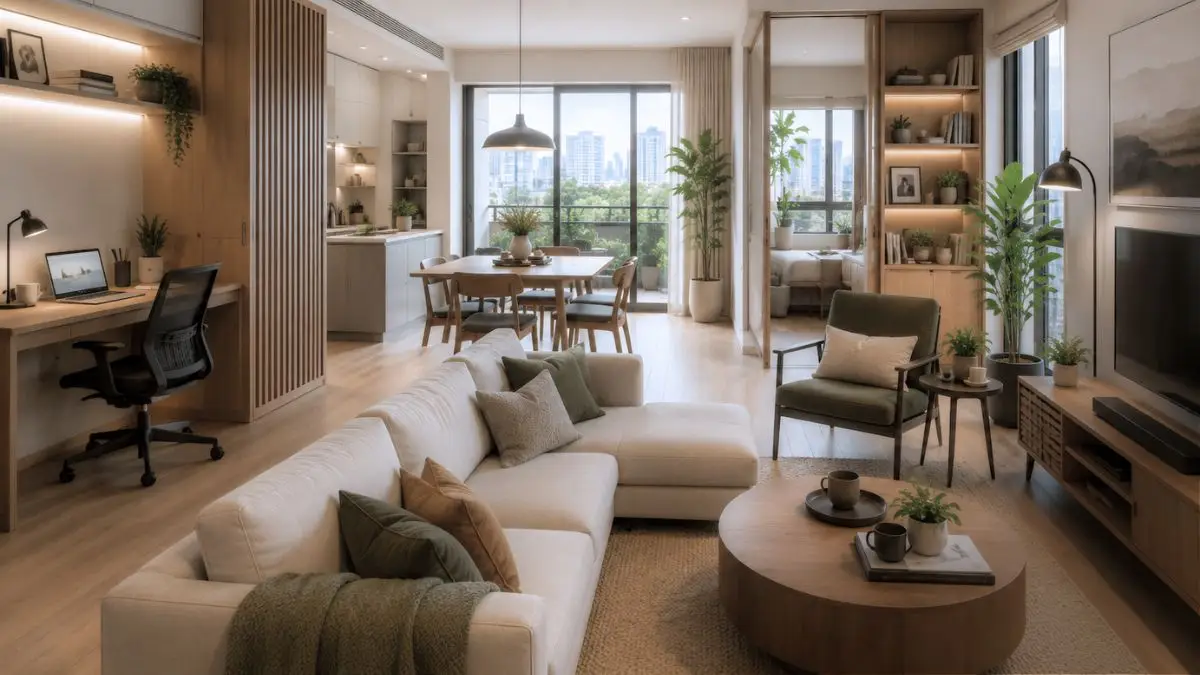
This has major implications for residential planning. Instead of creating highly compartmentalized layouts, architects are exploring spatial systems that allow rooms to evolve over time. Flexible partitions, layered circulation, movable furniture systems, convertible work areas, and multi-use social spaces are becoming more common across residential typologies.
Importantly, this movement is not limited to luxury housing. Adaptive planning strategies are becoming increasingly relevant across urban condominiums, compact residences, suburban homes, and mixed-use developments where space efficiency and long-term usability are critical.
The home is no longer viewed as a static object. It is increasingly treated as an evolving environment capable of responding to changing patterns of life.
The Pandemic Accelerated Long-Term Residential Shifts
Many of the ideas associated with adaptive residential spaces existed long before recent global disruptions. However, extended periods of remote work and prolonged indoor living dramatically intensified public awareness of how residential environments affect productivity, wellbeing, and emotional resilience.
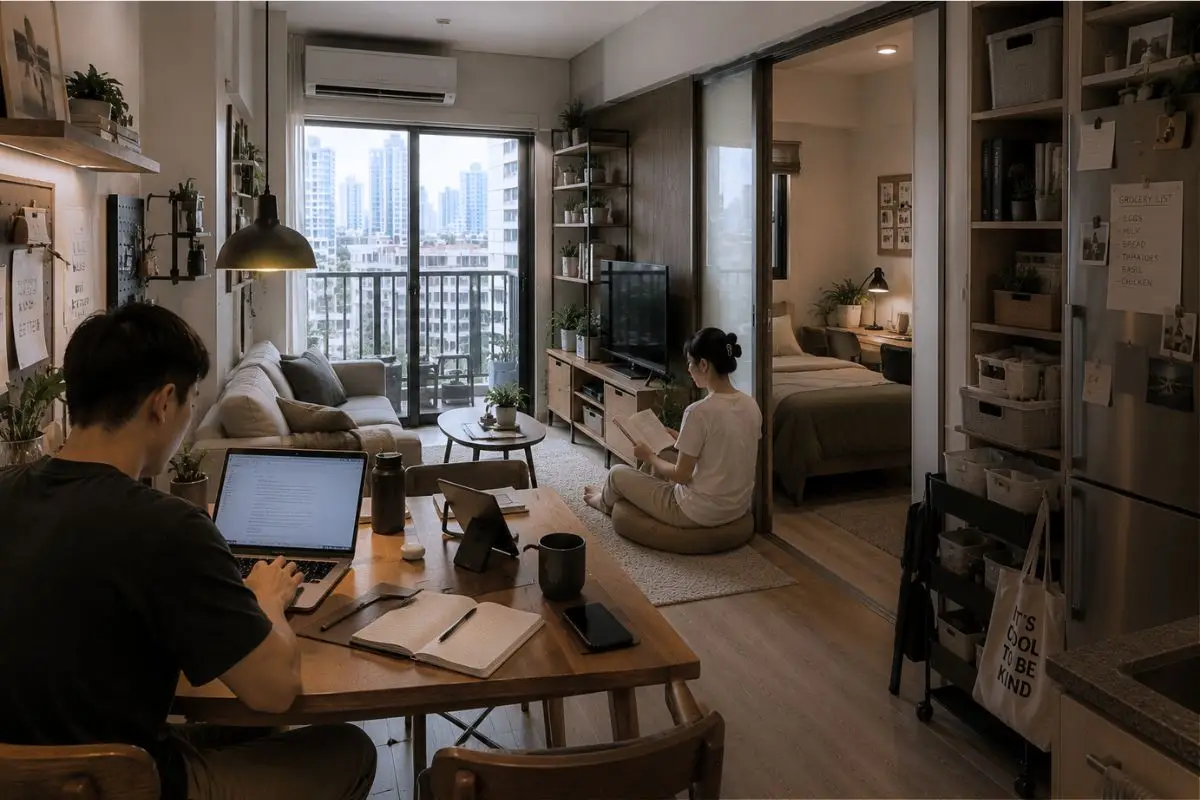
Homes originally designed around short periods of occupancy suddenly needed to support full-day activity. Dining areas became workstations. Bedrooms doubled as private offices. Living rooms transformed into learning environments, exercise areas, and digital communication hubs.
This period exposed the limitations of highly rigid residential layouts. Many households realized that homes optimized purely for visual efficiency often struggled under more complex patterns of use.
As a result, flexibility has become a central architectural concern rather than a secondary feature.
Developers and architects are now paying closer attention to how residential environments support long-term adaptability. Open planning strategies are being refined to improve usability without sacrificing privacy. Transitional spaces are becoming more important. Natural lighting, acoustic management, ventilation, and spatial layering are receiving greater design attention.
The growing demand for adaptive residential spaces also reflects changing attitudes toward permanence and uncertainty. Residents increasingly recognize that careers, technologies, family structures, and daily routines can evolve rapidly over time. Homes capable of accommodating these shifts provide stronger long-term value.
This is particularly relevant in dense urban environments where square footage remains limited and residential efficiency carries substantial economic importance.
Architecture is therefore moving away from the idea that residential planning should anticipate only one idealized lifestyle. Contemporary homes increasingly support multiple forms of occupation simultaneously.
Meta-Modern Living Balances Technology and Emotional Comfort
The concept of meta-modern living reflects a growing desire to move beyond purely minimalist or hyper-digital residential environments. Earlier waves of contemporary architecture often emphasized visual reduction and technological sophistication as primary markers of modernity.
While these approaches introduced important innovations, many residential environments gradually became emotionally detached or excessively optimized around appearance.
Contemporary residents increasingly want homes that feel technologically capable while still remaining warm, human-scaled, and psychologically restorative.
This balance is central to the rise of adaptive residential spaces. Flexibility alone is not enough if residential environments feel stressful or impersonal. Architecture must support emotional comfort alongside functional efficiency.
As a result, contemporary homes are integrating softer spatial transitions, textured materials, layered lighting, and stronger indoor-outdoor relationships alongside digital infrastructure and smart systems.
The most successful adaptive homes avoid treating technology as spectacle. Instead, technological integration becomes embedded quietly within everyday residential experience.
This approach aligns naturally with broader architectural shifts toward wellness-oriented planning and environmental responsiveness. Residents increasingly value homes that improve concentration, reduce fatigue, support recovery, and adapt gracefully to changing conditions.
Architecturally, this requires greater attention to atmosphere rather than simply visual composition.Flexible environments still need clarity and organization. Rooms should remain calm and understandable even when their functions evolve throughout the day.
This is one reason why contemporary adaptive homes often rely on restrained palettes, integrated storage systems, natural ventilation, and carefully managed daylight conditions. These elements help spaces remain usable across varying modes of occupation.
Meta-modern living ultimately reflects a search for balance within increasingly complex urban lifestyles.
Adaptive Residential Spaces Are Influencing Vertical Living
Urban density continues increasing across major cities, particularly within rapidly developing residential districts. As condominiums and mixed-use developments become more compact, the ability to maximize functionality within limited footprints becomes increasingly valuable.
This is where adaptive residential spaces are having significant influence on vertical living.
Developers are beginning to recognize that residents no longer evaluate units purely through floor area measurements alone. Buyers are paying closer attention to flexibility, storage integration, work-from-home functionality, and the overall usability of small spaces.
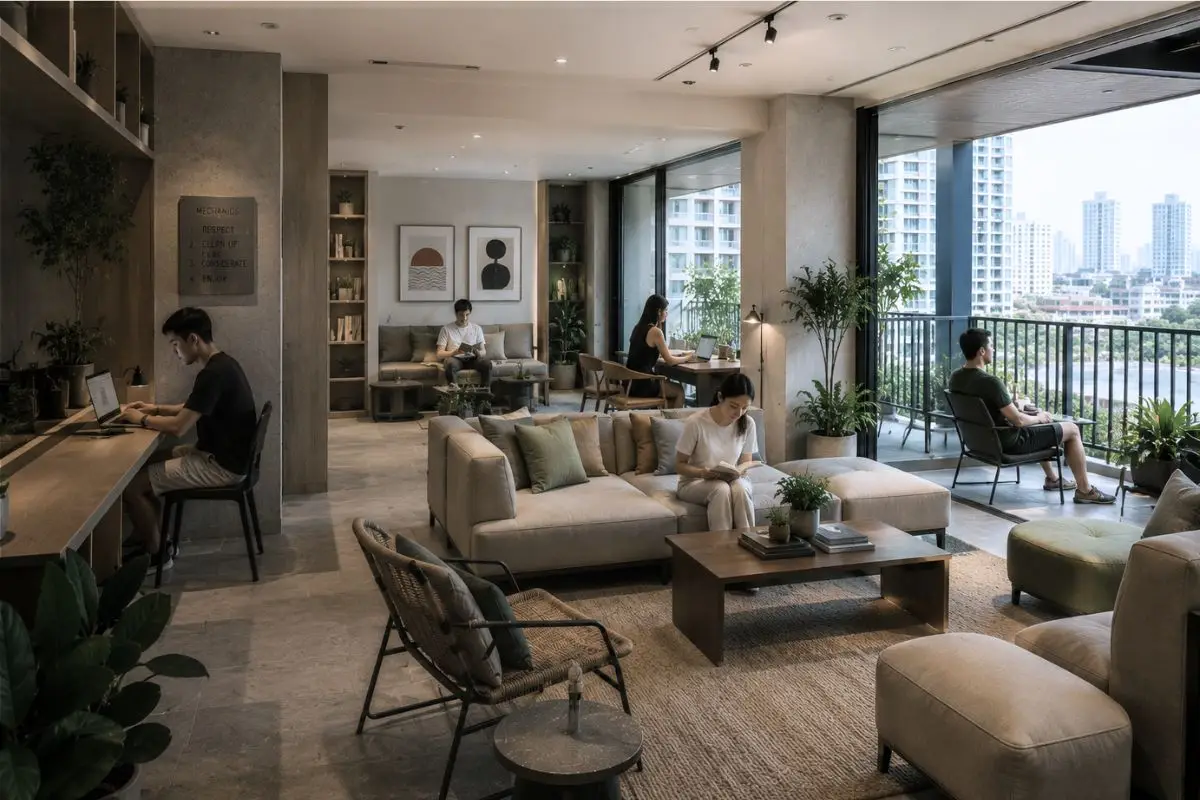
Architects are responding through more intelligent planning strategies. Sliding partitions, integrated millwork, convertible furniture systems, and multifunctional amenity spaces are helping smaller residential units support broader patterns of use.
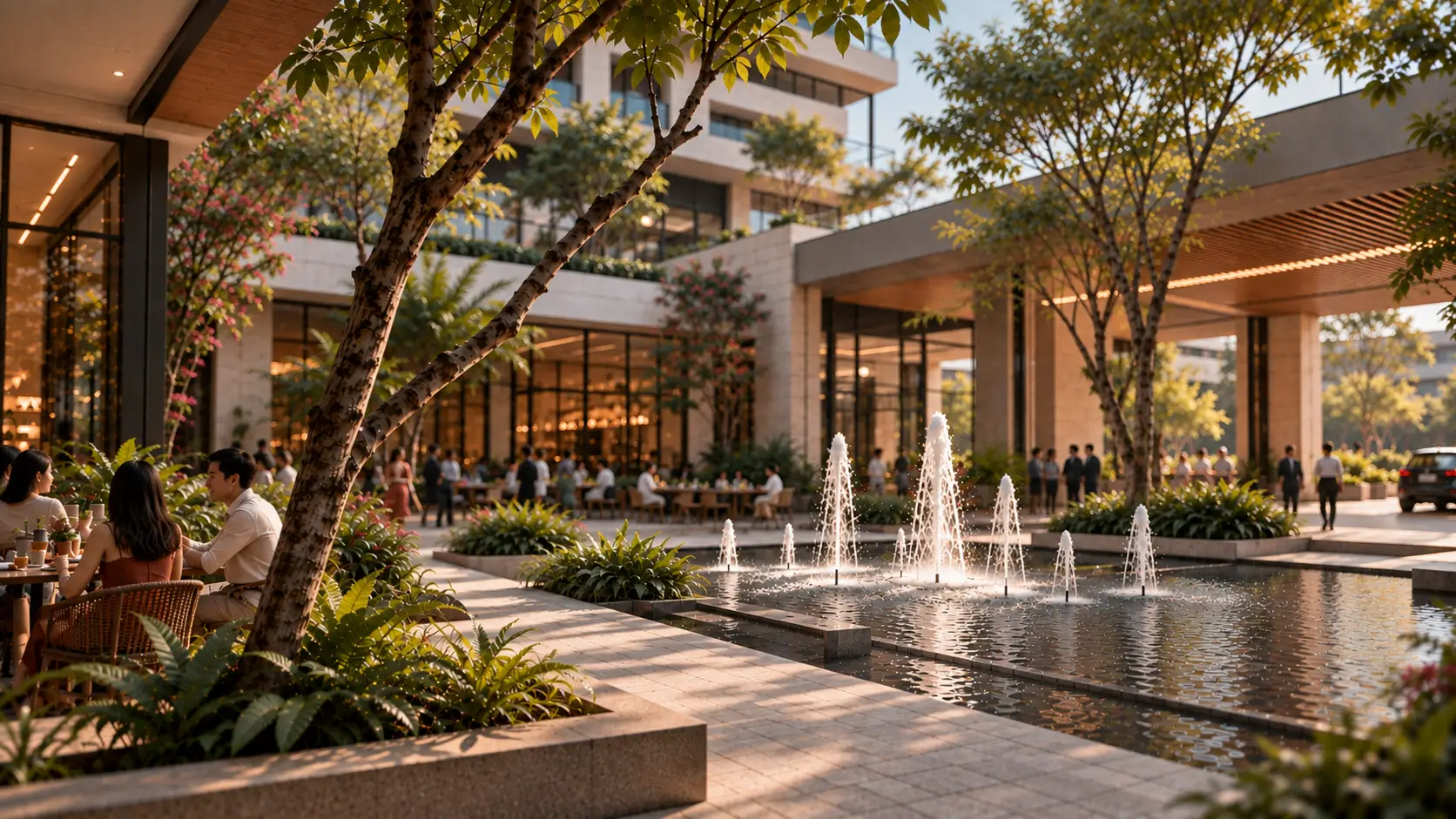
Communal areas are evolving as well. Co-working lounges, adaptable social spaces, wellness-oriented amenities, and semi-open outdoor environments are increasingly integrated into residential developments.
This reflects a larger shift in how residential value is understood. Spatial intelligence now matters as much as raw size.
In cities where land costs continue rising, adaptive planning offers a practical path toward improving residential quality without relying entirely on larger unit footprints. Homes can feel more generous when circulation is efficient, storage is integrated thoughtfully, and spaces support different ways of living and working.
The influence of adaptive residential spaces is especially visible among younger urban residents who prioritize flexibility, mobility, and lifestyle integration over highly formal domestic arrangements.
However, the broader appeal extends beyond younger demographics. Multi-generational households, aging residents, and long-term homeowners all benefit from environments capable of evolving over time.
Adaptability therefore becomes both an architectural and economic strategy.
The Future Home Will Prioritize Evolution Rather Than Fixed Identity
Many residential layouts historically depended on stable assumptions about family structure, work patterns, and social behavior. Contemporary life is becoming less predictable.
As technology, mobility, climate pressures, and demographic changes continue reshaping urban life, homes will increasingly need to support evolving patterns of occupation.
Adaptive residential spaces represent one of the clearest architectural responses to this reality.
Future homes will likely prioritize flexibility without sacrificing emotional comfort or architectural clarity. Residential environments will need to support hybrid work, changing family dynamics, digital integration, and greater sensitivity toward wellness and environmental performance.
Importantly, adaptability does not mean creating generic or characterless environments. The strongest residential architecture will still require clear spatial identity and thoughtful material expression.
The challenge for architects lies in designing homes that remain coherent while allowing transformation over time.
This may involve modular planning systems, movable architectural elements, adaptable infrastructure, climate-responsive spatial strategies, and greater emphasis on long-term usability rather than short-term visual trends.
Adaptive residential spaces reflect changing expectations around how homes should function over time.Buildings are increasingly understood as living systems shaped by human behavior, environmental conditions, and changing cultural expectations.
Residential architecture is no longer defined purely by permanence. It is increasingly defined by resilience, responsiveness, and the ability to support multiple forms of life across time.
They are homes or residential environments designed to support changing lifestyles, flexible use patterns, and evolving household needs.
Remote work, urban density, shifting family structures, and changing daily routines require homes to function more flexibly than before.
No. Adaptive planning is often most valuable in compact urban residences where spatial efficiency and multifunctionality are critical.
Flexible homes remain usable across different life stages and changing conditions, reducing the need for major future modifications.
If you need residential architecture that balances adaptability, long-term livability, and contemporary spatial clarity, Fulgar Architects develops environments designed to evolve alongside changing patterns of life and urban living.