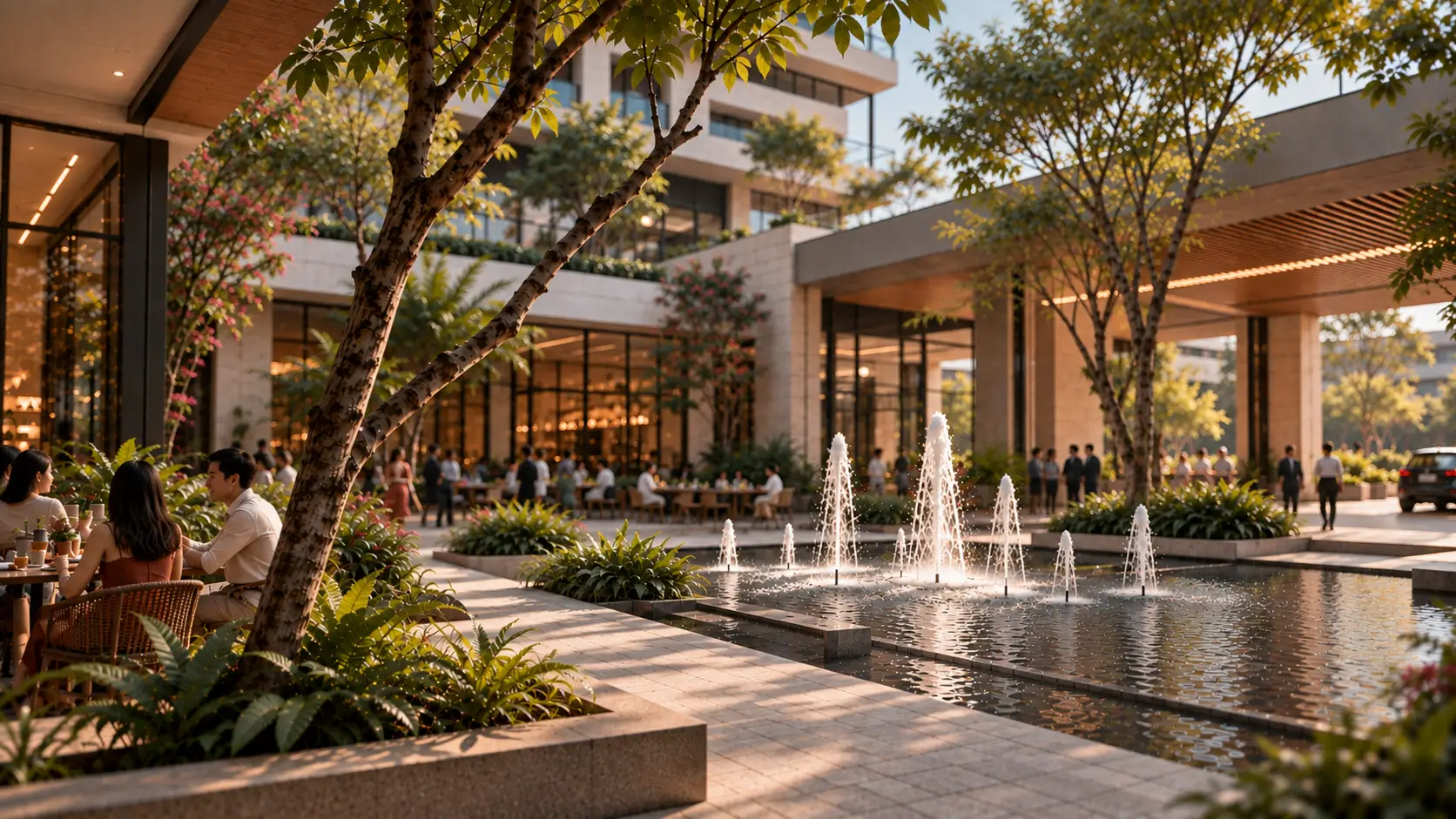













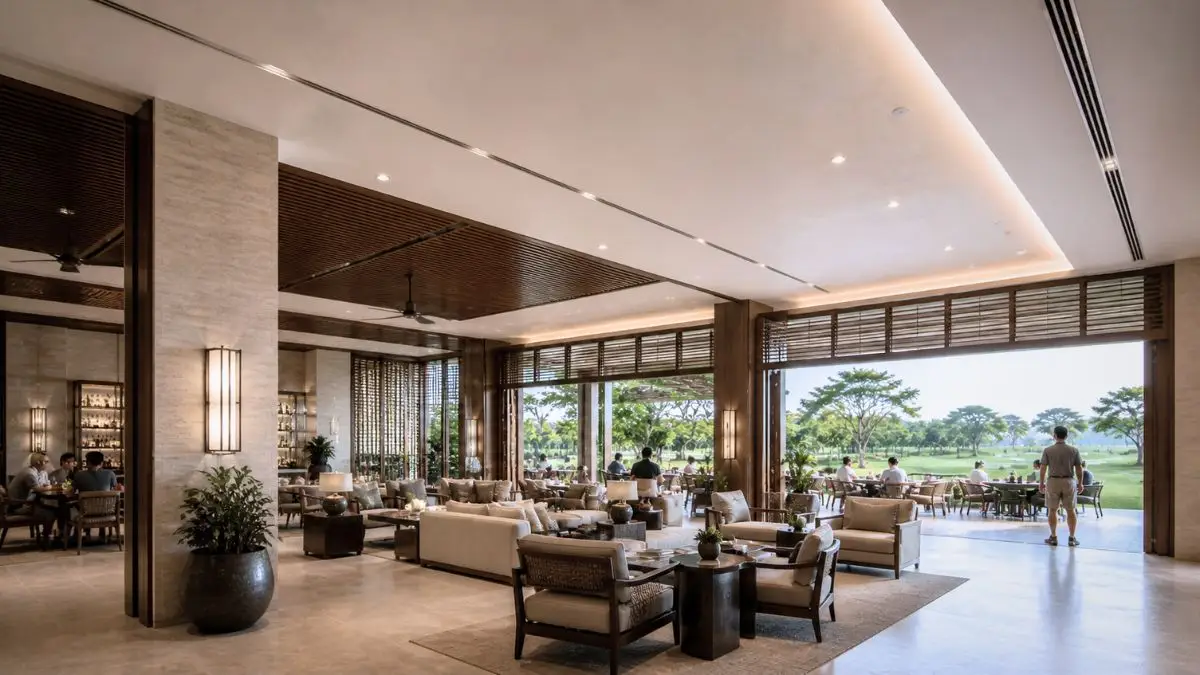
- Philippine Smart Clubhouse Design focuses on integrating technology without disrupting spatial quality
- Systems are most effective when treated as background infrastructure rather than visible features
- Automation improves operations while maintaining visual clarity and calm environments
- Comfort is enhanced through controlled lighting, temperature, and acoustics
- Long-term value depends on balancing innovation with durability and usability
Technology Within an Evolving Clubhouse Environment
Golf clubhouses are gradually incorporating smart systems as part of a broader shift toward more responsive and efficient environments. This transition, however, is not defined by the visibility of technology, but by how well it supports comfort, atmosphere, and daily use.
In Philippine smart clubhouse design, the challenge is not simply to introduce new systems, but to do so without disrupting the spatial experience that defines these environments. Clubhouses are still expected to feel calm, open, and socially oriented. Technology must therefore operate in a way that enhances these qualities rather than competing with them.
As expectations evolve, technology-integrated clubhouses in the Philippines are increasingly designed to prioritize subtlety, allowing systems to support the environment without becoming the focus of attention.
Technology as Invisible Infrastructure
Smart systems are most effective when they are not immediately noticeable. Instead of being expressed as visible features, they are embedded within the structure of the building, functioning as part of its underlying infrastructure.
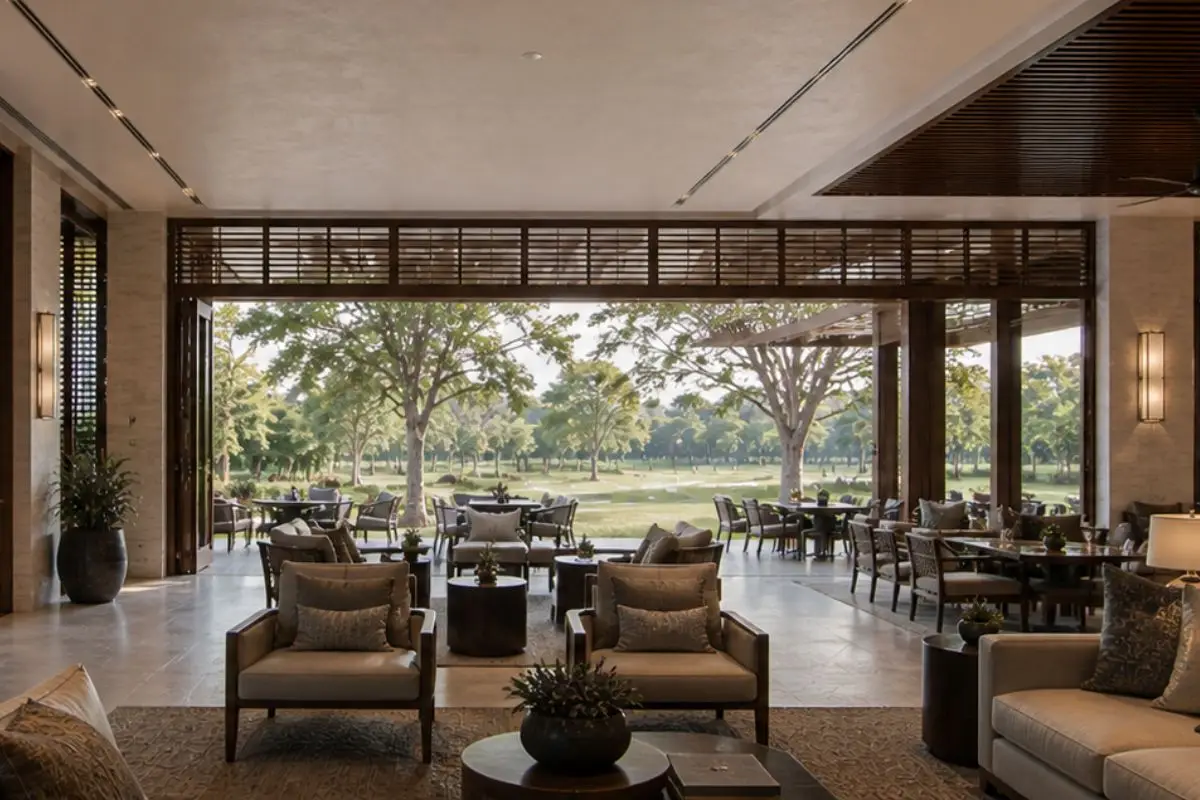
This includes integrated wiring, concealed sensors, and centralized control systems that operate without requiring user awareness. Lighting controls, climate systems, and access technologies are coordinated so that they respond automatically to changing conditions.
In Philippine smart clubhouse design, this approach ensures that the presence of technology does not disrupt the visual or spatial clarity of the clubhouse. The building continues to read as a cohesive environment rather than a collection of isolated technical elements.
Enhancing Operations Without Visual Clutter
One of the primary benefits of smart systems lies in their ability to improve operational efficiency. However, this must be achieved without introducing visual complexity or unnecessary elements within the space.
Lighting systems can adjust based on time of day, occupancy, and activity levels. Access systems can streamline movement through different zones without requiring visible checkpoints or intrusive barriers. Maintenance systems can monitor usage and performance without interrupting daily operations.
The key is to maintain simplicity from the user’s perspective. In technology-integrated golf clubhouses in the Philippines, systems are designed to reduce friction rather than add layers of interaction. This allows staff to operate more efficiently while preserving the calm and order of the environment.
User Experience and Environmental Comfort
Smart systems contribute to user comfort when they are carefully calibrated to the needs of the space. Temperature control, air movement, acoustics, and lighting all play a role in shaping how a clubhouse is experienced.
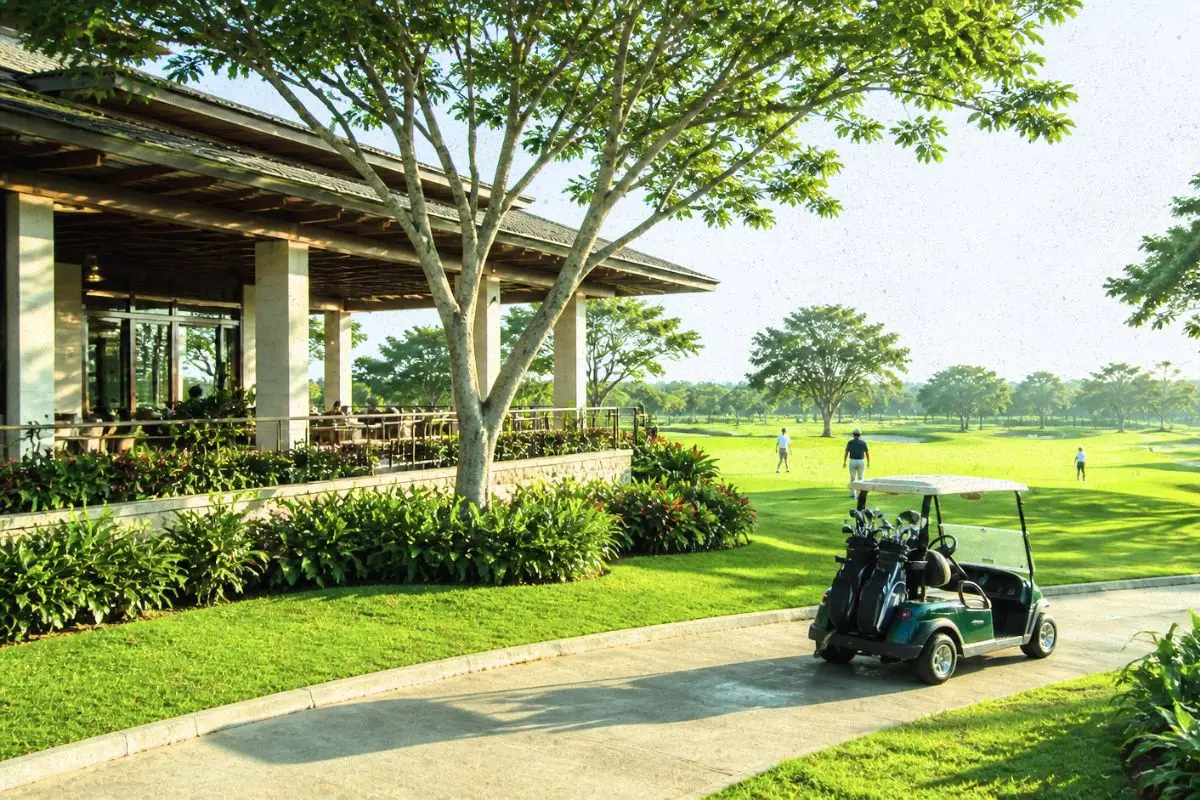
Instead of relying on manual adjustments, these systems respond to real-time conditions. Interior spaces remain comfortable throughout the day, even as occupancy and weather conditions change. Lighting can shift gradually to support different activities, from dining to informal gatherings.
In Philippine smart clubhouse design, these adjustments are designed to feel natural rather than mechanical. Users may not be aware of the systems themselves, but they experience the results through consistent comfort and ease of use.
Integration with Architectural Design
Smart systems are most effective when they are planned alongside the architecture from the beginning. When introduced late in the process, they often result in visible add-ons or compromises in spatial clarity.
Early coordination allows systems to be embedded within structural elements, ceilings, and service zones. This reduces the need for exposed equipment and preserves the intended proportions and material expression of the building.
For architects and developers, this integration is not just a technical decision, but a spatial consideration. In Philippine smart clubhouse design, the goal is to ensure that technology supports the architecture without altering its character.
Balancing Innovation and Long-Term Use
While smart systems offer clear advantages, there is a risk of over-reliance on rapidly changing technologies. Systems that are too specialized or trend-driven may become outdated within a short period.
A more sustainable approach focuses on flexibility and adaptability. Systems should be easy to maintain, upgrade, or replace without requiring major changes to the building. This ensures that the golf clubhouse remains functional over time without being tied to a specific generation of technology.
In technology-integrated clubhouses in the Philippines, this balance between innovation and longevity is essential. The objective is not to showcase technology, but to ensure that it continues to support the space as needs change over time.
A Subtle Role for Technology in Clubhouse Design
The success of philippine smart clubhouse design ultimately depends on restraint and clarity. Technology must remain in the background, supporting the environment without defining it.
When systems are integrated thoughtfully, they enhance comfort, improve operations, and contribute to a more refined experience. When they become too visible or overly complex, they can disrupt the spatial clarity that makes these environments effective.
In this sense, the role of technology is not to transform the golf clubhouse into a technical space, but to reinforce the qualities that already define it.
Systems should operate in the background, supporting comfort and efficiency without becoming visually dominant.
They automate lighting, access, and maintenance processes, reducing manual intervention while maintaining smooth operations.
Planning systems alongside architecture prevents visual clutter and avoids compromises in spatial design.
By focusing on adaptable systems that can be maintained or upgraded over time without affecting the overall structure.
If you are planning a clubhouse or exploring philippine smart clubhouse design, Fulgar Architects can help you integrate technology in a way that supports spatial quality, user experience, and long-term value from the earliest stages of the project.