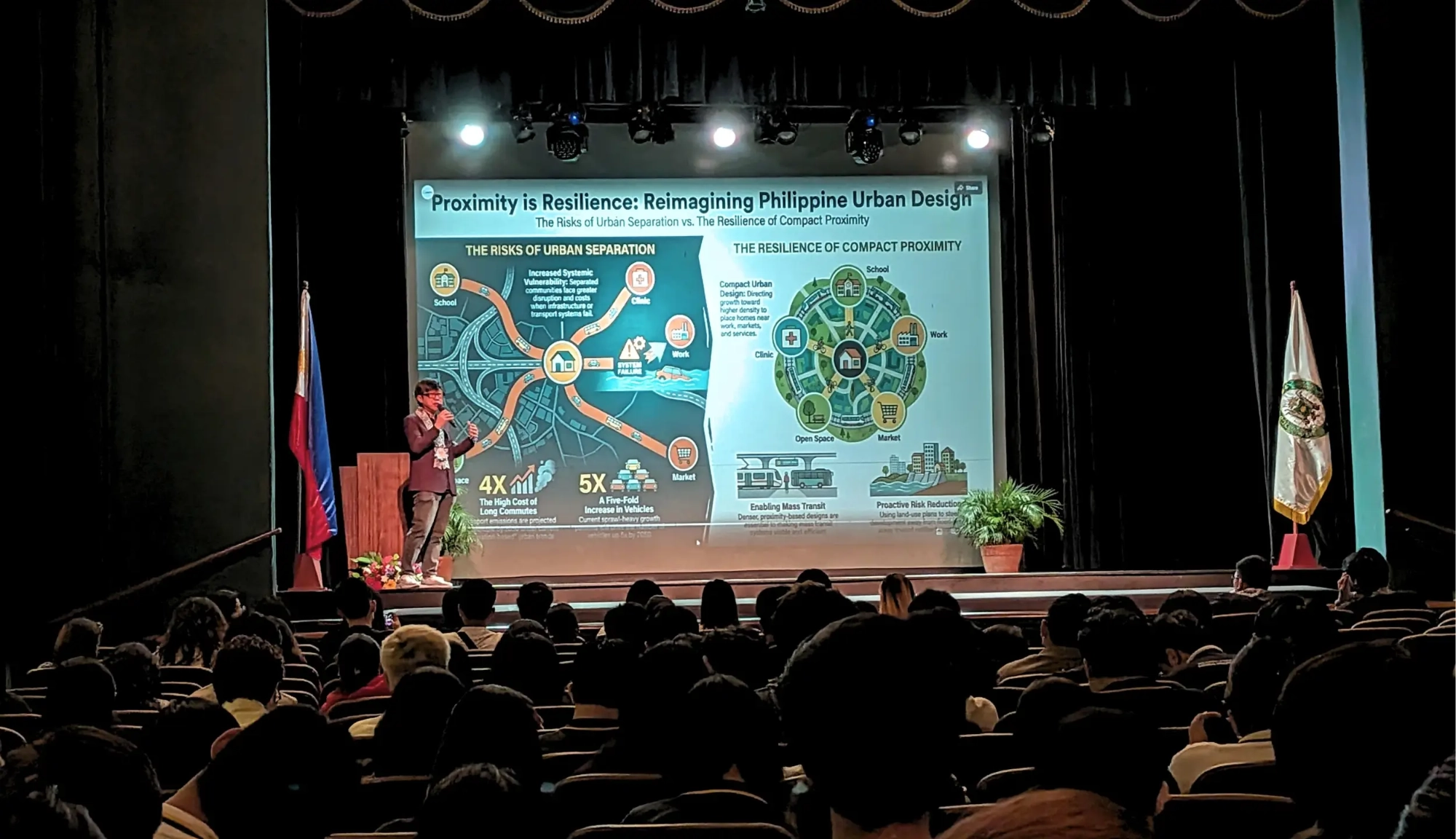













What design considerations go Into future buildings? The world of architecture in the future looks very different from what we see today. With new technology and changes in transportation, artificial intelligence, and healthcare, architecture is no longer a one-way process. Architects are required to think of new ways to make their buildings anticipate for an imagined tomorrow with today’s hard facts. It is not only an artistic challenge but it also presents some difficult questions for architects and property developers as well.
Instantaneous Construction
Many people envision that future architects will be able to design buildings that can be built in a matter of days. They would be able to create these buildings in different shapes and designs in just a matter of days. Most people believe that this is possible due to 3D printing and robotics but it still takes a lot of work for architects to get the programming right.
Metamodern architecture is very different from what architects have created in the past. The movement refers to new design doctrines to replace the outdated post-modern ideals. The changes taking place in the design of the building today are relying on big data management, simulations, sensors, controls, monitoring and evaluation.
Synthetic Building Materials and Use of Light
The most obvious influences in modern architecture are the explorations of new materials and their qualities in the use of light. Modern architects use windows, glass, and other light penetrating materials that allow sunlight to enter the interior of the living spaces. Not only does this helps to bring a sense of natural lighting to space, but the element of light is a promise for life. The very role of natural and artificial light is now being reframed for promoting plant growth, human wellness, as well as a renewable energy resource.
The integration of modern technology into our daily lives also comes into play. As habitable units become smaller and more streamlined, building utilities need to have systems that are more energy-efficient. In order to keep up with the need for energy efficiency, architects need to design structures that are more tactical in nature as well as sensitive to our affinity to software technology use. As an effect, a number of new techniques in architecture to address evolving social cultures are also being formed by the advances in technology.
Role of Digital Modeling Tools
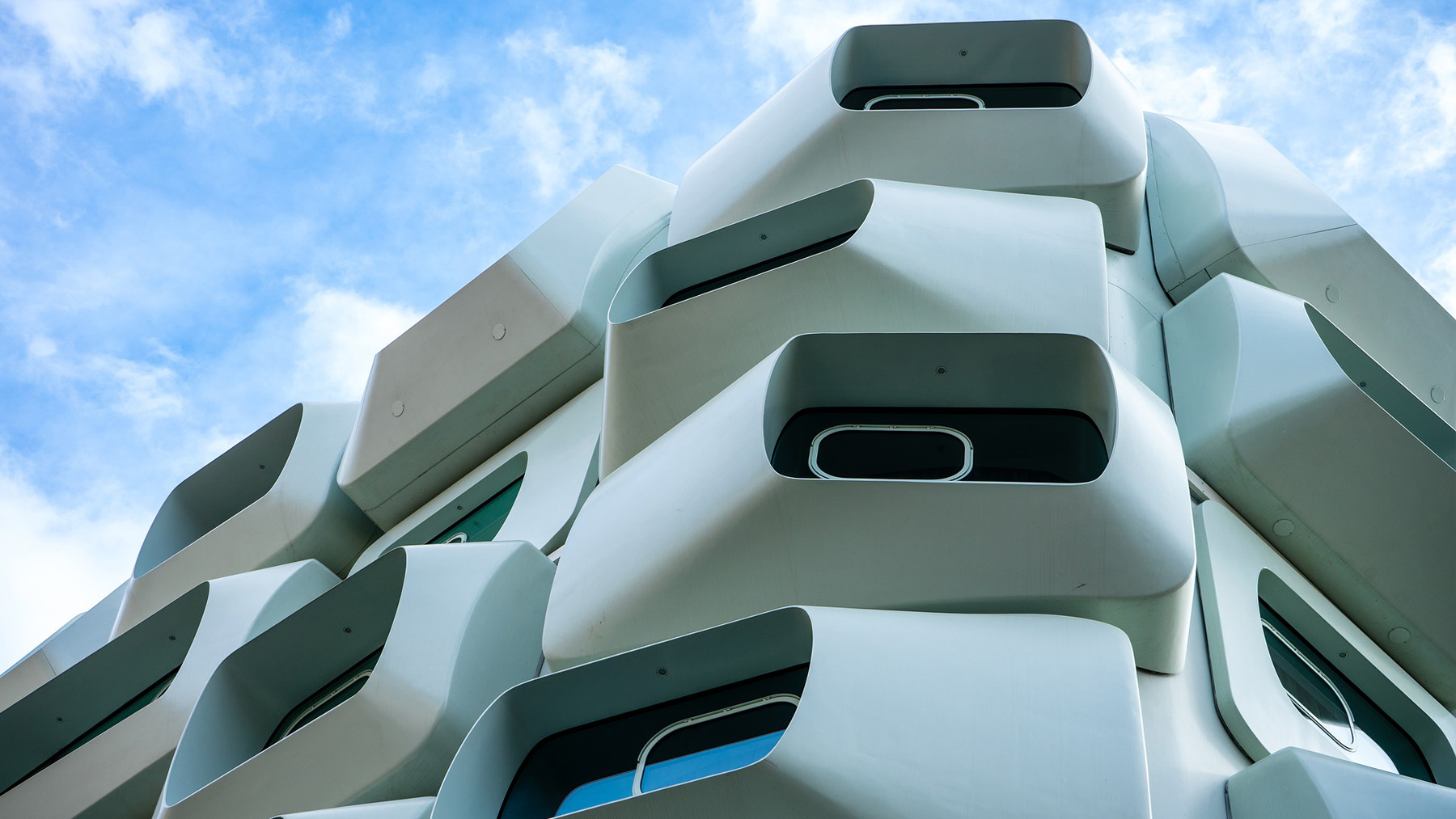
The use of technology in architecture is also changing the way future buildings will be built. Architectural experts are using computerized designs to help them create their ideas into real-life structures. Some designs incorporate parametric forms that also features rainwater harvesting, solar panels, and wind turbines. These are just a few changes that are taking place with future buildings. These software tools and techniques include probing into building performances like advanced lighting and cooling systems. The new 3D modeling tools are also being used to investigate fresh ideas and renewed tastes for architectural design by playing with form permutations, tessellations, organic shapes, or repeating modular patterns.
Many architects have started to use computer programs to help them create never-before-seen buildings. Many of the buildings are being built virtually with computers as a way to understand the clashes and phases with the actual construction. These futuristic buildings which were impossible to be built before can now be constructed with the exact look that has been desired for years by the architect.
The use of digital modeling in architecture has improved the way future buildings look in a lot of ways. The buildings that are being built now are more daring in structural composition but at the same time energy-efficient than they were before.
Future Buildings and Future Living
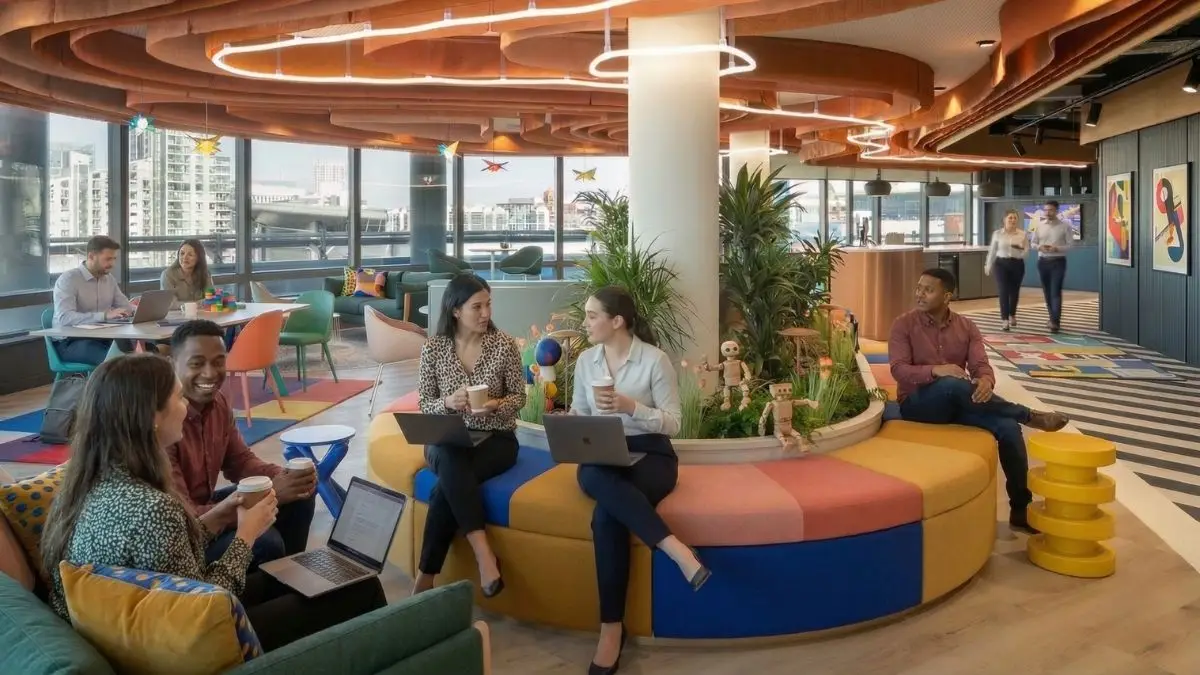
When we design and build future buildings, you will be able to get to see how much comfort can be offered to the residents. Future living would integrate responsive features from assisted circulations, air-conditioning systems, intelligent ambiance, to digital lifestyles. Prophylactic interventions would be great future design considerations to help anticipate pandemic outbreaks or to better manage general wellness and health care. Some of these developments being resolved into residential spaces are also being adopted in the office buildings as well. Future office and commercial buildings can also provide a more comfortable environment for employees and guests. Office and commercial users are provided with better working conditions from ergonomic interiors to hygiene and sanitation to wireless internet connectivity as a result of shifting demands in business operations.
Future Buildings Are On The Rise
Architecture in the future looks very different from the way we see it today. If you want to find out more about the future buildings being developed in the next few years, there are a number of different examples we can search online. It is very exciting to think about the possibilities that can be found when you look at the designs. But of course, these online references can never substitute the degree of satisfaction brought about by an actual experience of a place. Hopefully, you will be able to see and tour some of these future innovations and improvements.
It is important to monitor the changes that will take place in the world of design particularly from the perspectives of innovative disruptions if you are interested in creating the future buildings of tomorrow. The defining traits of disruptive innovations often look into addressing pain points of the market at the same time, offering lesser costs. This in turn introduces new methodologies or processes that eventually cascade to influencing how we interact with space and to each other as a society of consumers.
Designers use computers and software tools to virtually plan and design the buildings. They can actually test new building components and simulate how much energy-efficient they are, how much material will be consumed, how users will interact with certain design allocation, and how much money can be saved as opposed to traditional construction. Modeling a building for design evaluation prior to actual implementation can help stakeholders make the choices needed in order to create future buildings that are expected to perform better that should outlast their life cycle.
Have you seen any futuristic buildings that you liked? Or know any promising building technologies we need to watch out for? What type of gadgets will influence how we will live in the future? We look forward to hearing from you! Please feel free to drop in your comments below.