












Architects in the Philippines and around the world are all scrambling to develop innovative new approaches to everyday spaces that should encourage the practice of social distancing in architecture. But how do we even revamp centuries of architecture designed specifically for social interaction?
Throughout history, the vital role of architecture in the development of human settlements has always been eminent. Apart from serving as a physical manifestation of social life, values, and aspirations, architectural creations are likewise influenced by evolving manifestations of social thoughts and experiences.
Architecture is a Form of Social Art
Certain social characters are naturally evident in all art forms. However, architecture enjoys a specific social nature, more so, an intrinsic form of such. Stanford Encyclopedia of Philosophy cites two reasons behind this statement, which are the following:
1. Architecture addresses a variety of social objectives through the design of dwellings
For an art form to meet a socially intrinsic criterion, a critical approach must be favored over both discretion and extravagance. For instance, while addressing a locality’s overall housing demands meets this criticality test, addressing the design demands of a third home does not.
Equipped with socially-minded goals, what makes architects an essential catalyst of social movement is their ability to translate social needs into design thinking. As a result, goals are transformed into an existing, physical space. Subsequently, such efforts allow them to build structures that can serve many social ends. Even if one of those social ends is to isolate people from each other.
2. Architecture promotes social activity by engaging people in interpersonal relations
In this view, a mutual relationship between architecture and social convention ultimately defines the social nature of architecture.
Frequently occurring as a result of meetings, contracts, firms, critics, competitions, projects, partnerships, exhibitions, division of labor, and other agreements formed amongst architects and other allied professions. Therefore, the architectural process is a social phenomenon by itself.
Identifying the Societal Function of Architecture
As explained in Simon Unwin’s book “Analyzing Architecture”, people tend to make places, where activities to do in their lives can be executed conveniently. That is to say, from places to shop, eat, worship, learn, sleep, store, and the likes. The organization of these spaces is then paralleled into their beliefs and aspirations. These soon become a reflection of their world views. Hence, as world views differ, so does architecture. They differ greatly on levels involving one’s personal life, a civilization’s culture, the society, and between various subcultures throughout history.
The influence of architecture in shaping communities is not as comprehensive and direct as once thought. Most now as it evolves further to the new requirements of social distancing in architecture. It is no doubt that prominent social impacts drive on its own. In its own unique ways.
The Evolution of Society-Driven Design Codes
Over the years, relationships between a building’s elements and spaces were hugely dependent on humanity’s evolution of social norms, roles, and values that are integrated throughout the design. Such relationships then create articulation of cultural systems, either in contrast or harmony to other predominant cultural systems. Articulations resulting from these built cultural identifiers will then be found through the use of codes in design. These codes can range from establishing the relationship between a building’s plan, elevation, section, and volume; the use of icons and colors to respond to cultural norms, and; subtle, non-specific codes meant to reinforce the influence of cultural integration to its design.
However, these codes and their relationships with each other can alter during periods of drastic societal change brought about by economics, functional changes, symbolic elements, and technological advancements. Or in this case, the advent of the pandemic and how it will alter society due to social distancing in architecture. Upon the manifestation of such changes, these will transform the original solution’s theoretical position into a new design solution never seen before.
How Architecture Influences Human Behavior
Ranging from journals such as Health Environments Research & Design (HERD), Environment Behavior, to World Health Design, inferences on how architecture affects human behavior has been well-documented. While the majority of these studies focus on medical institutions where spatial planning can truly make a life-changing difference, it is not uncommon to see the impact of building designs elsewhere.
The absence of visual variety and simulation confuses the human mind. They serve as constant reminders of the grueling distance between one’s current location and the natural habitat. Therefore, it is no surprise how plain buildings and large gray landscapes have been proven to cause higher levels of unconscious stress.
On the other hand, a psychiatric study in 2009 by Murray Krelstein, MD suggested that the intensity and prevalence of mood disorders can be reduced by promoting feelings of awe. In other words, beautiful and awe-inspiring architecture can help create a calmer and joyful ambiance. Perhaps bringing awe and wonderment into isolated spaces is a beneficial consideration.
Social Responsibility of Architects in Segregating People
As professionals capable of forming, developing, and defining social communities, architects abide by several social responsibilities. Consequently keeping them involved in shaping their communities’ ways of life. Some of which are even beyond the call of their professional practices.
According to NCA Architecture principal Helena Jubany, the social responsibility of architects is a three-fold process which starts by believing that architecture can create better spaces, that it can affect society, and eventually partake its role in creating livable communities.
Bridging Quintessential Human Needs through Architectural Advancement
From transportation commuters use, footpaths pedestrian walkthrough, to numerous buildings occupied by a variety of people, the presence of engineering and architecture in humanity’s day-to-day life is inevitable. Without a doubt, society abides by the footprints of their plans and ideas. It is therefore imperative for architects to continuously meet the dynamic types of high human needs. Incorporating ingenuity with critical and collaborative thinking, cutting-edge presentation software, and visual technologies to further emphasize their planning designs and concepts.
Designing the Future with Today’s Social Distancing in Architecture
As society’s constantly changing lifestyles create a shift in expectations and demands, the architectural industry is likewise digging deeper and deeper. With this in mind, it is no doubt that architecture has always been considered to be influenced by various disciplines like economics, politics, psychology, and sociology, among others. Hence, today’s architects are encouraged to practice and treasure the crucial power of spatial understanding that goes beyond planning and design.
However, designing against its own current of interactivity towards segregation thru social distancing in architecture would prove to be very challenging to implement for existing structures and circulations. Even with the best protective measures, it would seem unlikely architecture can completely eliminate the risk of contamination in any traditional space that was designed for community use. Dividing people has now become the new responsibility of architects.
As to how tuberculosis helped influence modern approaches in modern architecture, what we may yet to see is an evolution of architecture into completely new and unprecedented directions.
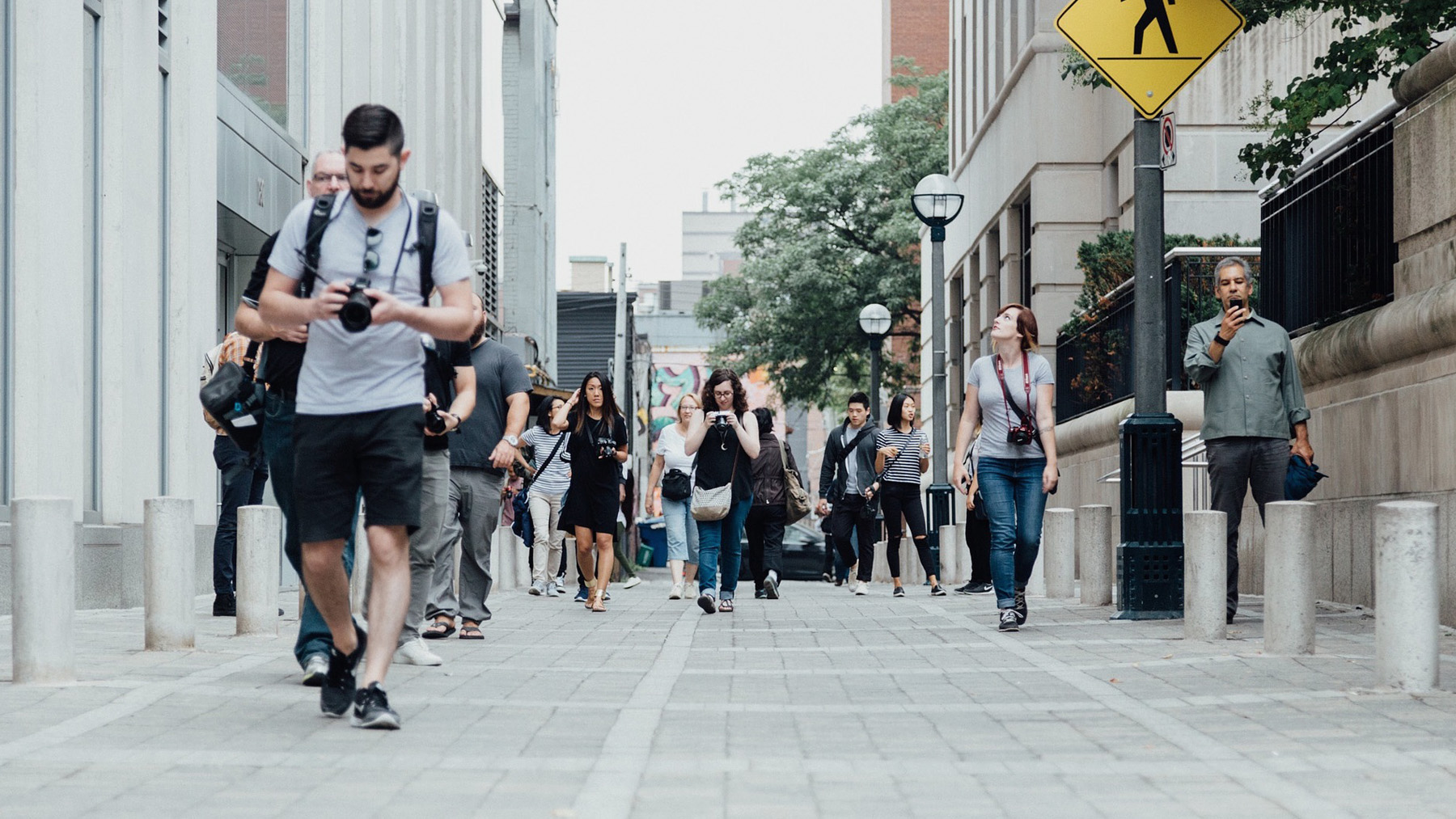
For instance, quarantine would force nonessential workers to become more acquainted with the confines of their domestic spaces. Secondly, working environments such as offices and other commercial service institutions would have to be designed and evaluated for prophylactic interventions. And most importantly, city and public spaces would look into planning approaches that need to disperse people into grids of isolations rather than promote congregations.
A Quest for Post-pandemic Architecture
Contrary to popular belief, architecture is not solely defined by its aesthetics, rather by the way it orders social relationships. However, it is important to note that neither good nor bad architecture can be held fully liable for today’s issues and demands on social relationships. Instead, its essence lies in the symbiotic relationship between the architectural and the social aspects of life. And just like the quest for vaccines, post-pandemic architecture is currently the holy grail for preventing or controlling the spread of viral pathways. A quest in which architects and the common public must work hand-in-hand to pursue the benefits of the next generations to come.
Would you have any ideas on how to help improve current architecture and city plans for controlling the future spread of viruses? Is it better to create more public parks or to introduce more operable partitions inside buildings? Maybe include better natural and artificial lighting designs in public buildings? We would surely like to hear from you. All ideas are welcome. Please feel free to comment below!