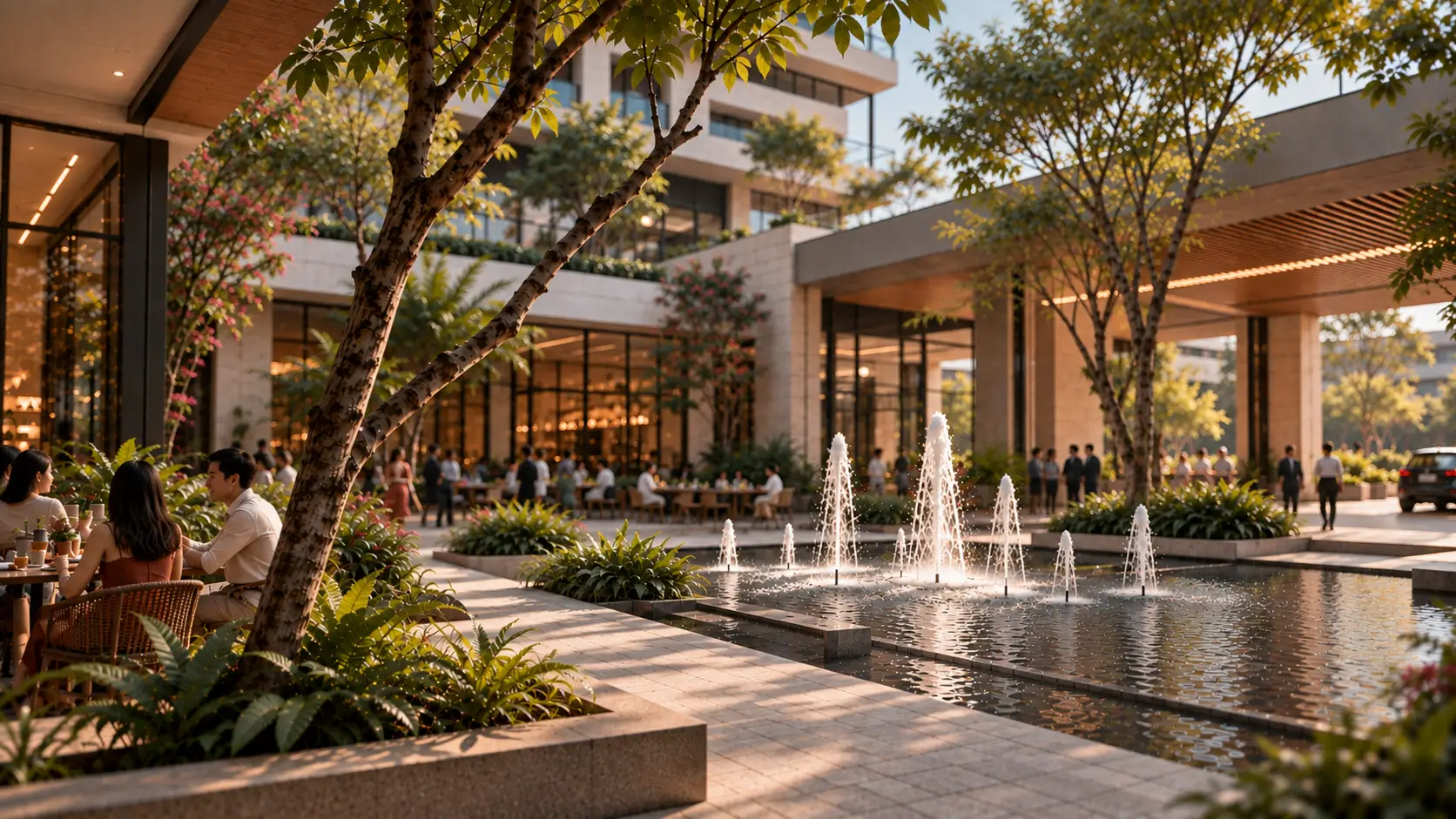













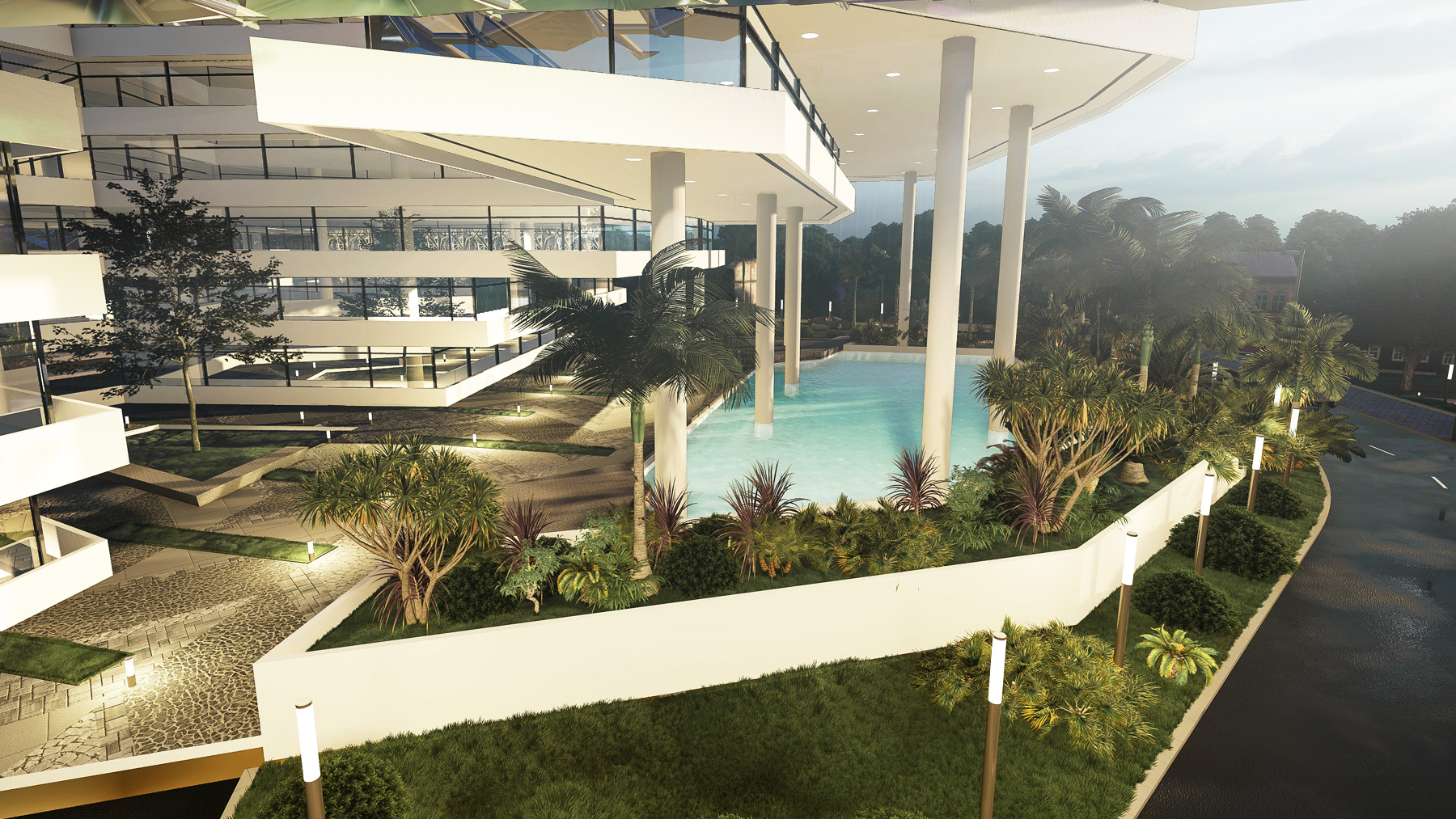
Biophilic design is a form of architecture that considers the needs and requirements of humans. It can, in turn, lead to a general increase in happiness and health.
Some people believe that society has an inherent affinity for nature, but this idea dates back to the 1980s. More designers are now designing spaces according to the principles of nature.
A significant change has occurred in the way individuals see and interact with their environment in the last few years. Designers are now focusing more on creating spaces that emulate the outdoors. These make us feel better when we’re in them. When our surroundings are aesthetically pleasing, it helps improve our quality of life.
How Biophilic Design Movement Started
Biophilic design is a notion that has been around since the early 1980s and proposes that individuals have an underlying biological attraction for the natural environment. Edward Wilson pioneered this movement. Using the notion of biophilic design, we may take this concept even further. Humans currently spend 90 percent of their time indoors, according to the 2001 National Human Activity Pattern Survey. Therefore, it is critical to bring the outside in and create interior spaces that reference nature in both visible and subtle ways to feel more connected to the natural world.
It simply implies that we must include more plants and many of them. This trend has contributed to a growing number of firms that cater exclusively to plant-obsessed millennials in urban settings. Due to the huge demand, several farmers are claiming that they cannot handle the volume. Biophilic design entails much more than just bringing plants into the home. An attitude that sees interior design as enhancing people’s mental health and physical well-being, rather than only as an aesthetic or practical discipline.
Researches On Biophilic Design
Many scientific studies have shown that living close to nature is beneficial to one’s health. In a groundbreaking study published in 2019, researchers discovered that children exposed to more greenery in Denmark had 55 percent fewer problems with their mental health later in life than children not accustomed to as much greenery. Science has found that most people perform better when seeing plants and natural light, which is a biophilic design. According to research, plants have also demonstrated relieving stress, promoting attention, and even boosting immunity.
Additionally, studies have demonstrated a relationship between productivity and flora. Researchers in Norway performed two investigations. They discovered that people who were required to read or concentrate on reading activities in the presence of greenery performed better over time than those who were not. Since we spend so much time working that our brains get fatigued, this behavior is called “attention recovery theory”. It is possible to divert your focus away from your computer for a few minutes and stare at desk plants. Doing this may help you regain your concentration and provide a respite from the grind. Google, Etsy, and other businesses have embraced biophilic design as a means of increasing employee satisfaction, creativity, and productivity. They’re so prevalent in the offices of IT companies that they’ve become a design cliché. Numerous furniture manufacturers provide workstations and tables with integrated plants.
The Benefits Of Vegetation In An Environment
Plant marketers claim the air-purifying properties of houseplants, but this is more marketing than fact. According to The Atlantic, they would require 1,000 houseplants to purify the air in a 10-foot-by-10-foot workspace. While plants might make you happy, there is not enough pollution in the world to justify spending more time in their presence. Due to a greenhouse created to purify the capital city’s interior air, one New Delhi office space has four times the number of plants as people. Additionally, the greenhouse is supposed to improve staff health.
The biophilic design proves to positively affect learning, performance, stress levels, well-being, creativity, motivation, employee engagement, and organizational culture.
How to Use Biophilic Design in Practice
As you would assume, coworking spaces and office designers are early adopters. Second Home Portugal, a coworking space in Portugal, is well-known for its over 2,000 plants. Their objective is to provide seclusion and receive the many advantages of being near plants. Nature and biophilia inspired the design and living conditions at the office area of Second Home.
Google is a pioneer in using skylights, incorporating more plants into its interiors, and altering the wallpaper and carpeting to more closely mimic natural patterns. According to the organization, this has enabled its staff to concentrate more effectively, be more creative, and generate more.
Not many firms can provide workers with work areas that promote connection to the outdoors. Other businesses are adopting green building workarounds. One business creates a false glass insert with video displays to provide a skylight appearance in gloomy office areas.
The Influence of Biophilic Design in Other Industries
The biophilic design approach significantly impacts residential and commercial interior design. It is particularly useful in the design of healthcare facilities. A pediatrics unit at a Washington hospital has a healing garden for kids and their families. The orientation of the Anaheim cancer facility has patients always having a glimpse of the outdoors. In Toronto, a hospital boasts views of a park. Other cancer centers resemble hospitals. Studies have shown that access to nature helps speed up the healing process.
Perhaps this concept has found a natural conclusion in a freshly designed cottage placed in the woodland next to Oslo University Hospital. Children and their families may reserve the cottage as a haven from their standard lodgings. The cabin’s interior is made of wood and has porthole-style windows, making it ideal for patients who are not healthy enough to be outside.
It is not necessary to live amid a forest to practice biophilic design. Parsley Health is a new firm that has launched its first headquarters in New York. It made extensive use of biophilic design in its architecture. The landscaping at the Manhattan clinic is incredibly lush. Natural light floods the area from floor to ceiling windows. In 2014, The Terrapin Bright Green, a business specializing in environmental planning and strategic consultancy, produced a handbook on biophilic design. These concepts include a variety of aspects that architecture designers often miss, such as broad vistas that provide visitors with a feeling of or perspective inside an interior space. Parsley achieved this effect by using the long corridor as a setting.
Being One With Nature
Biophilic design is all about creating spaces that are in harmony with nature. It’s about reconnecting with the natural world through design to improve well-being. It is about creating meaningful connections with nature to promote health and well-being.
The term “biophilic design” encompasses whole communities and even entire cities. Scientists think that plants may act as sensors, assisting in detecting volatile organic compounds (VOCs) in buildings. There are design institutions that advocate for vegetation to encapsulate all of the buildings. This intervention will aid in the removal of carbon dioxide, the filtering of air pollution, the reduction of noise, and the cooling of cities. The Biophilic Cities initiative attempts to demonstrate how many cities boost citizens’ access to green space, whether via parks or less typical techniques such as rooftop gardens.
Everyone benefits from having more nature in their life. The biophilic design acknowledges this reality and contributes to the greening of our homes, buildings, and cities.