












It is believed that humans spend 90% of their time indoors throughout their entire lives, which is why it is crucial to be particular about the elements we choose to integrate into our immediate surroundings. To determine what these are, the process of interior design relies heavily on human experience. As a designer, you actively build a successful space by taking the time to understand your client or key demographic; otherwise, you risk creating a sense of disconnect between the user and the space. Personal aesthetics, daily routines, common behaviors, and both psychological and physiological preferences are all taken into consideration when conceptualizing the styled environment of a built space. Additionally, existing architecture sets the boundaries and limitations of designing such.
In order to capture the true essence of your design, start by determining the intended overall mood and lifestyle it aims to evoke and support. Ask yourself, What emotions and sensations are meant to be felt once an individual steps into this space? Creating a visual narrative composed of images that portray these elements can be of great help in setting the very foundation from which to build further. Often, we become too preoccupied with design trends and aesthetics that we prioritize them over rationality and functionality. Going through this first step is essential in order to break down what is necessary. This sets the core concept and overall theme of the design.
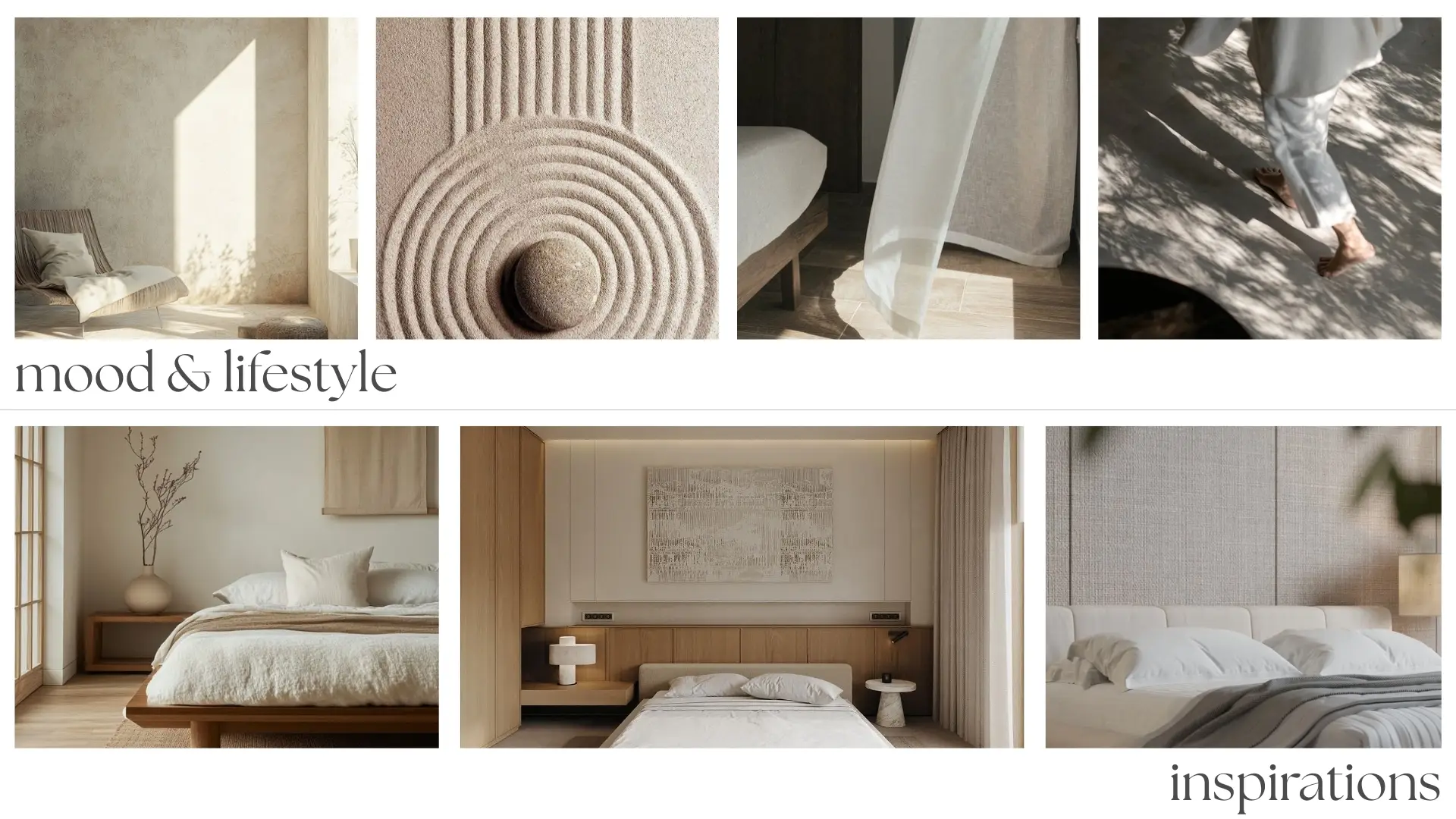
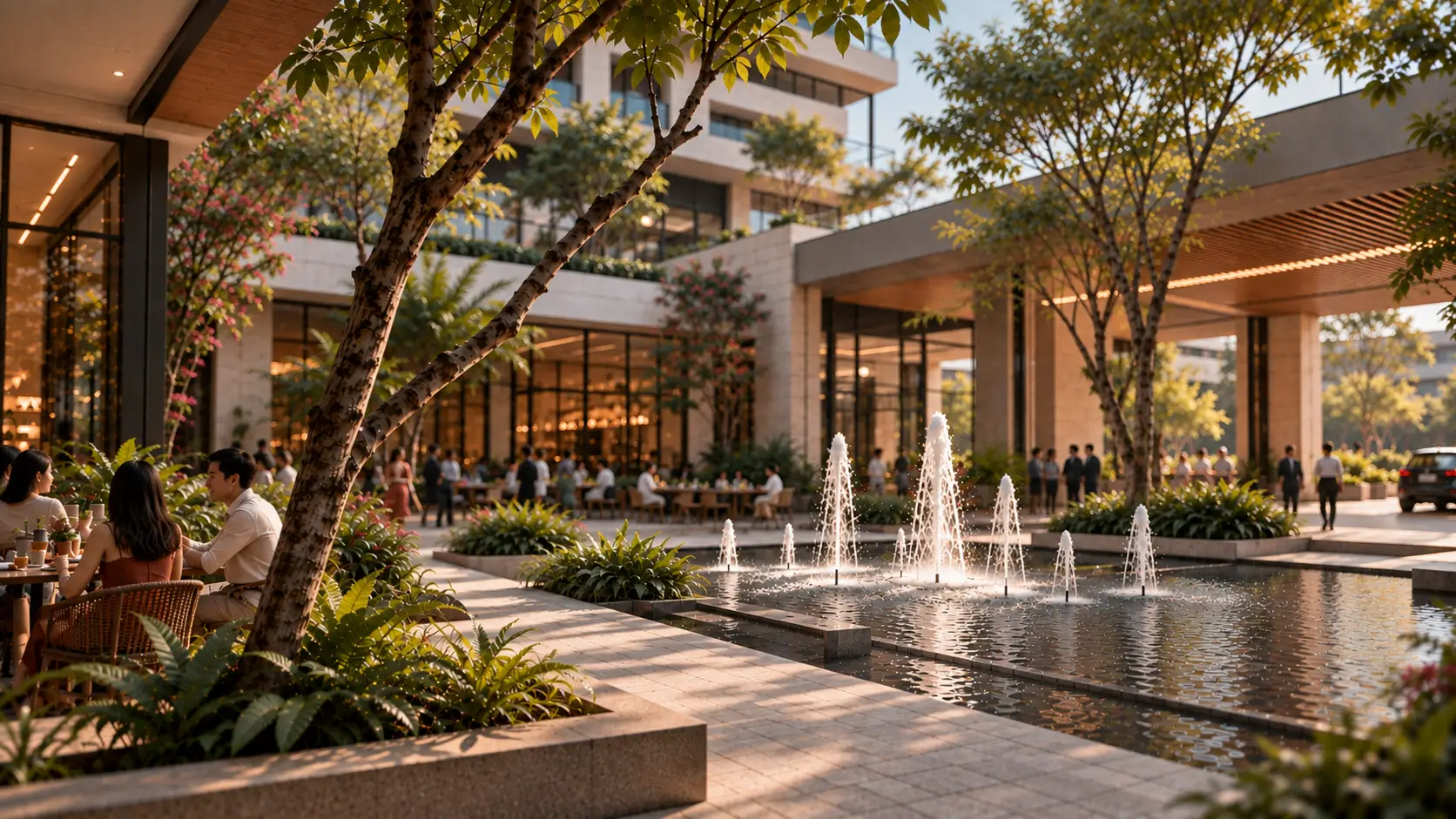
Moving forward, it is then ideal to translate the intended mood and lifestyle into design inspirations. These are the scenes that are similar to the one you aim to create. Moreover, from these, you ought to be able to select specific features you want to integrate into your own design. Then, you continue building on from here, sourcing inspiration from everywhere. Whether it be books, lifestyle magazines, social media, or even seemingly unrelated things such as your personal wardrobe, film and television, and music, it is advised to compile what it is that supplements your intended outcome. Simultaneously, these fuel your creativity when creating a mood board, which is the next step in the process
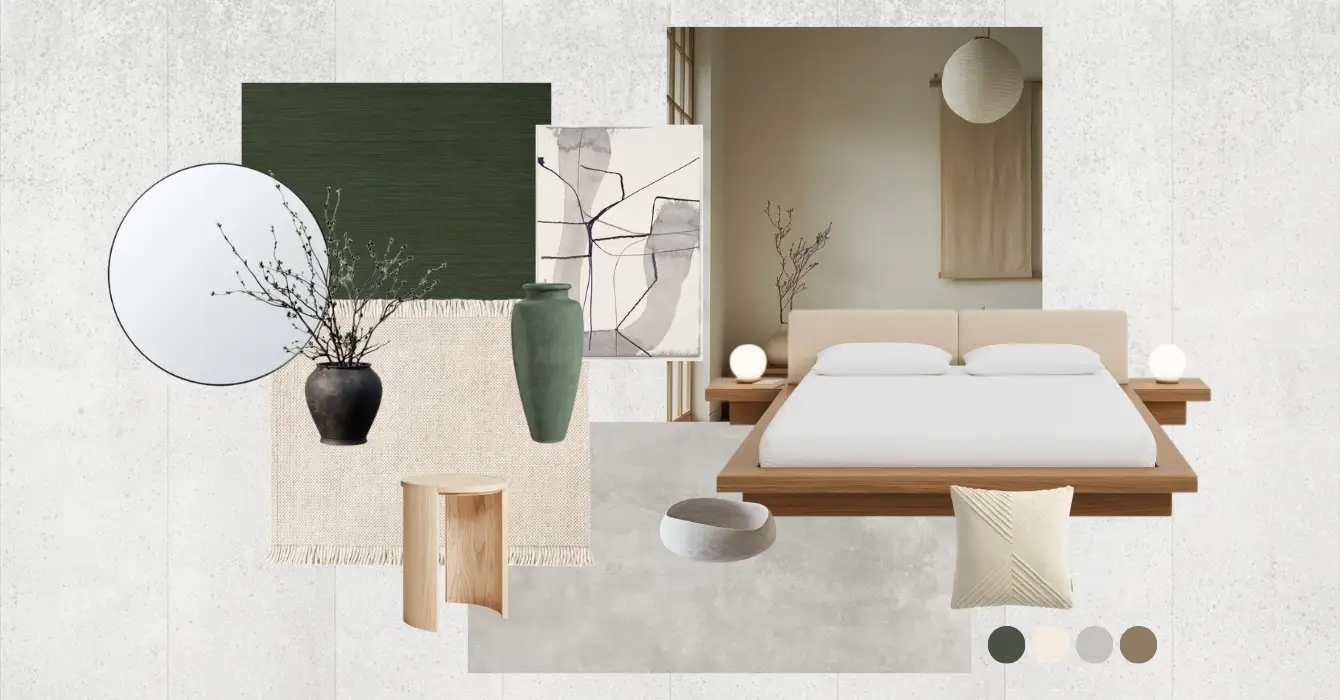
The role of a mood board is to anchor your succeeding design choices within a certain limitation, to avoid straying too far away from your sole intention. It acts as a guide when picking colors, shapes, materials, and other elements that make up a styled space. Without it, the final outcome might lack cohesiveness.
Having established a conceptual aesthetic, you can now begin the schematic phase of the process, where the technical aspect starts to come into play. Creating spatial layouts is key here, from circulation to zoning, and all that falls accordingly under those (e.g., furniture placement, lighting, and ceiling design). During this process is where your vision starts to come to life, allowing you to experiment, build, and transform.
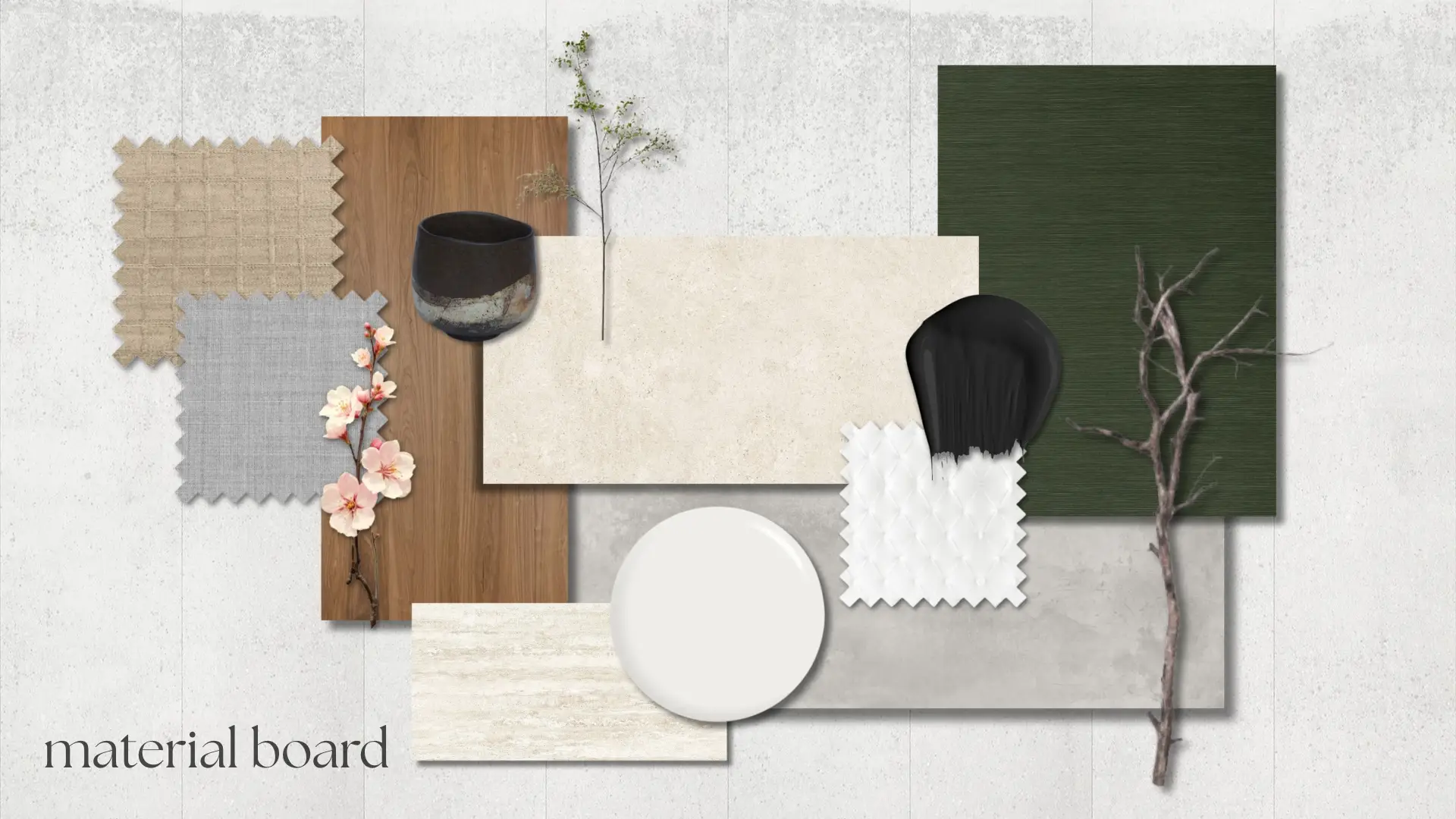
Upon completion of the initial design, the development phase entails the finalization of finishes and FF&E (furniture, fixtures, and equipment). This is also where technical drawings are refined, such as those for millwork, joinery, and custom furniture, to name a few. Coordination with other professionals (i.e., architects, engineers, and contractors) is done during this step to ensure alignment, feasibility, and smooth execution. Most importantly, expectations are to be set in line with the given budget in preparation for documentation. Then comes the production of all technical documents for construction, such as the comprehensive working drawings, schedules, and specifications for procurement.
During the construction phase, it is a designer’s job to take on the role of a project manager, which entails overseeing progress, coordinating with the necessary contractors, and conducting frequent site visits to ensure proper execution of the design. Upon completion, the finishing touches go hand-in-hand with turnover because it essentially requires making use of furniture pieces, accessories, or anything owned by the client to both personalize and beautify the space, in addition to what is already there. After this, you can now photograph the project and walk the client through, while also providing any necessary tips and maintenance guidelines for them.
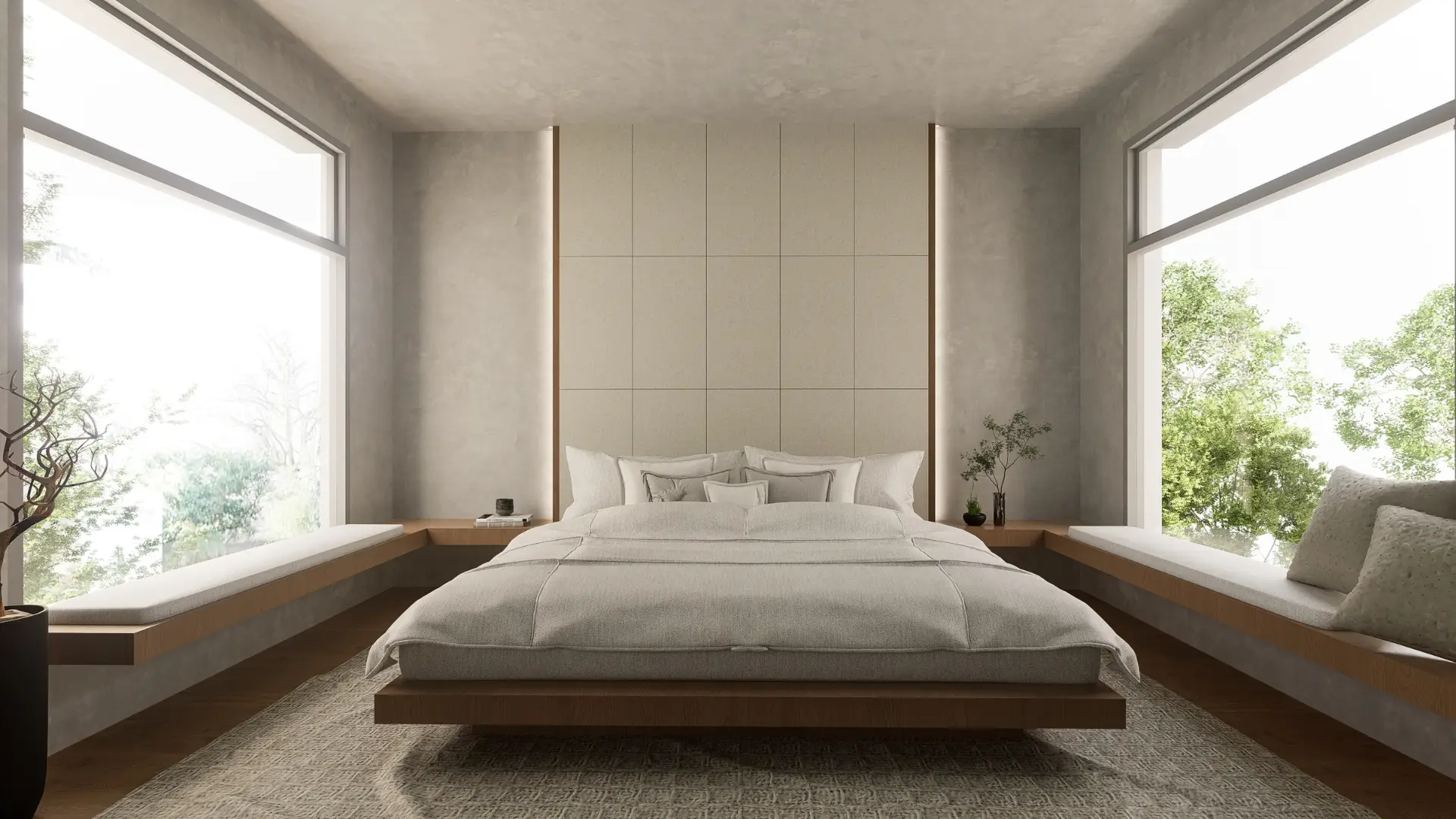
Finally, whenever possible, always check in with the client post-occupancy to gather feedback, positive or negative, and record what aspects of the design worked well and what could be improved for future projects. Good interior design does not come simply from one’s spatial and sensory skills, but more importantly, from one’s ability to truly understand and empathize with people.