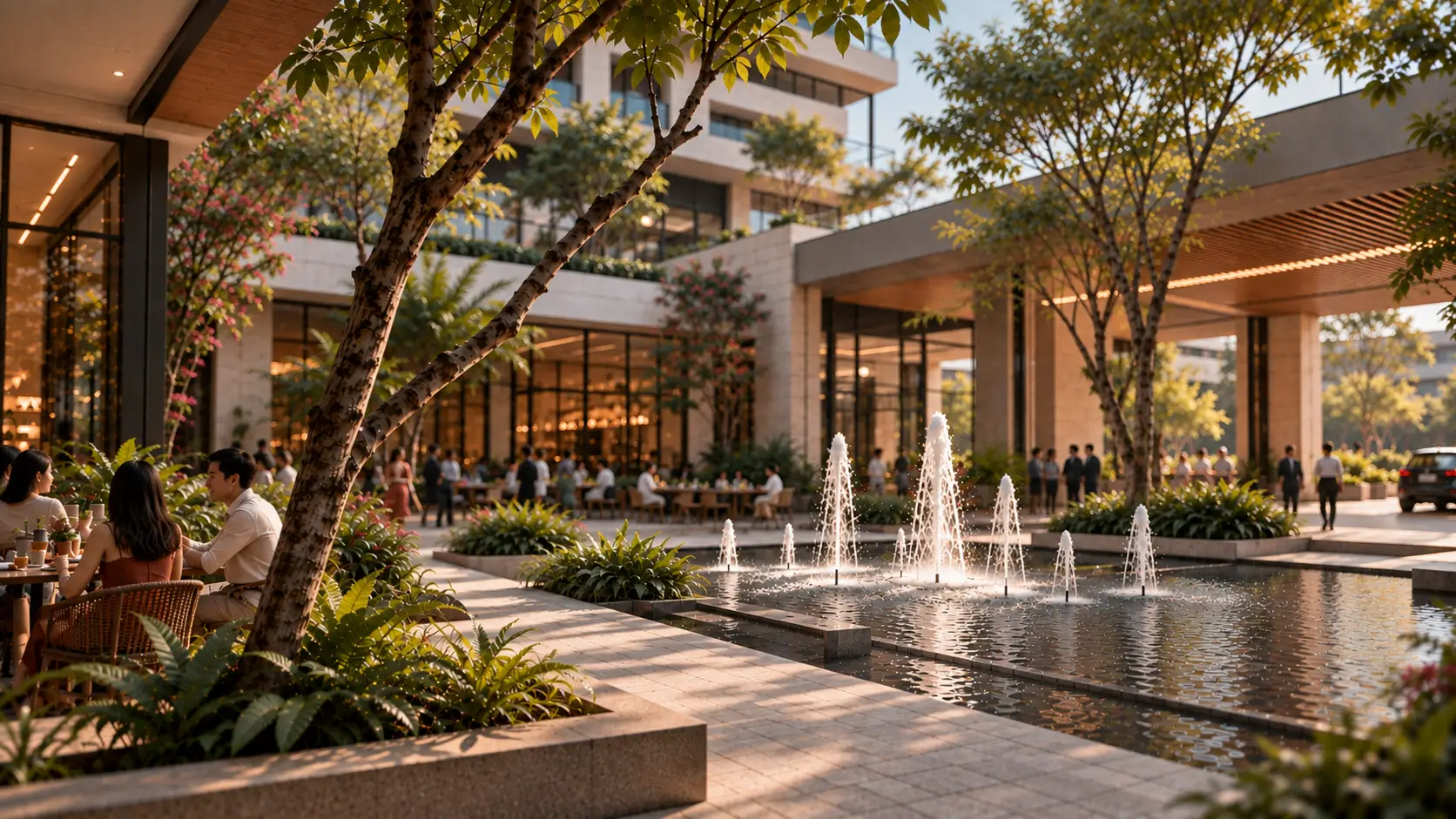













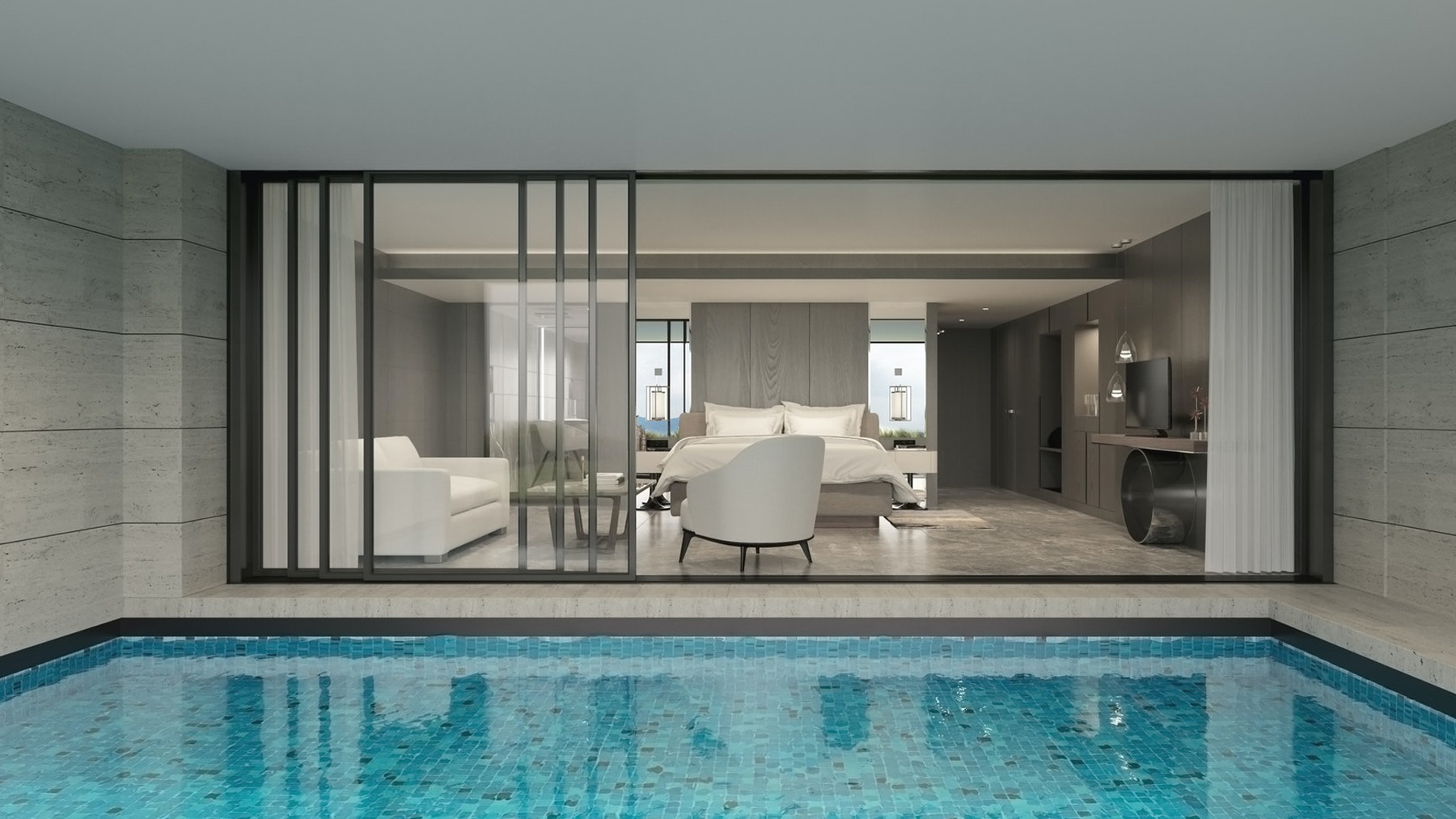
Modern architecture house designs are more concerned with aesthetics and design than history and tradition. Contemporary styles exhibit several characteristics that distinguish them from traditional buildings. Modern architecture house designs are to meet the demands and necessities of everyday life. Residential architecture in the contemporary era shares some characteristics with commercial architecture, using a variety of manufactured building materials, including steel, concrete, and glass. Additionally, they include large windows that allow natural light to enter the premises and provide ample functional spaces.
Fast-paced innovations in technology and construction unveiled never-seen-before tips and tricks in modern architecture house designs. From conventional to clever methods, plenty of design techniques can make your home twice as appealing and efficient.
Ready to upgrade your home with trendy and meaningful ideas that speak to modern times? Here are 7 ways you can do that:
Open And Off-the-Shelf Floor Plans In Modern Architecture House Designs
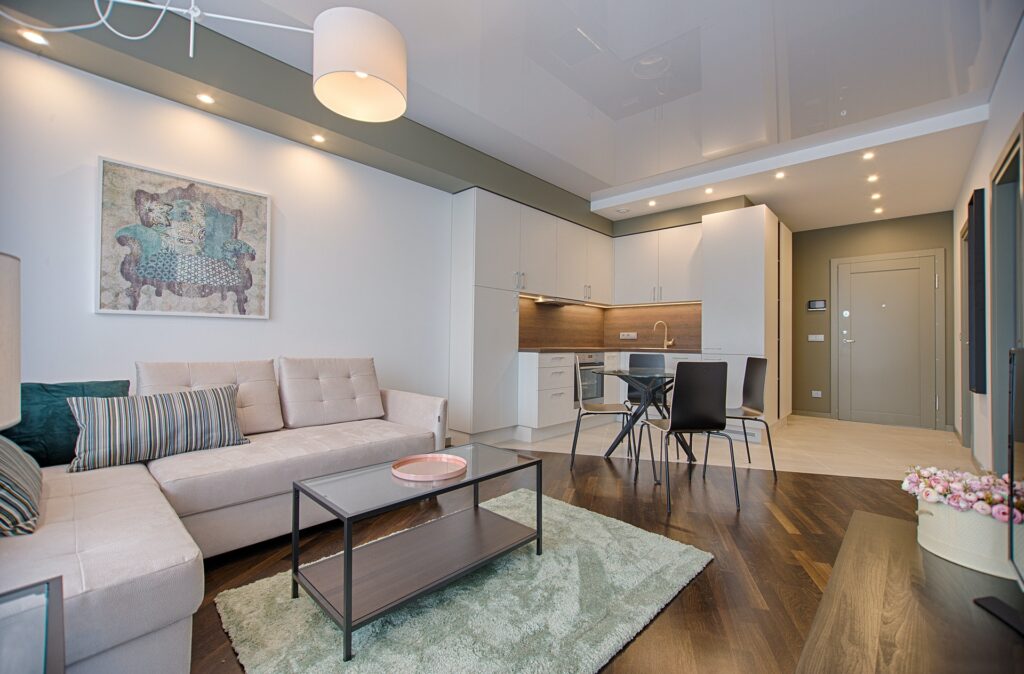
We are becoming more and more attached digitally, and we are also seeking more physical connections than ever. As such, interiors of modern residential architecture flow freely in open floor plans where main rooms turn into communal activity areas. This resolution allows multiple activities to go all at once while having a more “homey” and welcoming atmosphere. After all, activities such as board games and family movie nights are surging back into popularity.
These open floor patterns enable people to interact without passing through a door. Some may believe this is impossible due to how frequently people require their own space or because it is too noisy and disturbing. However, these open floor layouts provide several advantages, including increased communication and the capacity to simultaneously accommodate a more significant number of visitors.
The Rise Of Multi-generational Homes In Modern Architecture House Designs
Real estate prices soared higher than ever, and finding an affordable modern residential architecture can be challenging. This concern is especially valid among those with young families and even retirees. Thankfully, home-sharing gets a modern residential architecture take as multi-generational homes become a popular choice among friends and families. When residing inside a multi-generational home, members live on the same roof with more than one generation for an extended period. This home-sharing technique saves you money for the deposit and monthly expenses and allows the occupants to pick more desirable (and possibly more expensive) areas.
Sustainability Persists
As more and more communities realize the essence of sustainability, modern residential architecture becomes a micro-sustainable environment where technology and passive design take over. In recent years, sustainability has remained a growing trend with no signs of dissipating.
House designs based on modern architecture are more sustainable than those found in traditional architecture. They consume less energy, are more insulated, and are more environmentally friendly.
Innovative architects develop sustainable modern architecture house designs through new technology and materials such as electrochromic glass. These systems lower the house’s carbon impact by utilizing solar panels, LED lighting, rainwater harvesting, and passive cooling techniques.
Sculptural And Free-standing Baths
In recent years, the wellness movement has grown in popularity. As a result, architects and designers are including healing features in their designs to create more comfortable places.
The bathroom is a beautiful example of this. When you need to relax or have some alone time, your bathroom must meet specific requirements. Bathrooms are increasingly being created with built-in baths and showers, allowing you to relax in the tub or take a hot shower after a strenuous workout at the gym. There are also more private spaces in today’s bathrooms, allowing you to enjoy some peace when you need it most.
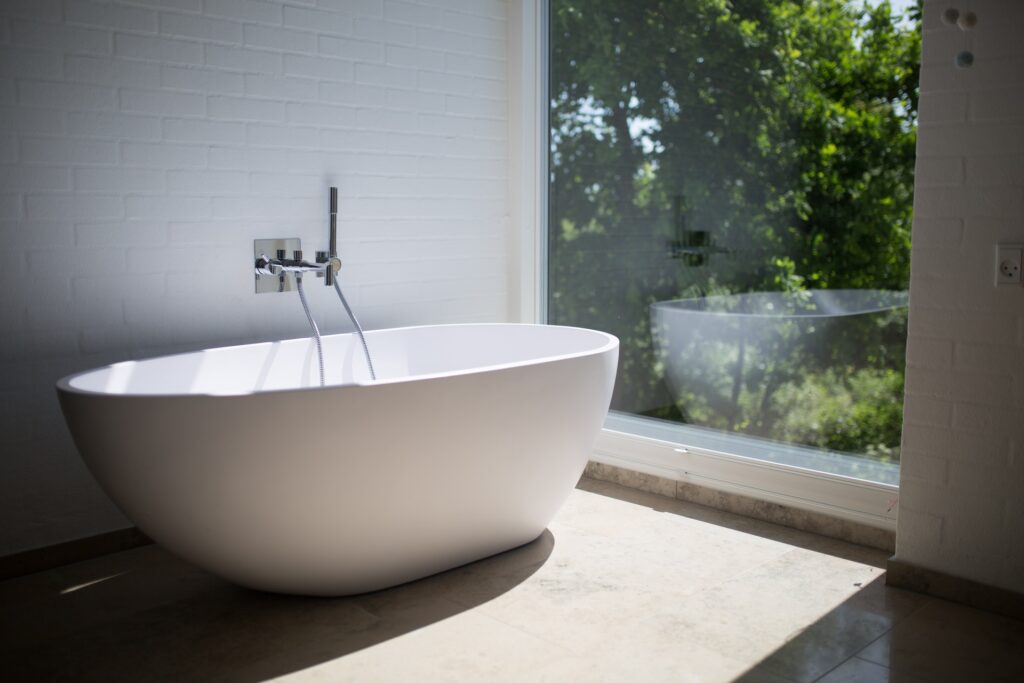
Before, bathrooms were all about unique and creative tiles. Today, bathrooms are becoming quiet sanctuaries where people can take a break from the hustle and bustle of daily life. And the bathtub is a particularly central element in modern residential bathroom design. Instead of a mere bathing fixture, the bathtub is perceived as a sculptural art installation, immediately gaining its place as the focal point of a residential bathroom.
Charging Stations, Clever Storage, And Quiet Spaces
As more individuals work from home and the work-life balance appears necessary, strategies in modern architecture house designs incorporate workspaces such as home offices. A home office doesn’t necessarily need to be a stationary one. Today, a modern home office can be anything from a designated “charging station” in the living, a breakfast nook with excellent reception, or a spare bedroom.
A home would be incomplete without a well-planned storage system. However, like the rest of the house, designing clever storage solutions should maintain aesthetics and functionality.
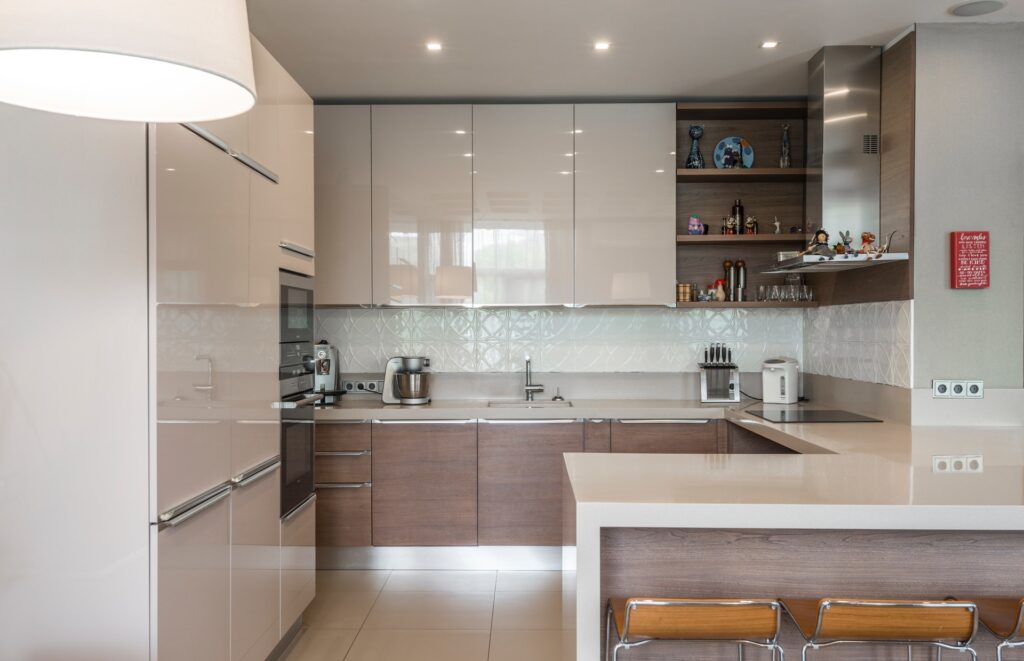
In modern architecture house designs, built-in closets and storage rooms allow quick access and adequate space for your belongings. Modern architecture house designs with innovative storage systems are a terrific way to add flare to your home. You can use them to store your clothes, books, or whatever else you please. Kitchen, bathroom, and bedroom drawers with storage systems can assist manage the space. To keep everything in its place or convenient access, utilize cabinets and storage containers. The wall-mounted system is a terrific way to clear up floor space and make your home more efficient.
Luxe Textures, Clean lines, With Eclectic Accents
Modern architecture house designs call for less décor and ornamentation, so every item placed in your home should hold a specific purpose while adhering to your aesthetics.
To juxtapose the clean and streamlined aesthetic of most of the elements in modern architecture house designs, eclectic accents such as large art pieces, abstract parts, or geometric accessories can make modern residential architecture feel less “cold.”
Decorative elements are the elements that give a space its character and personality. The type of finishes, lighting, furniture, art and home components can pronounce personal preferences.
It is prevalent in modern house designs to see bright colors and finishes like wood or stone.
Of Course, “smart” Everything.
The advent of smart technologies is shaping the future of architecture—these technologies influence the design and construction of new structures and retrofit existing ones. Intelligent technologies can automate tasks in the home such as lighting and appliance control, air quality monitoring, security systems, and the like. Their intervention creates a comfortable and energy-efficient intelligent environment.
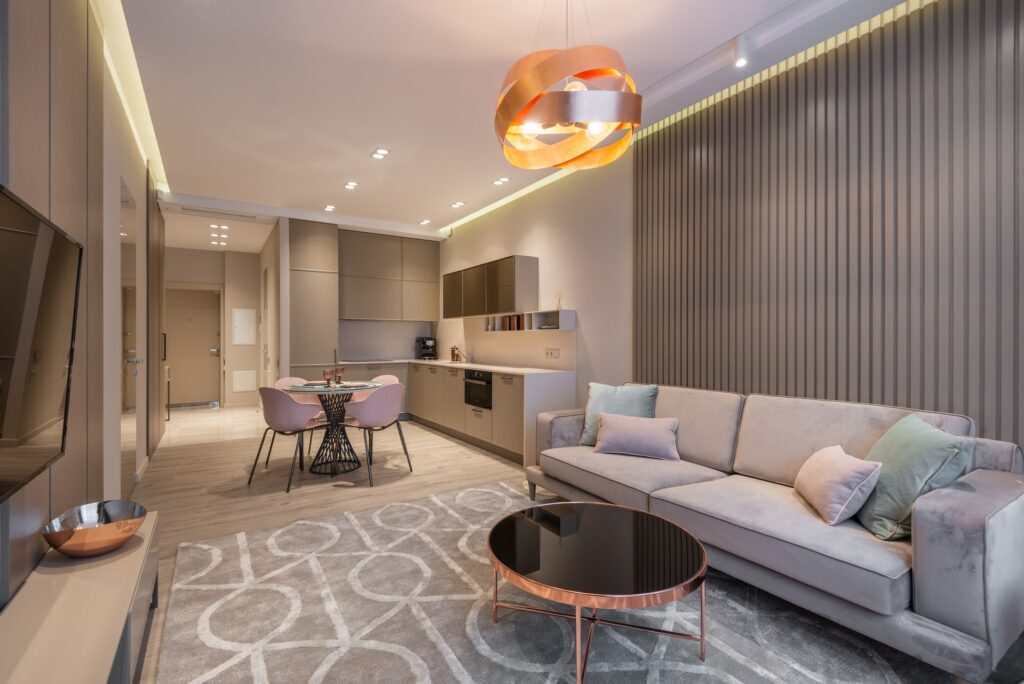
Smart technologies are becoming increasingly popular in architecture. Architects incorporate automation, sensors, and the Internet of Things to create resource-efficient, comfortable, and long-lasting buildings.
These days, there’s no limit to making your room as “smart” as possible. You can start with self-sterilizing door handles, programmed kitchen cupboards, or anything that can make your day-to-day life easier at the tip of your fingers.
Thoughtful, Modern Architecture House Designs
Despite the less is more approach to modern architecture house designs, the little things and thoughtful, intentional touches make all the difference. Before coming up with your dream house, check out some of our mentioned tips and tricks in modern architecture house designs to exemplify your home’s timeliness and innovative appeal.