












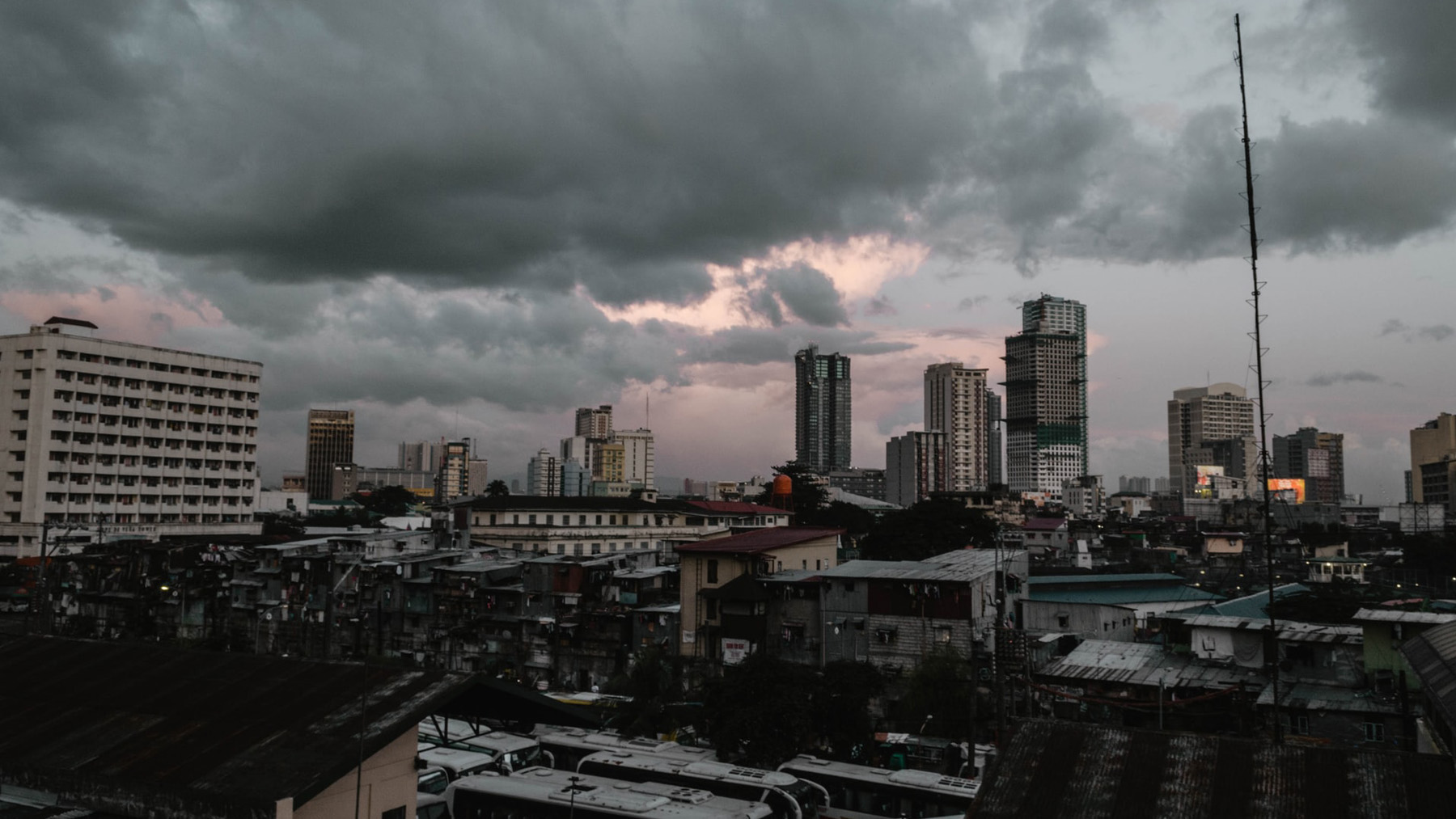
A good example of why the Philippines is prone to typhoon season is the city of Tacloban, located in the Northern part of the island. This city has sustained a lot of damage, as many as six billion dollars in damages. Many people are still living in temporary shelters and even in the middle of the ocean, trying to survive in the midst of a typhoon season. Because of the destruction of the city, many areas are still not accessible due to the destruction caused by this typhoon.
In November 2013, a few weeks away from what was supposed to be a traditional, festive Christmas in the Philippines, Super Typhoon Haiyan ravaged that city and country. It shattered all typhoon records and brought in a staggering wind speed of 380 km/h and a storm surge of six meters.
Typhoon Haiyan claimed countless lives and damaged properties beyond anybody’s imagination. This natural disaster is only one among the many typhoons that make landfall in the country. On average, 19 tropical cyclones enter the Philippine Area of Responsibility. Six to nine of them make a landfall that significantly impacts not only the country’s physical landscape but its economy as well.

Find Out Why The Philippines Is Prone To Typhoon
The Philippines is considered to be one of the most typhoon-prone places on the earth. Every year, typhoons strike the country and the residents find that the weather conditions become too extreme, too harsh, and too unpredictable. It makes life a living hell for some of the more unfortunate Filipinos and even for those who reside in the surrounding areas of the country.
This natural phenomenon has beaten and battered the archipelago. It is at the core of numerous meteorological studies that include the following reasons why the Philippines is prone to typhoon.
1. The Ocean’s Temperature
The Philippines is found just above the equator, thus making the surrounding oceans warmer than everywhere else in the globe. In the Western Pacific, where the Philippines is located, the average water temperature is 28 degrees Celsius or 82.4 Fahrenheit. This is the temperature where a typhoon usually forms.
Colin Price, an atmospheric scientist from Tel Aviv University, calls this phenomenon “the warm pool around the Philippines and Indonesia.”
The increased water temperature creates pressure that makes the winds move quickly. The atmosphere accumulates massive amounts of latent heat as it rotates towards the “eye” or the center.
As the temperature and moisture content increase, the winds become more intense. The typhoon derives its powerful energy from the significant release of heat by condensation. Typhoon Haiyan generated ten times the energy of the Hiroshima atomic bomb.
2. Geographical Location
The Philippines is part of what meteorologists call a “Typhoon Alley” of the “Typhoon Belt,” which extends between 10 to 40 degrees latitude. Its location in the Western Pacific Basin is known around the world to experience the most ravaging storms.
The buckle of this infamous Pacific Typhoon belt is Northern Luzon. About half of the typhoons coming in from the Southeast devastate the northern tip of the country that including the Batanes Group of Islands.
The Southernmost part of Luzon, which is occupied mainly by the Bicol Region, has encountered 111 typhoons in the last 50 years. The Eastern Visayas region, which lies on the same belt, is not spared from the shattering effects of a typhoon.
Consequently, compared to the Atlantic, the Pacific Basin does not have much land. Hence, there is a significant source of warm ocean water that can generate typhoons. The massive expanse of the ocean surface in the tropical regions allows the cyclones to fester longer and grow stronger.
Tips in Building Typhoon-Resilient Structures
For the residents of the Philippines, the typhoon season can last from June through August, but it depends on where the typhoon strikes and its strength. It can be devastating to the entire nation, especially the cities. Some cities, such as the capital, Metro Manila, which is also the biggest metropolis in the Philippines, are often devastated by typhoons, as well as other provincial capitals. Some cities specially located at storm paths have sustained yearly damages during the typhoon season. But these areas usually recover quickly.
Building designers in the Philippines need to give extra attention to nature and the challenges that come with the country’s climate. Aside from severe wind conditions, flooding is also a consideration in designing typhoon-resilient structures.
It is advisable to provide appropriate attention to heavy precipitation, wind load, and ground-level flooring when creating building designs for typhoons and flood-prone areas.
Since constructions experts have already brought to light the reasons why the Philippines is prone to typhoon, they can now focus on what will keep a structure remain standing after the storm has settled.
Here are some essential tips for buildings that can withstand heavy winds, rain, and floods.
- Buildings in typhoon-prone areas need to have adequate drainage solutions for terraces, basements, roofs, and other areas that tend to collect water. It would be best if these areas are very well- sealed.
- For rooms that require outside air intake and adequate ventilation, such as mechanical areas, it is advisable to install typhoon-resistant panels or coverings with louvers. They maximize outside air-intake while driving out rain and blocking wind.
- The ground level is the first line of defense against floods. Installing flood barrier walls is the best solution to preventing floodwater from entering a building.
Another smart safety measure would be to avoid placing emergency backup generators and other important electrical or mechanical components in the basement. These crucial equipment needs to be protected from water to prevent power outages or damage which may cause the building to cease operations. - Relying on natural resources, whenever feasible, is a viable solution in minimizing dependence on traditional sources. Climate change has severely raised the risks of natural disasters. It is the designer’s duty to lessen wastage and to utilize what nature has to offer towards a more sustainable commercial and residential living.
A helpful tip would be to design greywater systems or rainwater storage systems. Collected water goes through a filtration process so they can be used for flushing toilets or landscape irrigation. - Vertical structures such as buildings are the most exposed to wind hazards. They should be designed to resist wind loads. Designers must keep in mind the basic design wind speed which is three seconds at 10 m above the ground.
Other factors such as structural importance factor, wind directionality factor, gust effect factor, and exposure factor are significant considerations as well.
Now You Know Why The Philippines Is Prone To Typhoon
The Philippines is a country that is most prone to typhoons due to its geographical location and the high temperature of the waters surrounding it. This natural phenomenon has a tremendous impact on the nation’s topography and economy.
People in typhoon-affected areas live in constant fear and are always on the lookout for any sign of damage to their homes or businesses. If they find any signs that could indicate damage, they immediately rush to their bank and try to get money out of there before the next typhoon hits. This means that the banks are almost always closed in these areas, and people in those areas do not know when, if ever, the bank may open again.
What makes the typhoon season even worse for the citizens of the Philippines is that many people do not have anything to rely on during the rainy season. Water is scarce, making food difficult to come by. Because of this, people have to rely on the local resources and on the rain to survive. They have to use whatever they have at hand, such as food, water, wood, candles, and other items, to make their lives. less difficult and more comfortable.
The occurrence of this probable natural disaster is inevitable, but there are ways for people to adapt appropriately. One significant way is for modern designers to reconsider typhoon-resilient structures. These safe and stable structures can match the tenacity of the Filipino spirit amidst any adversity.