












The Philippines has experienced a remarkable transformation in its housing landscape in recent years, especially in urban areas. Condominium living has emerged as a dominant force, moving beyond being fashionable. The shift reflects more profound societal changes as the needs of the urban population continue to evolve. Cities have become hubs of opportunity, offering a wide range of benefits that extend from professional advancement to lifestyle improvements. These attractions draw people from various backgrounds and regions, increasing the urban population significantly. As a result, the market needs more than traditional housing options to meet the growing demand. Condominium design has stepped in to fill this gap, providing a housing solution that aligns well with the complexities of urban living.
The Intricacies of Urban Condominium Design Development
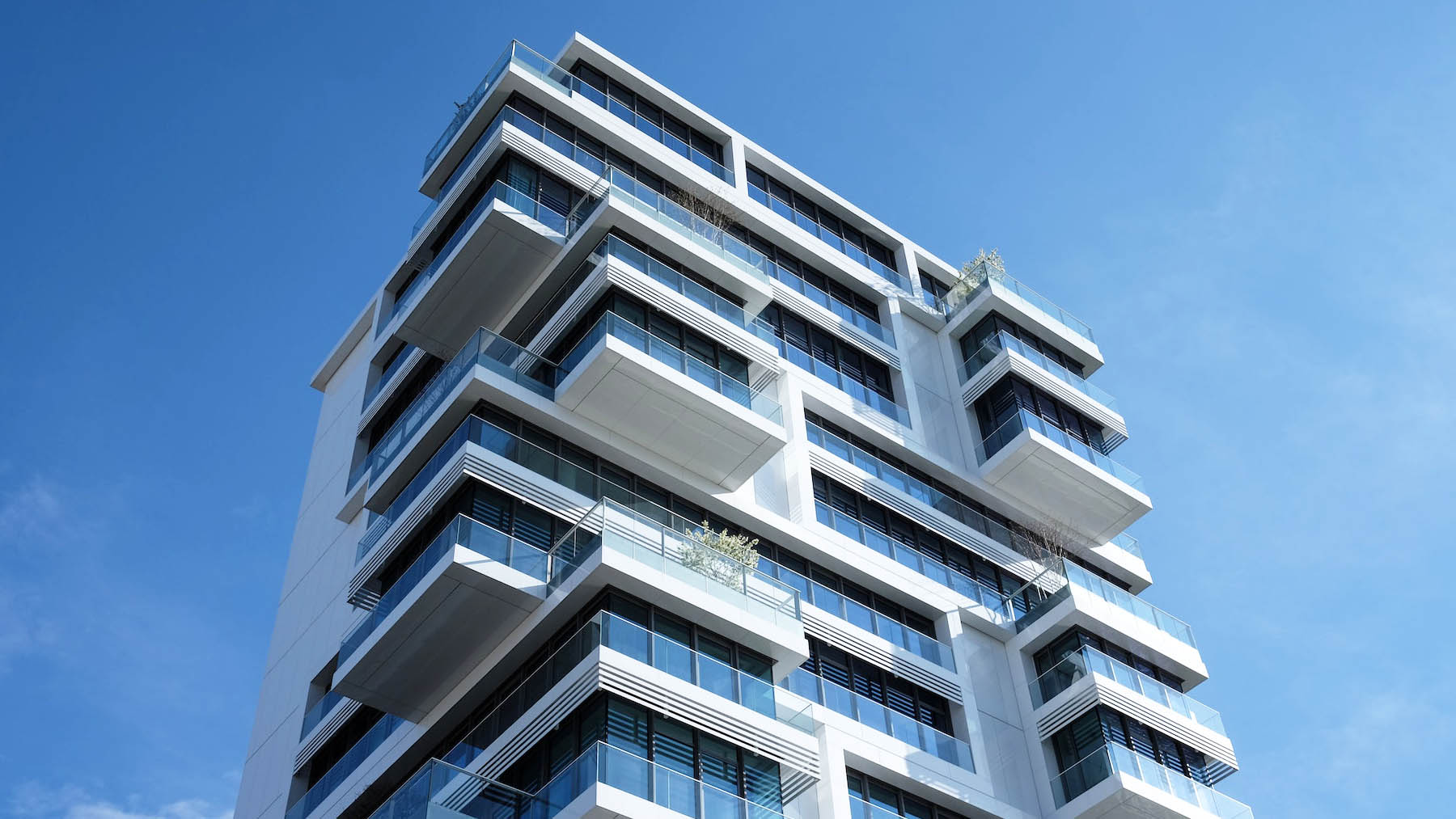
Condominiums now dominate the residential landscape for those who live in cities. They offer a blend of convenience and luxury that appeals to modern urbanites. Often situated in prime locations at the city’s heart, these high-rise homes provide residents quick and easy access to their workplaces, recreational areas, and essential services like shopping centers and hospitals. This prime positioning has fueled a surge in demand for condominium design living. In response, developers continually innovate, aiming to outdo each other by incorporating unique features into each new project. This competitive market pushes the boundaries of architectural design and amenities, making each new development a potential game-changer in urban comfort and convenience.
Decoding the Complexities
An urban condominium design is a complex process fraught with challenges. From the scarcity of suitable land to intricate zoning laws, architects and developers must navigate a labyrinth of obstacles. Regulatory frameworks can be particularly daunting, with many permits and approvals required. Early engagement with local authorities and meticulous planning are essential to navigate these complexities successfully.
The Hidden Benefits of Modern Condominium Design
The “work, live, play” philosophy has become integral to the allure of modern condominiums, aiming to blend professional, personal, and recreational aspects of life into one cohesive experience. These high-rise homes, situated strategically near business districts or within mixed-use developments, offer easy workplace access and often feature in-house co-working spaces. Amenities like gyms, pools, and 24/7 security services enhance the living experience, while on-site grocery stores and pharmacies add more convenience.
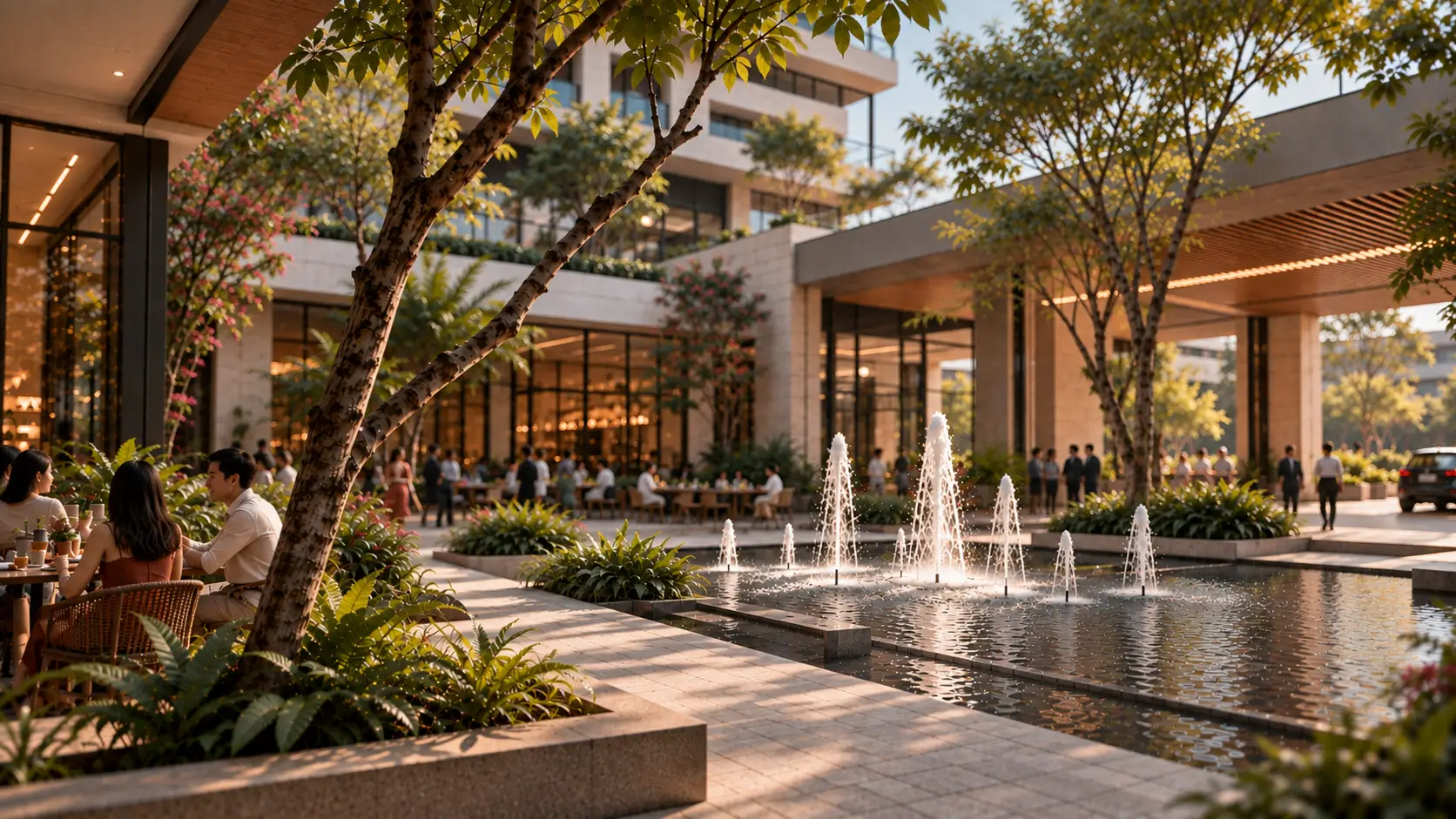
The concept extends to leisure and recreation, another critical component of the urban lifestyle. Communal spaces such as gardens, swimming pools, and entertainment rooms are standard features, allowing residents to unwind and socialize without leaving the premises. Some developments even offer extravagant amenities like mini-theaters or art galleries. In alignment with the demands of contemporary urban living, condominium design adeptly addresses the practical requirements of city residents, simultaneously contributing to a harmonious and enriched lifestyle.
Revealing Architectural Innovations
While the challenges are many, the rewards are equally compelling. Modern condominiums optimally use limited space, solving the urban housing crisis. They also come equipped with various amenities that enhance the quality of life, from basic security measures to luxurious leisure facilities.
The key to overcoming design challenges lies in innovation. Unique features such as direct elevator access to individual units can elevate a project from ordinary to extraordinary. Customized amenities, from wellness centers to co-working spaces, can cater to a diverse resident population. Sustainable design elements minimize environmental impact and serve as unique selling points.
The Investment Perspective Unveiled
Condominiums function as residential spaces and financial assets, serving a dual purpose that urban dwellers increasingly recognize. Their strategic location, often in the heart of bustling cities or near crucial business districts, provides residents unparalleled convenience. This prime positioning is further complemented by a range of luxurious amenities, from state-of-the-art gyms to rooftop gardens, which add significant value to the property. These factors often justify the premium pricing of condominium units and make them highly attractive as investment options.
The investment appeal of condominiums is further bolstered by sustained demand, particularly in thriving urban centers. As cities grow and attract more residents, the need for well-located, amenity-rich living spaces shows no signs of diminishing. This enduring demand ensures that condominiums hold their value and are likely to appreciate over time, offering a lucrative return on investment. For individual investors and institutional buyers, condominiums present a compelling opportunity to diversify investment portfolios while securing a tangible asset that offers immediate and long-term benefits.
Unveiling the Future of Urban Living
Condominiums in the Philippines have emerged as transformative solutions to the intricate challenges of urban housing. Despite the complexities involved in their design and development, these structures’ enduring appeal and multifaceted benefits validate the efforts invested in their creation. With a focus on innovation and meticulous planning, architects and developers have the opportunity to redefine urban living, delivering value to residents and enriching the community at large.