












As the pandemic hastens the retail apocalypse, developers are reinventing empty shopping malls – not as retail spaces, but as affordable future housing developments.
The rise and fall of “Mall Culture”
The world has seen too many retail spaces. But, who would have thought that there will be even more retail spaces today? Mall owners have long been battling with the rise of e-commerce and shifting consumer behavior mainly targeting apartment retailers and department stores. That is to say, their core tenant base. Meanwhile, a recent addition to the list is the resulting economic fallout due to COVID-19. Certainly, a new, unexpected gut punch to an already reeling sector.
Will shopping malls cease to exist in the ‘new normal’?
According to Green Street Firms, a real estate research firm, more than half of all department stores in the United States are predicted to close by 2021. While there may be surviving retailers, they may not be far behind. These potential closing scenarios will not only affect the retail industry. They will also encourage a “stampede” of landlords resorting to restructure loans once their commercial tenants start missing their rents.
With all these possible scenarios in mind, gone are the days when shopping malls served as centerpieces of retail and social activity. CEO of retail developer Caruso Affiliated, Rick Caruso, even hails today’s shopping malls as “historical anachronisms” desperately in need of immediate intervention.
An innovative solution – convert empty malls into future housing developments
Developers determined to recover any remaining use of these abandoned shopping malls are now spending millions to craft a financially-viable future housing development wherein revenue no longer relies on shopping.
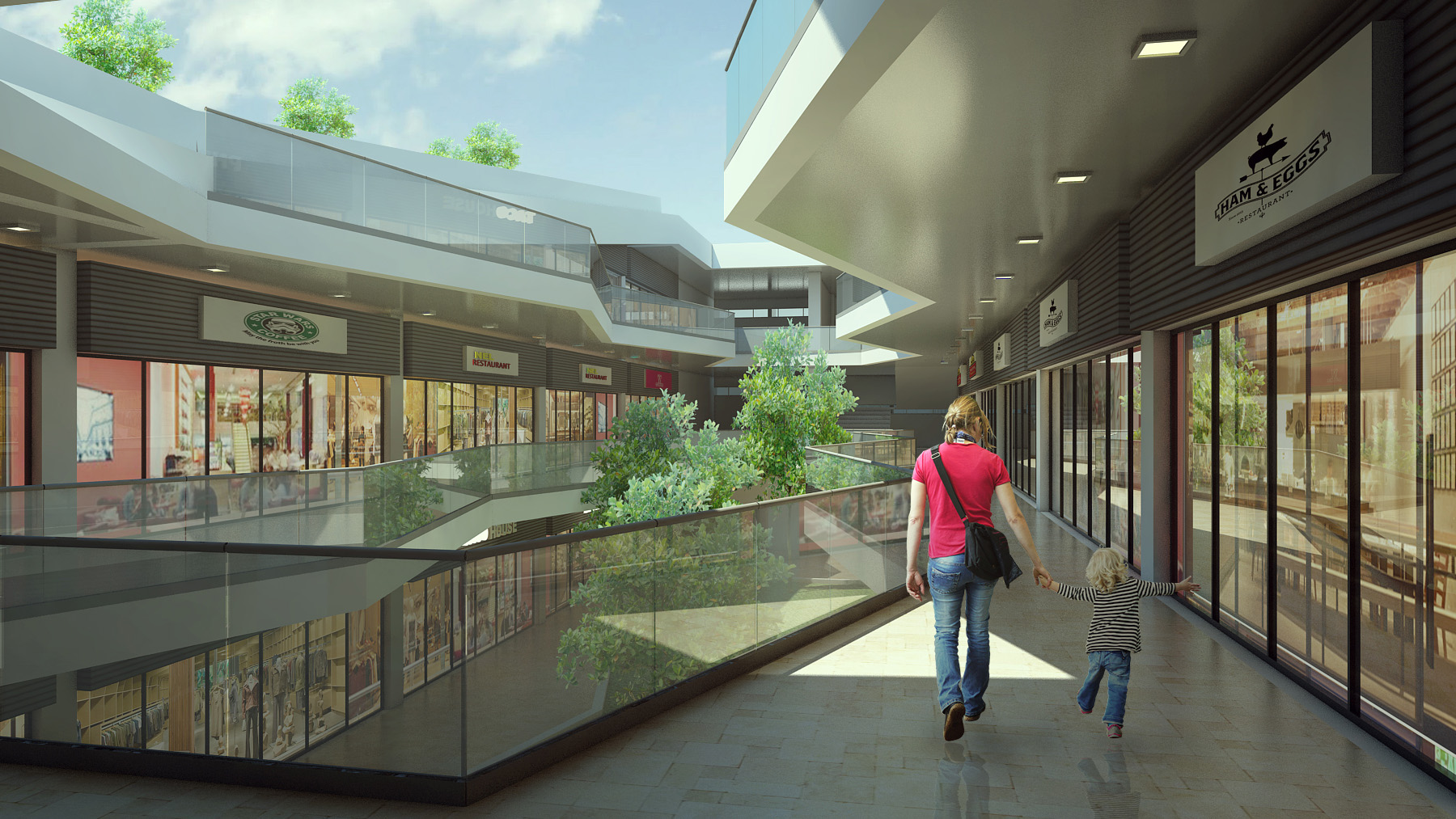
Revitalizing shopping malls through residential housing as a spatial strategy to keep these properties as relevant as possible. The concept has been so well-known amongst the real estate industry that developers are now including residential units such as condominiums and apartments in mall redevelopment projects. Representing a new way of thinking on socio-economic scales, the mall-to-housing shift is designed to collate three economic phenomena at once: the possible downfall of the brick-and-mortar retail industry, the constant demand for affordable housing, and the mission to further eliminate homelessness – all three remaining as intractable as ever.
For some, being able to stay within the premises of a shopping mall 24/7 would be a dream come true. However, a greater advantage awaits its potential demographics of young millennials and aging baby boomers. In today’s era where people prefer to compensate smaller living spaces in exchange for walkable communities with little dependence on vehicular transit, shopping malls and their naturally-accessible locations are perfect for their modern-day tenants.
A prime example of a successful shift from an abandoned mall to a thriving residential development is Westminster Arcade, the United States’ oldest indoor shopping mall. It is now home to dozens of micro-lofts with areas no smaller than 21 square meters completely built with a microwave oven and a mini-refrigerator. With units starting at $550 a month, a truly affordable housing feat, resulted in an influx of aspiring residents – 4,000 of which to be exact.
Is this future housing a long-term solution?
Although the idealistic shift of shopping malls from retail spaces to future housing units sounds promising, developers acknowledge the limitations its practical realities will impose. For one, the land it sits, despite the building atop struggling to survive, is still worth a fortune. Hence, it is highly likely that the landowners of shopping malls would want to sell or rent their land at top prices. Prospecting residential tenants are bound to compensate through higher rental costs.
Another thing to consider during the mall-to-housing shift are possible political, bureaucratic, and neighborhood challenges presented. As these properties would have to undergo necessary zoning transitions. A common manifestation of these challenges is “not in my backyard” complaints. Wherein current residents believe that new developments such as mall-to-housing projects may lower the value of their properties. Instead of looking at this challenge in a negative light, this in fact encourages the public to offer creative solutions on related policies both at individual and developmental levels.
The Key Takeaway
With the retail industry facing an inevitable uncertainty, today’s mall owners are crafting a strategic, practical approach when seeking a new route for their properties. Shifting consumer behavior coupled with new technologies means that conventional shopping malls offering services and experiences with no online equivalent may have to be slightly inventive with their investments. A mall-to-housing development could be a perfect fit for them even after the world recovers from these trying times.
If you are ever interested in converting old properties into new use, please feel free to get in touch with us at Fulgar Architects. We’d love to help you explore innovative ideas for the real estate market.