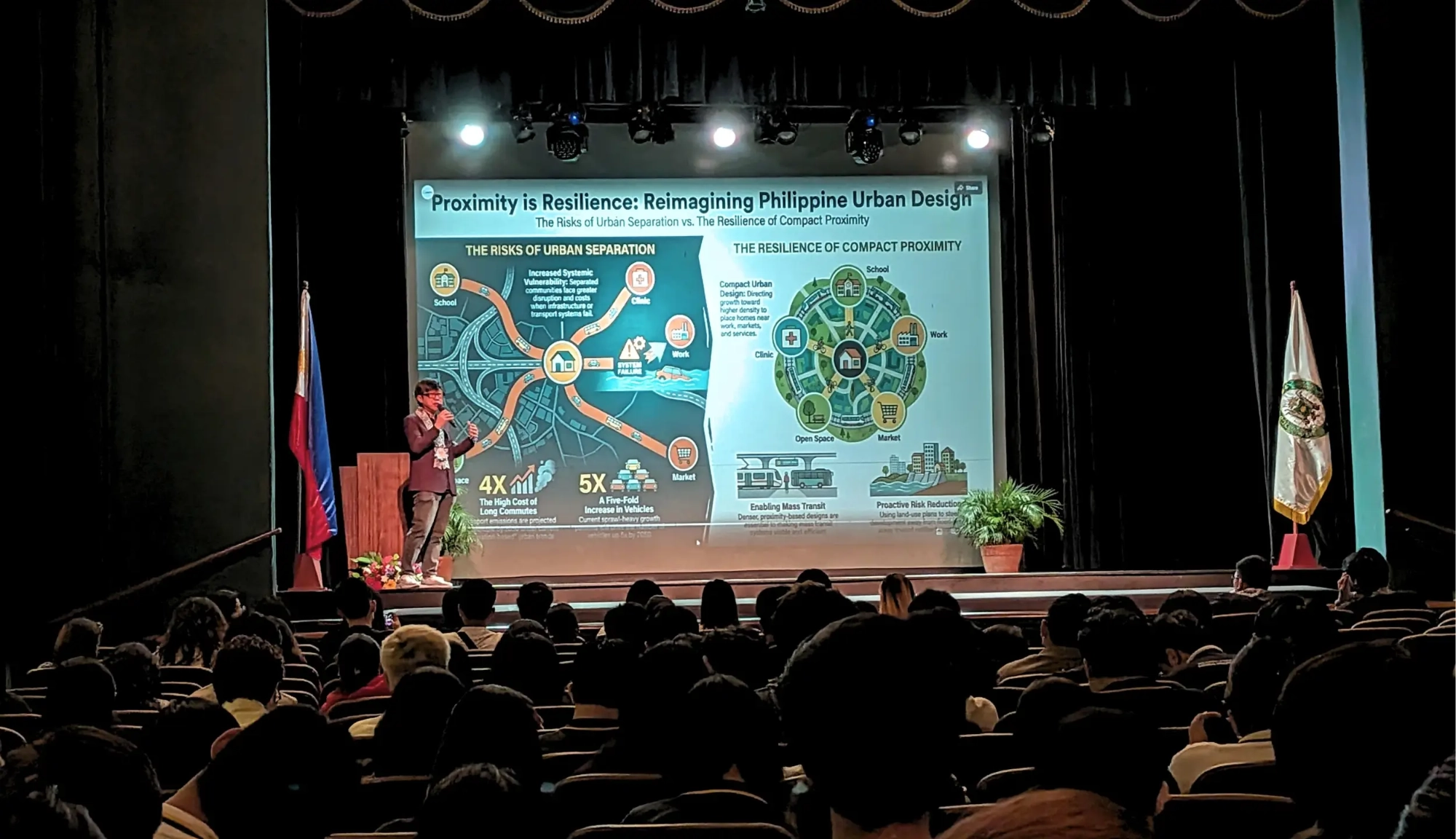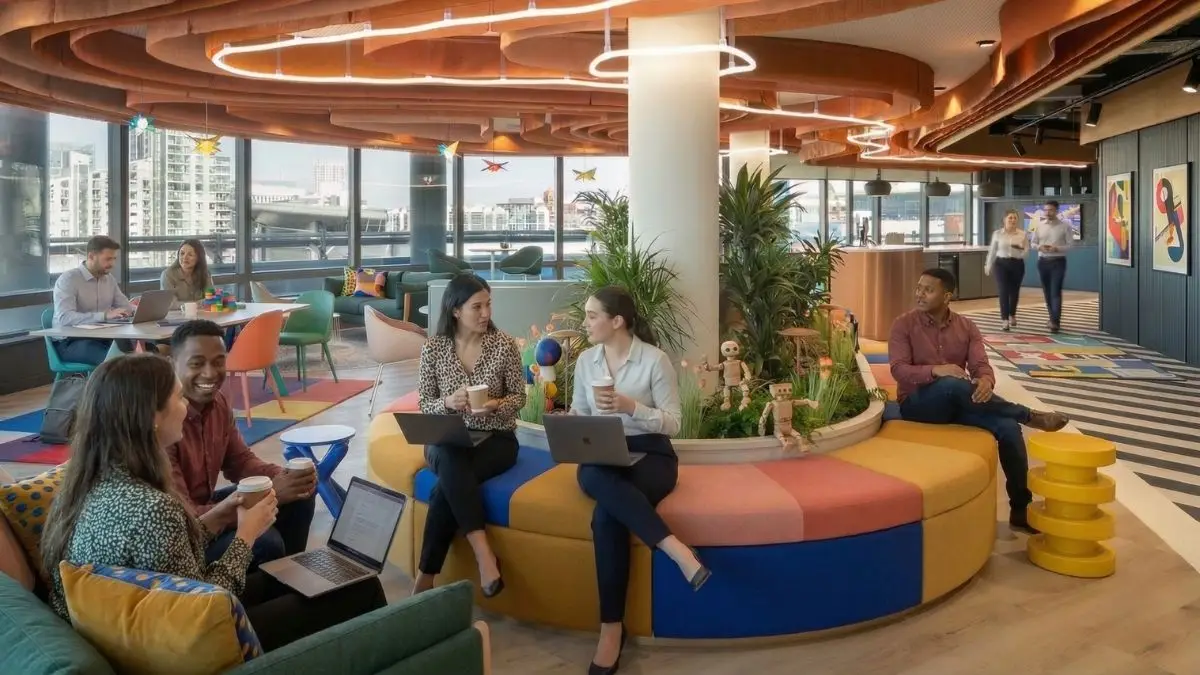













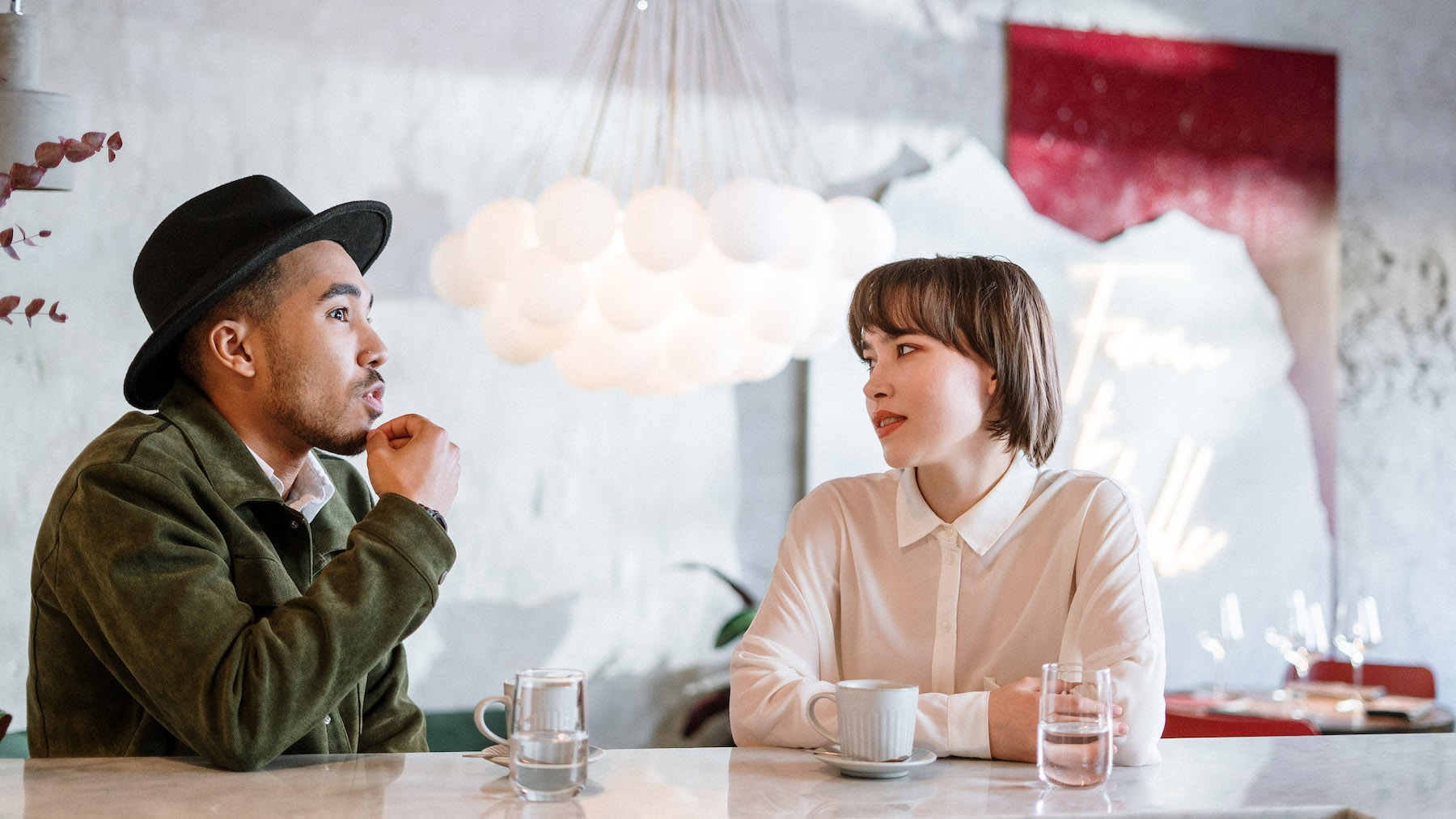
Architects and designers should look to hospitality projects for ideas when making an office design. As time passes after the pandemic, it’s clear that the need for flexibility at work is here to stay. People prefer to work from home. Therefore, the workplace must be redesigned as a destination.
We are rethinking workplace and office design to create a linked feeling of a place where teams want to come to collaborate and be productive. And one of the ways we’re doing it is by seeking inspiration elsewhere.
The hospitality industry teaches us many great lessons. The best operators go above and beyond for their guests, which earns them praise and, more importantly, makes them want to come back again and again. They also make people feel inspired and open to new ideas.
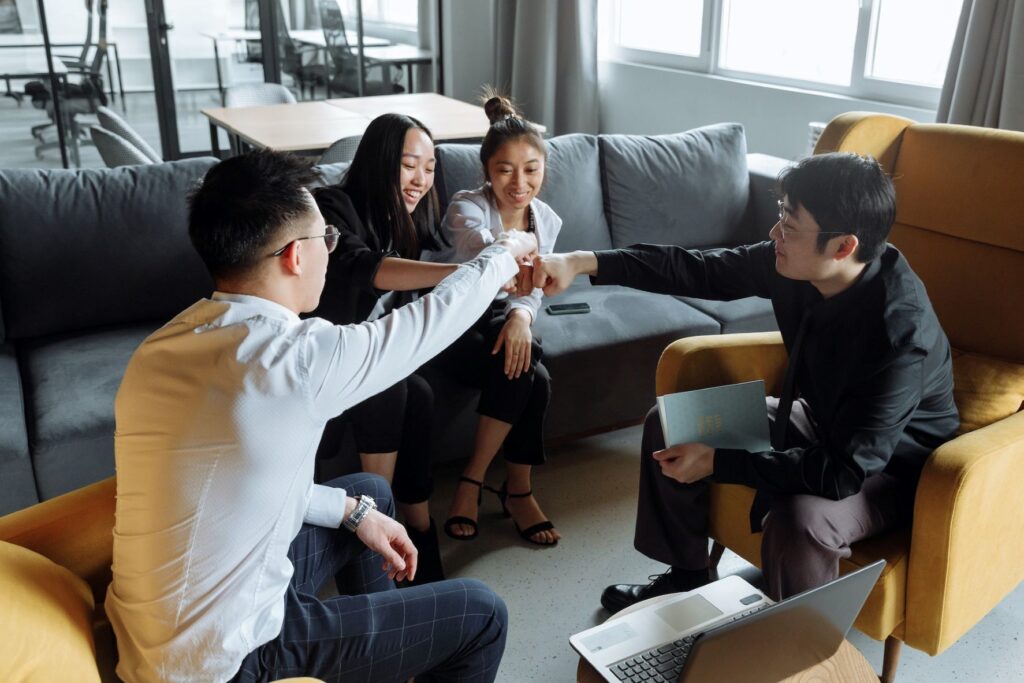
So, how can a business use the principles of excellent hospitality design to create a space that inspires people? A five-star hotel’s guest experience is great for looking for ideas when designing office layouts with architecture and interior design experts. Make a place that focuses on amenities and the user experience, giving people a high-quality place to work and meet that is driven by hospitality.
aspects of grandeur In Office Design Entrances
The office design experience must start as soon as you walk in. Hotels are experts at making great first impressions. They do this by having friendly staff and an impressive lobby, which often has a stunning design element or piece of art.
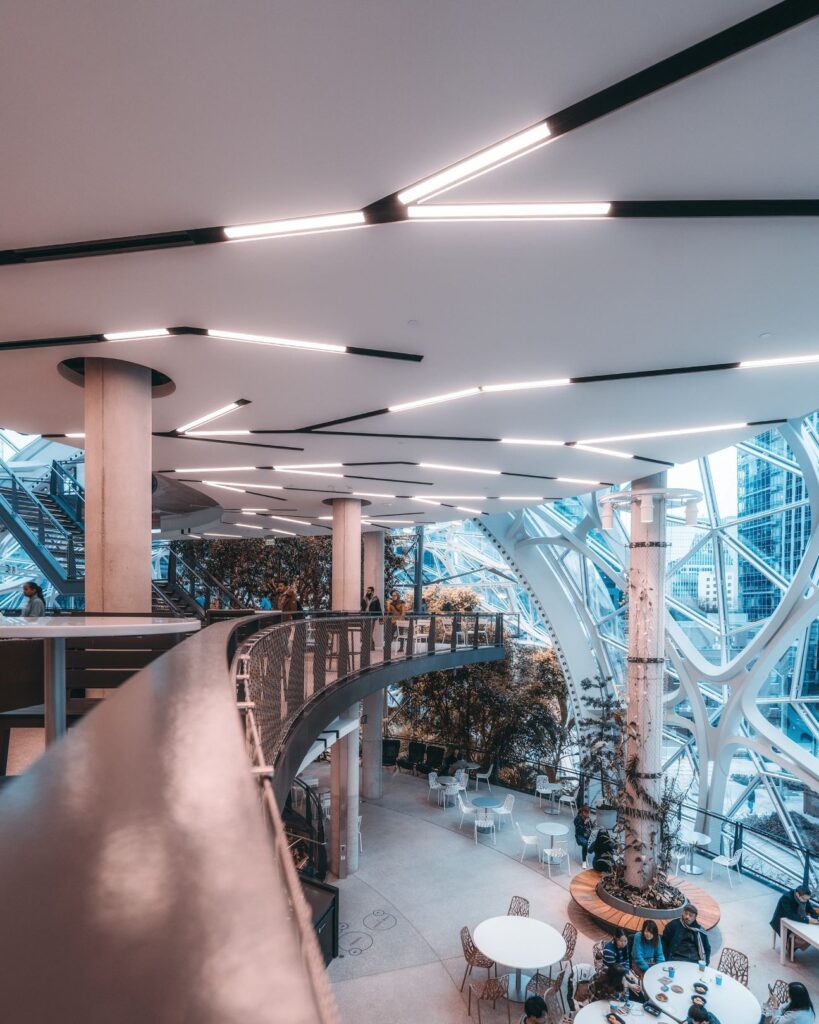
In the main foyer, the main focus could be on a beautiful piece that reflects the building. The best hotel lobbies have lounges. And concierges run the entry to greet customers, help people figure out how to get around, and ensure everyone has everything they need. Building hotels in the Philippines of the future will embrace a mix of core beliefs and unique trends.
Combining the local feel with an international twist
The hospitality industry, particularly hotels, is moving away from identical designs that show off their brand. Most of the more experienced hoteliers act in ways that fit in with the neighborhood. The office sector should follow suit. Hotels changed because customers wanted a more authentic, location-based travel experience. The same concepts apply to workplaces where companies wish to attract employees. The intent includes:
- Drawing inspiration from the local culture.
- Making the design relevant to the locale.
- Providing an aspect of familiarity and comfort to employees.
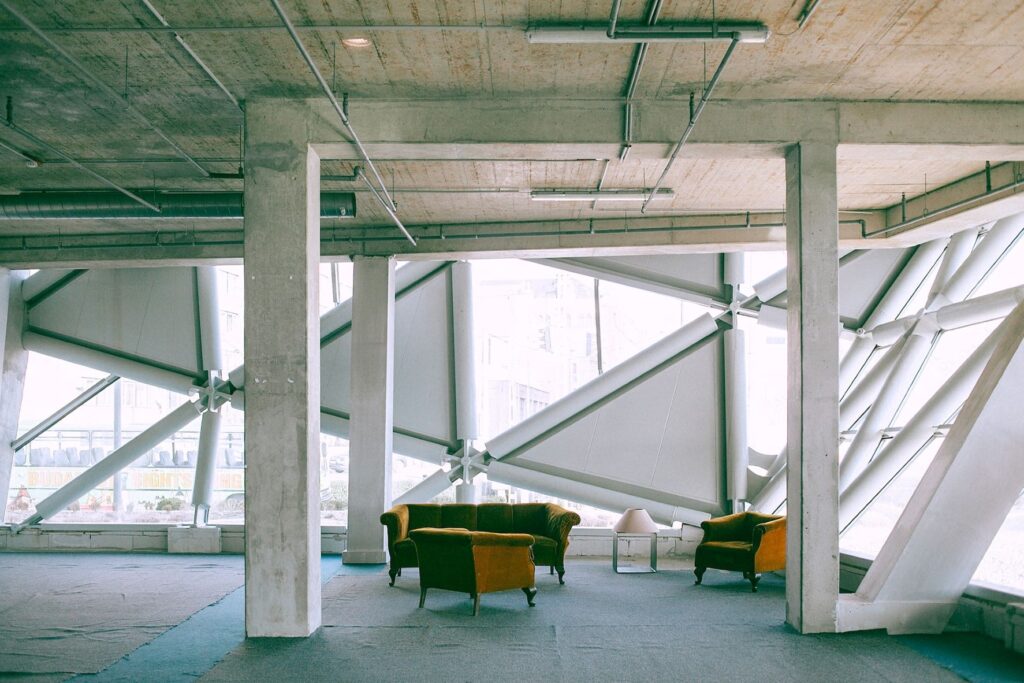
Many modern designers get ideas from the city’s creative culture and its long history of guilds and crafts. The spaces have the feel of a luxury hotel because of these features and the international brand furniture.
ranging from private to public
Modern organizations must be open to different ways of working so that employees can be as productive as possible and everyone can work how they want to. Operators have set up hotels this way for a long time, with public spaces for socializing like restaurants and bars, semi-private spaces that are part of the public space but feel private, and private spaces like guest rooms.
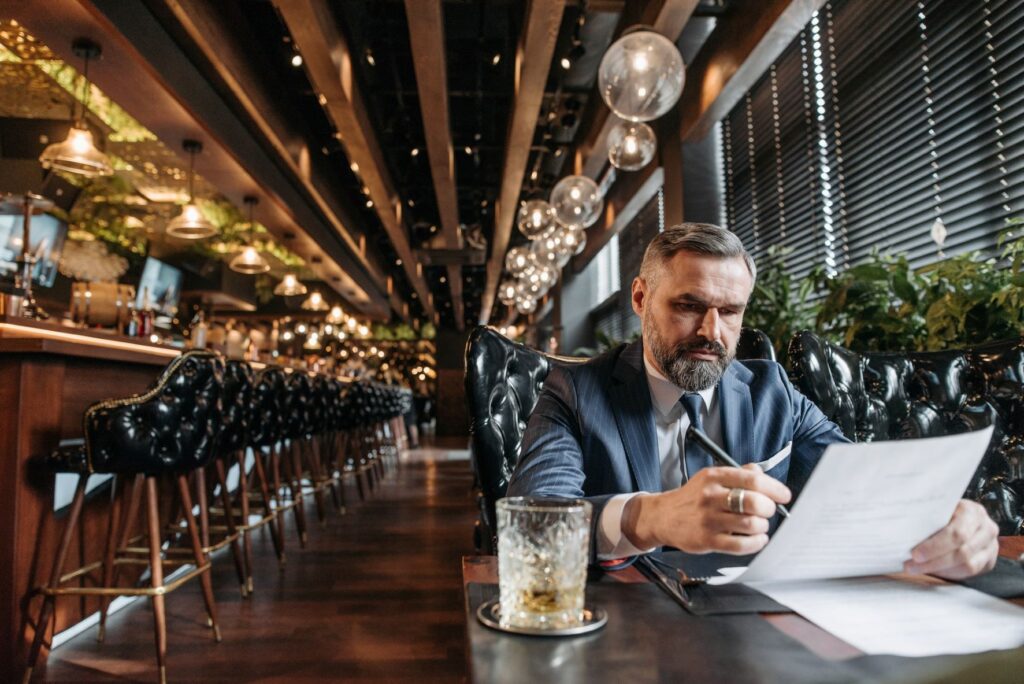
To get people back to work, offer different ways to work, like an open communal workspace, a central coffee bar that turns into a cocktail bar in the evening, semi-private arched recesses, and private conference and meeting rooms. Each location is versatile, enabling employees to work alone, collaborate, or socialize. Architectural designers should carefully prepare tech-ready spaces with cameras, wi-fi, microphones, speakers, and displays to make it easy to hold hybrid meetings.
The Lighting’s performance In An Office Design
Hotels and bars know that lighting is essential for setting the right mood and giving customers a choice of settings to meet their needs. Modern workplaces that want to attract people with varying styles of work and preferences must also pay attention to lighting. Work with an architect or consultant who knows a lot about lighting to come up with a better plan than the typical office design layout. Warmer tones affect the consumers’ experience and expectations of the place. People often see these types of lighting strategies in hospitality or residential projects. Architects light each area to fit its purpose, with bright lights for places where people gather and softer, more private lights for work sites.
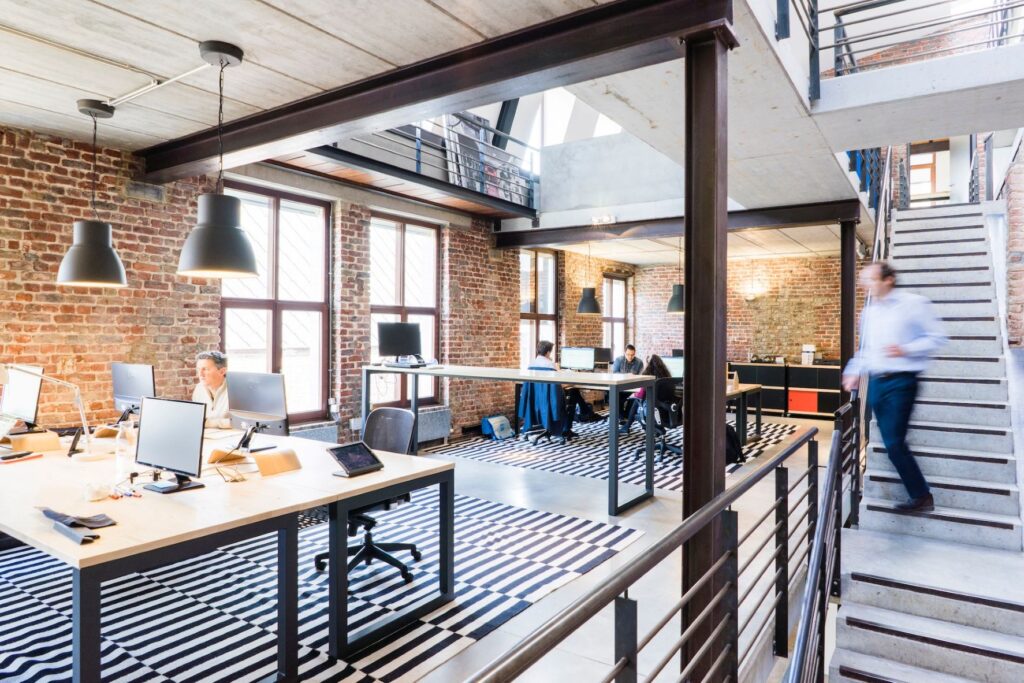
Workplaces can adopt several ideas from the hotel business. The best new places to work and meet may go above and beyond, taking the best ideas from the hospitality industry. Consequently, they are making a new purpose-built, high-end space for new ways to work and get together.