












- Small resorts often create stronger guest connections through scale, intimacy, and personalization.
- Human-scale planning allows guests to engage more naturally with architecture, landscape, and place.
- Boutique hospitality increasingly prioritizes memorable experiences over the size of facilities.
- Smaller resorts can integrate more effectively with natural environments and local contexts.
- The future of luxury hospitality may be defined less by scale and more by quality of experience.
The hospitality industry has long associated success with scale. Larger properties often promised more amenities, more rooms, and more extensive facilities. Yet many of the world’s most memorable hospitality experiences emerge from a different approach. Increasingly, travelers are discovering that smaller resorts often leave a stronger impression than their larger counterparts.
This shift reflects changing expectations. Today’s guests increasingly value privacy, authenticity, personalization, and meaningful connections to places. These priorities align closely with the principles of small resort design, where architecture, operations, and landscape work together to create experiences that feel personal rather than institutional.
Rather than competing through size alone, small resorts succeed by creating environments that guests remember long after their stay has ended.
Why Scale Changes the Guest Experience
The size of a resort directly influences how guests experience it.
Large resorts often require extensive circulation networks, multiple transportation systems, and large-scale operational infrastructure. While these facilities can accommodate thousands of guests efficiently, they may also create environments that feel more complex and less personal.
Small resorts operate differently. Guests can often move comfortably between accommodations, dining areas, wellness facilities, and outdoor spaces without long travel distances or complicated navigation. The entire property becomes easier to understand and experience.
This accessibility creates a stronger sense of familiarity. Guests quickly become comfortable within the environment, allowing them to focus on relaxation and enjoyment rather than orientation and logistics.
In hospitality design, convenience often contributes as much to satisfaction as luxury itself.
Human-Scale Planning and Architecture
Human-scale planning remains one of the greatest advantages of small resort design.
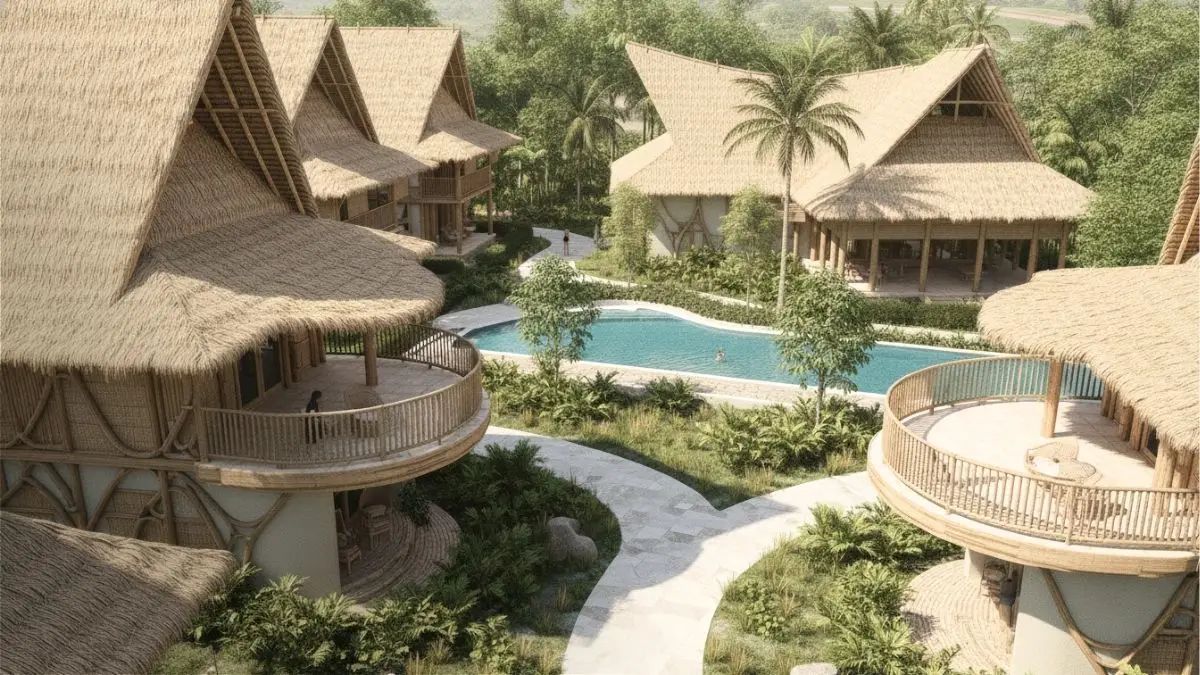
Architecture can respond more directly to the landscape, topography, and natural features of a site. Buildings can be arranged to preserve views, frame outdoor spaces, and strengthen connections to the surrounding environment. Instead of creating a single large complex, smaller resorts often develop as clusters of villas, pavilions, or guest accommodations woven into the landscape.
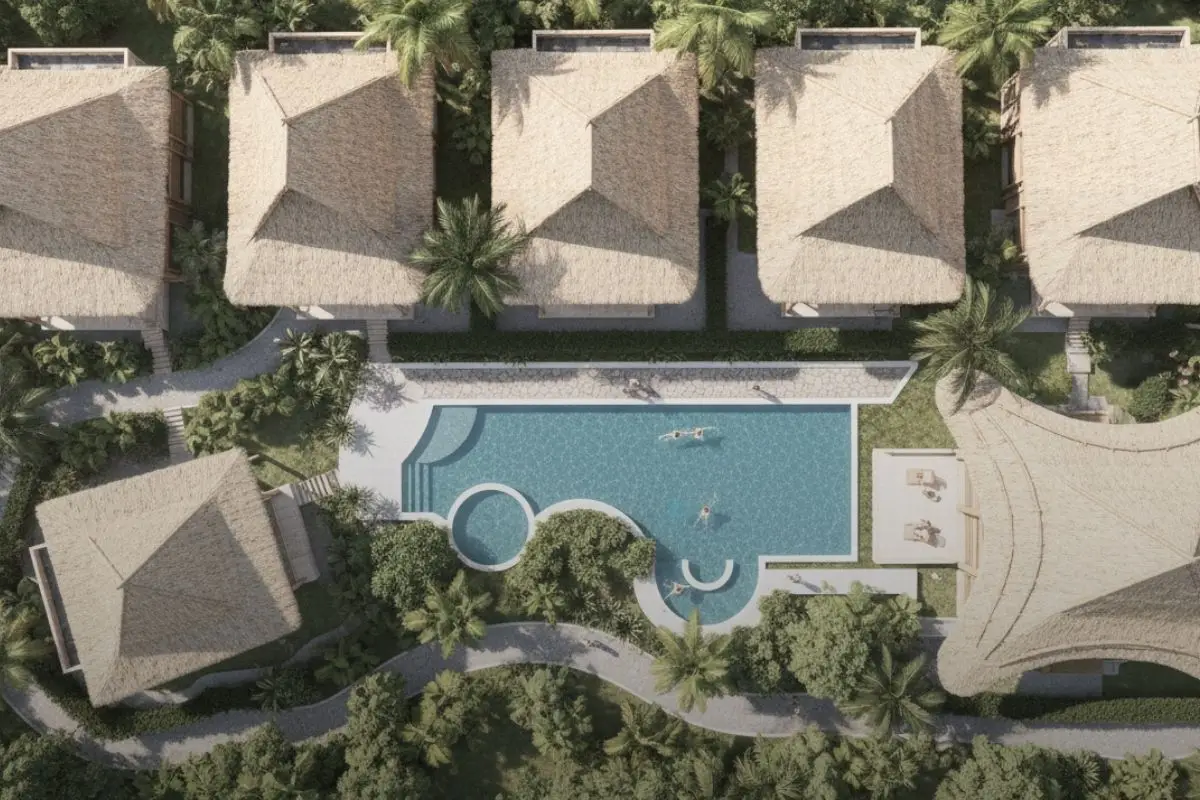
This approach encourages a more intimate relationship between guests and their surroundings. Outdoor paths feel more inviting. Gardens become part of the daily experience. Public spaces remain comfortable because they are scaled to the number of people using them.
Many successful boutique resorts achieve a sense of luxury not through monumental architecture, but through carefully considered proportions and thoughtful planning.
Personalized Service as a Competitive Advantage
Hospitality is ultimately about people.
One of the most significant advantages of smaller resorts is their ability to provide highly personalized service. With fewer guests and more manageable operations, staff can develop stronger relationships and respond more effectively to individual preferences.
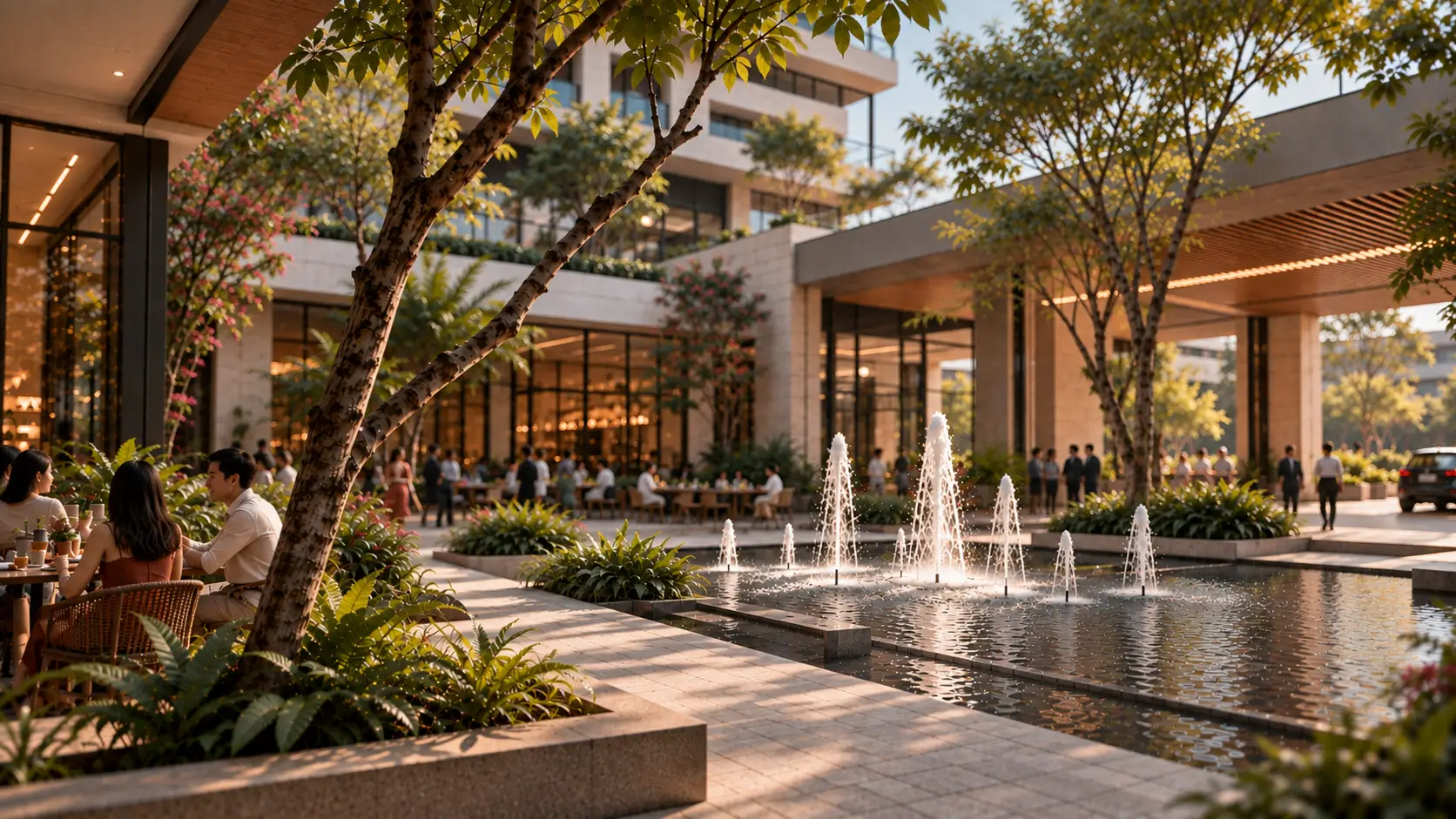
Architecture supports this advantage by creating spaces that encourage interaction while preserving privacy. Reception areas become welcoming rather than transactional. Dining spaces feel intimate rather than crowded. Guest accommodations maintain a sense of exclusivity that is often difficult to achieve in larger properties.
The result is an experience that feels tailored rather than standardized.
For many travelers, these personal connections become some of the most memorable aspects of a stay.
Landscape Integration and Sense of Place
Many small resorts succeed because they allow the landscape and destination itself to become part of the guest experience.
Rather than dominating a site, smaller hospitality developments often adapt to existing terrain, vegetation, and environmental conditions. Buildings can be positioned to follow natural contours, preserve mature trees, and maximize connections to views, water features, or coastal environments.
This approach is particularly relevant in the Philippines, where destinations such as Palawan, Siargao, Bohol, and Batangas derive much of their appeal from their natural settings. Resorts that work with these conditions rather than against them often create more authentic and memorable experiences.
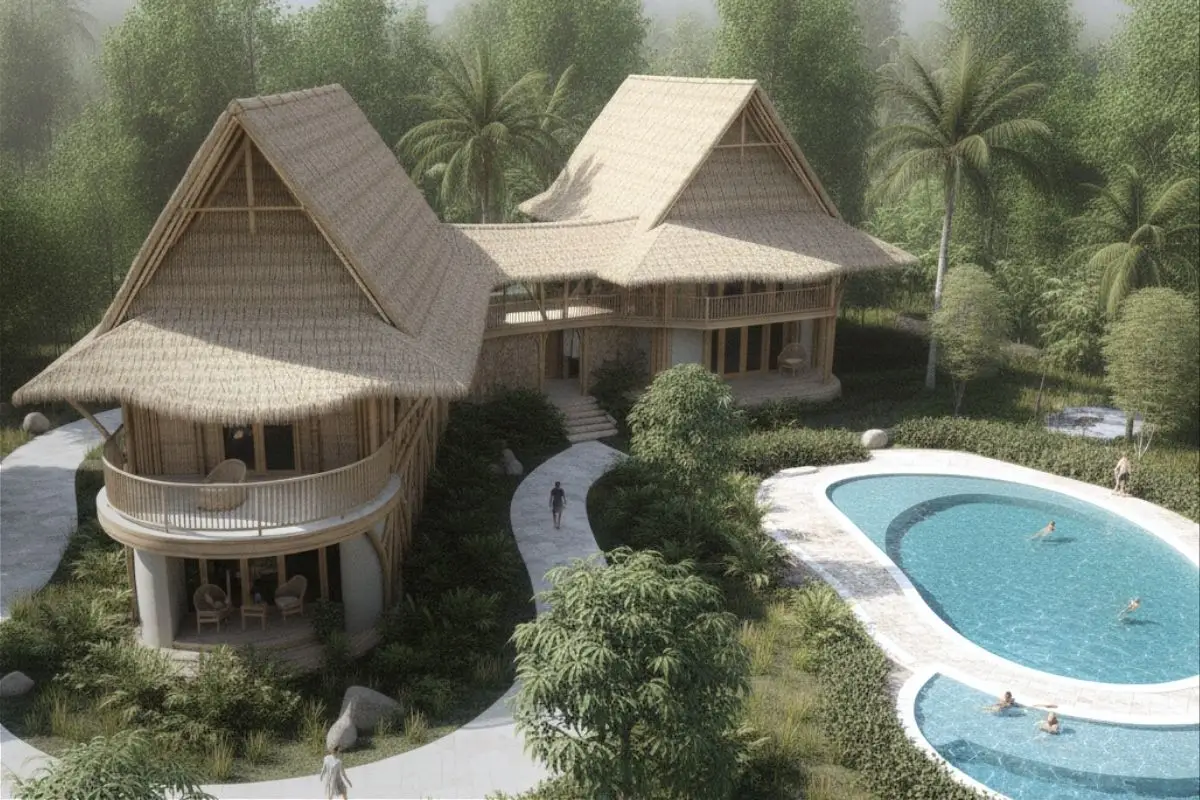
Smaller resorts also tend to integrate more naturally into existing tourism ecosystems and local communities. Unlike large-scale developments that may require extensive infrastructure and operate as largely self-contained environments, boutique resorts often benefit from their proximity to local restaurants, cultural attractions, outdoor activities, and community-based tourism experiences.
This relationship can create value for both guests and destinations. Visitors gain a deeper understanding of the places they visit, while local businesses and service providers become part of the broader hospitality experience. In many cases, the appeal of a small resort extends beyond the property itself, allowing the surrounding community, landscape, and culture to contribute to the guest journey.
For developers, this creates additional flexibility during site selection and planning. Smaller properties can succeed on sites that may not support large-scale hospitality projects while still creating memorable and economically viable destinations.
Guests may remember a sunrise view from a hillside villa, a local café discovered during a morning walk, a garden path shaded by mature trees, or an afternoon spent exploring nearby attractions. These experiences emerge from thoughtful planning and strong connections to place rather than the scale of the development itself.
Operational Flexibility and Long-Term Adaptability
Smaller hospitality properties often benefit from greater operational flexibility.
New amenities can be introduced gradually. Guest experiences can evolve in response to market trends. Spaces can be adapted more easily as hospitality expectations change. This flexibility allows resort operators to remain responsive without undertaking major redevelopment efforts.
From an architectural perspective, smaller projects can also phase growth more effectively. Additional villas, wellness facilities, or recreational spaces can be integrated over time while preserving the original character of the property.
This adaptability supports long-term viability and helps smaller resorts remain competitive in a rapidly evolving hospitality market.
The Future of Boutique Hospitality
The continued growth of boutique hospitality suggests that travelers increasingly value quality of experience over quantity of amenities.
This does not mean large resorts will disappear. Many destinations continue to support large-scale hospitality developments successfully. However, smaller resorts offer a different proposition. They provide intimacy, authenticity, and stronger connections to both place and people.
As travel preferences continue evolving, small resort design is likely to remain an important part of the hospitality landscape. Guests increasingly seek environments that feel distinctive rather than interchangeable, personal rather than anonymous, and connected rather than isolated.
The most memorable hospitality experiences are rarely defined by the number of rooms alone. They emerge from the relationship between guests, architecture, landscape, and the destination itself. Through thoughtful planning, landscape integration, and human-scale design, small resorts continue demonstrating that meaningful hospitality often thrives at a more intimate scale.
Small resort design focuses on boutique hospitality environments that prioritize intimacy, personalized experiences, and strong connections to place.
Many travelers increasingly value privacy, authenticity, personalized service, and memorable experiences over large-scale amenities.
Architecture shapes circulation, views, privacy, landscape integration, and how guests interact with the property throughout their stay.
Not necessarily. However, smaller developments can often adapt more easily to site conditions and may require less extensive infrastructure.
Thoughtful hospitality design begins with understanding how guests experience a place. At Fulgar Architects, we design resorts, villa communities, and hospitality developments that balance architecture, landscape, operations, and long-term value. Explore our hospitality design services or connect with our team to discuss future resort and tourism projects.