












- Innovation districts bring together universities, research institutions, businesses, housing, and public spaces to encourage collaboration and long-term economic growth.
- Successful urban design prioritizes connectivity, walkability, and mixed-use environments that promote interaction between education, industry, and the wider community.
- Flexible public spaces and adaptable buildings allow innovation districts to evolve alongside changing technologies and business needs.
- Well-planned innovation districts attract investment while strengthening talent retention, entrepreneurship, and knowledge exchange.
- As Philippine cities continue to diversify their economies, innovation districts offer a model for sustainable urban development driven by collaboration rather than isolated projects.
Economic growth is increasingly shaped by knowledge, technology, and collaboration rather than by industrial production alone. Around the world, cities are investing in innovation districts that bring together universities, research institutions, businesses, startups, housing, and public spaces within a connected urban environment. Rather than separating these activities across distant campuses or isolated business parks, innovation districts encourage people, ideas, and industries to interact throughout the course of everyday city life.
Unlike developments centered around a single commercial estate or landmark project, innovation districts grow through relationships. Researchers collaborate with entrepreneurs, students interact with established industries, and public spaces become informal meeting places where ideas are exchanged beyond conference rooms and laboratories. Urban design provides the physical framework that makes these interactions possible.
For the Philippines, where expanding universities, technology sectors, healthcare institutions, and creative industries continue to reshape urban economies, innovation districts represent an opportunity to create places that support both economic competitiveness and vibrant community life.
Innovation Happens Through Proximity
Ideas rarely develop in isolation. Many of the world’s most successful innovation ecosystems thrive because people from different disciplines encounter one another regularly through work, education, recreation, and everyday urban activity.
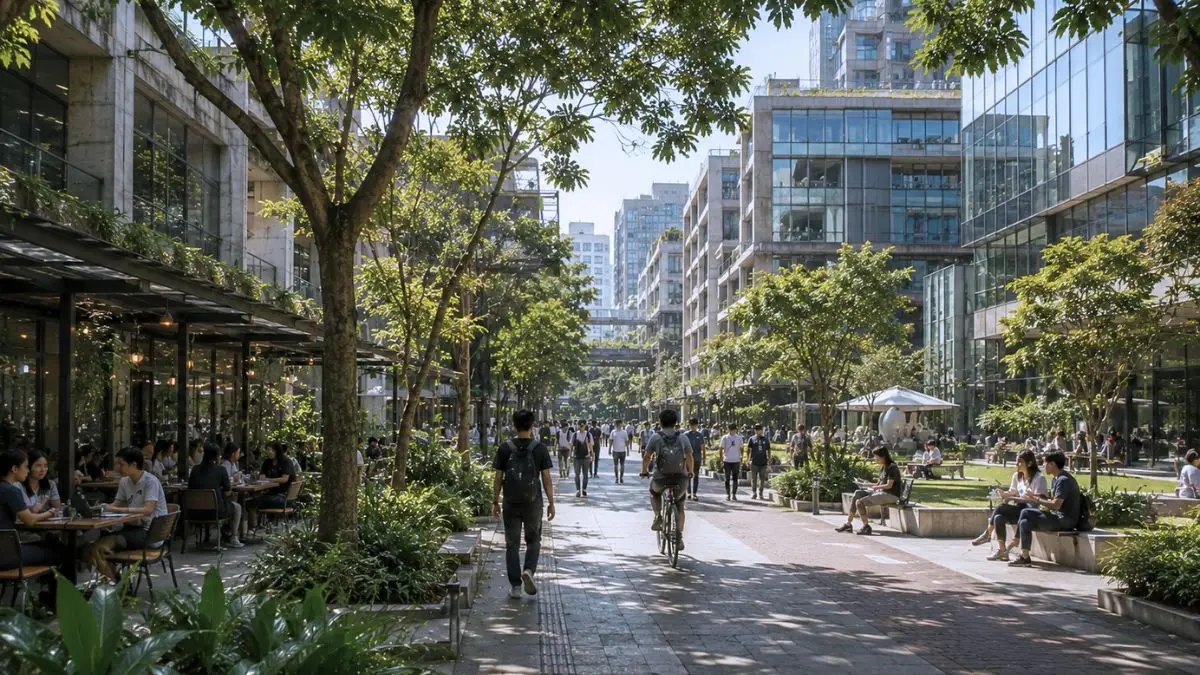
Urban design encourages these interactions by reducing the physical distance between complementary uses. Universities, research facilities, office spaces, incubators, residential developments, retail establishments, and civic amenities are planned within walkable neighborhoods that promote continuous movement throughout the day.
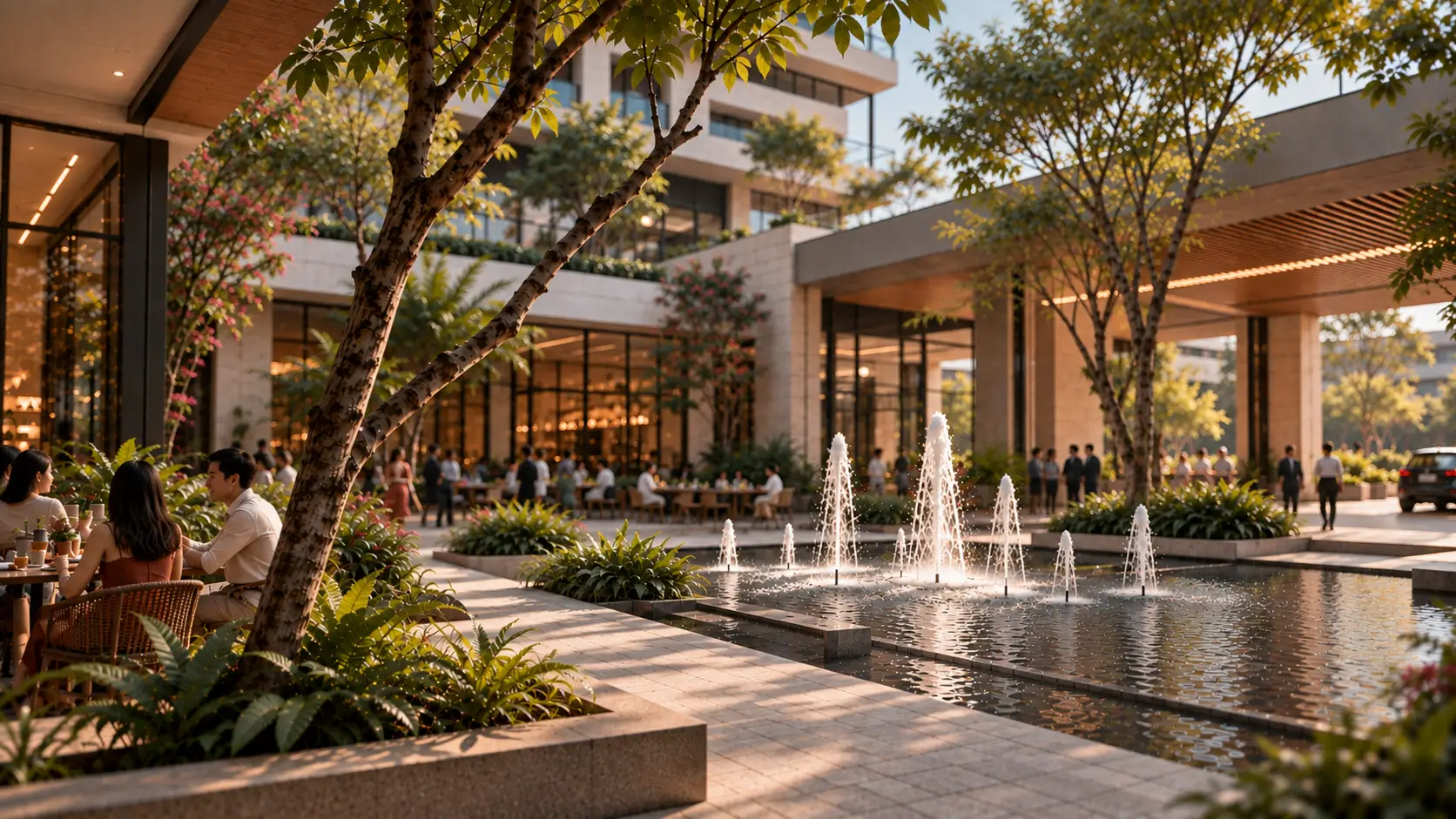
Instead of concentrating activity within a single building, innovation districts distribute opportunities for collaboration across an entire urban environment. Cafés, public plazas, landscaped open spaces, and shared facilities become extensions of the workplace where conversations, partnerships, and new ideas develop naturally.
Mixed-Use Planning Creates Active Urban Environments
Innovation districts remain active because they support multiple aspects of daily life rather than serving only one purpose. People live, work, study, shop, and gather within the same district, creating continuous activity beyond traditional office hours.
Mixed-use planning also improves convenience. Researchers can walk from laboratories to meeting spaces, entrepreneurs can access professional services nearby, and residents benefit from having employment opportunities, amenities, and public transportation within easy reach. This diversity of uses creates resilient neighborhoods that continue functioning even as individual industries evolve.
In Philippine cities where land availability and infrastructure capacity require efficient development patterns, mixed-use innovation districts maximize both accessibility and long-term urban value while reducing dependence on private vehicles.
Walkability Encourages Collaboration
Physical proximity alone does not guarantee interaction. The quality of movement between destinations plays an equally important role in shaping successful innovation districts.
Comfortable sidewalks, shaded streets, safe intersections, bicycle infrastructure, and well-designed public transportation connections encourage people to move through the district on foot. These journeys create opportunities for unplanned encounters that often lead to professional collaboration and community engagement.
Public spaces strengthen this network by providing places where people naturally gather between meetings, classes, or work sessions. Small plazas, landscaped courtyards, pocket parks, and outdoor seating areas become valuable components of the innovation ecosystem, supporting conversations that may never occur within formal office environments.
Flexible Urban Design Supports Long-Term Growth
Innovation districts are designed to evolve rather than remain fixed. New industries emerge, research priorities shift, businesses expand, and technologies rapidly transform how people work and collaborate. Urban design must therefore provide a framework that accommodates change without requiring an entirely new plan every few years.
Flexible building typologies, adaptable public spaces, and phased development strategies allow districts to respond to changing economic conditions while maintaining a cohesive identity. Older industrial buildings may be repurposed into innovation hubs, office spaces can accommodate new business models, and mixed-use developments can evolve alongside growing populations without disrupting the surrounding community.
This adaptability makes innovation districts resilient investments. Rather than depending on a single anchor tenant or industry, they create environments where multiple sectors can grow together over time.
Public Spaces Strengthen Knowledge Communities
While laboratories, universities, and office buildings provide places to work, innovation often develops through informal interaction. Public spaces create opportunities for conversations that extend beyond scheduled meetings, encouraging collaboration between individuals who may otherwise never meet.
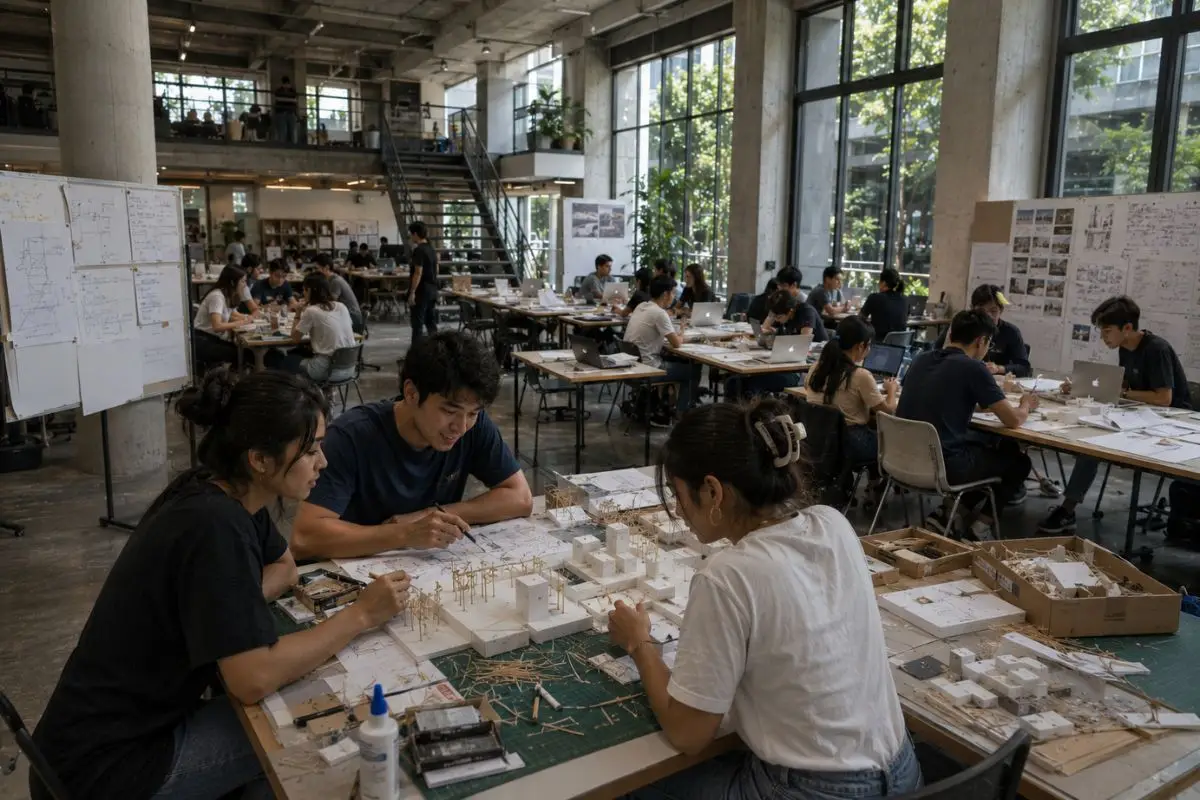
Parks, plazas, outdoor workspaces, cafés, cultural venues, and community facilities contribute to a district’s social infrastructure just as much as roads and utilities contribute to its physical infrastructure. These environments support networking, public events, educational activities, and community engagement while making the district attractive to both businesses and residents.
For innovation districts to thrive, they must remain welcoming to a broad range of users rather than functioning as exclusive corporate campuses. The integration of public life with education, research, and commerce creates neighborhoods that remain active throughout the day while strengthening connections between institutions and the communities they serve.
Innovation Districts Can Shape the Future of Philippine Cities
Several Philippine cities already possess many of the ingredients necessary for successful innovation districts. Major universities, research institutions, healthcare facilities, business centers, government agencies, and expanding technology industries often exist within relatively close proximity. The opportunity lies in strengthening the urban connections between these assets rather than treating them as isolated destinations.
Improved walkability, integrated public transportation, mixed-use development, and thoughtfully designed public spaces can transform existing urban areas into environments that encourage collaboration while supporting sustainable economic growth. Rather than expanding outward indefinitely, cities can build upon existing strengths through coordinated urban design that prioritizes connectivity and long-term resilience.
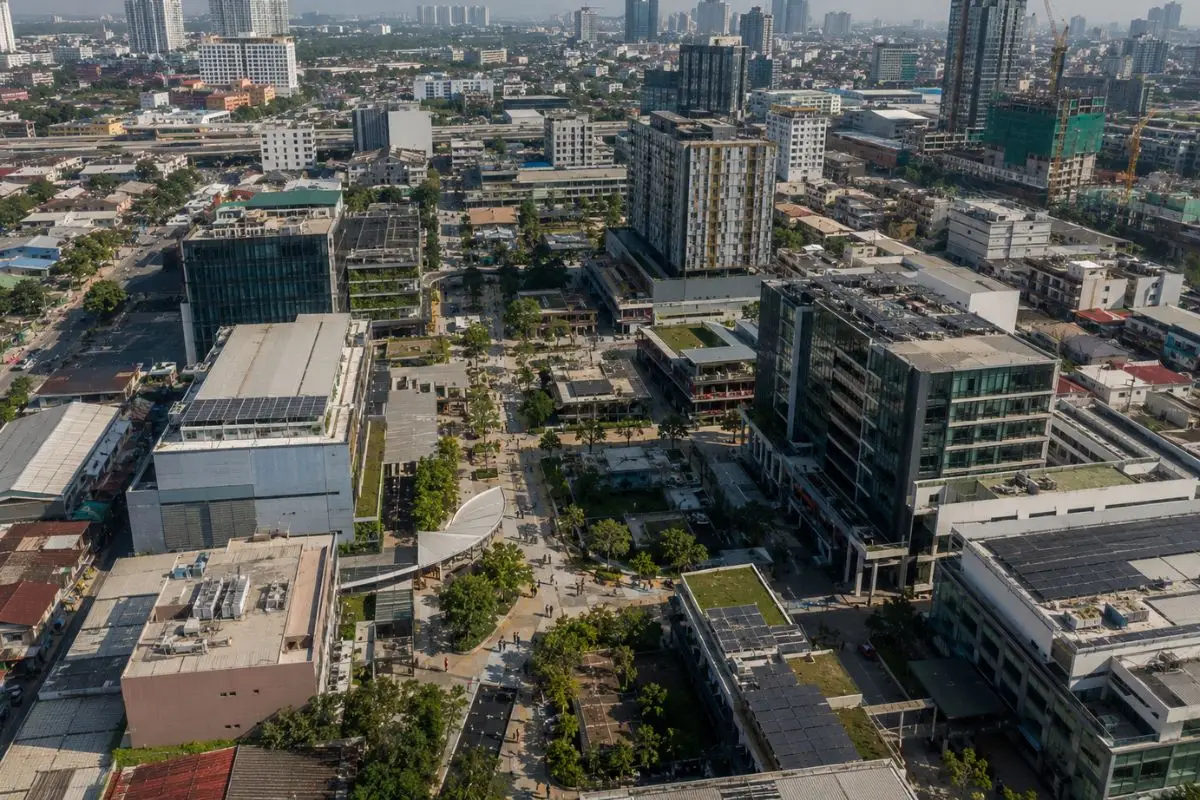
As investment increasingly favors knowledge-based industries, innovation districts provide a framework for creating places where education, enterprise, and community life reinforce one another. The result is an urban environment that supports not only business growth but also higher quality of life for the people who live, work, study, and innovate within it.
An innovation district is a mixed-use urban area where universities, research institutions, businesses, housing, and public spaces are integrated to encourage collaboration, entrepreneurship, and long-term economic development.
Urban design creates walkable, connected environments that encourage interaction between education, industry, and the wider community while supporting flexible long-term growth.
Mixed-use planning keeps districts active throughout the day by combining workplaces, housing, retail, education, and public amenities within convenient walking distances.
As Philippine cities continue expanding their knowledge economy, innovation districts offer a sustainable approach to urban development by connecting existing educational institutions, businesses, and public spaces into collaborative environments.
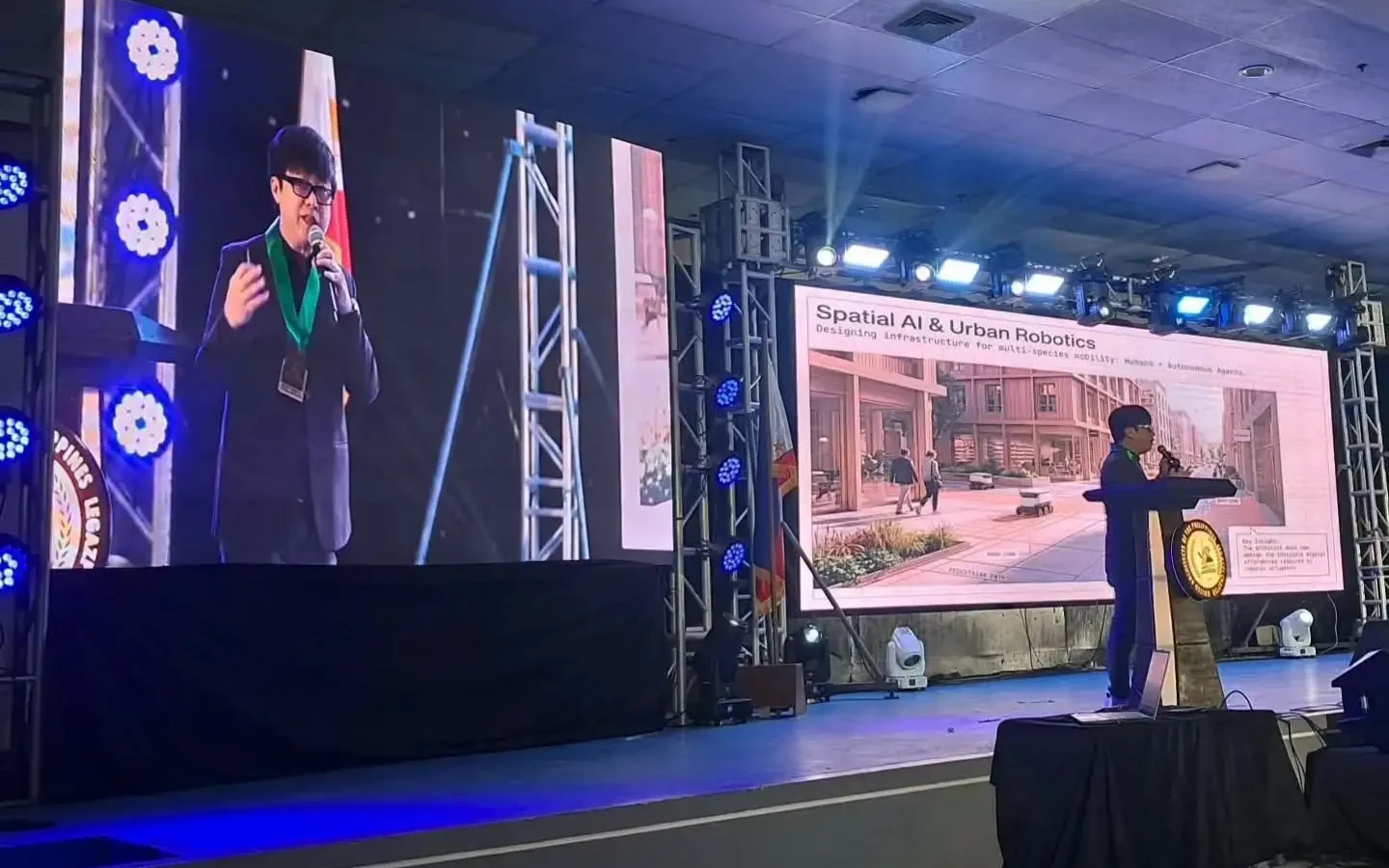
As cities continue competing for investment, talent, and innovation, thoughtful urban design is becoming an increasingly important economic strategy. By creating connected environments where education, enterprise, research, and community life develop together, Fulgar Architects helps shape places designed to support long-term growth, collaboration, and resilient urban development.