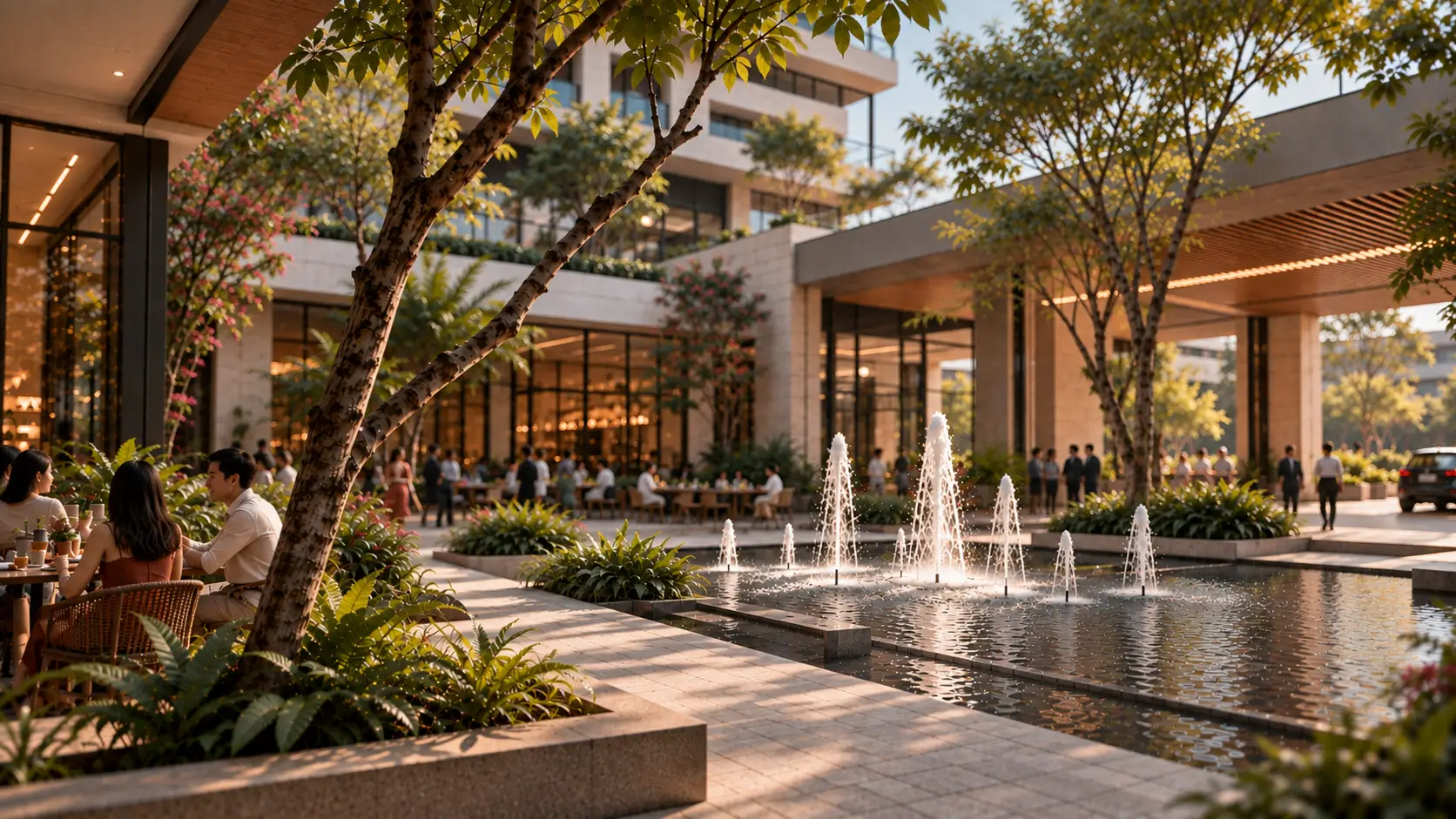













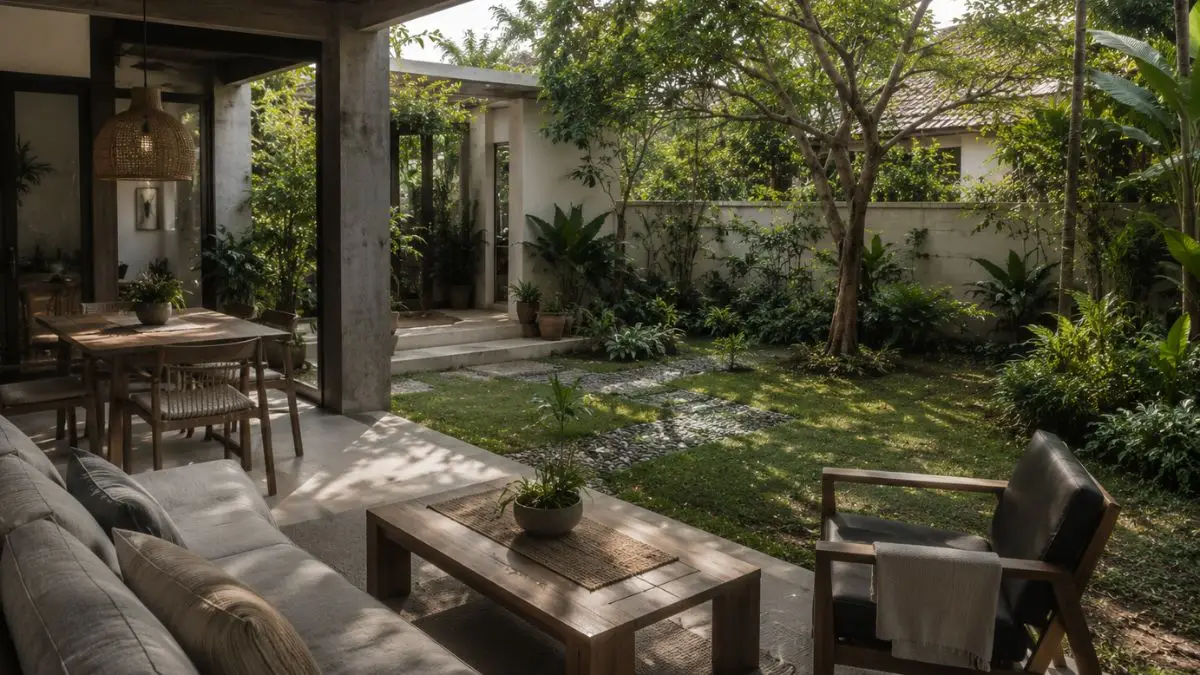
- Outdoor living Philippines is becoming an increasingly important consideration in contemporary residential architecture.
- Terraces, pocket gardens, courtyards, and shaded outdoor spaces improve comfort while strengthening the connection between homes and nature.
- Climate-responsive outdoor environments support healthier lifestyles, passive cooling, and greater everyday flexibility.
- Modern homeowners increasingly value experience-driven living over simply maximizing indoor floor area.
- Well-designed outdoor spaces enhance long-term residential value while responding to the realities of tropical living.
The way Filipinos use their homes continues to evolve alongside changing lifestyles, growing environmental awareness, and a renewed appreciation for everyday wellbeing. While interior spaces remain essential, homeowners are increasingly recognizing that some of the most meaningful moments of daily life occur just beyond the walls of the house. As a result, outdoor living in the Philippines has become a defining trend in contemporary residential architecture.
Rather than viewing terraces, gardens, and courtyards as optional amenities, architects now integrate these spaces into the overall living experience. Covered patios become extensions of family rooms, landscaped courtyards introduce natural light into the home, and shaded outdoor lounges provide comfortable environments for relaxation, entertaining, and remote work.
This shift reflects a broader understanding that residential quality is measured not only by interior square footage but also by the experiences a home creates throughout the day.
Outdoor Spaces Extend Everyday Living
One of the greatest advantages of tropical residential architecture is the ability to comfortably use outdoor environments for much of the year. Instead of limiting daily activities to enclosed rooms, homeowners can expand their living spaces through carefully designed exterior environments.
Covered terraces allow families to enjoy meals outdoors while remaining protected from direct sunlight and seasonal rain. Pocket gardens provide visual relief within compact urban lots. Internal courtyards improve ventilation while creating private outdoor retreats that remain connected to surrounding living spaces.
Rather than functioning as separate areas, these outdoor environments become natural extensions of the home’s primary living spaces, making residences feel larger, more adaptable, and more enjoyable without significantly increasing building size.
Designing for the Philippine Climate
The growing emphasis on outdoor living in the Philippines is closely connected to climate-responsive architectural design. Instead of treating tropical conditions as obstacles, contemporary residential planning embraces them through thoughtful orientation, shading, and natural ventilation strategies.
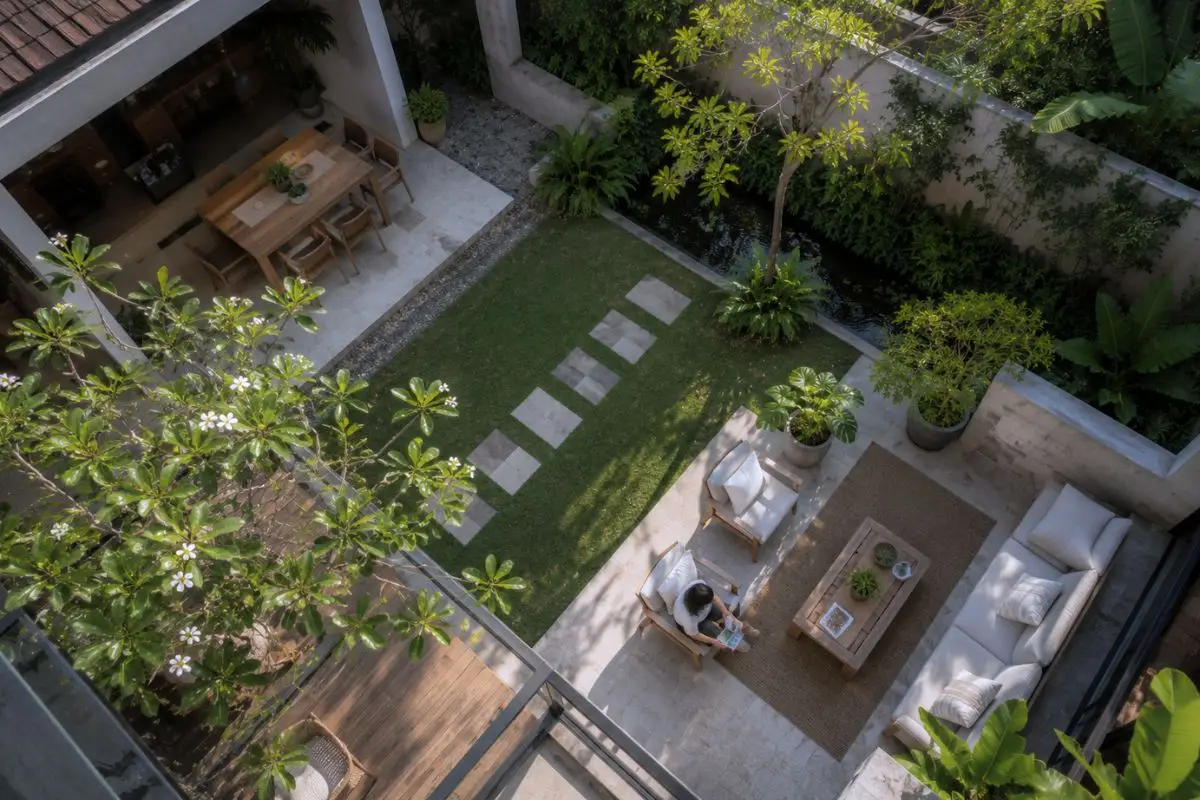
Deep roof overhangs, covered walkways, pergolas, operable screens, and carefully positioned vegetation create comfortable microclimates that encourage outdoor use throughout the day. Trees and landscaped gardens reduce surrounding temperatures while improving air quality and visual comfort.
These passive design strategies also reduce dependence on mechanical cooling by improving airflow between indoor and outdoor environments. As sustainability becomes an increasingly important consideration, outdoor spaces contribute not only to lifestyle but also to long-term residential performance.
Health and Wellbeing Shape Residential Priorities
The increasing emphasis on outdoor living is also influenced by changing expectations around health and everyday wellbeing. Homes are no longer viewed simply as places for rest between workdays. They have become environments that support exercise, relaxation, family interaction, and personal reflection.
Outdoor seating areas provide quiet spaces for reading or remote work. Landscaped gardens encourage children to spend more time outside while giving adults opportunities to reconnect with nature without leaving home. Even compact residential properties can benefit from small pocket gardens or planted courtyards that introduce natural light, greenery, and improved air circulation into daily life.
These spaces contribute to a healthier residential environment by encouraging movement, reducing feelings of enclosure, and creating stronger connections between architecture and the surrounding landscape.
Flexible Outdoor Areas Support Modern Lifestyles
As lifestyles continue to evolve, outdoor spaces have become increasingly adaptable rather than serving a single purpose. A covered terrace may function as a family dining area during weekends, an outdoor workspace during weekdays, and an entertainment space for guests during special occasions.
This flexibility allows homeowners to maximize the usability of their property without significantly increasing the building footprint. Sliding glass doors, retractable shading systems, movable furniture, and seamless transitions between indoor and outdoor flooring further enhance this adaptability.
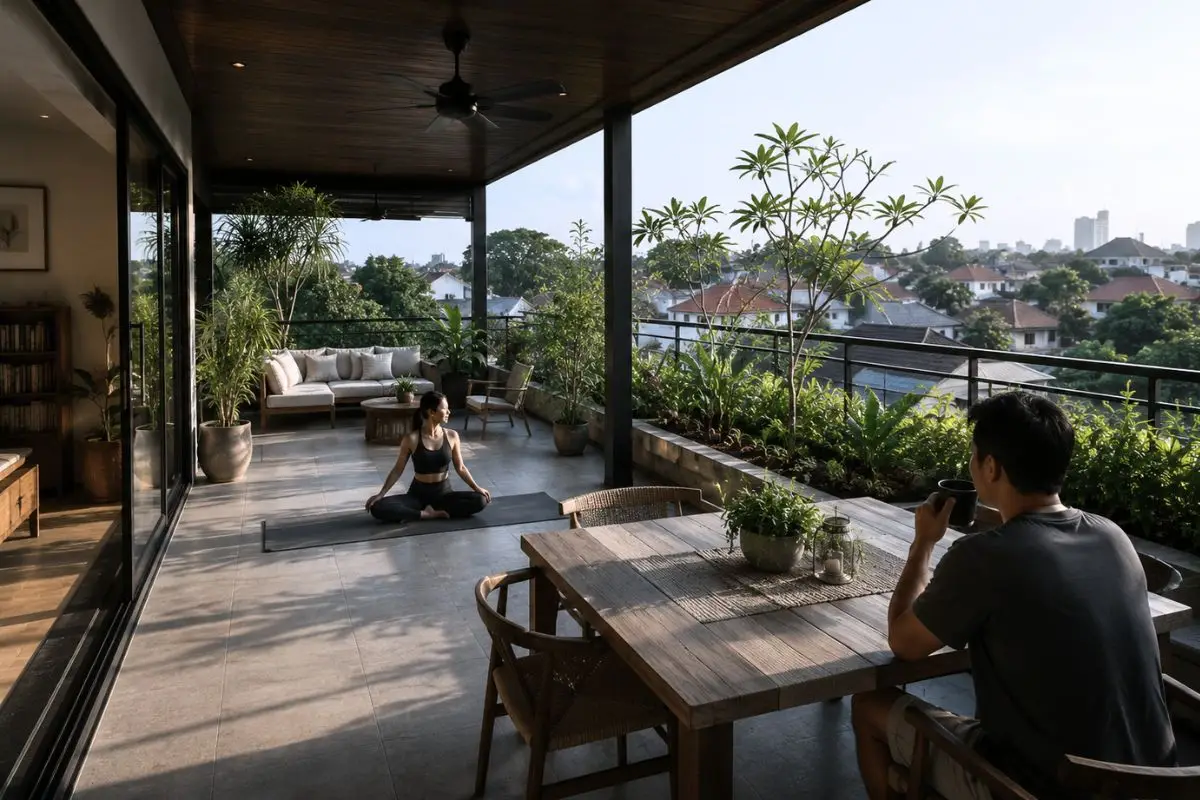
Rather than creating separate environments, contemporary residential architecture encourages continuous movement between interior and exterior spaces. This integrated approach makes homes feel more spacious while allowing occupants to enjoy changing weather conditions, natural daylight, and surrounding landscapes throughout the day.
Outdoor Spaces Add Long Term Residential Value
Well-designed outdoor environments contribute not only to everyday comfort but also to the long-term appeal of a residence. Buyers increasingly recognize that thoughtfully integrated gardens, courtyards, terraces, and shaded gathering areas provide benefits that extend beyond aesthetics.
Homes with meaningful outdoor spaces often feel more welcoming, more adaptable, and better suited to tropical living. These qualities become particularly valuable in urban environments where access to private green space is increasingly limited.
For architects, designing outdoor areas as essential components of the home rather than secondary additions creates more resilient residential environments. The relationship between architecture, landscape, and climate becomes part of the property’s lasting identity, supporting both quality of life and long-term market value.
Outdoor Living Reflects the Future of Residential Design
As residential expectations continue to evolve, outdoor living is becoming a defining characteristic of contemporary Philippine architecture rather than a luxury reserved for larger homes. Regardless of property size, thoughtfully designed exterior spaces provide opportunities for healthier lifestyles, stronger family interaction, and more meaningful daily experiences.
Architects increasingly approach terraces, pocket gardens, courtyards, and shaded gathering areas as essential living environments that contribute to the overall performance of a home. When integrated from the earliest stages of planning, these spaces improve environmental comfort while creating residences that remain adaptable to changing lifestyles for many years.
The growing importance of outdoor living in the Philippines reflects a broader shift in residential priorities. Homeowners are no longer seeking larger houses alone. They are looking for environments that encourage wellbeing, strengthen connections with nature, and provide flexible spaces where everyday life can unfold more naturally.
Outdoor living responds to the country’s tropical climate while supporting healthier lifestyles, greater flexibility, improved comfort, and stronger connections between architecture and nature.
Modern homes increasingly incorporate covered terraces, pocket gardens, courtyards, landscaped patios, shaded outdoor lounges, and multifunctional gathering spaces.
Natural ventilation, landscape integration, shading, and seamless indoor-outdoor transitions create cooler, brighter, and more enjoyable living environments while reducing dependence on mechanical cooling.
Yes. Well-designed outdoor environments improve everyday functionality, enhance architectural appeal, and contribute to long-term residential desirability, particularly within tropical climates.
To explore how outdoor living Philippines can be thoughtfully integrated into your next residential development or private home, contact Fulgar Architects.