












- The modern Filipino dream home is increasingly shaped by comfort, flexibility, and quality of everyday living.
- Climate-responsive planning and spatial openness continue influencing residential preferences in the Philippines.
- Wellness, privacy, and hospitality-inspired environments are becoming more important to homeowners.
- Flexible layouts support changing family structures and hybrid lifestyles.
- Residential aspirations are shifting toward long-term livability rather than purely decorative features.
Residential Aspirations Are Changing
The idea of the Filipino dream home has evolved significantly over the past decade. While location, scale, and visual appeal remain important, many homeowners are placing greater value on how spaces support everyday comfort, wellness, and long-term livability.
Today, the modern Filipino dream home is increasingly defined by environmental comfort, flexibility, privacy, and stronger connections between indoor and outdoor spaces. These priorities reflect broader lifestyle shifts influenced by hybrid work arrangements, changing family dynamics, and a growing awareness of how architecture affects daily life.
Rather than focusing solely on visual prestige, many residential projects are now emphasizing quality of experience.
Comfort as a Design Priority
In tropical environments such as the Philippines, comfort is closely tied to architectural planning.
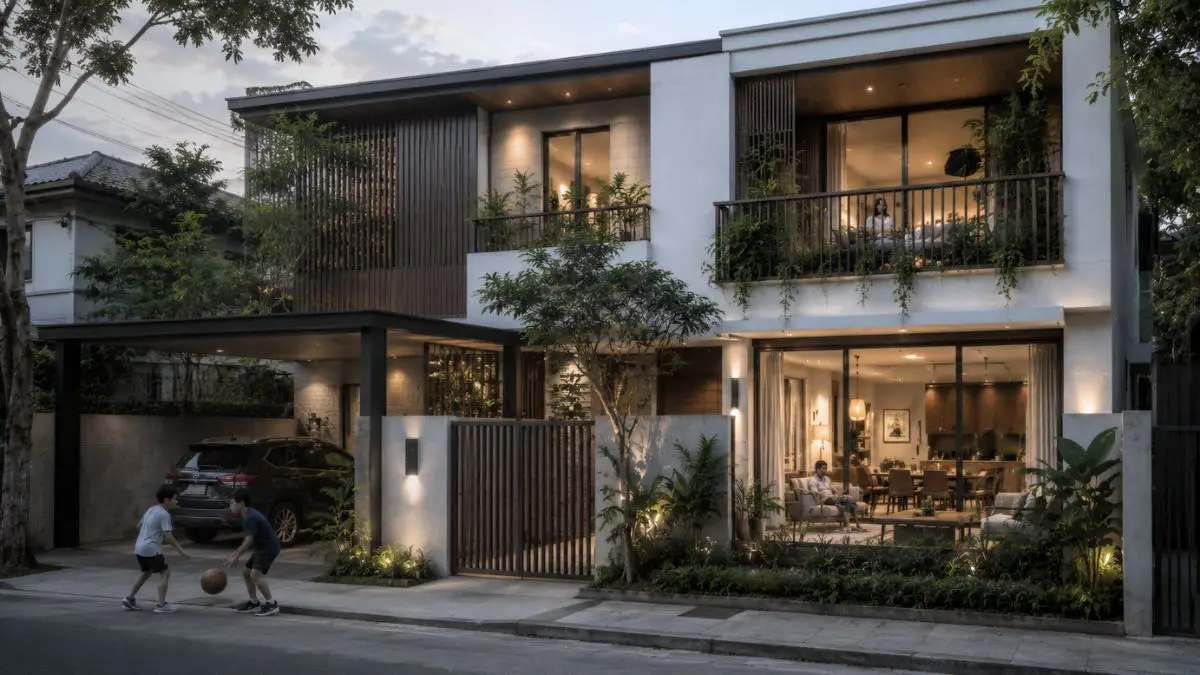
Natural ventilation, shaded outdoor areas, deep roof overhangs, and well-oriented living spaces contribute significantly to how homes perform throughout the day. Climate-responsive design strategies that once appeared secondary are now becoming central to residential decision-making.
Many homeowners are recognizing that a comfortable home depends not only on finishes and amenities, but also on how architecture responds to heat, airflow, light, and environmental conditions.
Within the modern Filipino dream home, comfort increasingly becomes part of the architecture itself rather than something achieved entirely through mechanical systems.
Open Yet Layered Living Spaces
Contemporary residential planning is also becoming more flexible.
Open layouts remain popular, yet many homeowners now seek spaces that balance openness with privacy and adaptability. Instead of fully enclosed rooms or completely open plans, homes are increasingly organized through layered transitions that allow spaces to expand or become more intimate depending on use.
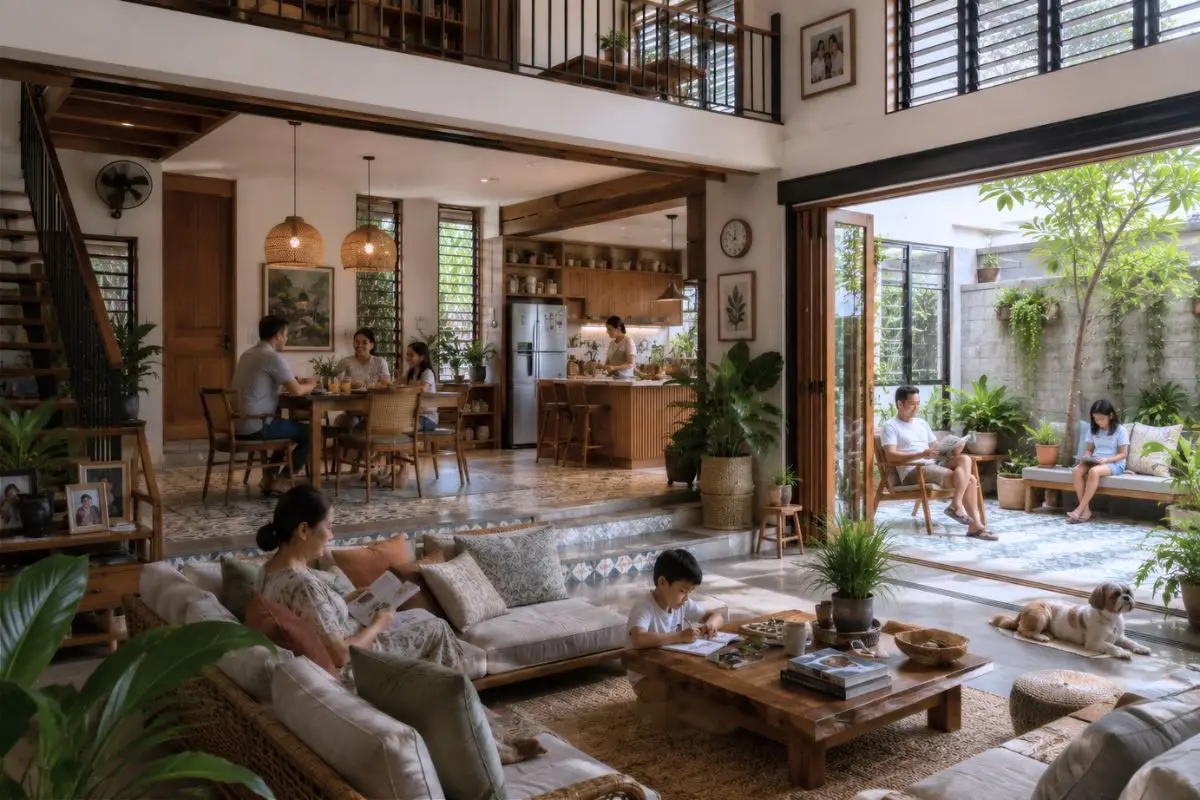
This flexibility is particularly important within multi-generational households, which remain common throughout the Philippines. Living environments that accommodate family interaction while still preserving personal privacy are becoming increasingly desirable.
The modern Filipino dream home often reflects this balance between shared experience and individual retreat.
Hospitality-Inspired Residential Environments
Many residential developments are also drawing influence from hospitality design.
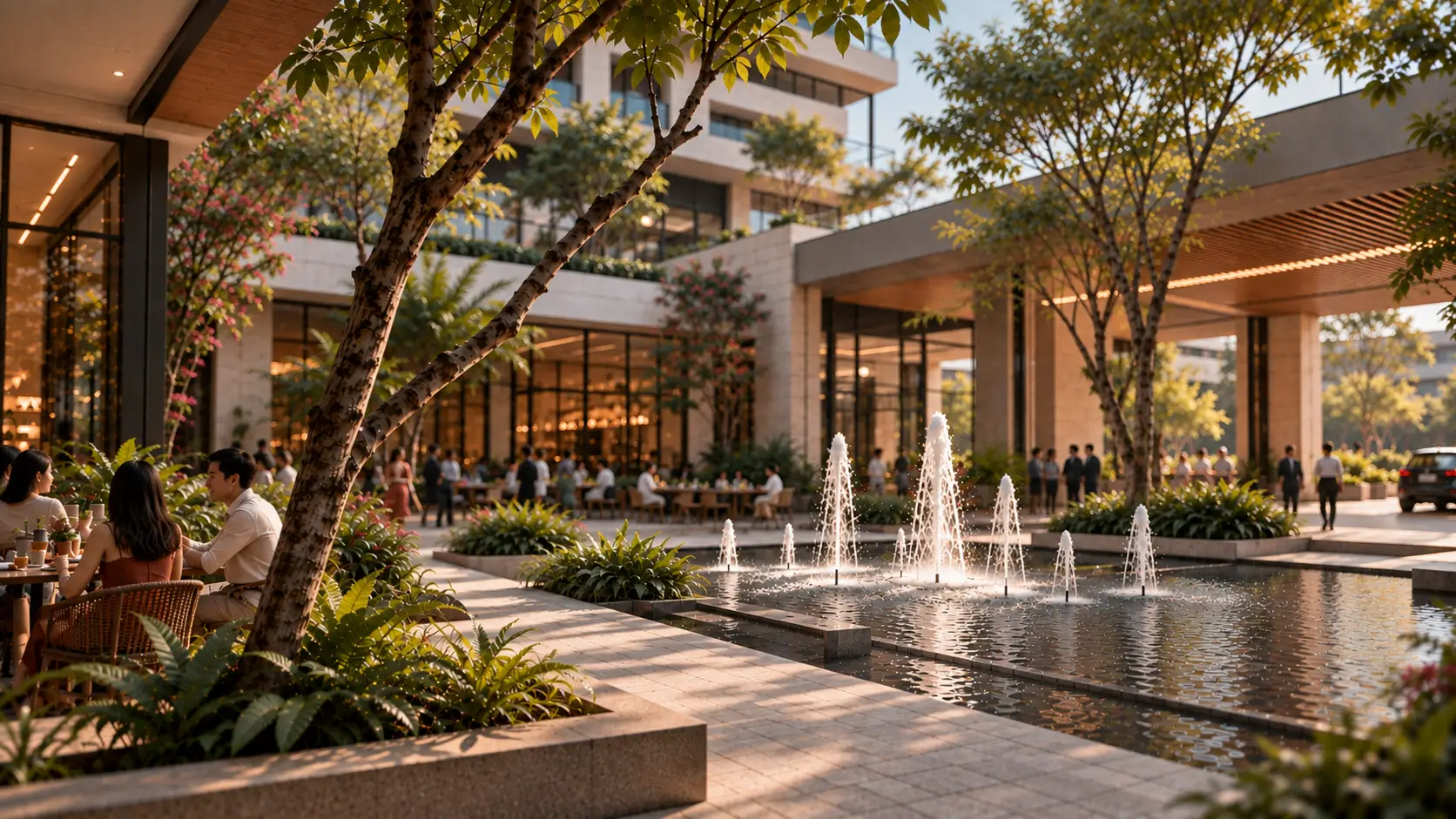
Arrival experiences, landscaped open spaces, wellness-oriented amenities, and calmer spatial atmospheres are becoming more common across contemporary residential projects. These elements contribute to environments that feel more considered and emotionally engaging.
Rather than functioning purely as decorative additions, hospitality-inspired features help shape how residents experience daily life within the development.
This shift reflects a broader change in residential expectations. Buyers are increasingly evaluating homes based not only on unit specifications, but also on the quality of the surrounding environment and the overall experience of living there.
Wellness and Everyday Living
Wellness has become an increasingly important factor in residential architecture.
Natural light, greenery, outdoor access, walkability, and quieter environments all contribute to healthier and more balanced living conditions. Many homeowners now prioritize spaces that support rest, focus, social interaction, and long-term well-being.
In urban areas throughout the Philippines, this often translates into stronger interest in developments that provide breathing space within dense environments.
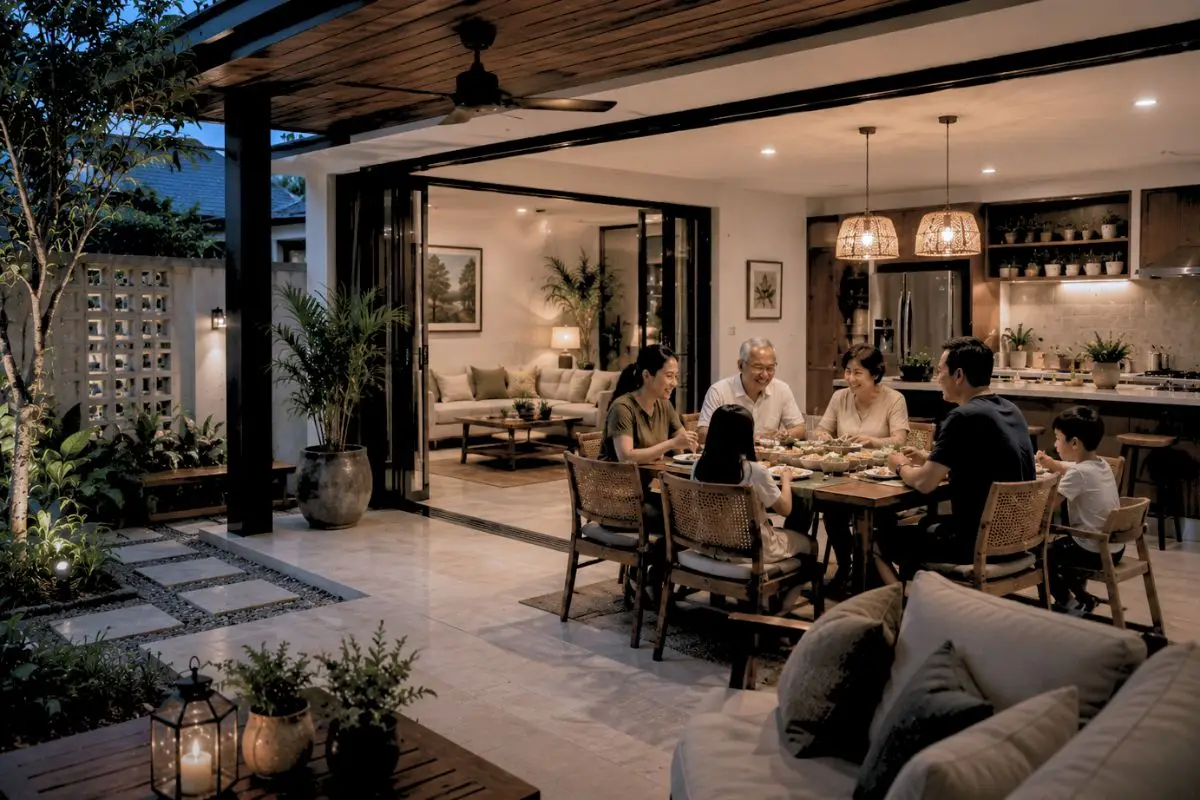
The modern Filipino dream home is no longer defined purely by size or ornamentation. In many cases, it is defined by how effectively the home supports everyday routines and overall quality of life.
Long-Term Value Through Livability
Residential aspirations continue evolving alongside changing lifestyles and market expectations.
Homes that prioritize adaptability, environmental comfort, and long-term usability are increasingly viewed as more valuable over time. Flexible planning allows homes to accommodate future needs without requiring constant renovation or major spatial reconfiguration.
For developers and architects, this highlights the growing importance of designing residential environments that remain relevant as lifestyles evolve.
The modern Filipino dream home ultimately reflects a broader shift toward architecture that supports everyday living in more meaningful and enduring ways.
Comfort, flexibility, climate responsiveness, wellness, and quality of everyday living are increasingly shaping residential aspirations.
Tropical conditions make ventilation, shading, and environmental comfort essential for long-term livability.
Multi-generational living and hybrid lifestyles are encouraging more flexible and adaptable spatial planning.
They help create calmer, more engaging living environments that improve overall residential experience.
As residential lifestyles continue evolving throughout the Philippines, architecture is playing a larger role in shaping how people experience comfort, privacy, wellness, and everyday living. Through an integrated approach to planning, climate responsiveness, and residential design, Fulgar Architects helps create homes and communities designed around long-term livability and meaningful daily experience.