












- Urban planning shapes how people move, work, and interact with their communities every day.
- Well-planned cities improve mobility, public safety, accessibility, and overall quality of life.
- Parks, walkable neighborhoods, and connected public spaces strengthen both community wellbeing and economic activity.
- Integrated transportation and land use planning create more resilient and sustainable urban environments.
- Thoughtful urban planning balances present needs while preparing cities for future growth and changing lifestyles.
Urban planning influences nearly every aspect of daily life, often in ways that go unnoticed. The route taken to work, the availability of nearby parks, the ease of walking to local businesses, and the amount of time spent in traffic are all shaped by planning decisions made years or even decades earlier. While individual buildings define specific places, urban planning determines how an entire city functions as a connected system.
As cities continue to grow and evolve, thoughtful urban planning becomes increasingly important in creating environments that support mobility, public health, economic opportunity, and community life. By coordinating transportation, land use, infrastructure, public spaces, and environmental systems, urban planning helps build cities that are not only more efficient but also more enjoyable places to live.
Urban Planning Begins With People
Successful urban planning starts with understanding how people actually use their cities. Residents travel to work, bring children to school, visit commercial centers, exercise in parks, and access healthcare, often making multiple trips throughout the day. Planning that considers these daily patterns creates environments that reduce unnecessary travel while making essential destinations easier to reach.
Rather than treating roads, buildings, and infrastructure as separate components, urban planning organizes them into an integrated network that supports everyday life. This human-centered approach allows cities to function more smoothly while improving convenience for residents.
Connected Streets Improve Daily Mobility
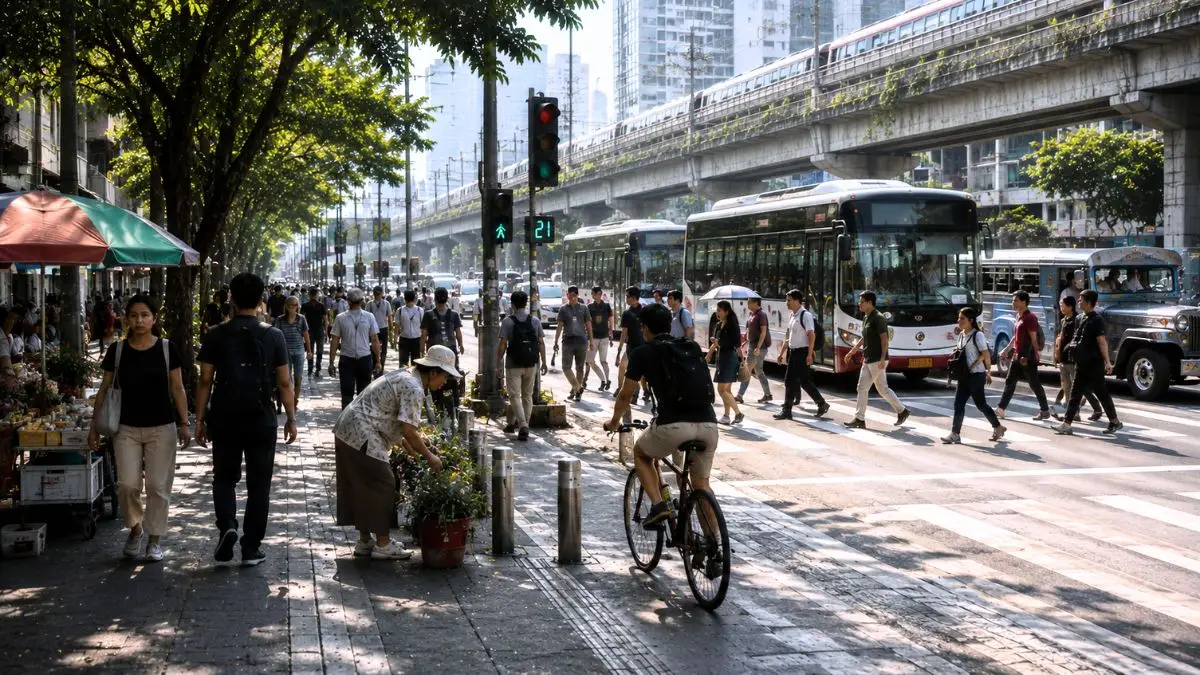
One of the most visible outcomes of effective urban planning is a well-connected transportation network. Streets designed with clear hierarchies, efficient intersections, and multiple travel options allow people to move safely and efficiently throughout the city.
Good planning also recognizes that mobility extends beyond private vehicles. Sidewalks, bicycle facilities, pedestrian crossings, and public transportation all contribute to a transportation system that serves people with different needs and lifestyles.
When these networks work together, cities become more accessible while reducing congestion and improving overall travel efficiency.
Public Spaces Strengthen Communities
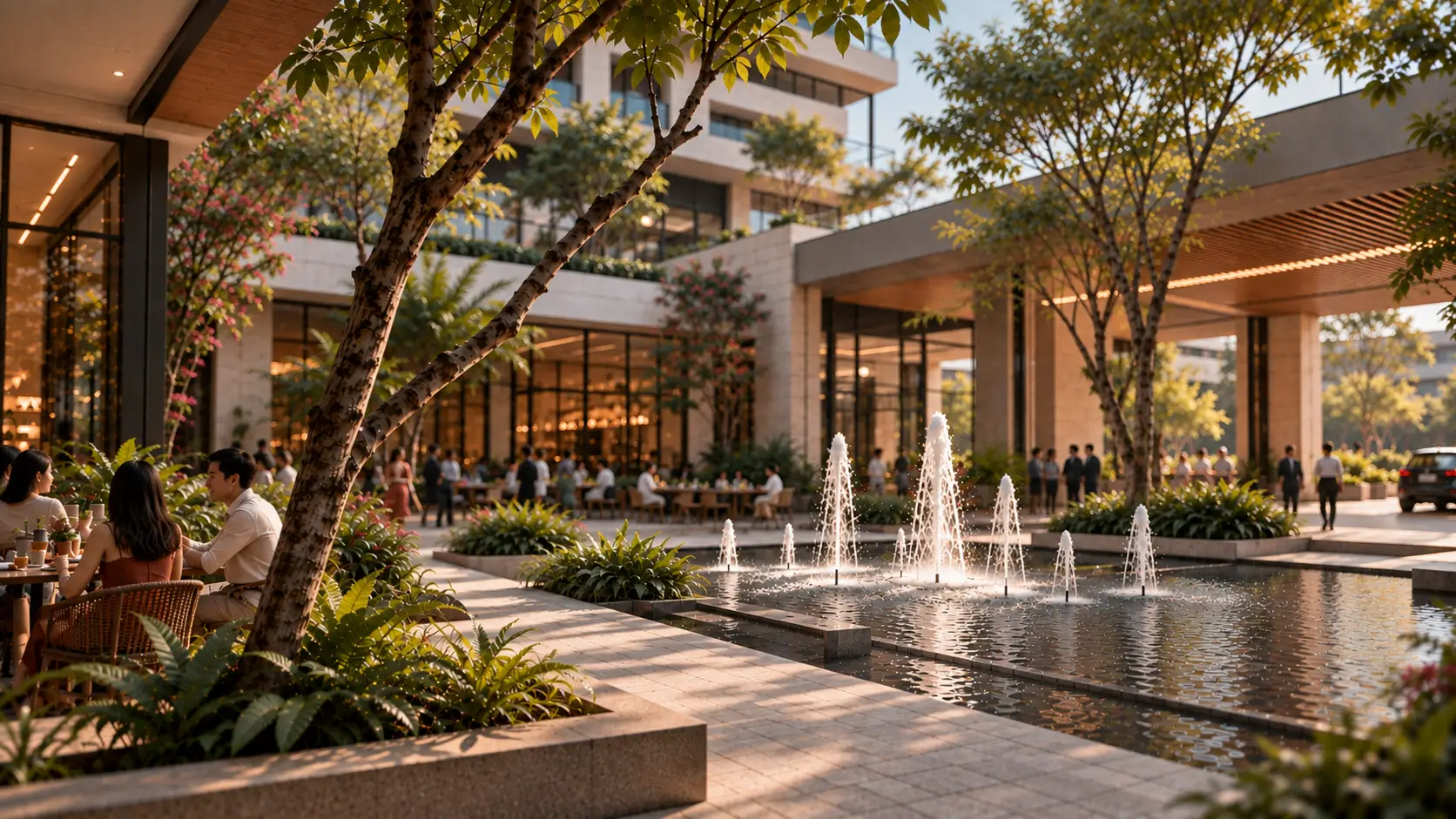
Urban planning also shapes the quality and accessibility of public spaces. Parks, plazas, waterfronts, civic spaces, and neighborhood gathering areas provide opportunities for recreation, relaxation, and social interaction.
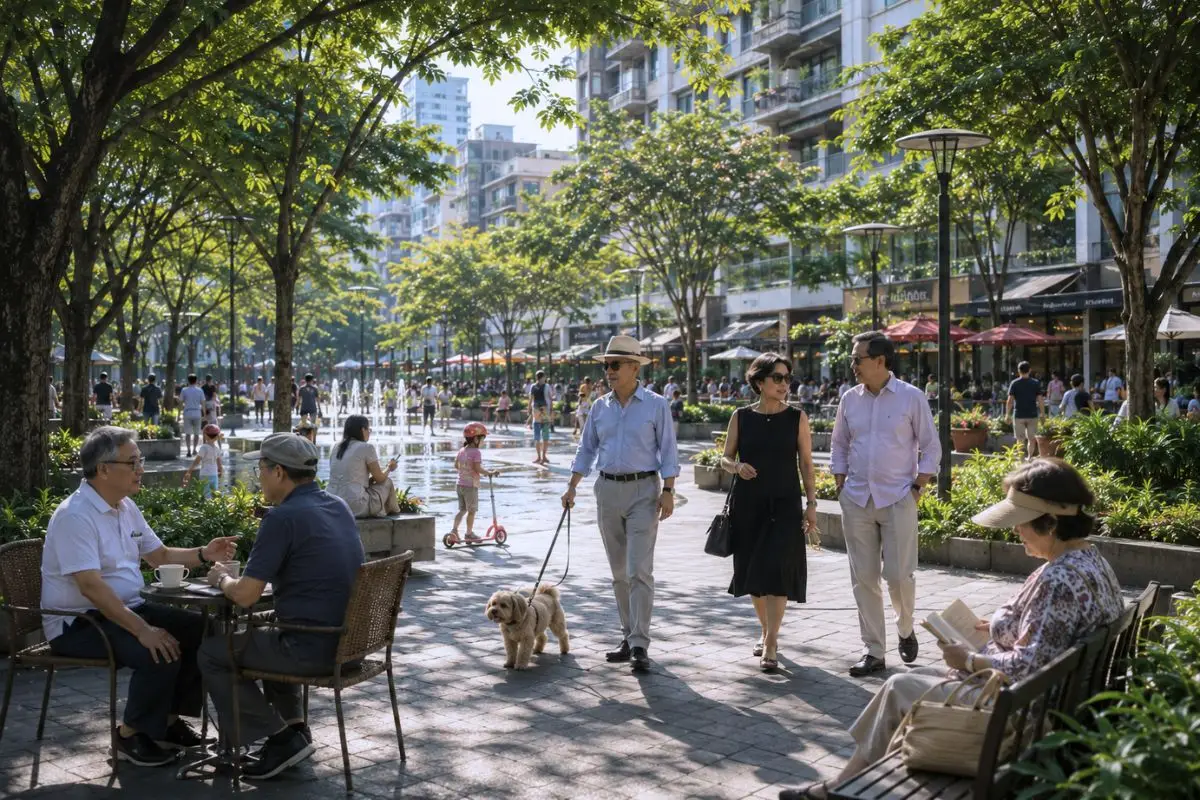
These shared environments contribute to healthier lifestyles by encouraging outdoor activity while creating places where communities naturally come together. Well-designed public spaces also support local businesses by increasing pedestrian activity and making commercial districts more inviting.
Rather than serving as isolated amenities, these spaces become part of the everyday rhythm of urban life.
Land Use Planning Creates Balanced Neighborhoods
Cities function best when residential, commercial, institutional, and recreational uses are carefully organized to complement one another. Effective land use planning reduces travel distances while ensuring that essential services remain accessible to surrounding communities.
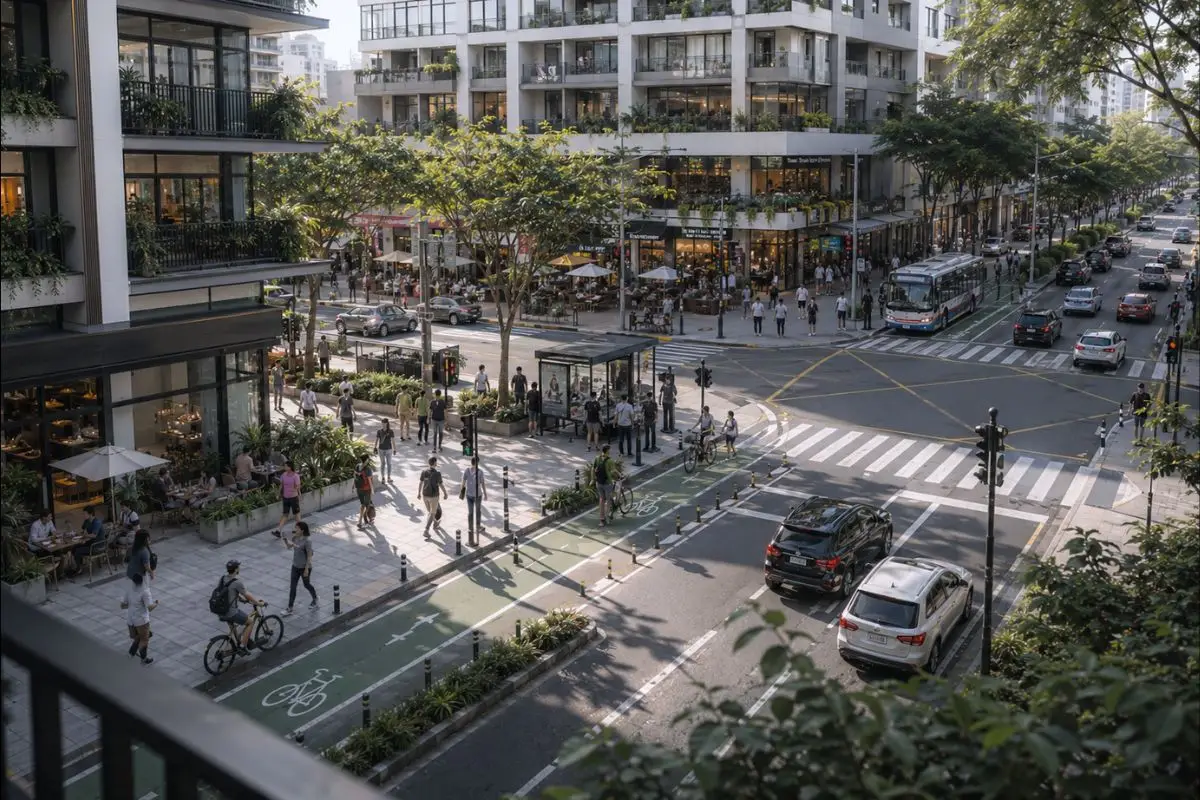
Mixed-use districts, neighborhood commercial centers, schools, healthcare facilities, and public amenities all benefit from thoughtful spatial relationships. By balancing different land uses, urban planning creates neighborhoods where daily needs can often be met within a shorter distance from home.
This approach improves convenience while supporting more sustainable patterns of development.
Planning for Resilience and Long-Term Growth
Urban planning is not only concerned with present-day conditions but also with preparing cities for future challenges. Population growth, climate change, infrastructure demands, and evolving patterns of work all require flexible planning strategies that allow communities to adapt over time.
Stormwater management, transportation capacity, environmental protection, and utility infrastructure are often planned decades in advance. These long-term investments help cities remain resilient while supporting continued economic and residential growth.
By anticipating future needs, urban planning reduces the need for costly reactive solutions later.
Designing Cities That Support Everyday Living
The impact of urban planning is reflected in countless everyday experiences, from shorter commutes and safer streets to accessible parks and vibrant public spaces. Although many planning decisions remain largely invisible to residents, they influence how comfortably, efficiently, and safely people experience their communities.
As cities continue to evolve, thoughtful urban planning will remain essential in creating places that balance growth with livability. By placing people at the center of planning decisions, communities become more connected, resilient, and capable of supporting a higher quality of life for generations to come.
Urban planning is the process of organizing land use, transportation, infrastructure, public spaces, and development to create functional, sustainable, and livable communities.
Urban planning influences commuting, walkability, access to parks, public transportation, safety, and the overall convenience of living within a city.
Public spaces encourage recreation, strengthen community interaction, improve public health, and contribute to vibrant local economies.
Long-term planning helps cities prepare for population growth, infrastructure demands, environmental challenges, and changing lifestyle needs while supporting sustainable development.
To explore how thoughtful urban planning can support more connected, resilient, and future-ready communities, contact Fulgar Architects.