












- Effective master planning creates communities that feel intuitive because movement, land use, and public spaces are carefully organized long before construction begins.
- The most successful developments balance flexibility with long-term vision, allowing neighborhoods to evolve without losing their overall identity.
- Well-planned circulation networks improve accessibility while reducing congestion for pedestrians, cyclists, motorists, and public transportation.
- Thoughtful placement of open spaces, amenities, and mixed-use areas strengthens everyday experiences while supporting long-term property value.
- Strong master planning enables sustainable urban growth by coordinating infrastructure, environmental considerations, and future development phases.
Many of the world’s most memorable communities are not defined by a single landmark building. Instead, they are remembered for how naturally everything seems to fit together. Streets connect logically, public spaces feel welcoming, destinations are easy to reach, and daily movement unfolds with little effort. Visitors rarely stop to think about why these places function so well because the planning behind them is almost invisible.
This is the true strength of master planning. Rather than drawing attention to itself, it quietly shapes the relationships between buildings, landscapes, transportation networks, infrastructure, and public life. Long before individual structures are designed, a master plan establishes the framework that allows an entire community to grow cohesively over many years or even decades.
Across the Philippines, where expanding cities continue to accommodate growing populations and new investment, thoughtful master planning is becoming increasingly important. From mixed-use districts and township developments to residential communities and institutional campuses, successful projects demonstrate that long-term planning creates environments that remain functional, adaptable, and enjoyable well beyond their initial construction.
Great Communities Feel Effortless Because They Are Carefully Planned
People naturally notice architecture, but they often overlook the spaces between buildings. Roads, parks, walkways, open spaces, service corridors, drainage systems, and public gathering areas rarely receive the same attention, even though they shape everyday experience just as much as the buildings themselves.
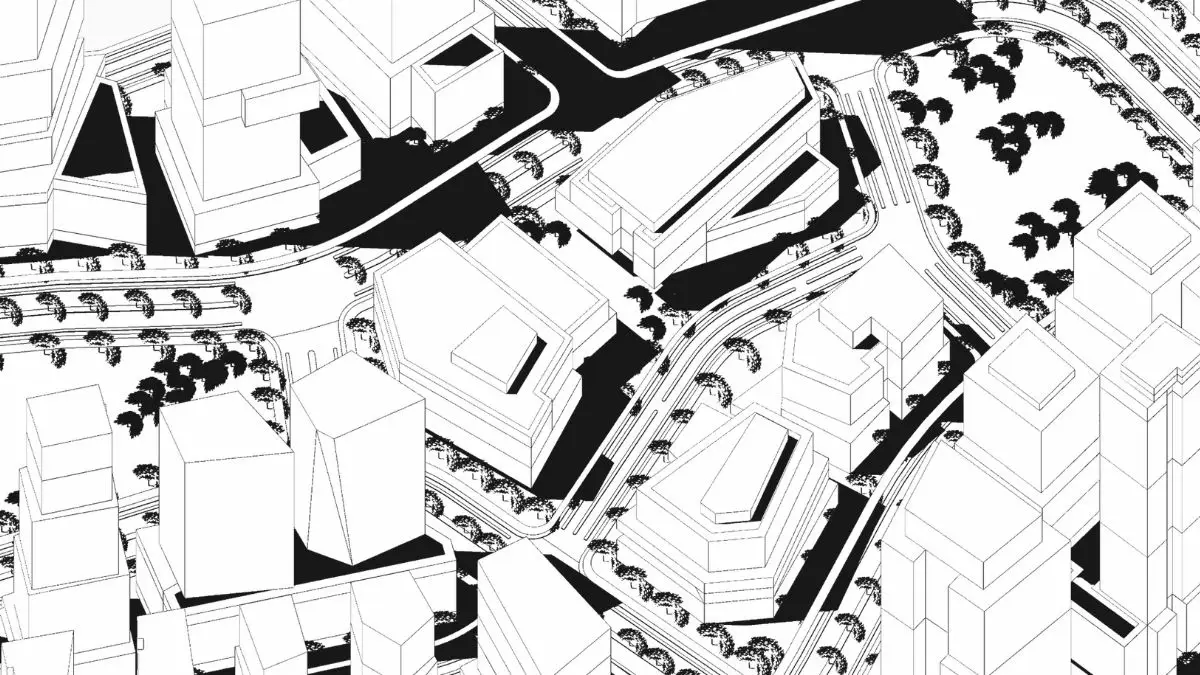
Master planning begins by asking how an entire place should function before determining what individual buildings should look like. It considers how residents arrive, where visitors park, how pedestrians move safely, how commercial activity develops, where community spaces belong, and how future expansion can occur without disrupting what already exists.
When these relationships are resolved early, communities feel intuitive. People find destinations more easily, circulation becomes more efficient, and public spaces naturally encourage interaction. The planning succeeds precisely because users rarely need to think about it.
Movement Is the Foundation of Every Successful Plan
One of the primary responsibilities of master planning is organizing movement at every scale. Vehicles, pedestrians, cyclists, service traffic, emergency responders, and public transportation each require carefully coordinated circulation systems that support both safety and efficiency.
Rather than focusing only on road capacity, effective master plans create interconnected networks that allow different modes of movement to coexist comfortably. Walkable streets, shaded sidewalks, bicycle connections, accessible public spaces, and logical traffic distribution contribute to communities that remain functional as they grow.
In Philippine developments, where increasing urban density places additional pressure on transportation infrastructure, thoughtful circulation planning becomes particularly valuable. By anticipating future demand instead of simply responding to present conditions, master planning reduces congestion while creating environments that remain adaptable over time.
Land Use Shapes Long-Term Community Success
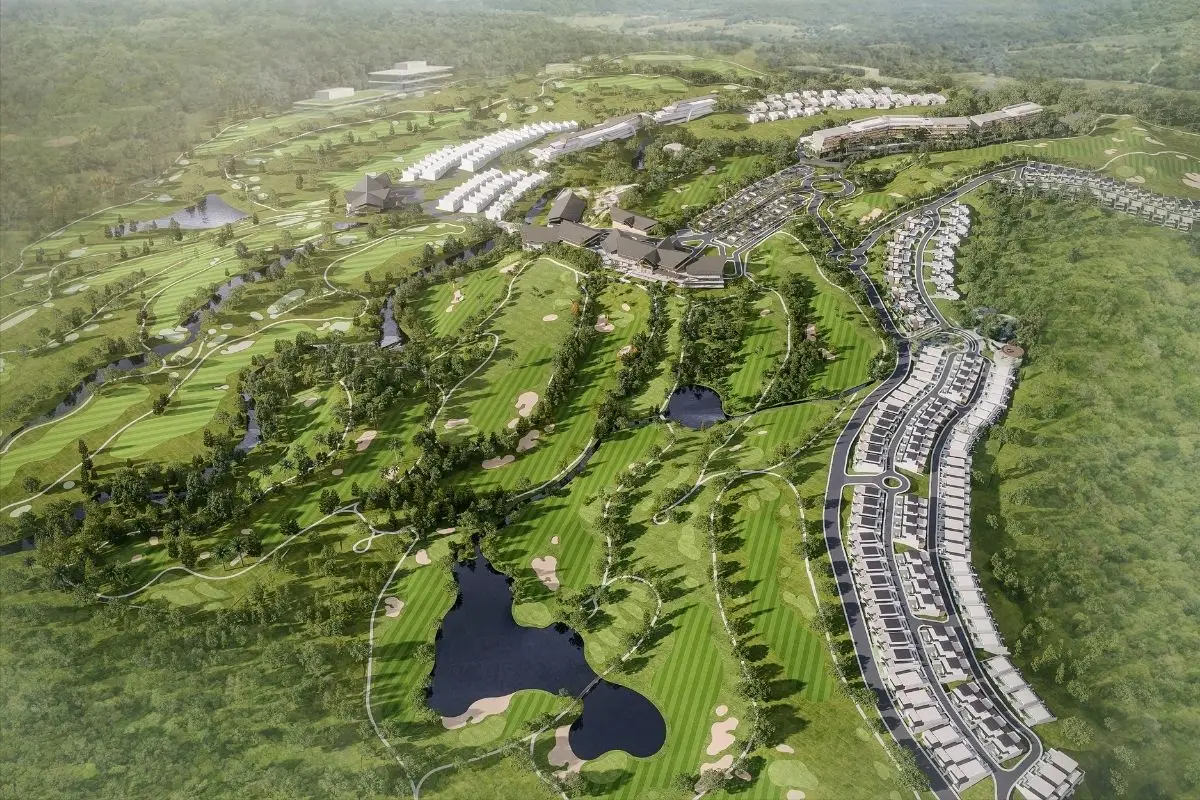
Every development involves choices about how land should be allocated. Residential neighborhoods, commercial districts, institutional facilities, recreational spaces, utilities, and environmental buffers must all work together within a single framework.
Successful master planning avoids treating these components as isolated pieces. Instead, it considers how different land uses complement one another throughout the day and across different stages of development. Mixed-use districts may encourage walkability by placing workplaces, retail spaces, and residences within convenient distances, while open spaces provide opportunities for recreation, social interaction, and environmental resilience.
This balanced approach also supports long-term flexibility. As communities evolve and market demands change, well-planned districts can accommodate new uses without sacrificing the overall structure established by the original master plan.
Public Spaces Create the Identity People Remember
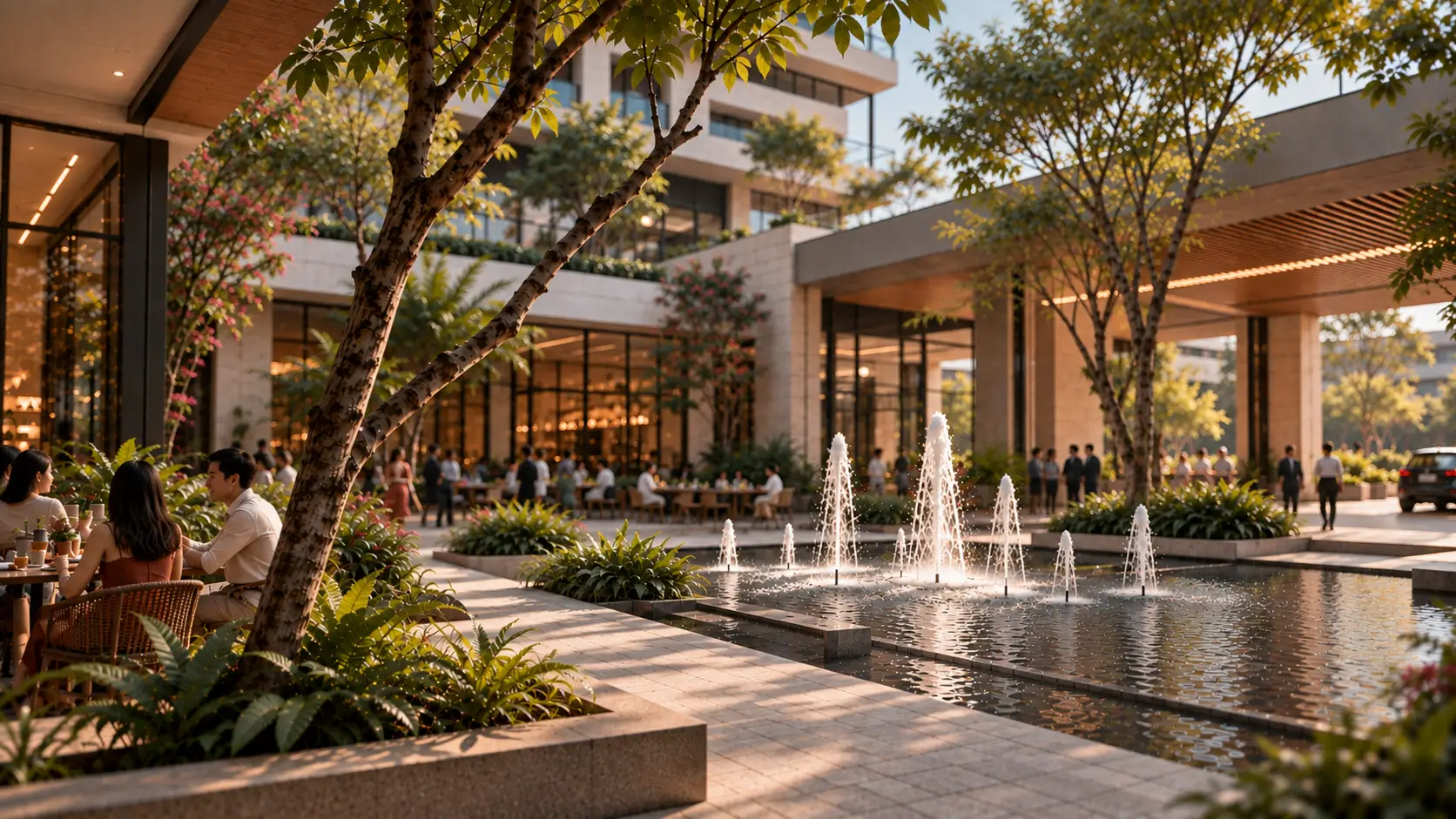
While infrastructure supports functionality, public spaces give communities their character. Parks, plazas, green corridors, civic spaces, waterfronts, and gathering areas encourage people to spend time outdoors, interact with one another, and develop a stronger connection to their surroundings.
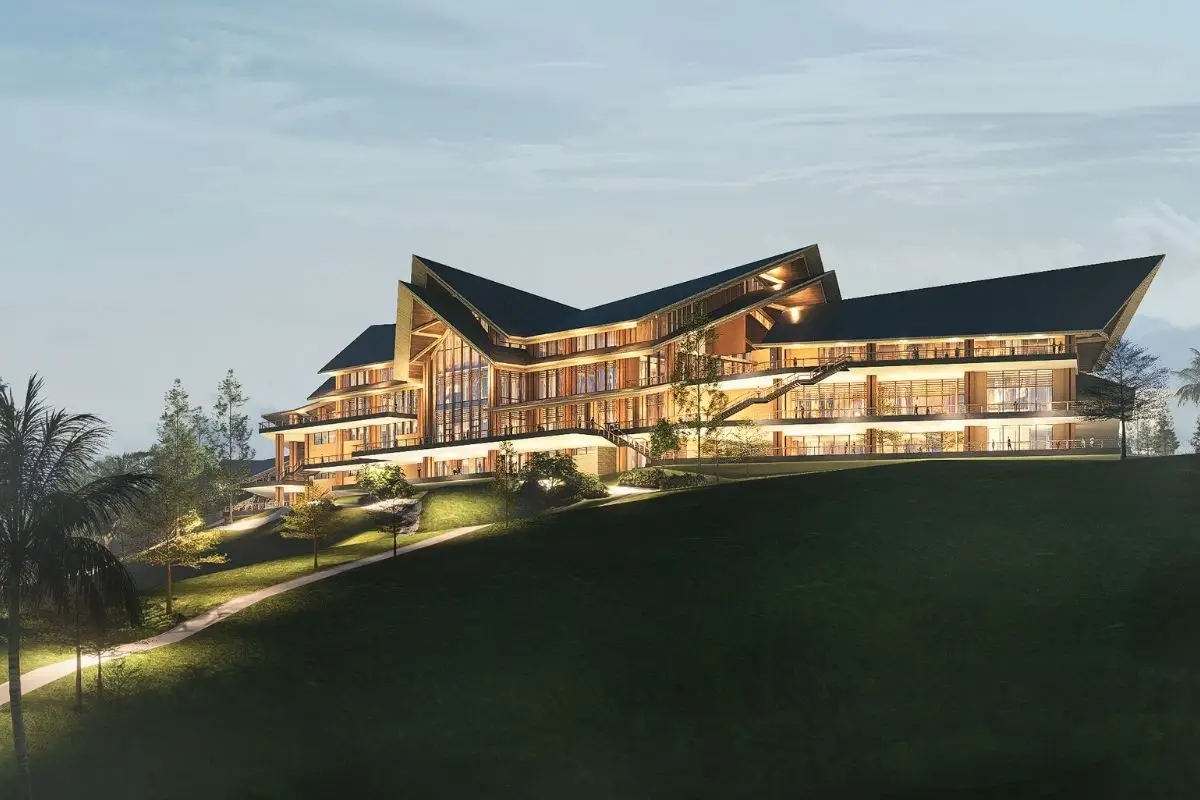
Well-executed master planning distributes these spaces intentionally rather than treating them as leftover land between buildings. Open spaces become destinations that connect neighborhoods, improve environmental performance, and provide opportunities for recreation across different age groups.
In the Philippine context, public spaces also respond to tropical conditions. Shade trees, covered walkways, natural ventilation, water-sensitive landscape design, and climate-responsive gathering areas encourage year-round use while improving comfort during periods of intense heat or heavy rainfall. These considerations transform open spaces from visual amenities into functional components of everyday life.
Long-Term Thinking Allows Communities to Evolve
One of the greatest strengths of master planning is its ability to accommodate change. No development remains exactly as originally envisioned over several decades. Population growth, economic conditions, technological advances, and changing lifestyles continually influence how communities develop.
Rather than attempting to predict every future requirement, a strong master plan establishes a flexible framework that allows new phases, additional infrastructure, and changing land uses to integrate naturally into the overall vision. Roads can extend logically, utility systems can expand efficiently, and new buildings can strengthen rather than disrupt the existing urban structure.
This long-term perspective also benefits developers and property owners. Phased implementation becomes more manageable, infrastructure investments become more strategic, and future opportunities can be evaluated within a clear planning framework instead of requiring isolated decisions for every parcel of land.
Invisible Planning Creates Visible Value
The most successful master plans are rarely celebrated for individual technical decisions. Instead, their value becomes apparent through the quality of everyday experience they create. Comfortable streets, logical circulation, accessible amenities, balanced land use, and memorable public spaces all contribute to communities that feel complete without drawing attention to the planning behind them.
Developments such as integrated townships, university campuses, mixed-use districts, and carefully planned residential communities demonstrate that lasting value extends beyond individual buildings. When every component contributes to a larger vision, the result is an environment that supports both present needs and future growth.
Good master planning therefore remains largely invisible because it succeeds quietly. It organizes complexity into experiences that feel intuitive, allowing architecture, landscape, and community life to work together as a cohesive whole rather than competing for attention.
Master planning is the long-term process of organizing land use, circulation, infrastructure, public spaces, and future development into a coordinated framework that guides how a community grows.
When movement, accessibility, and public spaces function naturally, users experience the community with little effort. The planning succeeds because it feels intuitive rather than obvious.
It establishes a flexible structure that accommodates future expansion, infrastructure improvements, and changing land uses while maintaining a coherent overall vision.
Rapid urbanization, expanding regional growth centers, and increasing development complexity require coordinated planning that responds to local climate, transportation, infrastructure, and long-term community needs.
As Philippine communities continue to expand and diversify, thoughtful master planning will remain one of the most important foundations of successful development. By integrating movement, land use, environmental responsiveness, and long-term growth into a unified vision, Fulgar Architects helps create places that remain functional, resilient, and relevant for generations.