












- Desirable residential estates in the Philippines consistently prioritize comprehensive master planning over individual home design alone.
- Well-connected open spaces, landscape systems, and pedestrian-friendly environments create healthier and more livable communities.
- Effective security, circulation planning, and estate management contribute significantly to long-term residential value.
- Community amenities encourage social interaction while supporting changing lifestyles across different generations.
- The most successful residential estates balance architectural quality, environmental planning, and long-term operational management.
The most desirable residential estates in the Philippines have earned their reputation through far more than attractive homes or prestigious addresses. While architectural character certainly contributes to a community’s identity, lasting appeal is often shaped by thoughtful planning decisions that influence everyday life long after construction is complete.
Across many of the country’s established residential communities, several planning principles consistently emerge. These include integrated landscape systems, generous open spaces, pedestrian-friendly environments, dependable security, carefully planned circulation, and effective estate management. Together, these elements create neighborhoods that remain attractive, functional, and resilient over time.
Understanding these shared characteristics offers valuable insights for developers, architects, planners, and homeowners seeking to create residential environments that continue to perform for decades.
Strong Master Planning Creates Lasting Communities
One of the defining characteristics of desirable residential estates in the Philippines is the quality of their master planning. Rather than treating roads, parks, residential lots, and amenities as separate components, successful developments consider how each element contributes to the overall experience of the community.
Street networks are planned to improve accessibility while discouraging excessive through traffic. Residential clusters are organized to balance privacy with connectivity, while community facilities are positioned where they remain accessible to residents without disrupting quieter neighborhoods.
Good master planning also considers future growth and long-term maintenance. Infrastructure systems, utility corridors, drainage, and service access are integrated early in the planning process, allowing communities to function efficiently as they mature.
Open Spaces Shape Daily Living
The most successful residential estates recognize that quality of life extends beyond the boundaries of individual homes. Parks, pocket gardens, greenways, playgrounds, and recreational spaces provide opportunities for exercise, relaxation, and informal social interaction throughout the day.
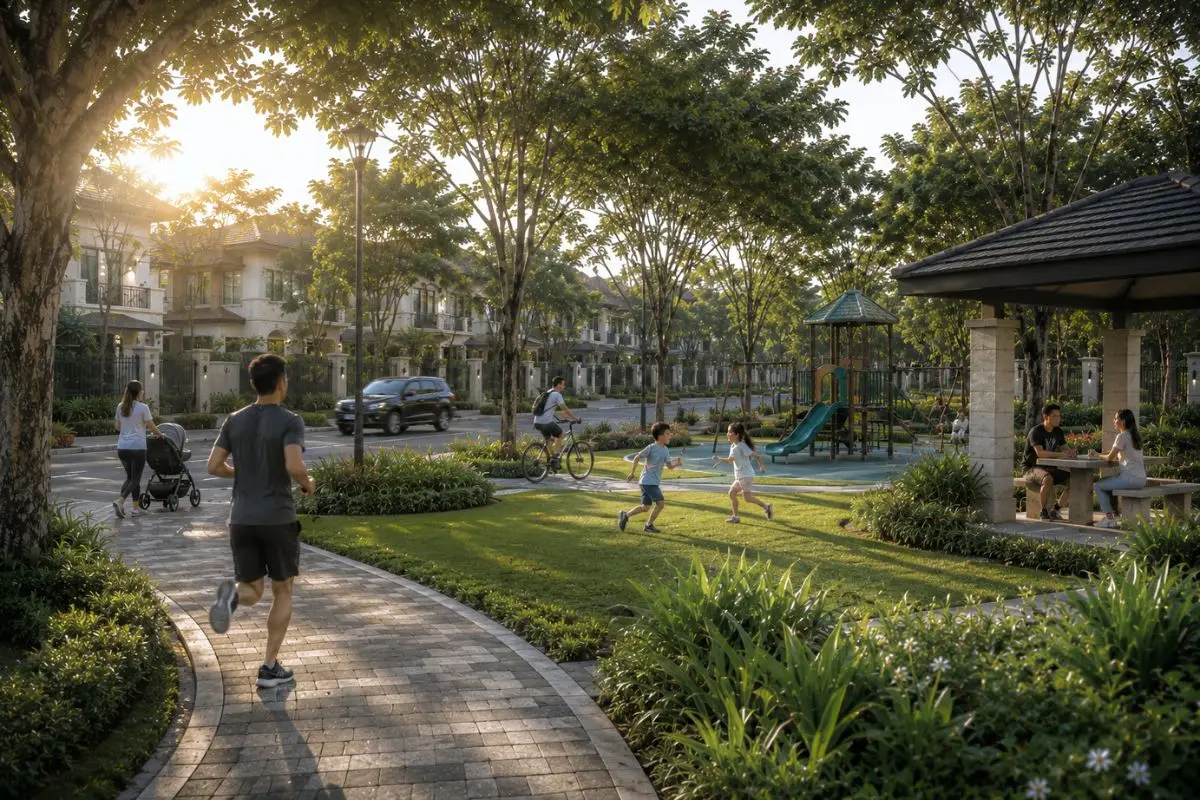
Well-distributed open spaces encourage walking, outdoor recreation, and healthier lifestyles while reducing the visual impact of dense residential development. Instead of concentrating amenities in a single location, many successful communities establish interconnected landscape networks that serve residents across different neighborhoods.
These shared outdoor environments also contribute to stronger community identity by providing spaces where neighbors naturally interact and families spend time together.
Landscape Design Supports Both Beauty and Performance
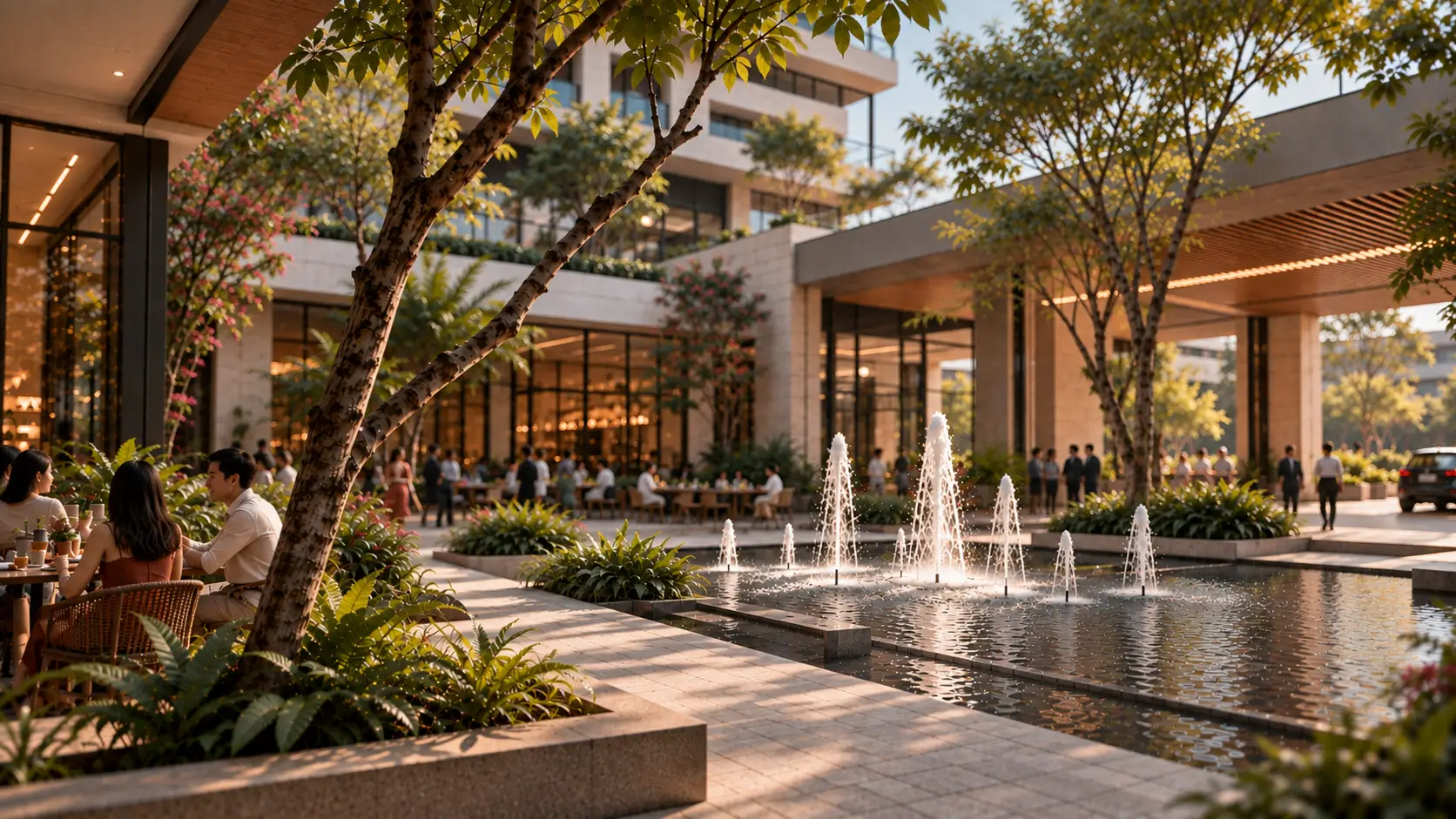
Landscape planning within desirable residential estates in the Philippines serves practical as well as aesthetic purposes. Trees provide shade that improves pedestrian comfort while reducing heat accumulation along roads and walkways. Planting strategies soften the built environment while helping manage stormwater and improving environmental quality.
Landscape systems also establish visual continuity throughout a development. Consistent planting palettes, boulevard trees, landscaped entrances, and carefully maintained green spaces reinforce a cohesive community identity that remains recognizable over time.
Rather than functioning as decorative elements alone, landscapes become active components of climate-responsive residential planning.
Security and Circulation Build Resident Confidence
Security remains an important consideration in residential developments, but successful estates integrate protective measures without compromising comfort or accessibility.
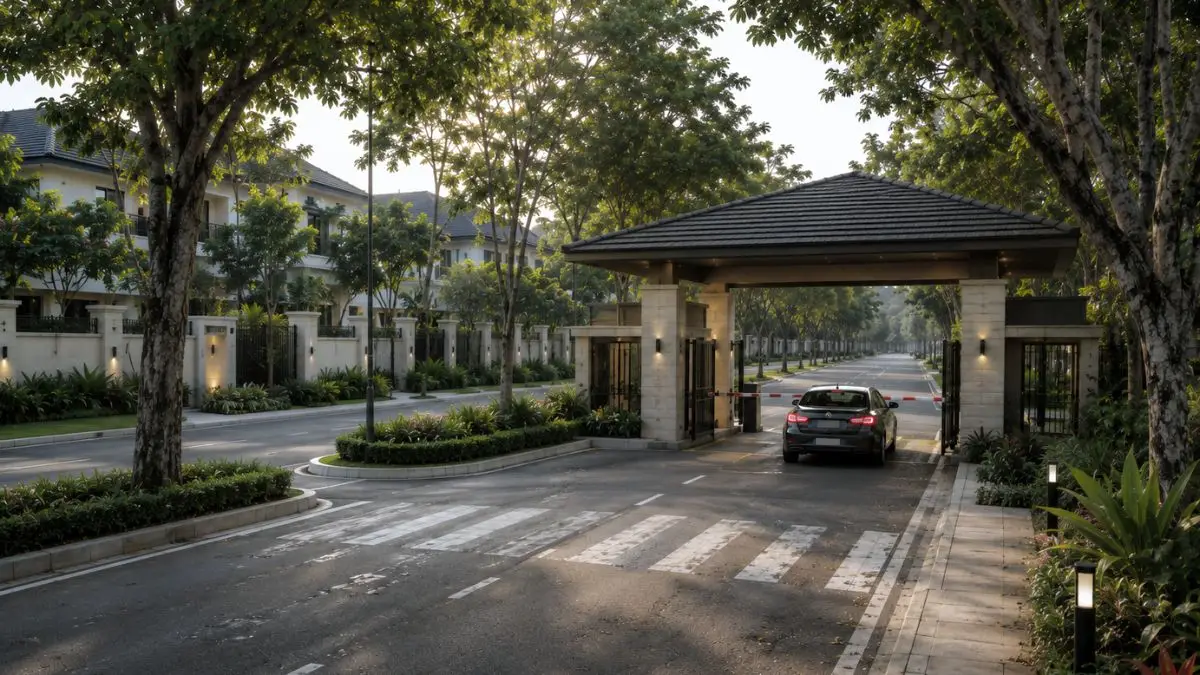
Controlled entry points, clear sightlines, appropriate lighting, well-organized circulation networks, and visible management presence contribute to an environment where residents feel secure while maintaining a welcoming atmosphere.
Equally important is the organization of vehicle and pedestrian movement. Well-designed circulation systems reduce congestion, improve emergency access, and create safer streets for children, cyclists, and pedestrians.
These planning decisions enhance everyday convenience while supporting the long-term functionality of the community.
Community Management Sustains Long-Term Value
Even the best-designed neighborhoods require effective management to maintain their quality over time. Responsive estate management helps preserve common areas, enforce community guidelines, maintain infrastructure, and coordinate improvements as resident needs evolve.
Consistent maintenance of parks, roads, landscape features, and recreational facilities protects both the appearance and long-term value of residential developments. Well-managed communities also adapt more effectively to changing technologies, sustainability initiatives, and evolving lifestyle expectations.
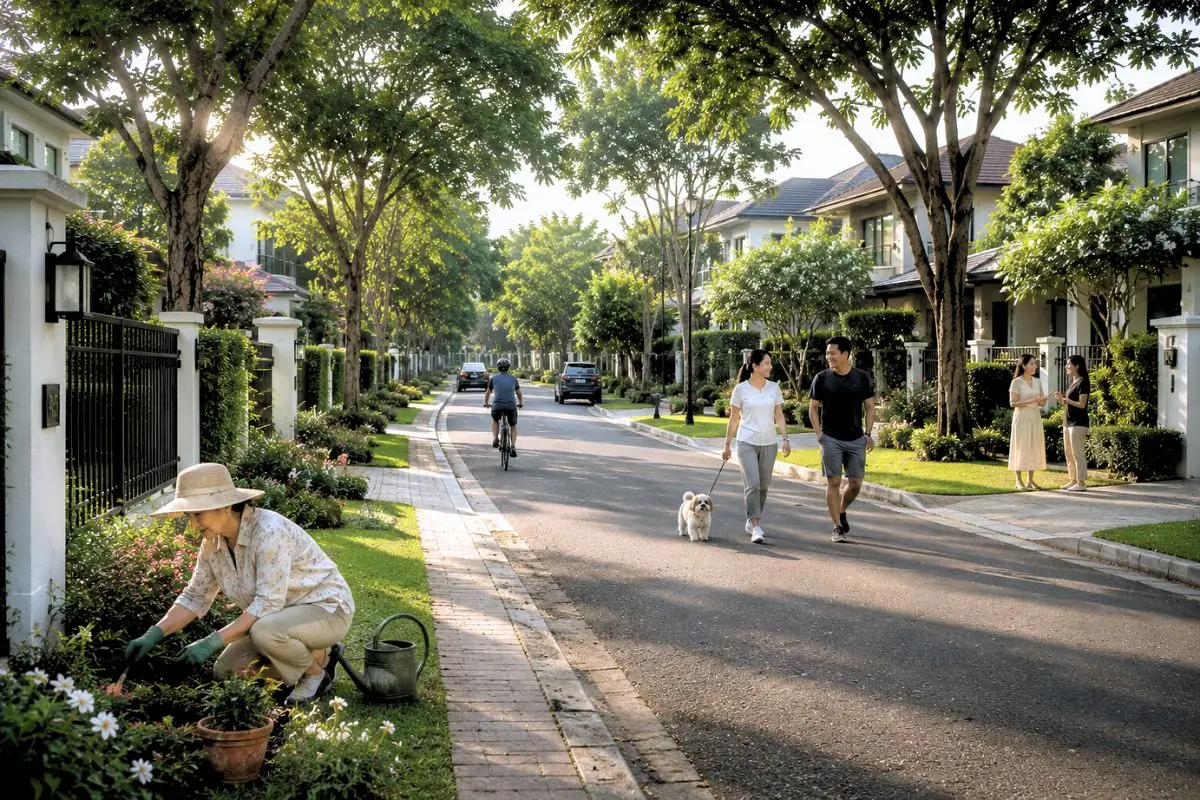
In many cases, the continued desirability of an estate depends as much on ongoing management as it does on the original design.
Planning Communities That Endure
The enduring success of desirable residential estates in the Philippines demonstrates that exceptional communities are created through careful planning rather than individual architectural statements alone. Master planning, open spaces, landscape systems, security, circulation, and effective community management work together to create neighborhoods that continue to perform well for generations.
As residential development continues to evolve alongside changing lifestyles and environmental priorities, these planning principles remain valuable references for creating communities that offer lasting comfort, resilience, and long-term value.
Successful estates combine strong master planning, generous open spaces, cohesive landscape design, reliable security, quality amenities, and effective estate management.
Open spaces promote healthier lifestyles, improve environmental quality, encourage social interaction, and enhance the overall residential experience.
Consistent maintenance, responsive operations, and well-managed common facilities help preserve both community quality and long-term property values.
Master planning determines how homes, roads, landscapes, amenities, and infrastructure function together to create a cohesive and sustainable community.
To explore how thoughtful master planning and residential design principles can be integrated into your next development, contact Fulgar Architects.