












- Adaptive reuse in the Philippines is gaining relevance as cities mature and land becomes constrained
- Reworking existing buildings allows developers to extend asset life and improve performance
- Structural and spatial constraints shape design decisions from the outset
- Program transformation enables older buildings to compete in current markets
- Long-term value is driven by adaptability, efficiency, and operational relevance
The Growing Relevance of Adaptive Reuse
As urban centers across Metro Manila continue to mature, the availability of undeveloped land is becoming increasingly limited. This shift has prompted developers to reconsider how existing assets can be repositioned rather than replaced. Adaptive reuse in the Philippines is gaining traction as a practical response to these conditions.
Rather than viewing older commercial buildings as obsolete, developers are recognizing their potential as adaptable frameworks. These structures often occupy strategic locations within established districts such as Makati and Manila, where redevelopment opportunities are constrained by both cost and density. In this context, reworking existing buildings in the Philippines becomes a way to extend the life of assets while maintaining their relevance in a changing market.
Working Within Existing Constraints
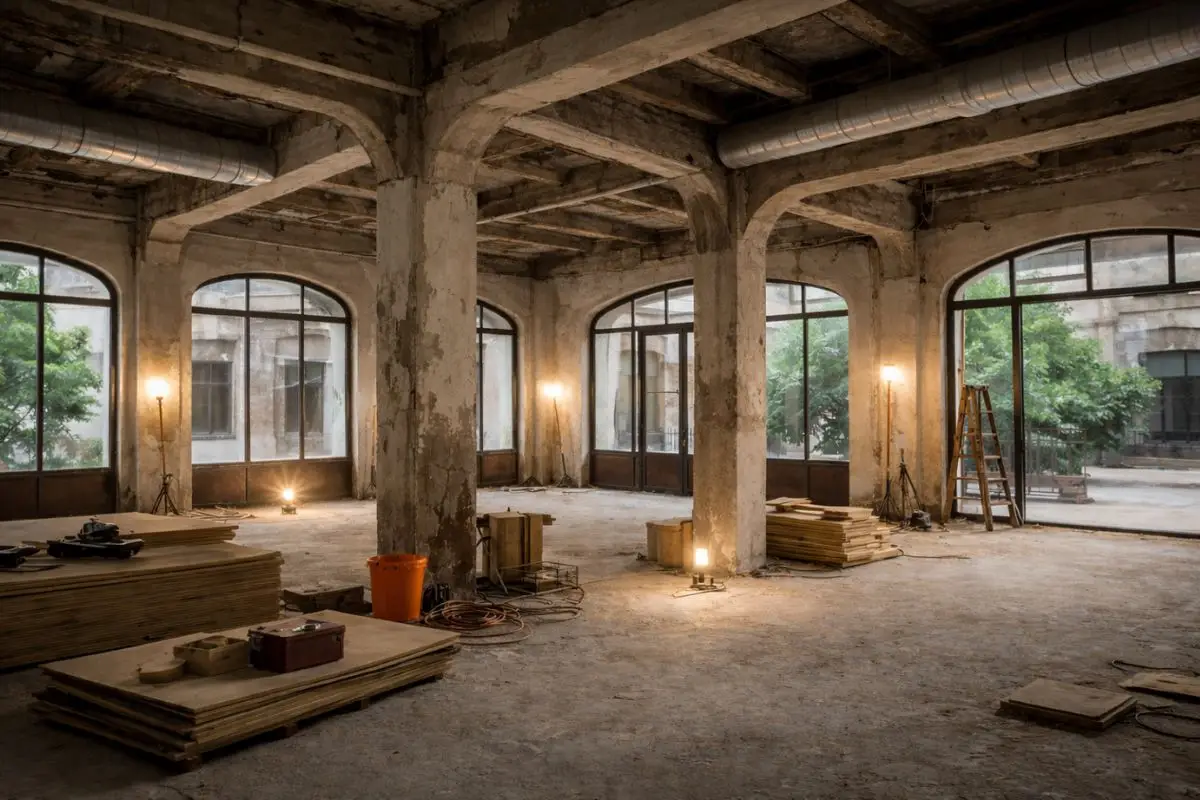
Adaptive reuse projects begin with a clear understanding of existing conditions. Structural grids, column spacing, floor-to-floor heights, and building envelopes define what is possible. Unlike new construction, where design starts from a blank slate, reuse requires careful negotiation with what is already built.
In many cases, older commercial buildings were designed for different operational requirements. Ceiling heights may be lower, mechanical systems outdated, and circulation less efficient. These constraints shape design decisions from the outset. Architects must balance transformation with the realities of structural capacity and spatial limitations.
This process often leads to selective intervention. Rather than overhauling the entire building, targeted upgrades are introduced where they have the greatest impact. In adaptive reuse in the Philippines, this approach helps control costs while improving usability and performance.
The Economic Logic of Reuse
From a development perspective, adaptive reuse offers a different financial model compared to new construction. While structural limitations can introduce complexity, the ability to retain portions of an existing building can reduce overall construction time and cost.
Shorter timelines are a key advantage. By working within an existing structure, developers can bypass certain phases of construction, allowing projects to reach the market sooner. This is particularly valuable in competitive urban areas where timing influences leasing success.
Cost efficiency also plays a role. Retaining structural elements, foundations, and portions of the building envelope reduces material and labor requirements. In some cases, adaptive reuse in the Philippines can outperform new builds, particularly when land acquisition costs are high.
However, this advantage depends on feasibility. Not all buildings are suitable for reuse, and careful assessment is required to determine whether adaptation is more viable than redevelopment.
Program Transformation and Market Repositioning
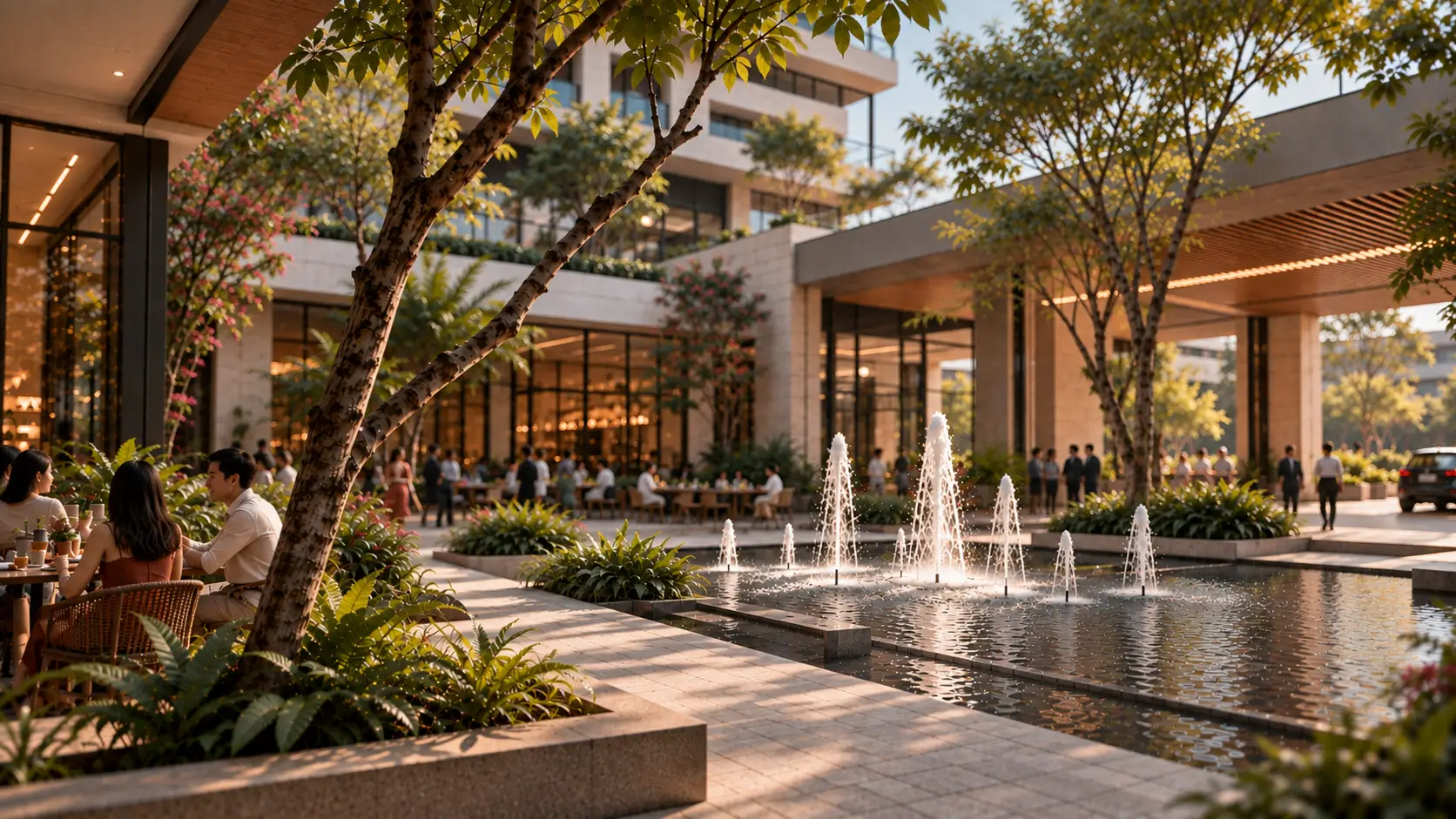
One of the central challenges in adaptive reuse is redefining how a building is used. Older commercial structures are often repositioned to meet current market demands, which may differ significantly from their original purpose.Office buildings may be converted into flexible work environments or shared workplaces. Retail structures can be reconfigured into mixed-use developments with integrated services. In some cases, buildings are adapted for hospitality or residential use, depending on location and demand.
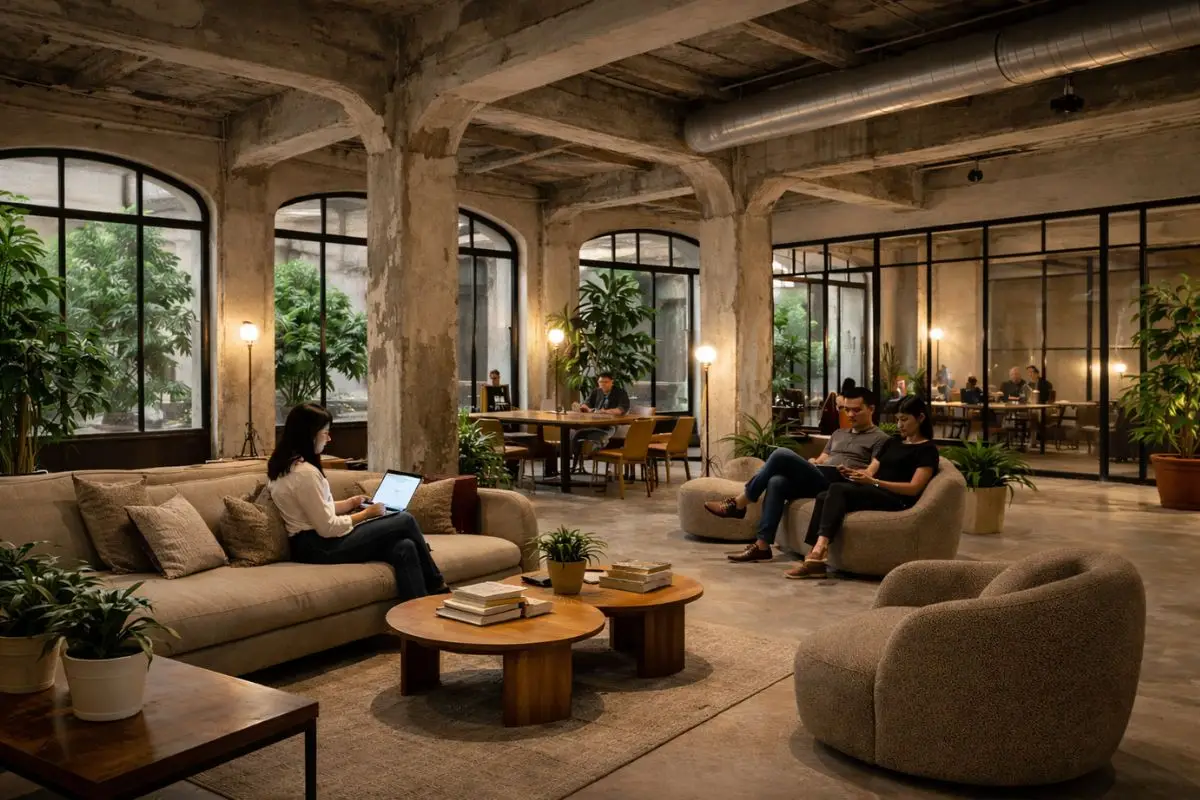
This transformation requires more than a simple change in layout. Circulation, access, and service systems must be rethought to support new uses. In reworking existing buildings in the Philippines, the goal is to create environments that feel relevant and functional without losing the efficiency of the original structure.
Architectural Identity and Continuity
Adaptive reuse also raises questions about architectural identity. Existing buildings often carry a distinct character shaped by their time and context. The challenge lies in updating these structures without erasing their identity.
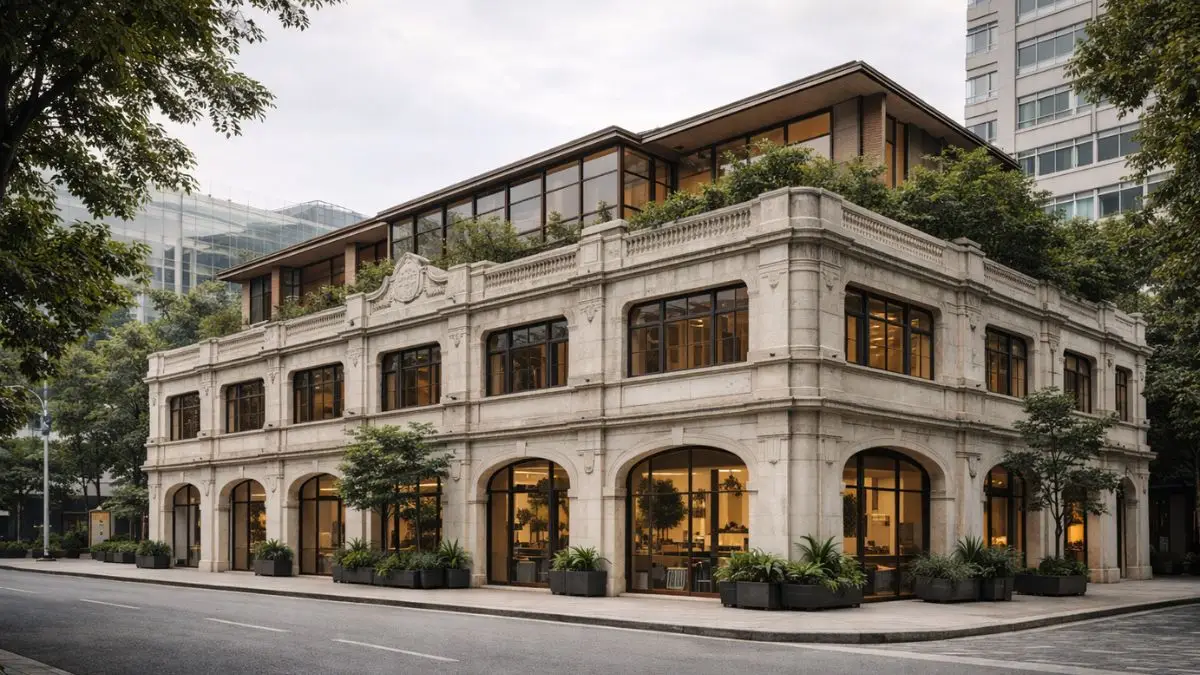
Rather than complete transformation, many projects adopt a strategy of contrast and continuity. Original elements such as façades, structural systems, or spatial features are retained, while new interventions introduce contemporary materials and detailing.
This balance creates a layered architectural expression. It allows the building to evolve while maintaining a connection to its past. In adaptive reuse in the Philippines, this approach helps differentiate projects while reinforcing authenticity.
Regulatory and Technical Challenges
Despite its advantages, adaptive reuse involves a range of regulatory and technical considerations. Older buildings must be evaluated against current building codes, which may have changed significantly since their original construction.
Upgrading fire safety systems, accessibility, and structural performance is often required. Mechanical, electrical, and plumbing systems must also be modernized to meet current standards. These upgrades can be complex, particularly when working within existing structural limitations.
Coordination between design, engineering, and regulatory bodies is essential. Early assessment helps identify potential constraints and avoid costly revisions later in the process. Adaptive reuse in the Philippines depends on this level of coordination to ensure both compliance and feasibility.
Extending the Life of Existing Assets
Adaptive reuse is often associated with preservation, but its relevance extends beyond maintaining historical value. It is fundamentally about extending the usefulness of existing assets within a changing urban context.
By reworking existing buildings in the Philippines, developers can respond to market demands while making efficient use of available resources. This approach supports both economic and operational goals, particularly in dense urban environments where new construction is not always the most viable option.
In this sense, adaptive reuse in the Philippines represents a shift in perspective. It treats existing buildings not as limitations, but as opportunities for strategic transformation and long-term value.
It is the process of repurposing existing buildings for new uses while improving performance and usability.
It is often more viable when land costs are high and the existing structure remains structurally sound.
Structural limitations, outdated systems, and compliance with current building codes.
It extends the life of existing assets while reducing costs and improving market relevance.
If you are evaluating existing properties for repositioning or redevelopment, Fulgar Architects can help assess feasibility and align design strategies with long-term performance goals.