












- Climate-responsive architectural elements are returning to contemporary Filipino homes.
- Breezeways, courtyards, and open terraces improve airflow and environmental comfort.
- Indoor-outdoor living continues shaping the modern Filipino house.
- Transitional spaces support wellness, flexibility, and everyday usability.
- Tropical architectural strategies remain relevant within contemporary residential design.
Climate-Responsive Design Is Returning to Residential Architecture
Many contemporary homes in the Philippines are rediscovering architectural strategies that have long responded effectively to tropical living conditions.
Breezeways, courtyards, covered terraces, and open transitional spaces were once common features within Filipino residential architecture. While some modern homes gradually shifted toward more enclosed environments, many homeowners and architects are now recognizing the long-term value of climate-responsive planning once again.
The return of these elements reflects changing priorities within the modern Filipino house. Comfort, ventilation, natural light, and stronger connections to outdoor environments are becoming increasingly important in contemporary residential living.
Rather than functioning as purely stylistic features, these architectural elements improve how homes perform and feel throughout the day.
Breezeways Improve Airflow and Comfort
Natural ventilation remains one of the most effective passive cooling strategies in tropical climates.
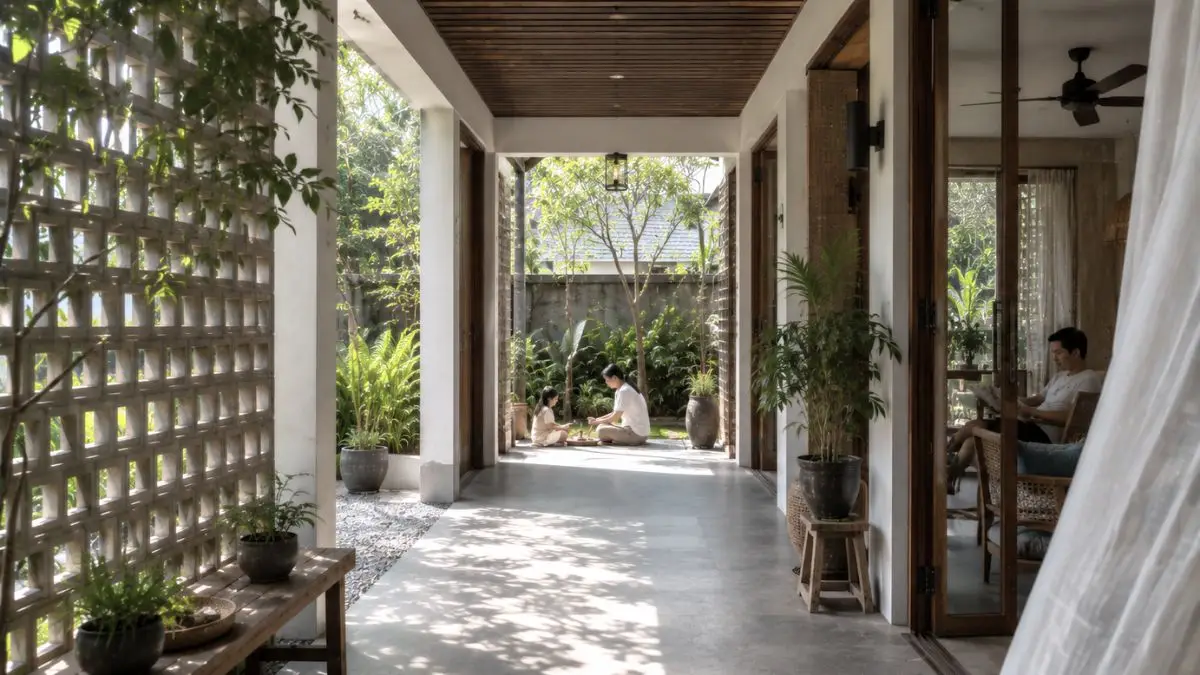
Breezeways help guide airflow through the home by creating openings that encourage cross ventilation and reduce heat buildup within interior spaces. When properly positioned, these circulation corridors improve environmental comfort while reducing dependence on mechanical cooling systems.
Within the modern Filipino house, breezeways also create stronger spatial connections between different parts of the home. They soften transitions between indoor and outdoor areas while allowing natural airflow to move more freely throughout the structure.
In dense residential environments, these spaces can significantly improve comfort without increasing the overall building footprint.
Courtyards Create Privacy and Breathing Space
Courtyards continue to play an important role in contemporary residential planning.
In urban areas where lot conditions are increasingly compact, internal courtyards provide access to light, ventilation, greenery, and outdoor living without sacrificing privacy. These spaces create moments of openness within denser residential environments.
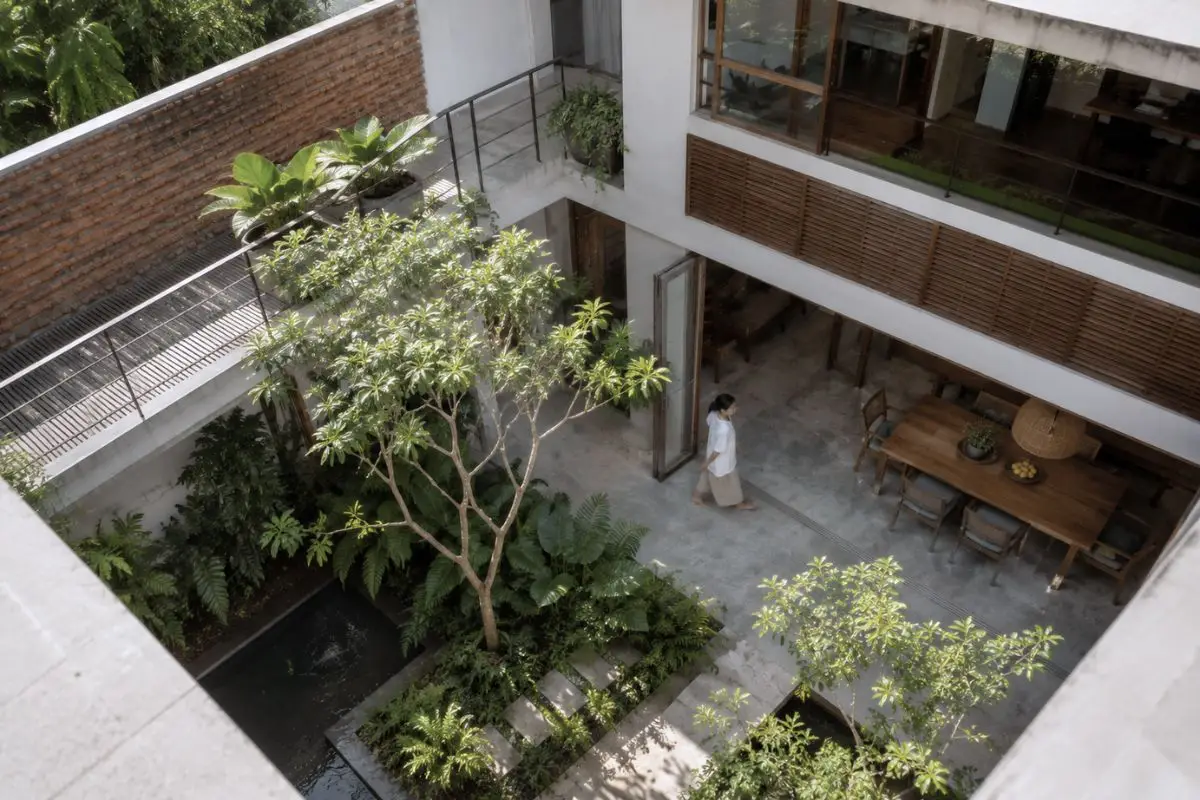
Courtyards also help organize movement throughout the home. Rather than functioning solely as decorative features, they often become central spatial elements that connect living spaces, improve environmental performance, and introduce natural light deeper into the interior.
Within the modern Filipino house, courtyards allow homes to feel more open and connected to nature while still responding to urban density and security considerations.
Open Terraces Extend Everyday Living
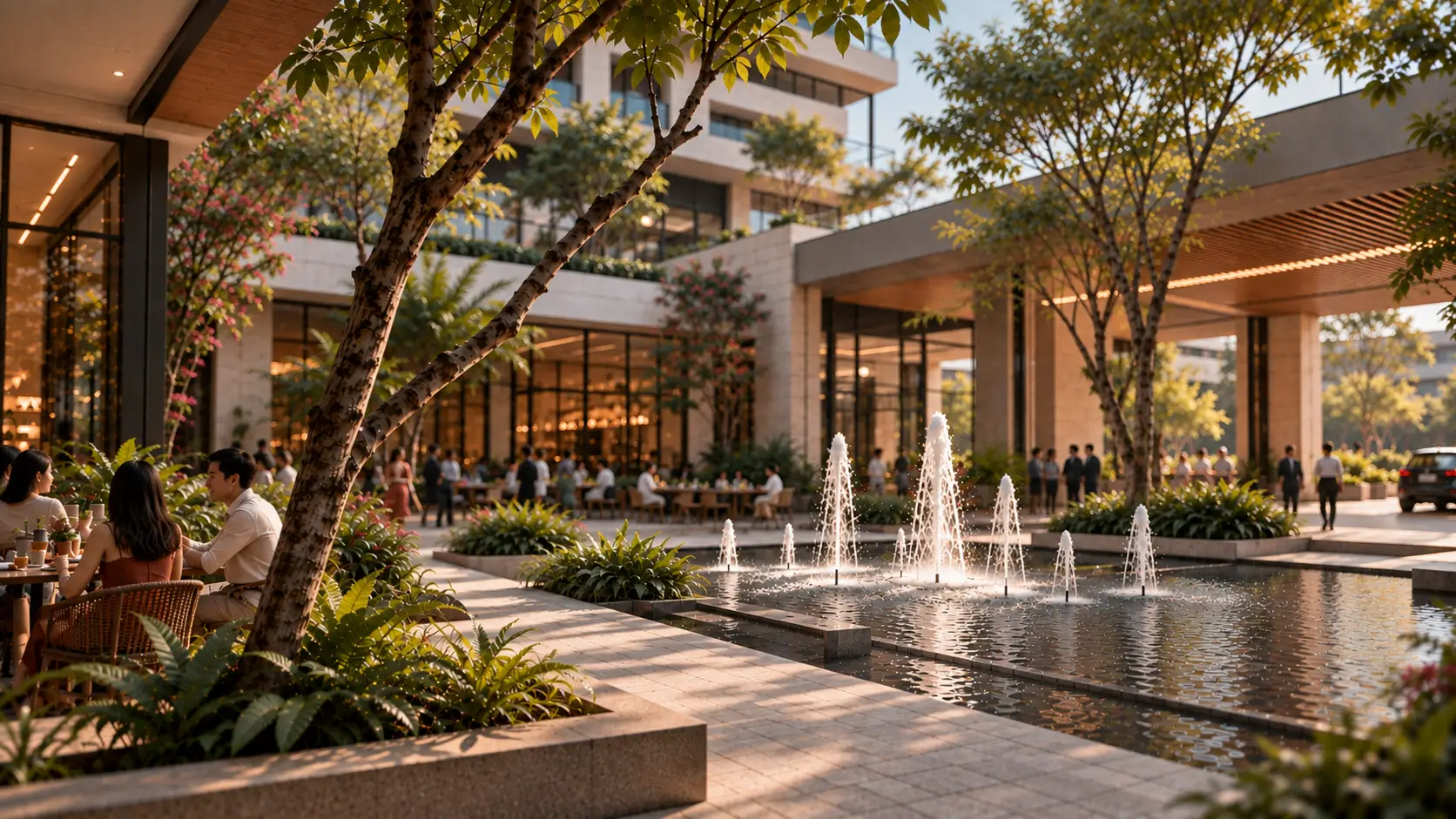
Open terraces and covered outdoor spaces continue influencing how residential environments are experienced in the Philippines.
These transitional spaces allow homeowners to comfortably occupy outdoor areas throughout much of the day. Dining, social interaction, relaxation, and even work activities increasingly extend beyond enclosed interiors.
Rather than separating indoor and outdoor environments completely, many contemporary homes now create layered transitions between them. Covered terraces, shaded lounges, and semi-open living spaces help blur these boundaries while still protecting occupants from direct sun and rainfall.
This approach supports a more flexible and climate-responsive way of living.
Transitional Spaces Shape Residential Experience
One of the defining qualities of tropical architecture is the presence of transitional space.
Hallways open to gardens, shaded outdoor corridors, covered patios, and semi-open lounges create gradual shifts between interior and exterior environments. These spaces influence how homes feel emotionally and environmentally.
Within the modern Filipino house, transitional spaces contribute to a calmer and more breathable residential atmosphere. They allow movement, airflow, and natural light to become part of the architectural experience itself.
These spaces also support changing residential lifestyles by creating environments that are adaptable, informal, and capable of accommodating different patterns of everyday use.
Contemporary Architecture Through Tropical Principles
The return of breezeways, courtyards, and open terraces does not represent a rejection of contemporary design. Instead, it reflects a growing recognition that tropical environments require architecture that responds thoughtfully to climate and daily living conditions.
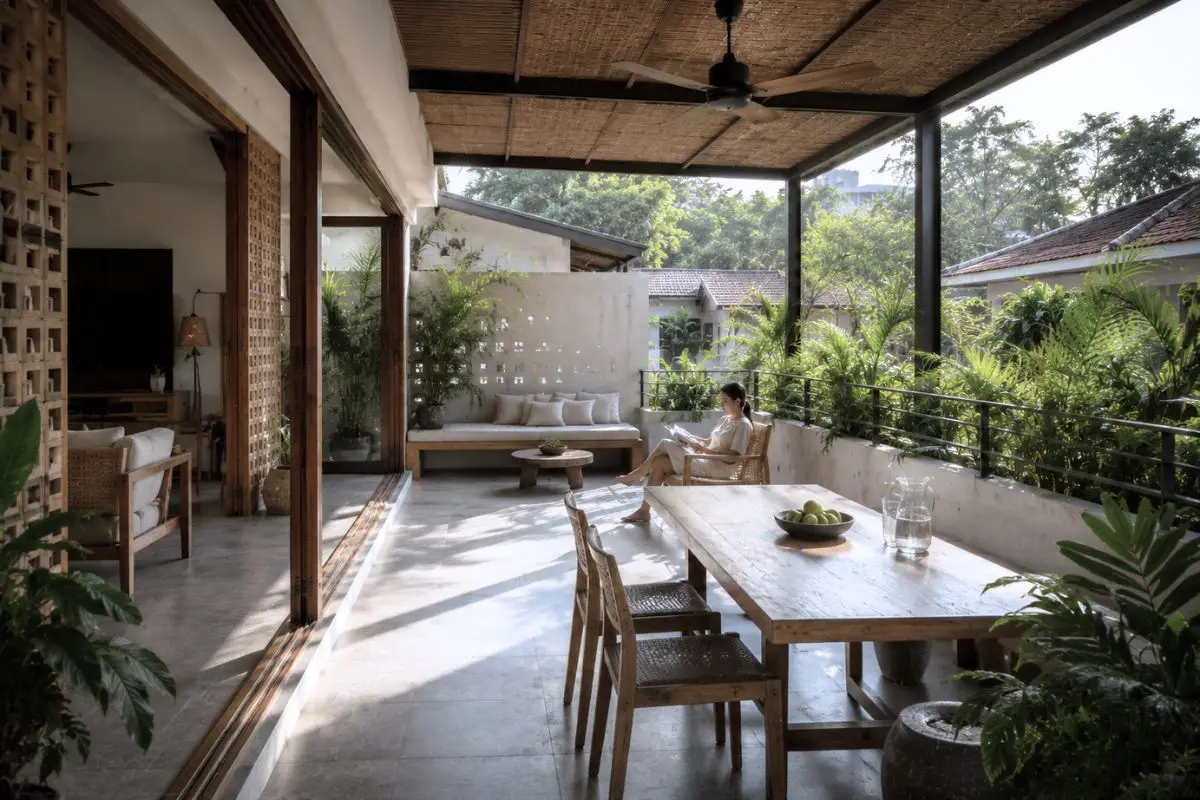
Many contemporary Filipino homes are now combining cleaner architectural forms with passive cooling strategies, environmental responsiveness, and stronger indoor-outdoor relationships.
The modern Filipino house continues evolving through this balance between contemporary aesthetics and practical climate-responsive design. As homeowners increasingly prioritize comfort, wellness, and long-term livability, these architectural principles are becoming more relevant once again.
Breezeways improve airflow, encourage natural ventilation, and help reduce heat buildup within interior spaces.
Courtyards introduce light, ventilation, greenery, and outdoor living space while maintaining privacy.
They support indoor-outdoor living and create more flexible residential environments suited to tropical climates.
They create gradual connections between indoor and outdoor environments while improving comfort, airflow, and spatial experience.
As climate-responsive living continues shaping residential architecture throughout the Philippines, breezeways, courtyards, and open terraces are becoming increasingly important within contemporary homes. Through an integrated approach to planning, ventilation, and tropical design, Fulgar Architects helps shape residential environments that balance comfort, adaptability, and long-term livability.