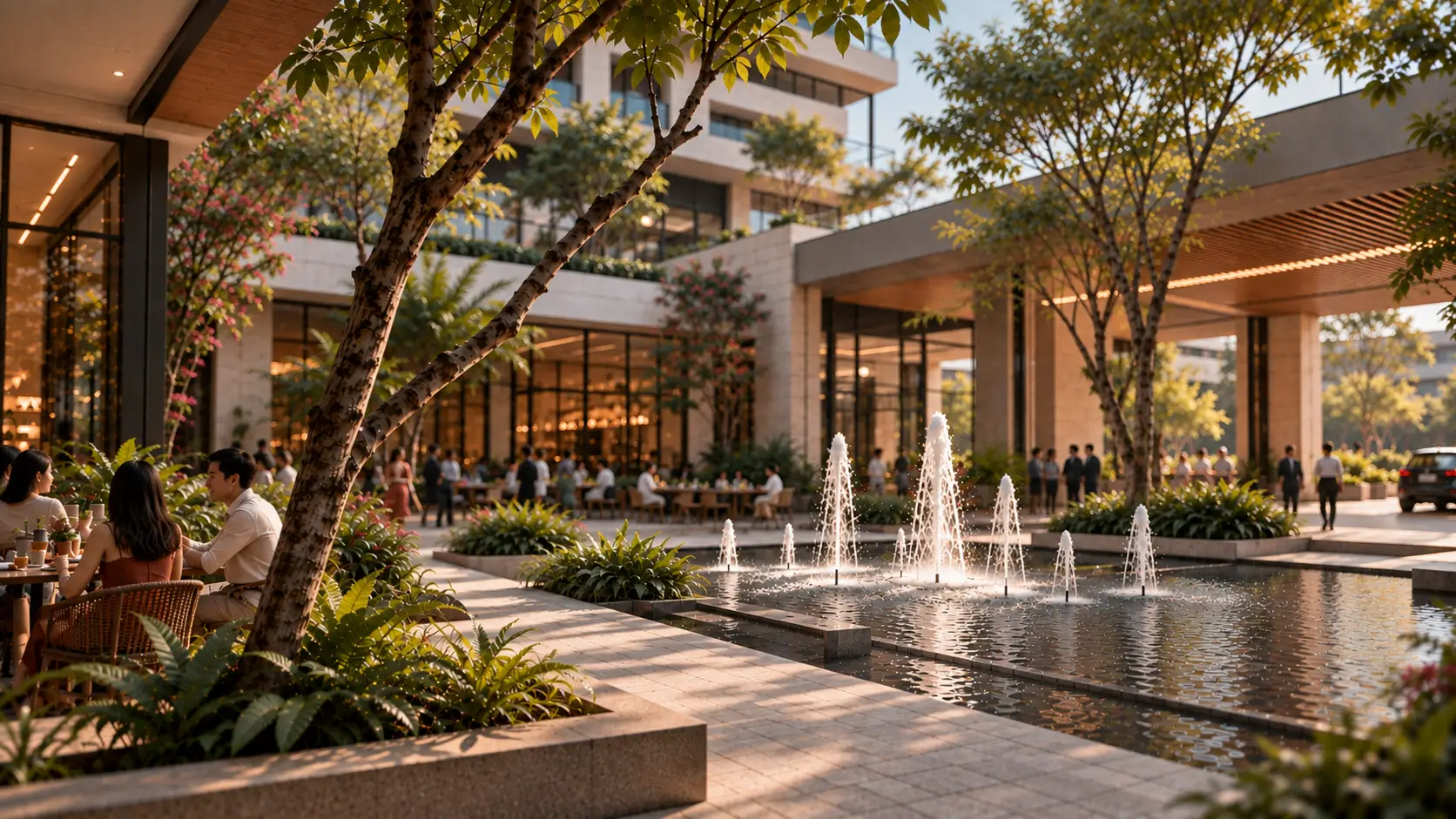













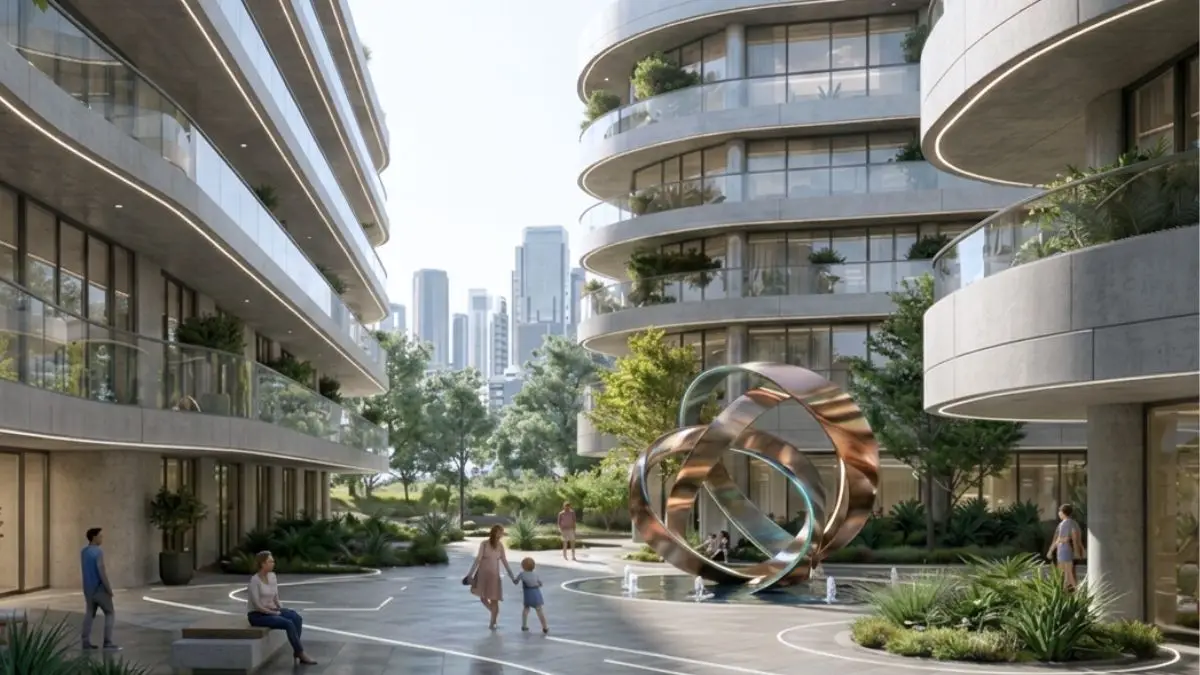
- Water remains one of the most versatile elements in contemporary landscape architecture.
- Beyond aesthetics, water can improve comfort, identity, environmental quality, and outdoor usability.
- Residential developments increasingly use water as a tool for placemaking and climate-responsive design.
- Well-designed water features contribute to both visual character and long-term property value.
- Successful water elements balance beauty, maintenance requirements, and environmental performance.
Water has occupied a central role in landscape architecture for centuries. From formal reflecting pools and garden ponds to contemporary water walls and integrated stormwater features, water continues to shape how people experience outdoor environments. While often associated with visual appeal, its value extends far beyond aesthetics.
Today, water in landscape architecture serves multiple purposes simultaneously. It can establish identity, influence movement, improve environmental comfort, create visual focal points, and strengthen the relationship between architecture and nature. In residential developments and private homes, water often becomes one of the most memorable elements within the landscape.
As contemporary house design places increasing emphasis on outdoor living, water continues to evolve from decorative feature to strategic design component.
Water as an Organizing Element
Many successful landscapes use water to establish order and hierarchy.
A carefully positioned reflecting pool can define an arrival sequence. A linear water feature can guide movement through a garden. A courtyard pond can become the visual center around which outdoor spaces are organized. These interventions help structure the landscape while providing a strong sense of orientation.
In larger residential estates and master planned communities, water often serves as a placemaking device. Entry fountains, lakes, and water gardens create memorable points of reference while helping distinguish one environment from another.
Rather than functioning as isolated objects, the most effective water features become part of a broader spatial framework. They influence how people move, gather, and experience a place.
Environmental Quality Beyond Appearance
Water contributes to environmental quality in ways that are often overlooked.
In tropical climates such as the Philippines, carefully designed water features can improve the perceived comfort of outdoor spaces. When combined with vegetation, shade, and proper airflow, water can help create cooler microclimates that make gardens, courtyards, and outdoor amenities more enjoyable throughout the day.
The sound of moving water can also shape how people experience an environment. Water features are frequently used to soften urban noise, create a sense of privacy, and establish a calmer atmosphere within residential properties.
These environmental benefits are particularly valuable in contemporary homes where outdoor spaces increasingly function as extensions of indoor living areas.
Water and Residential Identity
Landscape elements often play a significant role in shaping the identity of a home.
Water features introduce movement, reflection, and seasonal variation into the landscape. Unlike static materials, water constantly changes throughout the day as light, weather, and surrounding conditions shift.
A reflecting pool may reinforce a sense of formality. A naturalistic pond can strengthen connections to nature. A minimalist water wall may complement contemporary architectural styles. The character of the water feature often influences the overall character of the property itself.
For luxury residences and high-end communities, these elements contribute to a stronger sense of place. They help distinguish one environment from another while reinforcing the architectural narrative of the development.
Integrating Water With Contemporary House Design
The most successful water features are integrated into the architecture rather than added as decorative afterthoughts.
Courtyards often benefit from shallow reflecting pools that extend visual connections between interior and exterior spaces. Infinity-edge pools can strengthen relationships between a residence and surrounding views. Water gardens can help soften transitions between built and natural environments.
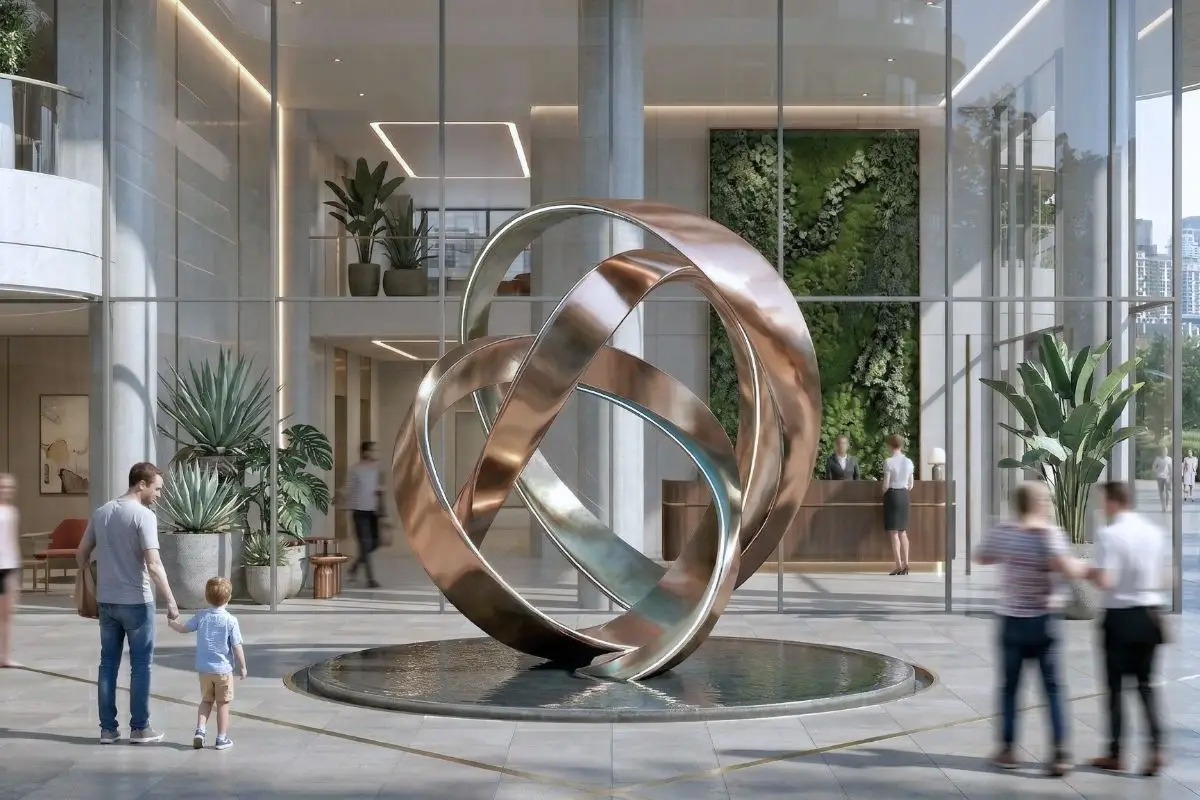
These decisions become particularly important in tropical residential design, where outdoor living plays a central role in daily life. Water can help define gathering spaces, frame important views, and establish visual continuity throughout a property.
When coordinated early in the design process, water becomes part of the overall architectural composition rather than an isolated landscape feature.
Balancing Beauty and Maintenance
Despite their benefits, water features require careful planning and long-term management.
Maintenance requirements, water quality, filtration systems, energy consumption, and accessibility all influence the success of a water feature over time. Features that appear impressive during construction can become liabilities if operational considerations are ignored.
This reality highlights the importance of designing water features that align with the scale and resources of a project. Simplicity often contributes to longevity. Well-detailed systems with straightforward maintenance requirements generally perform better than overly complex installations.
Successful water in landscape architecture balances visual impact with operational practicality.
Water as Part of the Contemporary Landscape
As residential developments continue placing greater emphasis on outdoor environments, water remains one of the most effective tools available to landscape architects and designers.
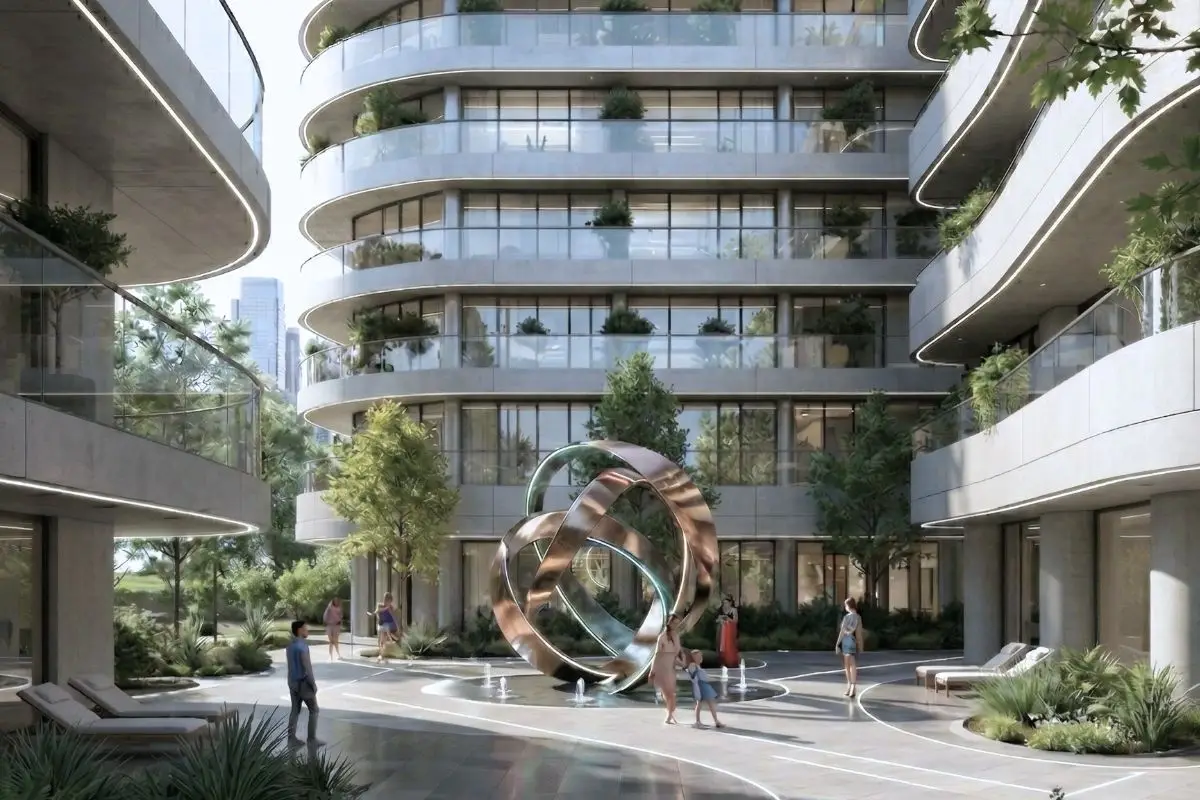
Its value extends beyond decoration. Water shapes movement, improves environmental quality, reinforces identity, and strengthens the relationship between architecture and landscape. Whether expressed through a reflecting pool, courtyard pond, water garden, or integrated residential feature, it continues to play a meaningful role in how people experience a place.
The most successful projects recognize that water is not simply something to be seen. It is something that influences atmosphere, comfort, memory, and daily life. This enduring relationship explains why water in landscape architecture remains one of the defining elements of contemporary residential design.
Water contributes to visual identity, environmental comfort, movement, placemaking, and the overall experience of a landscape.
Yes. When combined with vegetation, shade, and airflow, water features can contribute to more comfortable outdoor environments and cooler microclimates.
Reflecting pools, ponds, water walls, fountains, water gardens, and swimming pools are among the most common residential applications.
Maintenance requirements vary depending on the complexity of the system. Proper planning, filtration, and detailing are essential for long-term performance.
Thoughtful landscape design extends beyond planting and hardscape. At Fulgar Architects, we integrate architecture, landscape, and outdoor environments to create residences that respond to climate, lifestyle, and long-term value. Explore our architectural services or connect with our team to discuss residential developments, private homes, and landscape-driven projects throughout the Philippines.