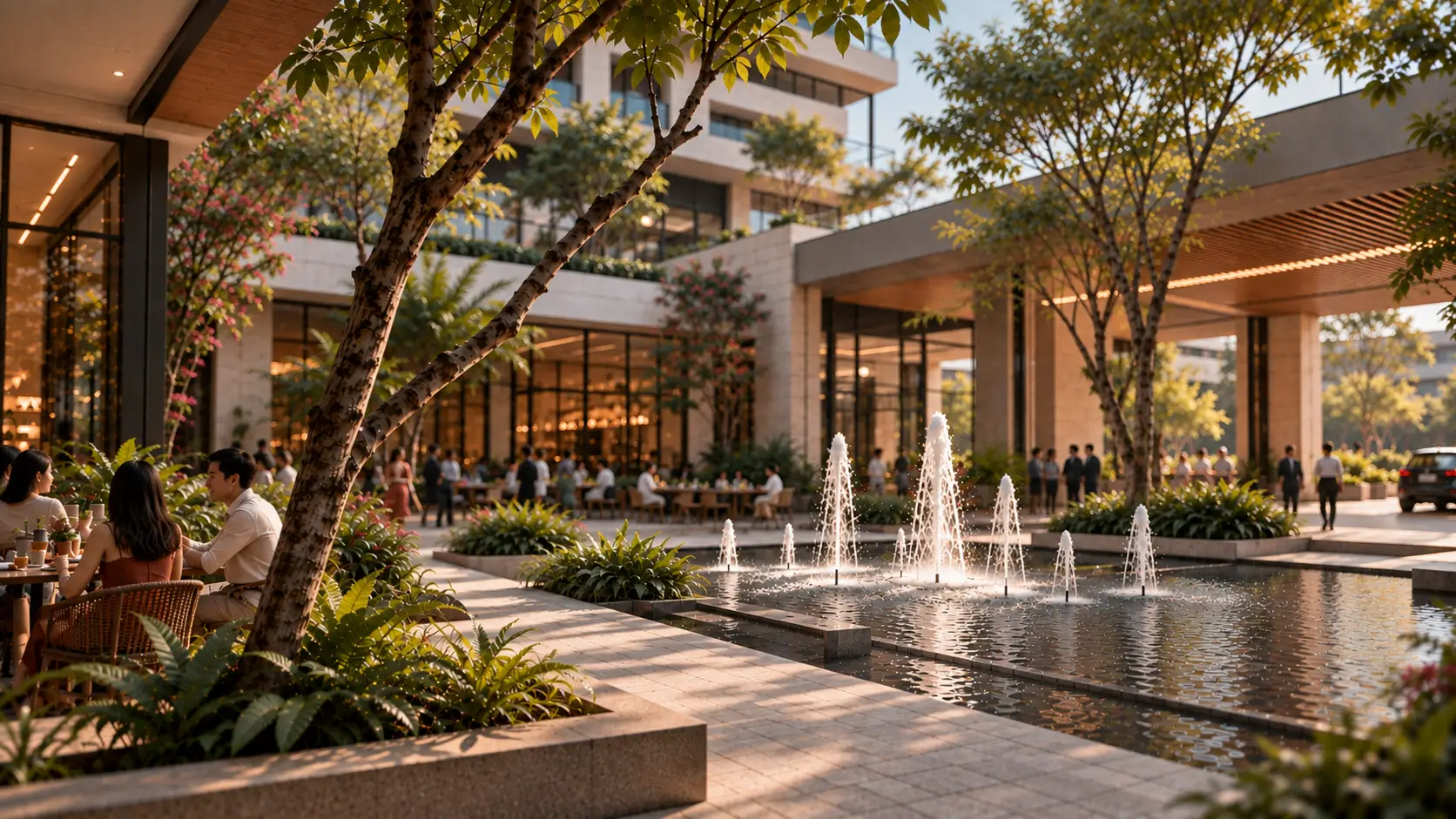














Filipino architecture, a captivating fusion of diverse cultural influences, showcases a remarkable blend of traditional and modern elements, leaving a lasting impression on anyone who experiences it. Nestled within the stunning archipelago of the Philippines, this unique architectural style tells the story of the nation’s rich cultural heritage and its journey through time. Filipino architecture has carved its niche in the design world, from using indigenous materials and sustainable practices to the seamless balance between functionality and aesthetics. The captivating traits of this architectural style reveal the undeniable allure of Filipino heritage, which invites a closer look at the creative genius behind these innovative designs.
In the ever-evolving landscape of global architecture, Filipino architects have managed to preserve their distinct identities by embracing their roots and adapting to modern trends. This seamless integration of history and innovation has given rise to architectural marvels that celebrate the country’s past and look toward the future. Filipino architects have showcased their ingenuity through these impressive structures and have expertly woven the threads of their cultural heritage with contemporary design principles to create a tapestry of architectural excellence. Discover the unique features of Filipino architecture and gain a deeper appreciation for its beauty, resilience, and adaptability. Embark on a journey to uncover its secrets.
The Evolution of Filipino Architecture
Designers can trace the history of Filipino architecture back to the pre-colonial period, when indigenous tribes built their homes, known as bahay kubo, using locally available materials such as bamboo, rattan, and nipa palm. Locals have designed these traditional homes to withstand the tropical climate of the Philippines, with raised floors, steep roofs, and open spaces to allow natural ventilation.
Filipino architecture underwent significant changes with the arrival of Spanish colonizers in the 16th century. The Spanish introduced the bahay na bato, a stone and wood structure that blended indigenous design elements with Spanish architectural features, such as thick stone walls, carved wooden doors, and ornate window frames. This hybrid style became the blueprint for Filipino homes during the Spanish colonial period.
The American colonial era brought further changes to Filipino architecture by introducing neoclassical and art deco styles. Public buildings, schools, and churches embraced these new design concepts, reflecting the country’s growing urbanization and modernization. However, as the residents tried their best to preserve the essence of traditional Filipino architecture, these modern developments continued to influence and inspire contemporary designs.
Integrating Indigenous Materials and Sustainable Practices
Filipino architecture has always been grounded in using local, natural materials, giving it a unique and authentic character. Bamboo, rattan, and nipa palm remain popular for traditional and contemporary structures, as they are abundant, readily available, sustainable, and eco-friendly.
In recent years, Filipino architects have embraced the concept of “green architecture,” incorporating energy-efficient designs and sustainable practices into their projects. The movement has led to the development of eco-friendly structures, such as green roofs, solar panels, and rainwater harvesting systems, which not only help reduce the environmental impact of buildings but also lower operating costs for occupants.
Another sustainable trend in Filipino architecture is adaptive reuse, where old structures are given new life through renovation and repurposing. This practice conserves resources, reduces waste, and preserves the architectural heritage of the Philippines while also allowing for the introduction of modern design elements.
Balancing Functionality and Aesthetics In Filipino Architecture
One of the hallmarks of Filipino architecture is its ability to balance functionality and aesthetics. Climate-responsive design plays a crucial role in this regard, with architects considering the country’s tropical climate when developing their projects. Key concepts include designing structures that maximize natural light and ventilation and reducing the need for artificial lighting and air conditioning.
In addition, Filipino architecture often incorporates indoor and outdoor spaces, blurring the lines between the two and creating seamless transitions between living areas. This design approach not only reinforces the overall aesthetic appeal of a structure but also promotes a more sustainable and comfortable living environment.
Exploring Unique Filipino Architectural Styles
Filipino architecture boasts many unique styles that combine traditional and contemporary design elements. One such style is tropical modernism, which fuses luxury and sustainability to create elegant, eco-friendly structures that showcase the beauty of the natural environment.
Another emerging trend is Filipino Minimalism, characterized by clean lines, warm tones, and natural materials. The growing style offers a fresh take on design and functionality, allowing for uncluttered, open spaces that promote relaxation and tranquility.
In both of these styles, Filipino architecture remains true to its roots, incorporating elements of traditional design while embracing modern aesthetics and practices. This synthesis of old and new reflects the evolving identity of the Philippines and sets Filipino architecture apart from its global counterparts.
Iconic Filipino Architectural Projects and Their Architects
Throughout the years, numerous Filipino architectural projects have captured the world’s attention, showcasing the ingenuity and creativity of local architects. One such example is the Cultural Center of the Philippines, a Brutalist masterpiece National Artist for Architecture Leandro V. Locsin designed. With its imposing concrete facade and bold geometric forms, the Cultural Center embodies the spirit of Filipino innovation.
Another notable example is the Greenbelt Chapel, located in the heart of Makati City. Enrique Dizon, a well-known architect, and Ramon Orlina collaborated on the design of this contemporary oasis, which has a distinctive glass structure that allows natural light to enter, creating a calm and reflective space amid the busy urban environment.
The Coconut Palace, designed by National Artist for Architecture Francisco Mañosa, is a stunning example of Filipino ingenuity. Commissioned in 1978 by then-First Lady Imelda Marcos for Pope John Paul II’s visit to the Philippines in 1981, the Coconut Palace showcases the versatility and durability of indigenous materials. Built primarily from coconut lumber and adorned with coconut shell accents, the structure highlights the importance of sustainable design and the use of locally available materials.
Choosing the Right Architect for A Project and Working with Filipino Architects
Selecting the appropriate architect for a project is a crucial step in ensuring the envisioned design becomes a reality. Firstly, it is essential to understand the specific architectural needs and preferences, as this helps narrow options and select an architect who aligns with the desired vision. Considering architects with a proven track record of completing projects similar in size, style, and complexity can provide confidence in their ability to execute the project successfully.
Clear communication and collaboration between the architect and client are vital to achieving a successful project outcome. When working with Filipino architects, it is essential to appreciate their unique approach to design, which often reflects the country’s rich cultural heritage. Being receptive to criticism, open to new ideas, and ensuring that both parties comprehend each other’s design concepts are all necessary for a successful partnership.
Filipino architects are known for blending traditional and contemporary design elements to create unique and innovative structures. When collaborating with them, it is beneficial to embrace this fusion of styles and work together to create a design that incorporates the essence of Filipino architecture while meeting the specific needs and preferences of the project. By appreciating and comprehending the distinctive qualities of Filipino architecture and cultivating a strong working relationship, an architectural project can be successful and stunning.
Reviving The Legacy Of Filipino Architecture
Filipino architecture offers a unique blend of tradition and modernity, reflecting the diverse cultural influences that have shaped the country’s identity. Embracing the distinct features of Filipino architecture pays homage to our heritage and sets us apart in an increasingly globalized world. As architects continue to push the boundaries of design, they play a vital role in shaping the built environment for future generations, ensuring that the Philippines remains at the forefront of architectural innovation.