













Article Summary
- Many of the most important architectural decisions are made long before form, finishes, or style are visible.
- Structural grids, circulation logic, service planning, and phasing quietly determine how buildings function, adapt, and age.
- These early, often unseen decisions shape long-term usability, value, and resilience more than surface design moves.
The quality of a built environment is rarely determined by what is immediately visible. It is shaped by a series of decisions made early in the design process that influence how spaces function, age, and adapt over time. The choices that quietly shape buildings are embedded beneath form, directing performance long after initial impressions fade.
As cities expand and projects grow more complex, these decisions carry increasing weight. Land constraints, regulatory frameworks, and operational demands leave little room for improvisation once construction begins. Architecture, in this context, becomes an exercise in foresight rather than expression, where value is established through restraint and anticipation.
Seeing Beyond the Visible
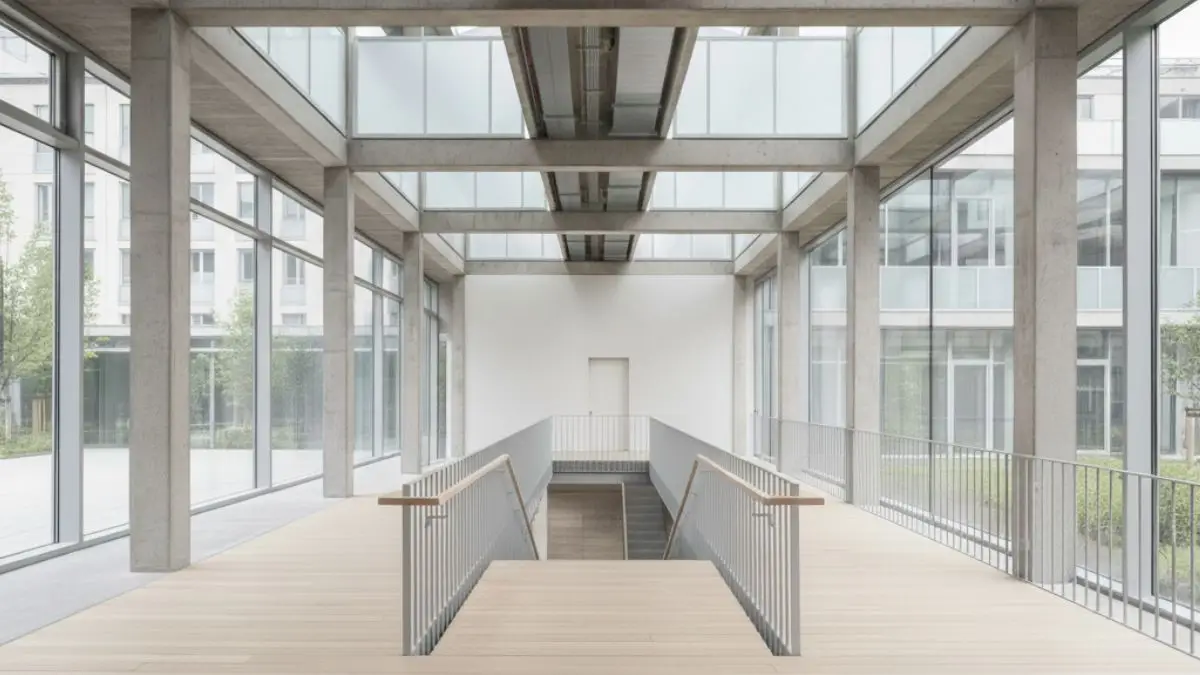
Many consequential architectural decisions are made before a project takes on a recognizable form. Structural grids, floor-to-floor heights, service zones, and circulation paths establish limits and possibilities that endure for decades.
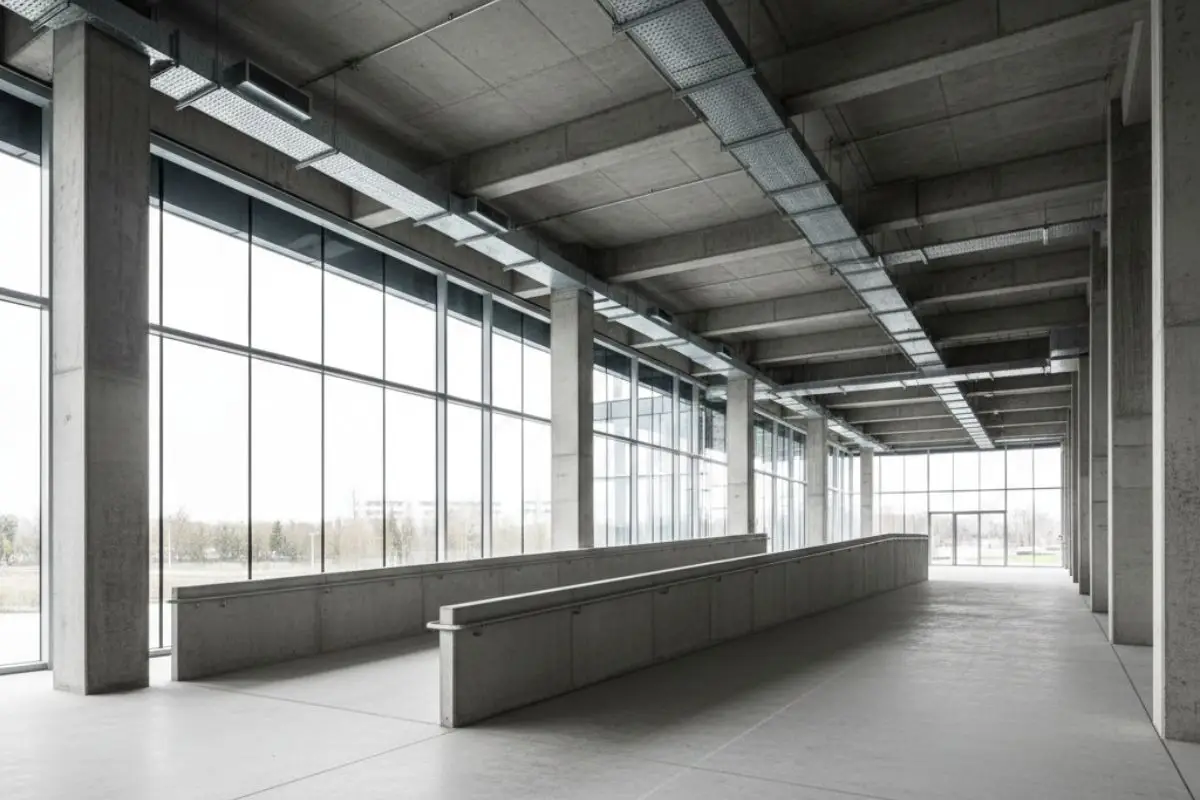
These choices determine whether a building can accommodate new uses, integrate future technologies, or respond to changing needs. Well-considered decisions allow buildings to evolve quietly. Poor decisions restrict flexibility and often surface later as hidden costs, inefficiencies, or premature obsolescence.
Early technical planning is therefore not separate from design intent. It is a core architectural responsibility that considers how spaces will be occupied, serviced, and maintained over time.
Structure as an Organizing System
Structure is often treated as a purely technical concern, yet it shapes the quality and longevity of space. Column spacing, floor depth, and load distribution influence layout flexibility, daylight penetration, and the ease with which interiors can be reconfigured.
A disciplined structural strategy allows spaces to change without major intervention. Generous spans support adaptability, while tighter grids reinforce efficiency where required. These decisions are rarely noticed by users, yet they underpin long-term usability and value.
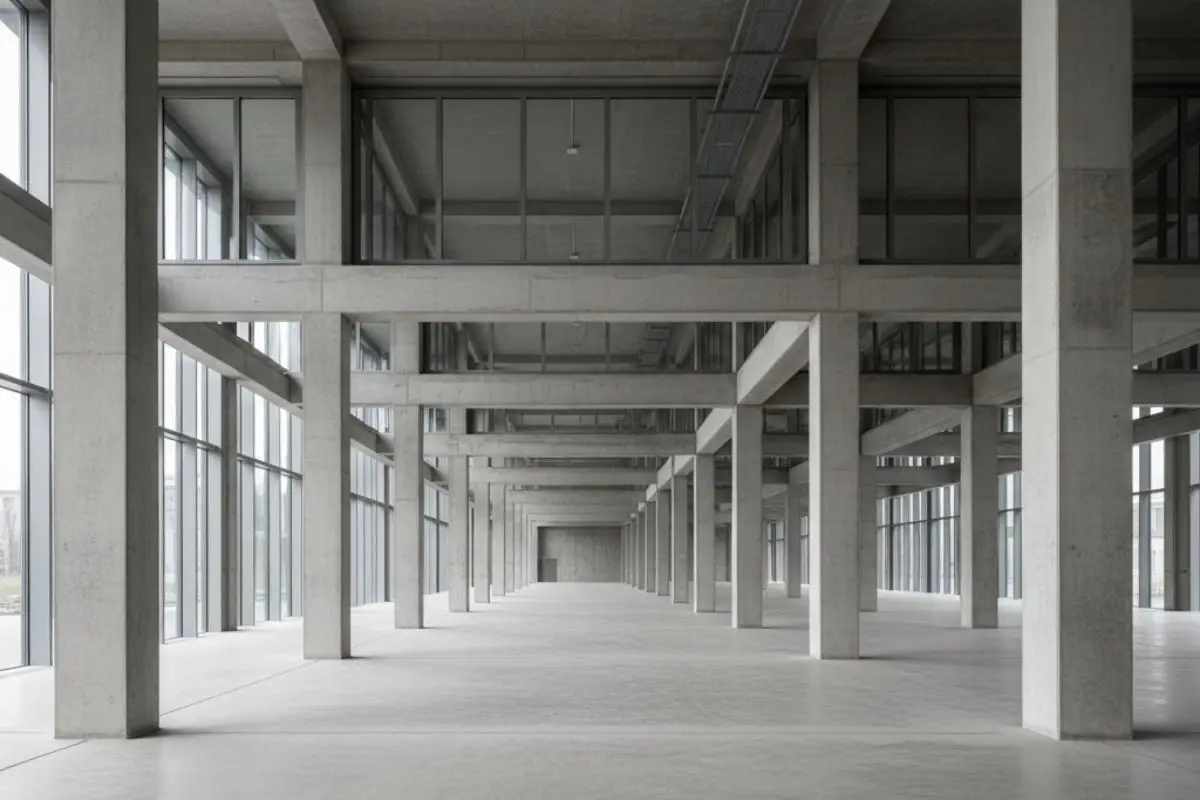
For large or multi-phase developments, structure must anticipate future growth. Allowing for additional load capacity or horizontal expansion preserves coherence while enabling incremental development.
Circulation and the Experience of Use
Movement through a building or district reveals the effectiveness of its underlying planning. Circulation systems shape how people orient themselves, encounter spaces, and transition between programs.
Clear hierarchies between public, semi-private, and private routes reduce friction. Thoughtful placement of vertical circulation shortens travel distances and supports intuitive wayfinding. The choices that quietly shape buildings are often most evident at these moments of transition, where spatial logic either clarifies or complicates daily experience.
In complex or mixed-use environments, separating service routes from public paths protects comfort, safety, and operational efficiency. These choices are rarely visible, yet they define how smoothly a place functions.
Services and the Reality of Operations
Mechanical, electrical, and plumbing systems are among the least visible contributors to architectural performance. Their coordination affects ceiling heights, acoustic comfort, maintenance access, and energy efficiency.
When services are integrated early, they support comfort and reliability without compromising spatial clarity. When deferred, they intrude into usable space, complicate upgrades, and disrupt occupancy. These outcomes are rarely attributed to design, yet they originate in early coordination decisions.
Effective service planning treats buildings as long-term operational systems rather than static objects, reinforcing architecture’s role in shaping everyday reliability.
Phasing, Growth, and Long-Term Coherence
Many developments unfold over years or decades. Phasing aligns construction with capital availability, demand, and infrastructure delivery. Early decisions determine whether each phase contributes to a coherent whole or becomes a disconnected fragment.
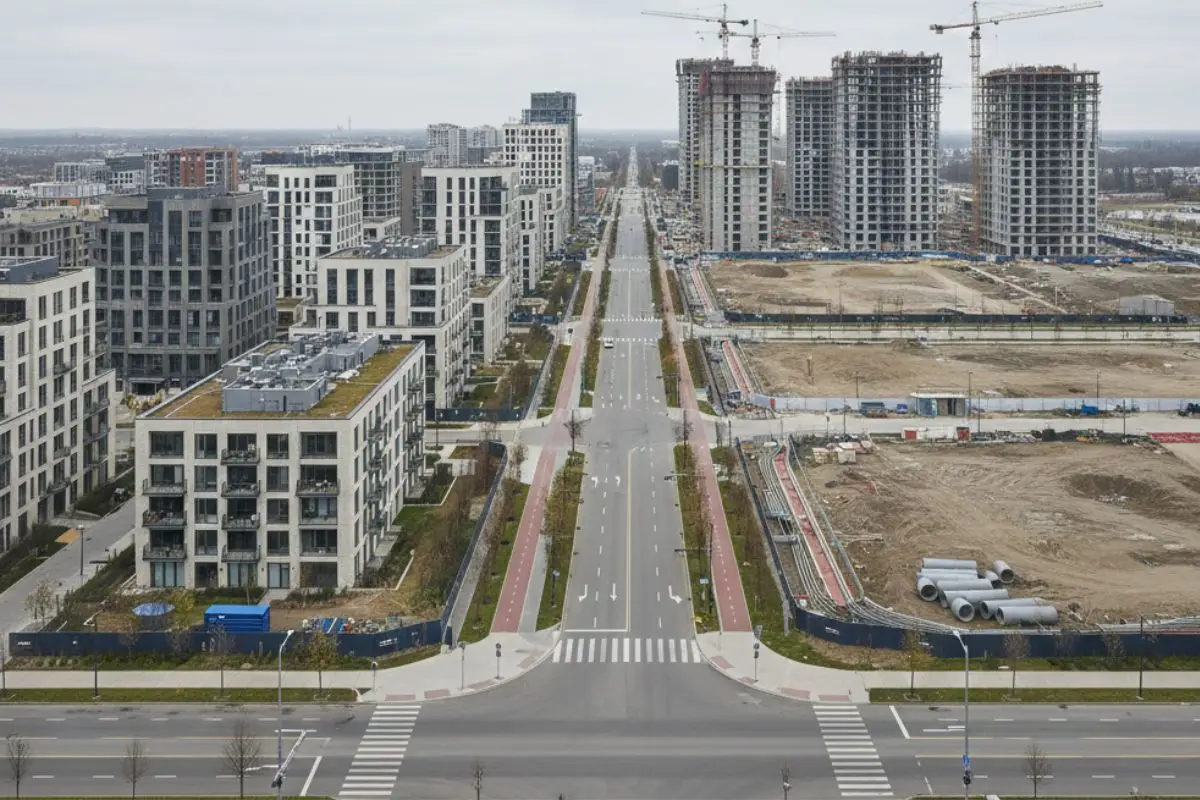
Projects without clear growth strategies often lose clarity over time. Planning for shared systems, future connections, and flexible parcels allows environments to evolve without losing identity.
This foresight is especially important in changing urban contexts, where surrounding conditions transform alongside the project.
Architecture as Quiet Discipline
The true measure of architectural quality often emerges after years of use. Buildings that continue to perform well do so because their underlying decisions were resolved with clarity and restraint. They adapt without constant intervention and support daily life with consistency.
The choices that quietly shape buildings reflect architecture’s responsibility beyond appearance. Long-term value is created through careful planning, coordination, and an understanding of how places are actually used. Architecture asserts itself through endurance rather than spectacle.
Because they determine how buildings perform, adapt, and age long after initial impressions fade.
Most are resolved early, before materials or formal expression are defined.
They emerge through collaboration among architects, engineers, consultants, clients, and regulators.
They shape comfort, legibility, flexibility, and ease of use, even if users are unaware of their source.Can strong architectural identity exist without careful planning?
Only briefly. Without solid underlying decisions, visual identity rarely endures.