












- Lifestyle-driven planning is becoming increasingly important in residential developments across the Philippines.
- Buyers now evaluate developments based on atmosphere, walkability, wellness, and everyday experience alongside location and amenities.
- Hospitality-inspired architecture and landscape planning help developments feel more memorable and premium.
- Developers are using open spaces, wellness amenities, and mixed-use environments to strengthen long-term project value.
- Residential developments that create stronger emotional connections often leave more lasting impressions on buyers.
For many years, residential developments in the Philippines were often evaluated through a relatively straightforward checklist. Location, accessibility, amenities, parking, and unit size typically dominated the conversation.
Today, however, many buyers are beginning to look beyond these practical considerations alone. Increasingly, people are paying attention to how a development feels as an everyday environment. The atmosphere of shared spaces, the quality of landscape design, the experience of walking through the property, and the emotional character of the community itself are becoming far more important in residential decision-making.
Across Metro Manila and other major urban centers, developers are beginning to recognize that lifestyle has become a powerful differentiator within the residential market. This shift is gradually changing how residential developments in the Philippines are planned, designed, and positioned.
Beyond Amenities Alone
Amenities remain important within residential developments, but buyers today often expect more than simply having access to a gym, swimming pool, or function room.
What increasingly creates stronger impressions is how these amenities are integrated into the larger residential environment. A shaded garden pathway that encourages walking, a landscaped courtyard that feels calm despite urban density, or a naturally ventilated lounge space can shape how residents emotionally experience the development every day.
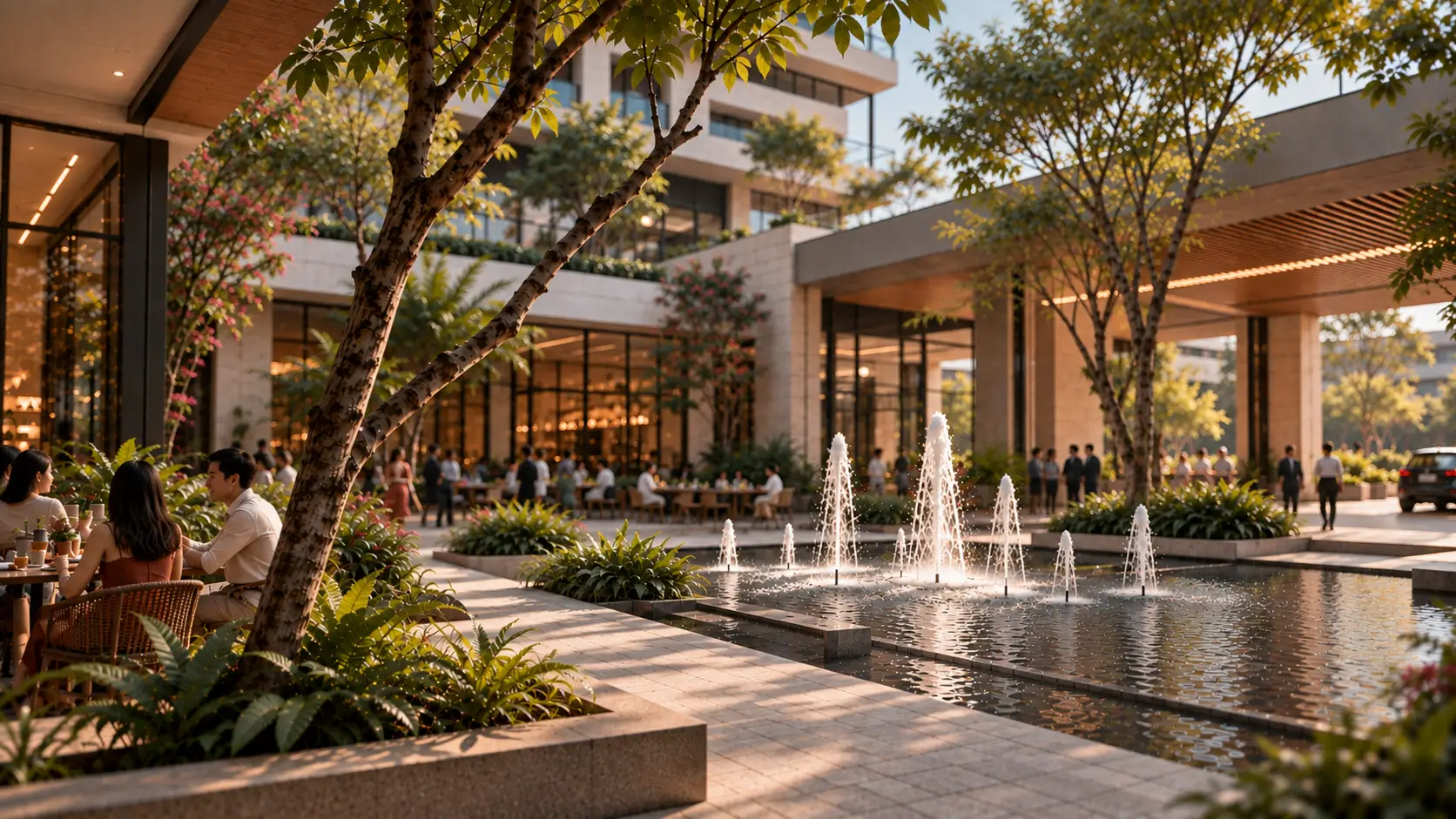
This is where hospitality-inspired planning becomes increasingly influential. Many contemporary residential developments now borrow design principles traditionally associated with hotels and resorts. Arrival sequences feel more intentional, outdoor spaces become more immersive, and shared environments are designed to feel more welcoming rather than purely functional.
These details may appear subtle individually, but together they contribute to a stronger sense of identity and perceived quality within the development.
The Growing Importance of Walkability and Open Space
As cities become denser, open space is becoming increasingly valuable within residential environments.
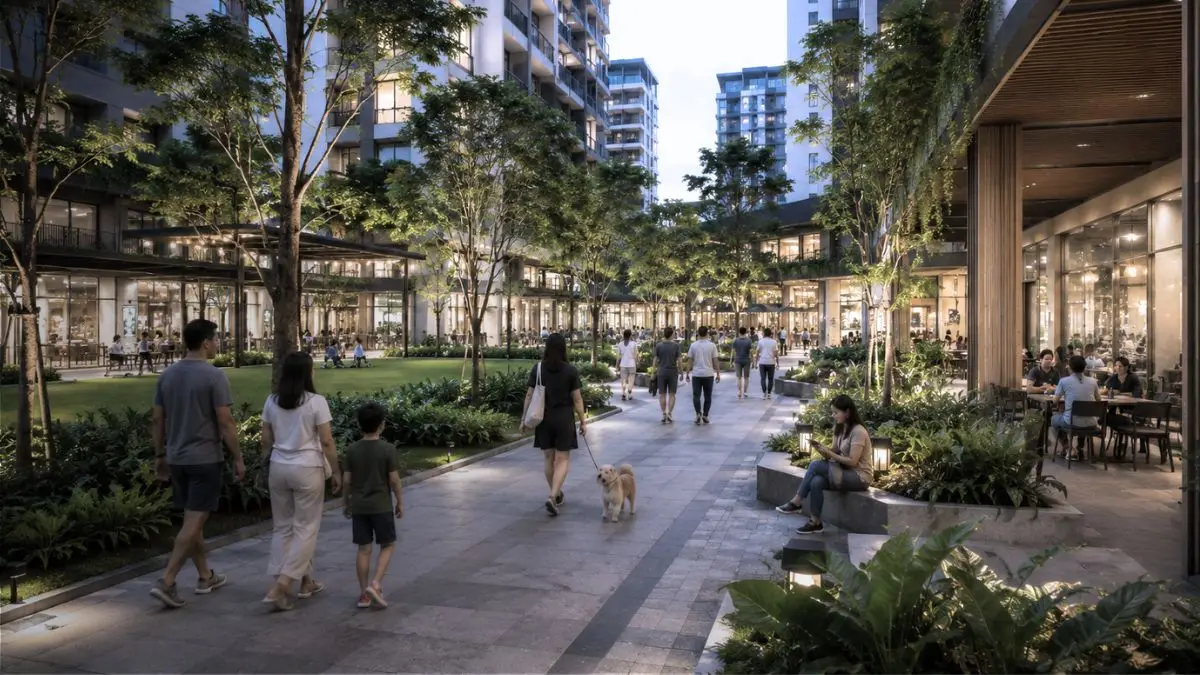
Developments that prioritize walkability, shaded pathways, landscaped breathing spaces, and pedestrian-oriented planning often feel significantly more comfortable despite being located in highly urbanized areas.
This shift reflects a growing desire for environments that support healthier and more balanced lifestyles. Many residents now value developments where daily routines can extend beyond the private unit itself.
Walkable environments also encourage stronger social interaction within communities. Pocket parks, outdoor seating areas, retail promenades, and shared green spaces create opportunities for more natural movement and casual interaction throughout the day.
Within mixed-use developments especially, these planning strategies help create neighborhoods that feel more active, connected, and human-scaled.
Hospitality Thinking in Residential Architecture
One of the clearest trends influencing residential developments in the Philippines today is the growing overlap between hospitality architecture and residential planning.
Developers are increasingly recognizing that buyers respond strongly to environments that feel calming, elevated, and experience-driven. This has led many projects to incorporate architectural and landscape strategies that were once more commonly associated with hotels and resorts.
Features such as layered landscaping, resort-style pools, open-air lounges, wellness-oriented amenities, grand arrival areas, and indoor-outdoor transitions are becoming more common across both vertical and horizontal developments.
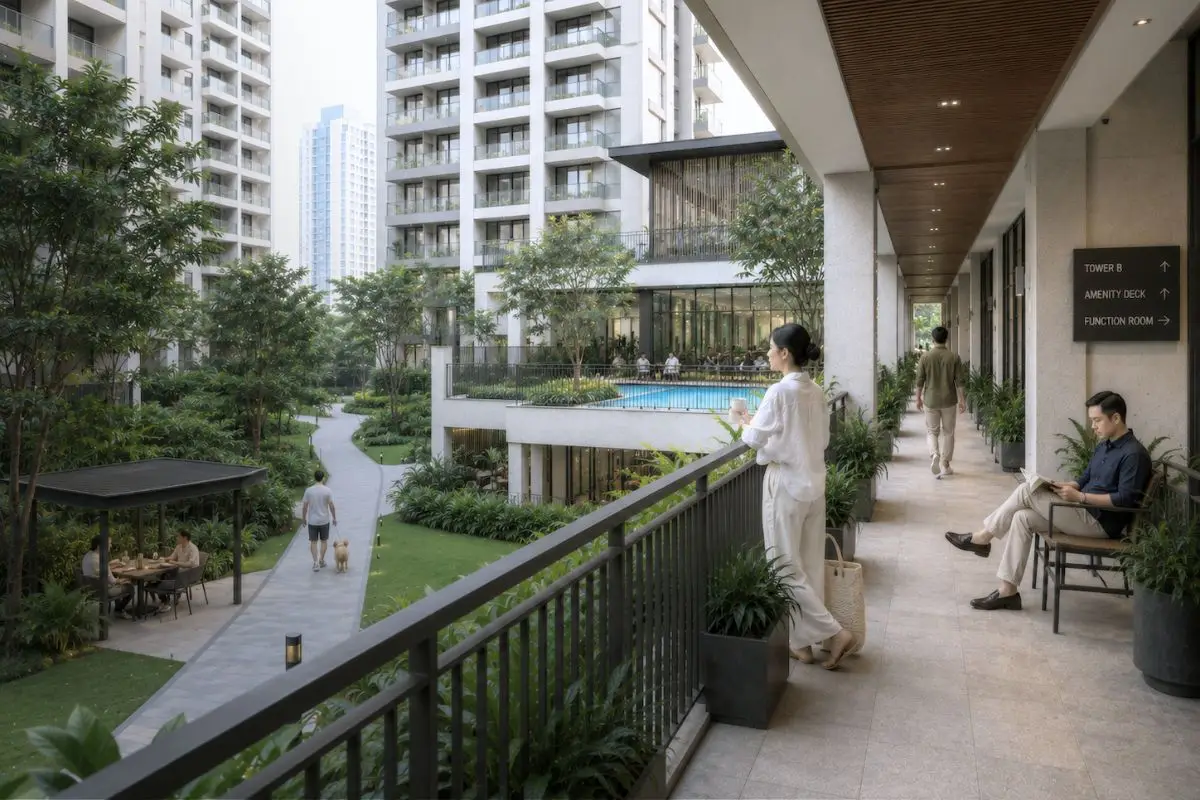
These elements do more than improve visual appeal. They help shape the emotional experience of living within the development itself.
A well-designed arrival sequence can make a property feel more premium before residents even enter their units. Thoughtfully designed outdoor spaces can encourage people to spend more time outside rather than remaining isolated indoors. Natural ventilation, softer landscape buffers, and better circulation planning can also improve everyday comfort across shared spaces.
Increasingly, residential architecture is no longer being viewed solely as shelter or real estate inventory. It is becoming part of a larger lifestyle experience.
Why Lifestyle Has Commercial Value
The growing emphasis on lifestyle is not simply aesthetic. It also carries strong commercial implications.
In highly competitive urban markets, developments that feel more distinctive often gain stronger long-term recall among buyers. Atmosphere, walkability, landscape quality, and overall environmental experience increasingly influence how projects are perceived relative to competing developments.
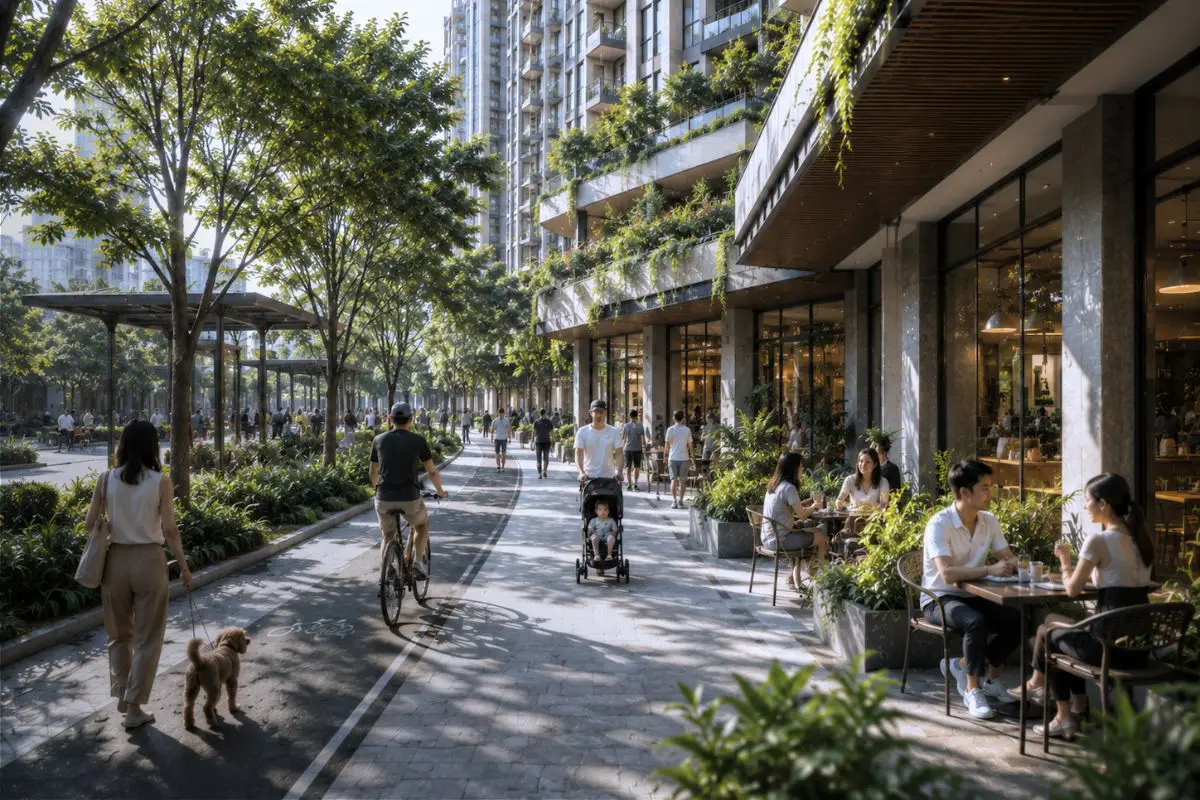
This is especially important as buyers become more exposed to global hospitality environments, international residential trends, and experience-driven retail spaces. Expectations surrounding comfort, wellness, and quality of life continue evolving alongside these shifts.
For developers, stronger lifestyle positioning can help reinforce the long-term desirability of a project while supporting stronger market differentiation.
Projects that successfully create memorable residential environments may also strengthen resident satisfaction over time, contributing to stronger community identity and long-term value perception.
Residential Developments as Everyday Environments
Perhaps the biggest shift taking place today is the growing understanding that residential developments are no longer experienced only as collections of buildings.
They are increasingly experienced as complete everyday environments.
Residents interact daily with circulation spaces, landscapes, retail areas, amenities, drop-off zones, pathways, and shared environments long before they return to their individual units.
Because of this, the success of residential developments in the Philippines increasingly depends on how well architecture, landscape, movement, and lifestyle planning work together as a cohesive experience.
The projects that resonate most strongly moving forward will likely be those that understand residential design not simply as construction, but as the shaping of everyday life itself.
Many buyers now prioritize comfort, wellness, walkability, atmosphere, and everyday experience alongside traditional considerations such as location and amenities.
Developments increasingly use resort-inspired amenities, layered landscaping, arrival experiences, and wellness-oriented planning to create more memorable living environments.
Open spaces improve walkability, comfort, environmental quality, and opportunities for social interaction within dense urban communities.
Developments that create stronger emotional experiences and better everyday environments often achieve stronger long-term desirability and market differentiation.
As residential developments in the Philippines continue evolving beyond traditional planning models, conversations around lifestyle, wellness, walkability, and long-term residential experience are becoming increasingly important. Developers, landowners, and project teams exploring these directions may reach out through the contact details below for further discussion.